




This matters enormously for Answer Engine Optimization. Platforms like Google's AI Overviews, ChatGPT and Perplexity don't retrieve information the way traditional search engines do. They interpret it. Entity recognition is a core part of that interpretation layer - it's how these systems decide if your content is a credible, relevant source worth pulling into a generated answer, or something to pass over entirely.
As a website owner or manager, you have more control over this process. The way you write about your brand, your products, your team and your industry sends signals that AI systems pick up on and act on. Structuring your content so entities are named, referenced and contextualized can meaningfully improve how AI understands and represents your site.
I'll break down what entity recognition is, why it matters to AEO and - most importantly - what you can do with that knowledge to make your content work harder in an AI-first search environment.
Quick Answer
Entity Recognition (also called Named Entity Recognition or NER) is a natural language processing technique that identifies and classifies key elements in text into predefined categories such as names of people, organizations, locations, dates, monetary values, and more. It extracts structured information from unstructured text, enabling machines to understand and categorize real-world entities. NER is widely used in search engines, information retrieval, chatbots, and text analytics to automatically parse and organize meaningful data from large volumes of written content.
How Answer Engines Use Entity Recognition to Interpret Your Content
When an answer engine processes a webpage, it isn't reading the way you or I do - it's scanning for recognizable concepts - places, organizations, dates - and then mapping those concepts to things it already knows about the world.
This process is called Named Entity Recognition, or NER - it's a technique that lets the engine pull structured meaning out of unstructured text. So instead of just seeing a string of words, the engine starts to build a picture of what your content is about.
The next step after recognition is linking - it connects that phrase to a known entity in its knowledge graph - a scientist, a Nobel Prize winner, a historical figure with documented relationships to other entities like radioactivity or the University of Paris.
A knowledge graph is a giant network of real-world things and the connections between them; it's an actual distinction for anyone writing content they want those engines to surface.
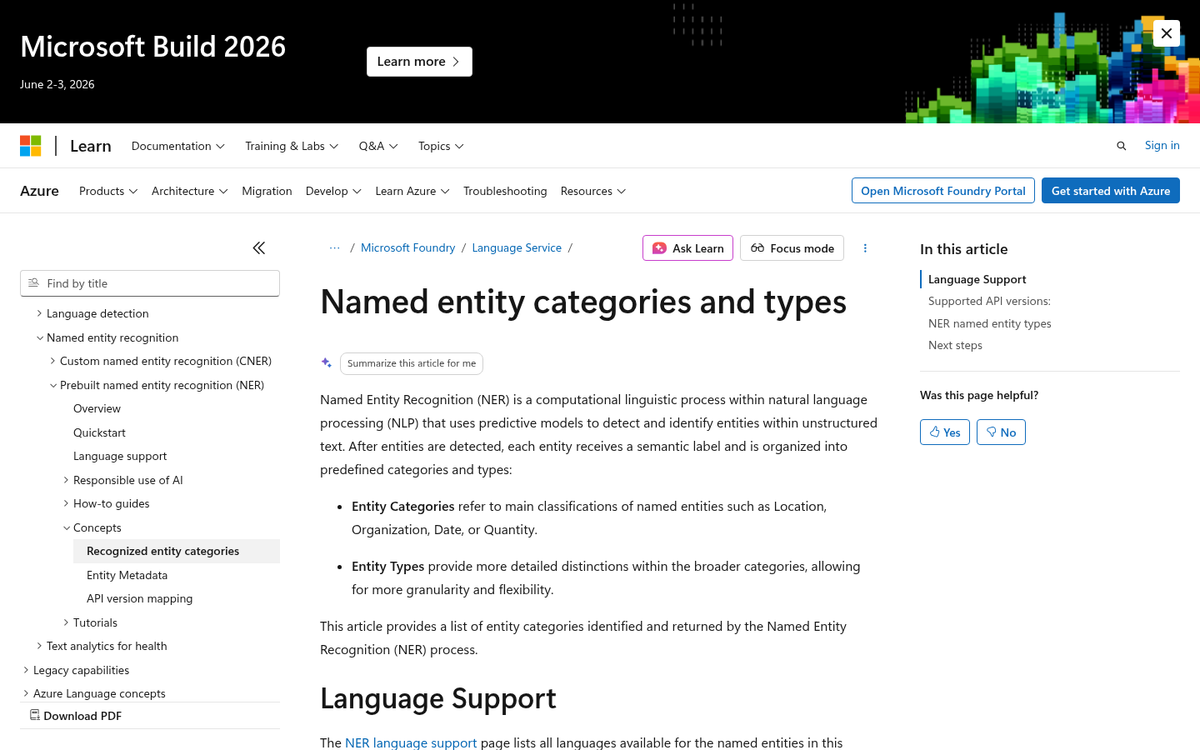
The same thing happens with a phrase like "Austin, Texas." The engine links it to a geographic entity with known attributes - a city, a state capital, a location in the United States. Your content doesn't need to spell that out because the engine already knows it.
This is why entity recognition matters for Answer Engine Optimization. The more your content references known entities, the easier it is for an engine to map your page to real-world concepts. The better that mapping, the more likely your content gets pulled into a direct answer.
Vague or ambiguous language makes this harder. If your content talks about "the founder" without naming them, or references "that city in Texas" without being direct, the engine has less to work with - it may still index the page. But it won't have the same confidence about what your content represents. This same principle applies broadly to how you name and frame your blog from the start.
Clarity around entities is good writing practice and how you help the engine do its job.
Types of Entities Answer Engines Are Trained to Spot
Answer engines don't scan for keywords alone - they look for categories of meaning, and each category helps an engine understand a different dimension of your content, like who is involved, what happens, or what event is being talked about.
The most common entity types are organizations, locations, dates, products, events, and concepts. These aren't arbitrary buckets. They align with the way humans structure information, and engines have been trained to find them in the same way.
It's worth learning about what these categories are and where site owners tend to go wrong with each one. If you want to see how your site measures up, try running through an AEO readiness checklist before diving deeper. The table below breaks that down in a helpful way.
| Entity Type | Example | Why It Matters for AEO | Common Mistake |
|---|---|---|---|
| Person | Marie Curie | Helps engines attribute expertise, authorship, or relevance to a named individual | Using job titles or pronouns instead of full names |
| Organization | World Health Organization | Establishes credibility and connects content to a known, trusted body | Using abbreviations before the full name has appeared |
| Location | Austin, Texas | Anchors content geographically so engines can match it to local or regional queries | Being vague - writing "the city" instead of naming it |
| Date or Time | March 2024 | Signals freshness and helps engines place content in the right time frame | Using relative terms like "recently" or "last year" |
| Product | iPhone 15 Pro | Lets engines connect your content to commercial queries and product-specific searches | Dropping the full product name after the first mention |
| Event | 2024 Paris Olympics | Ties content to a moment engines already have structured knowledge about | Referring to events without dates or official names |
| Concept | Inflation, machine learning | Signals topical depth and helps engines understand the intellectual territory of a page | Treating concepts as implied rather than naming them directly |
Concepts are worth a closer look because they work differently from the other types. Unlike a person or a place, an idea has no single correct form - so engines depend more heavily on context and repetition to find it reliably.
Every category in this list gives an engine a different foothold in your content. The more of these an engine can confidently find, the more accurately it can represent what your page is actually about.
Signaling Entities Clearly in Your Website Content
The way you write about people, places, and organizations on your site has a direct effect on how well AI systems can read and use that information. Small choices - like whether you write "Dr. Sarah Chen" or just "she" in the next sentence - matter to the models processing your content.
The easiest thing you can do is use full names. If your page is about a person, a business, or a location, name it repeatedly instead of leaning on pronouns or shorthand. AI models need enough repetition and context to build confidence that they have identified the right entity.
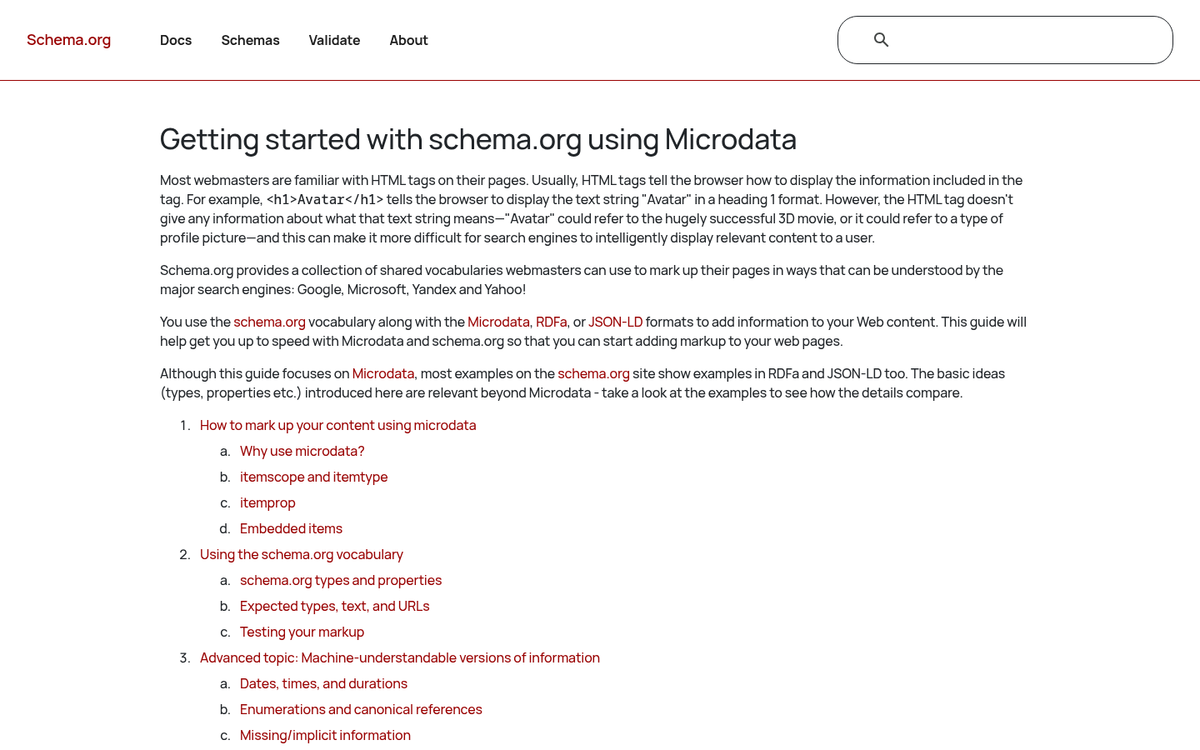
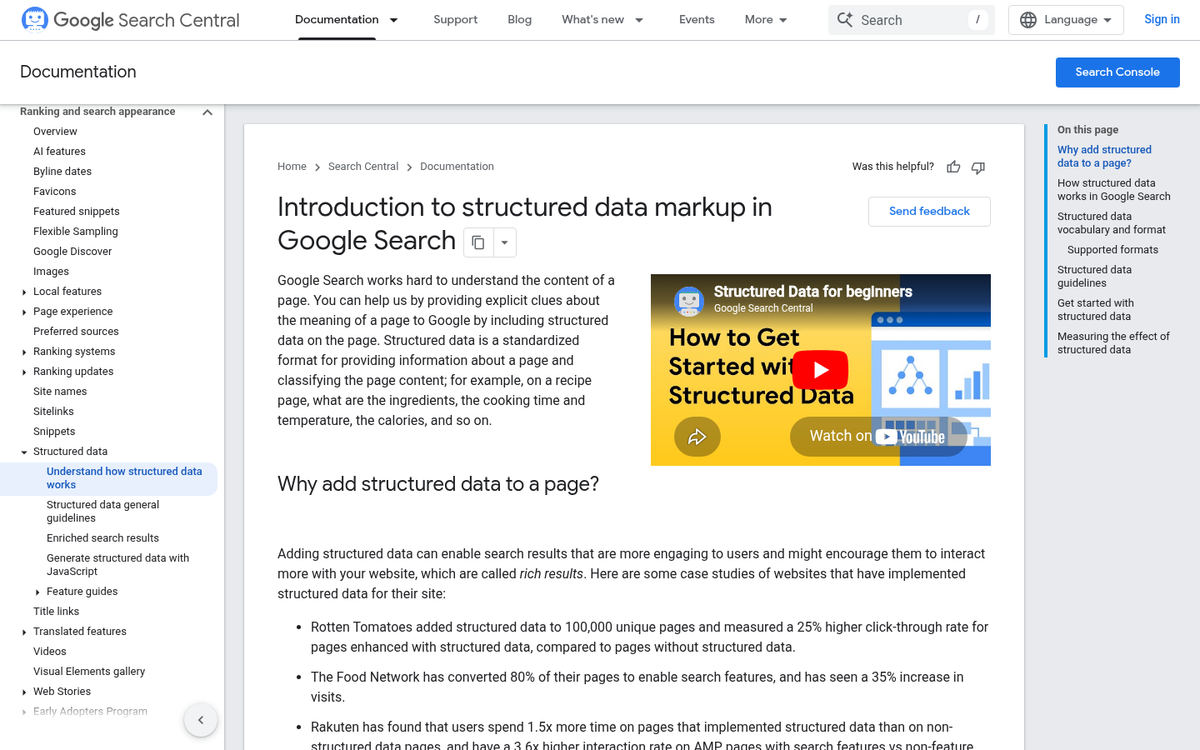
Structured data markup is the other big lever here. Schema.org markup lets you embed machine-readable tells directly into your page code, so AI systems don't have to guess what something is. You can mark up a person with their job title and employer, a business with its address and category, or a product with its brand and identifiers - this explicit labeling removes ambiguity in a way that plain text can't. If you're building this out on a WordPress site, it's also worth knowing how to install SSL on your blog to ensure your structured data is served securely.
It is also worth linking out to authoritative sources that mention known entities. A link to an organization's official site or a verified profile tells a model that you are referencing a known, established entity instead of an ambiguous name that happens to appear in your text.

Research into BERT-based models - the architecture behind modern AI tools - has shown as high as a 12% improvement in named entity recognition accuracy when structural tells like CRF weighting are combined with strong contextual writing. That finding points to something useful: structure and context work together, and you want both on your page.
One thing people underestimate is the importance of surrounding context. If you name a person, include their role or affiliation nearby. If you mention a place, add a region or country where it makes sense - this surrounding detail helps a model confirm what entity it's looking at and cuts back on the chance of a mismatch. The same principle applies when you build out a Squarespace blog or any other platform, since clear contextual writing benefits both readers and AI systems equally.
| Signal Type | What It Does | Example |
|---|---|---|
| Full proper names | Reduces ambiguity across the page | "Dr. Amara Osei" instead of "she" |
| Schema.org markup | Labels entities in machine-readable code | Person schema with jobTitle and worksFor |
| Authoritative links | Anchors an entity to a known source | Link to an organization's official domain |
| Contextual detail | Confirms the entity type for the model | "based in Toronto" next to a company name |
Where Entity Recognition Breaks Down and What That Costs You
Even well-trained systems get things wrong all the time. Research on CLUENER, one of the more respected named entity recognition datasets, found annotation errors in roughly 17% of cases; it's not a small number for a curated, built resource - so imagine when AI systems try to parse content that's vague, inconsistent, or missing context entirely.
The most common problem is ambiguity. If your business name is shared by another entity, or if you use different versions of it across your site, a system has no reliable way to build a confident association- it may latch onto the wrong entity or deprioritize your content when it can't resolve the match.
Inconsistent naming does damage here. Using "Dr. Sarah Chen," "Sarah Chen MD," and "Dr. Chen" interchangeably across your pages fragments what could be a strong, well-defined entity. Search and AI systems treat consistency as a signal of reliability, so when your own content contradicts itself, you lose ground you didn't need to lose.
Missing context is the other side of the same problem. An entity without attributes - no location, no category, no relationships to other known entities - is harder to place in a knowledge graph. If a system can't place it confidently, it won't use it to answer questions. That means your content gets read but not acted on.
The practical consequence is that you get left out of AI-generated answers. When someone asks a conversational question that your content should answer, the system needs to find the relevant entities and confirm they match the query. If your entities are fuzzy or unresolved, a competitor with cleaner content and a more identifiable presence will get cited instead.
There's also the problem of wrong associations, which can be harder to fix than no association at all. If a system links your brand name to the wrong industry, location, or person, that misread can persist across multiple places and data sources. Correcting it takes time and deliberate effort across your content.
The underlying challenge is that entity recognition is legitimately hard- even for refined systems working with clean data. When your content adds friction to that process, the cost is lost visibility - and you won't always know it's happening.
Make Your Entities Count Before the Algorithm Decides for You
The fundamentals are easy: use steady naming for the entities that matter to your content, do structured data where it makes sense, and write with specificity so AI engines can confidently find what your content is about. These aren't technical overhauls - they're disciplined habits that compound over time.
A good next step is to choose one or two of your most important pages and read them through a fresh lens. If an AI were scanning a page for the first time, it would need to know who, what, and where the content is about. Any uncertainty there is your starting point. Small, deliberate adjustments to how you present entities matter in how your content is understood - and ultimately, how it performs. If you're also thinking about ways to make a living from blogging, getting entity clarity right is one of the foundations worth building early.
FAQs
What is entity recognition in AI search?
Entity recognition is how AI systems identify and categorize real-world concepts like people, places, and organizations in your content. It helps answer engines like Google AI Overviews and ChatGPT map your content to known knowledge graph entries, determining whether your page gets cited in generated answers.
How does entity recognition affect Answer Engine Optimization?
Answer engines use entity recognition to decide if your content is a credible, relevant source worth pulling into a generated response. The more clearly your content references known entities, the more confidently an AI can match your page to user queries.
What entity types should my content include?
The most important entity types are persons, organizations, locations, dates, products, events, and concepts. Including these clearly helps AI engines understand multiple dimensions of your content, improving the likelihood it gets surfaced in direct answers.
How can I signal entities clearly to AI systems?
Use full proper names consistently, add Schema.org structured data markup, link to authoritative sources, and include contextual detail near each entity. These combined signals reduce ambiguity and help AI models confidently identify what your content is about.
What happens when entity recognition goes wrong?
Ambiguous or inconsistent entity naming can cause AI systems to misidentify your brand, skip your content entirely, or associate you with the wrong industry or location. This results in lost visibility in AI-generated answers, often without you realizing it.