




For website owners and content managers, NLG is not just a background technical process. It is the mechanism picking how AI answers are written, what sources get referenced, and whose content gets surfaced when a user asks a question instead of clicking through search results.
This matters for Answer Engine Optimization because AI systems don't retrieve and display your content the way traditional search engines do. They generate a response - and the quality and structure of your existing content directly influences whether your site's information gets woven into that generated answer or ignored entirely.
This entry breaks down what NLG is, how it works within modern AI answer engines, and what steps you can take to ensure your content is the kind that NLG systems find, trust, and use.
Quick Answer
Natural Language Generation (NLG) is a branch of artificial intelligence that focuses on automatically producing human-readable text from structured data or computational inputs. It enables systems to convert numbers, facts, or database information into coherent written language. NLG is used in applications like automated report writing, chatbots, weather forecasts, and financial summaries. It works through stages including content planning, sentence structuring, and surface realization to produce fluent, contextually appropriate text output.
How NLG Works Under the Hood
At its core, NLG takes raw information and turns it into sentences a person would actually want to read. The process happens in stages, and each one builds on the last - it works like a relay race where data gets passed along and shaped a little more at each handoff.
It starts with data input. The system receives something to work with - this could be a structured dataset, a database query, a user's typed question, or a set of facts pulled from a knowledge base. The input is the raw material, and the quality of what goes in has a direct effect on what comes out.
Next comes content planning, which is where the system decides what to say and in what order. Not every part of input data needs to show up in the output. The system has to figure out what's relevant, what to leave out, and how to sequence the remaining information so it reads logically - this stage is more like editorial judgment than pure math.
Then the system works with sentence structure - sometimes called surface realization. The chosen content gets turned into grammar, with words selected and arranged to form readable sentences. Modern large language models manage this with nuance, changing tone and phrasing to line up with the context of the request.
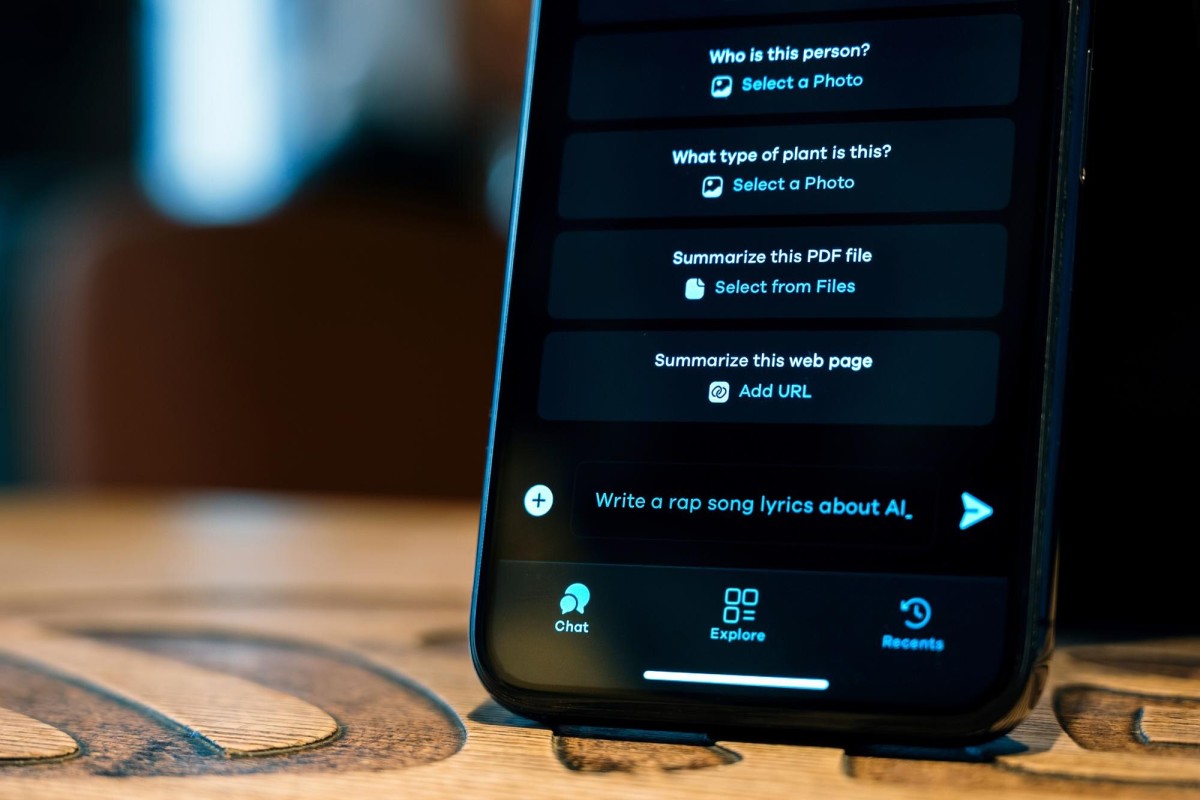
Finally, the output is delivered as finished text. At that point it's readable, and in some cases it's hard to tell it was generated by a machine at all. The whole sequence can happen in a fraction of a second.
| Stage | What Happens |
|---|---|
| Data Input | The system receives raw information to work from |
| Content Planning | Relevant facts are selected and put in order |
| Sentence Structure | Content is shaped into natural-sounding grammar |
| Output | Finished, readable text is delivered to the user |
Different NLG systems manage these stages differently. Older rule-based tools followed strict templates. But modern AI models learn from giant amounts of text and make probabilistic decisions at each step. The underlying strategy has changed quite a bit over time - even if the general pipeline looks similar on the surface. If you're sourcing written content to complement AI-generated work, it's worth reading our breakdown of Textbroker and article quality to understand how human writing holds up by comparison.
NLG's Role Inside AI Answer Engines
Google's AI Overviews, ChatGPT and Perplexity all use NLG to build the replies users see. The user types a question and the engine produces a written answer - not a list of links to click through. But a response that reads like it came from a person. That change in how answers get delivered is why website owners need to pay attention.
These engines don't repeat text they found somewhere. They pull ideas, facts and explanations from multiple sources and use NLG to stitch them into one coherent response. Your content might contribute a sentence, a statistic, or a core explanation without your full post ever being shown to the user.

Getting your content pulled into an AI-generated answer is not the same as ranking on page one of Google, and that matters for anyone who runs a website.
Some content gets used frequently as a source and some gets passed over entirely. The difference usually depends on how directly a piece of content addresses what is being asked. Vague or overly broad content tends to get skipped because the engine can't extract a clean, helpful answer from it.
| Answer Engine | How It Uses NLG Output | Source Attribution |
|---|---|---|
| Google AI Overviews | Generates a summary answer at the top of search results | Links to sources below the summary |
| ChatGPT (with browsing) | Produces conversational answers from live web content | Sometimes cites sources inline |
| Perplexity | Builds responses from multiple indexed sources in real time | Lists numbered sources alongside answers |
Each engine has its own way to present NLG output to the user. But they all share the same basic need - content that gives them something concrete to work with. Thin content, padded introductions and keyword-stuffed paragraphs don't give an engine much to pull from.
Content Signals That NLG Systems Favor
NLG-powered engines are selective about what they pull from. They lean toward content that's structured, factually grounded, and easy to parse at a sentence level. If your page buries its main point in long paragraphs or uses vague language, it's less likely to be surfaced in a generated response.
Factual density matters quite a bit here. Pages that pack verifiable information into tight, well-organized sections give NLG systems more to work with. A paragraph that answers one question cleanly will usually win out over a longer one that circles around the same idea without landing anywhere.
Semantic alignment matters as much as structure - it means using the same words your audience would use to search for something, instead of swapping in formal synonyms or industry jargon. NLG systems are trained to match intent, so the closer your language is to natural spoken questions, the better your content aligns with what those systems are built to find.
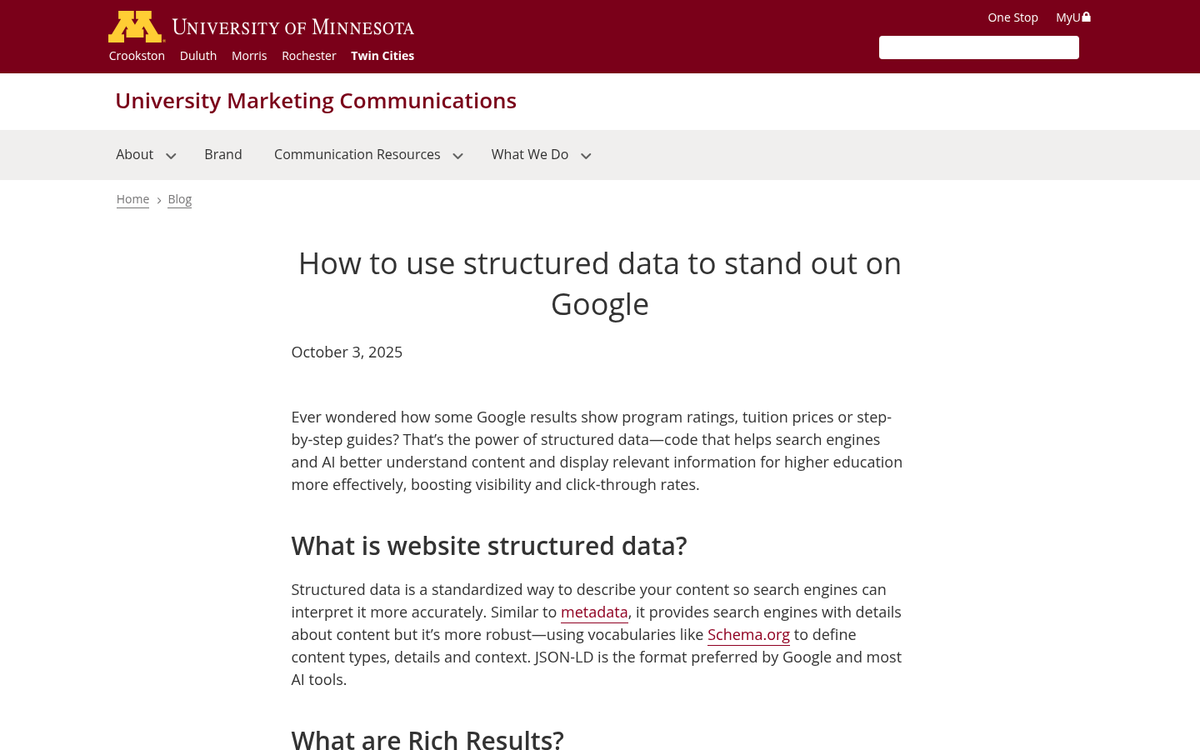
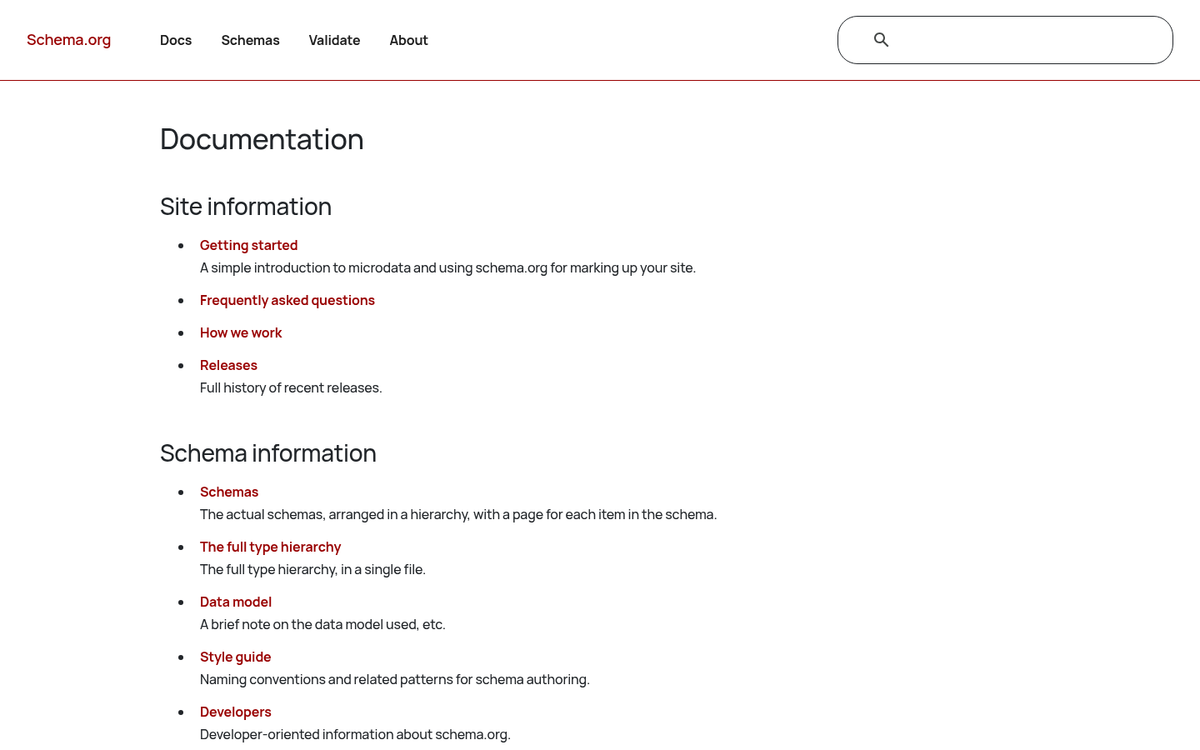
Schema markup is worth mentioning too. Adding structured data to your pages tells NLG systems what content they are looking at - a product, a FAQ, a how-to guide - it removes ambiguity and makes your content far easier to interpret accurately. If you're running WordPress, understanding how the editor works can help you implement these changes more efficiently.
| Content Trait | NLG Systems Favor | NLG Systems Tend to Skip |
|---|---|---|
| Answer structure | Direct answers near the top of the page | Long introductions before the main point |
| Language style | Plain, conversational phrasing | Jargon-heavy or overly formal writing |
| Factual content | Specific data, dates, and named details | General claims without supporting detail |
| Markup and metadata | Schema markup and semantic HTML | Untagged or poorly labeled content blocks |
One thing site owners forget is how much heading structure changes this. Descriptive H2s and H3s that mirror questions help NLG systems understand what each section is actually about.
None of this calls for a full content rebuild. Small changes - tightening your opening sentences, adding schema to key pages, and replacing vague phrases with specific ones - can move the needle in a meaningful way. If you're producing content at scale, working with reliable content sources makes it easier to maintain the consistency these systems reward.
Where NLG Is Already Changing Industries
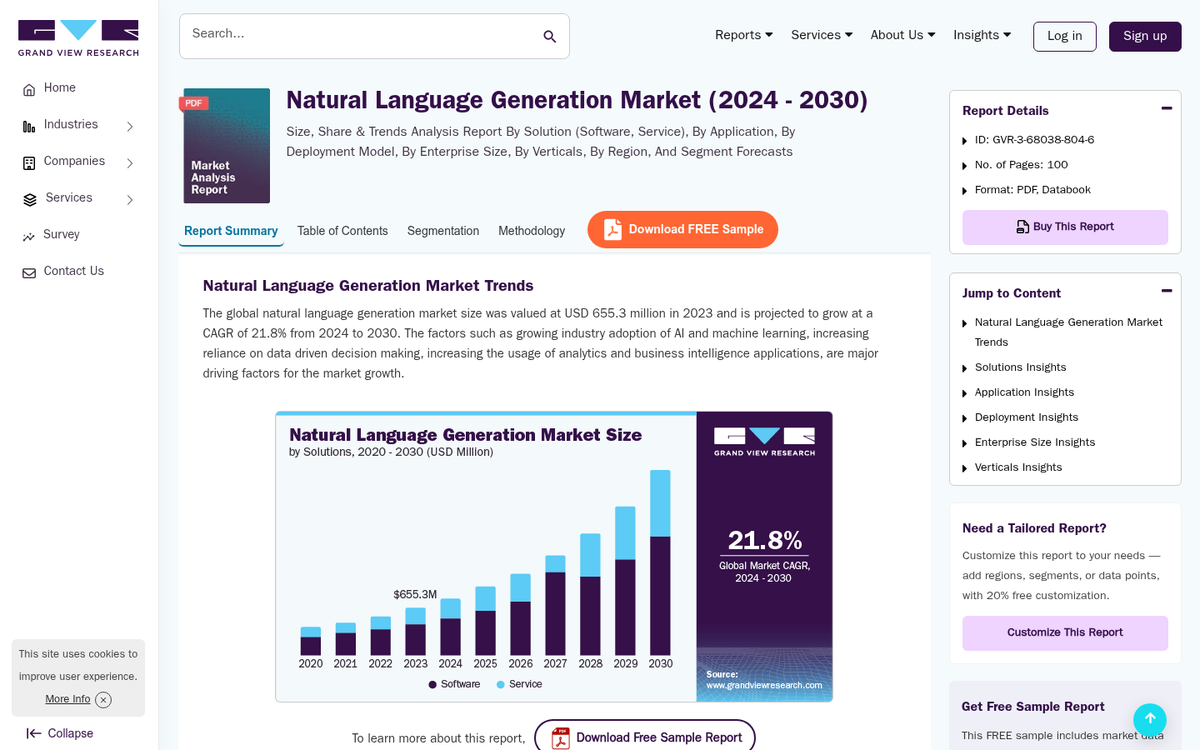
NLG isn't a future technology sitting in a lab somewhere - it's already in use across finance, media, e-commerce and customer support - and the numbers back that up. Grand View Research valued the NLG market at $655.3 million in 2023 and projects it to reach $2.5 billion by 2030.
The banking, financial services and insurance sector alone accounts for 21.8% of that market share. That makes sense given the volume of structured data these industries work with. Earnings reports, portfolio summaries and transaction records are the data NLG systems are built to turn into readable text at scale.
Media organizations have used NLG to produce sports recaps and financial news briefs for years. The Associated Press has been using automated systems to generate earnings reports since 2014, which freed up journalists to cover more tough stories. The content isn't glamorous. But it's accurate and it gets published fast.
E-commerce is another area where NLG has taken hold. Product descriptions, size guides and comparison content can all be generated from structured product data. For large catalogs with thousands of items, that's the difference between having no content and having something a user can read.
Customer support has also changed quite a bit. Many support chatbots use NLG to construct replies that don't feel like they were pulled from a static FAQ page. The system reads the user's input and generates a contextually relevant reply instead of matching keywords to pre-written answers.
| Industry | Common NLG Use Case |
|---|---|
| Finance | Earnings summaries, portfolio reports |
| Media | Sports recaps, automated news briefs |
| E-commerce | Product descriptions, catalog content |
| Customer Support | Dynamic chatbot responses |
What these sectors have in common is that they all work with large amounts of structured data and a need to turn that data into readable content at scale. NLG fills that gap in a way that manual writing can't match for volume. For website owners, that context is worth keeping in mind as you look at your own content setup.
Auditing Your Site for NLG Readiness
The best place to start is with your highest-traffic pages. These are the pages NLG systems are most likely to pull from, so they deserve the most attention as you review what you have.
The first thing to look at is whether your content is shaped like an answer. A lot of web pages are written to inform in a general sense. But NLG tools are looking for something more direct. If a user asks a question and your page dances around the answer for three paragraphs before getting to the point, that's worth fixing.
Go through your headings and ask yourself if they signal the content below them. Question-based headings like "How does X work?" or "What is the difference between X and Y?" make it much easier for automated systems to match your content to a user's query. Descriptive headings do the job too. But they need to be precise and not vague.
Next, look at how you manage data. Numbers, comparisons, and statistics buried inside long paragraphs are hard for NLG systems to process and use. Wherever you can, pull that information into a table or a labeled standalone sentence.
| What to Check | What to Look For |
|---|---|
| Page structure | Direct answers near the top of the page |
| Headings | Question-based or descriptive and specific |
| Data presentation | Tables or labeled sentences instead of buried stats |
| Sentence clarity | One idea per sentence where possible |
| Content intent | Written to answer, not just to inform broadly |
It also helps to remember intent at the page level. Think about what question a visitor would need to have in order to land on this page. If that can't be answered in one sentence, the page probably needs more focus. Our AEO readiness checklist can help you work through this evaluation systematically.
This self-evaluation doesn't need to be a giant project. Work through one section of your site at a time and flag pages that feel vague, buried in qualifications, or structured more like an essay than a response. Small structural changes can make a difference in how well your content works with NLG systems.
Make Your Content Work for the Machines Reading It
If the pace of change feels a bit stressful, that reaction is understandable. The community is moving fast. But NLG literacy is a skill you build incrementally, and even small improvements in how you think about your content can have a real impact on how AI systems represent your site. You are not starting from zero - you already know your audience, your subject matter, and what makes your content helpful. NLG knowledge helps you communicate that value in ways machines can find and reproduce accurately.
Consider three things you can act on:
- Audit one key page for clarity and structure. NLG systems favor content that is organized, specific, and free of ambiguity. If a page is vague or meandering, tighten it up.
- Add or refresh structured data on your most important content. Schema markup gives AI systems explicit, reliable signals rather than forcing them to guess.
- Write one piece of content that directly and completely answers a question your audience is actually asking. Comprehensive, well-sourced answers are exactly what NLG pipelines are designed to surface.
The sites that grow in an AI-first discovery environment will not necessarily be the biggest or the best-funded - they will be the ones built by people who took the time to know how these systems think. If you are still building your platform, there are many effective ways to promote a new WordPress blog while you develop these deeper content strategies. You are already on that path.
FAQs
What is Natural Language Generation (NLG)?
NLG is the process AI systems use to turn raw data and information into readable, human-sounding text. It works in stages: receiving data input, planning content, structuring sentences, and delivering finished output.
How do AI answer engines use NLG?
Engines like Google AI Overviews, ChatGPT, and Perplexity use NLG to generate written responses to user questions, pulling ideas from multiple sources and stitching them into one coherent answer rather than displaying a list of links.
What content signals do NLG systems favor?
NLG systems favor direct answers near the top of pages, plain conversational language, specific factual details, and schema markup. They tend to skip vague introductions, jargon-heavy writing, and unsupported general claims.
Which industries already use NLG at scale?
Finance, media, e-commerce, and customer support are the leading adopters. Common uses include earnings report summaries, automated sports recaps, product descriptions, and dynamic chatbot responses.
How can I audit my site for NLG readiness?
Start with high-traffic pages and check whether content answers questions directly, uses descriptive headings, presents data in tables, and is written to answer rather than inform broadly. Small structural changes can meaningfully improve how AI systems use your content.