Traffic trading is a simple concept with a complex execution. The idea is simple: I send you one visitor, you send me one visitor. We effectively combine our audiences on a 1:1 level until we no longer have visitors to exchange. If you have more traffic than I do, I need to get more visitors to send to you if I want a crack at their audience.
There are two ways to handle traffic trading: individually, or through an exchange. Traffic exchange networks are centralized sites where webmasters submit their sites and their traffic. By sending traffic into the exchange, the webmaster earns credits. They can then spend those credits on redeeming traffic to their site.
Some traffic exchanges operate on a 1:1 ratio, but most require that you send in more visitors than you get out. This allows the exchange to feed in their own sites and ads to generate revenue. They also often allow you to buy credits rather than earn them, though this is limited so there are always visitors in the exchange to pull from.
Traffic trading on an individual basis is simpler to manage but potentially harder to enforce. It becomes a one-on-one deal between you and another site. Both sides implement a script for traffic trading and then find some way of referring traffic between each other. You might use links in blog posts, pop-up ads, pop-unders, or sidebar ads.
The traffic trader script monitors the traffic you send out and records the visitors going to another site with the script implemented. It notifies that site, and that site is expected to send visitors back.
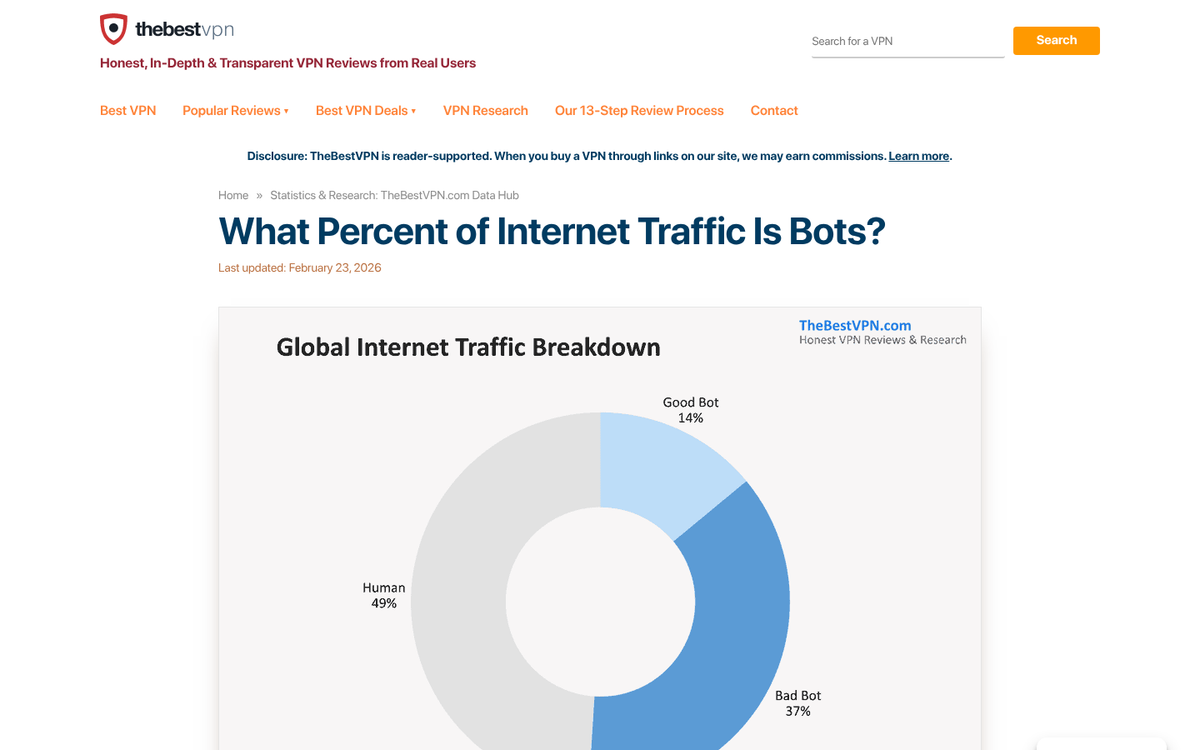
As you can guess, this gets messy fast. In 2026, with bots now accounting for nearly 50% of all internet traffic according to Imperva's latest data, the odds of a trading script accurately distinguishing legitimate visitors from automated ones are slim. If you send traffic in a way the script can't monitor, the other site has no obligation to send traffic back. Recording is unreliable. Quality is unverifiable. This is why exchanges exist in the first place - they're meant to act as a third-party regulating the quality of sites and traffic within the network. Whether they actually succeed at that is another question entirely.
Key Takeaways
- Traffic trading works by exchanging visitors 1:1 directly or through credit-based exchange networks that often require sending more than you receive.
- Bots now account for nearly 50% of internet traffic, making quality verification in traffic exchanges nearly impossible.
- Traffic exchanges are associated with black hat webspam, and Google actively monitors for artificial traffic signals, risking permanent ad account bans.
- Exchanges are dominated by gambling and adult sites, creating audience mismatch and potential SEO damage for unrelated websites.
- Limited legitimate use cases exist, including niche-relevant sites and high-CPC industries, but modern alternatives like SEO and content marketing are far more justifiable.
Flaw #1: Traffic Quality
Traffic exchanges and traffic trading have a few major flaws. The first and perhaps most important is traffic quality, and it has only gotten worse over time.
On a one-to-one trading basis, it's hard to keep track of the quality of the traffic you receive. You might be getting bots, you might be getting legitimate visitors, or you might be getting a mix of the two. Almost no one recommends one-to-one trading for exactly this reason.
For exchanges, you have the same problem at scale. Because everything runs on a credit system, webmasters will try whatever they can to "earn" credits without actually earning them. This includes auto-viewers and bot traffic, which is now easier and cheaper to generate than ever. Fake bot traffic is estimated to cost the digital ad industry up to $42 billion annually, and traffic exchanges are one of the environments where that fraud thrives.
The math here is brutal. If bots already make up roughly half of all internet traffic in general, imagine what that percentage looks like inside a poorly moderated traffic exchange. Garbage in, garbage out. Anyone who tries to cash out of a bot-polluted exchange may think they're gaming the system, but the traffic they receive is the same low-quality junk they put in, just arriving from a different source. At that point, they might as well point a traffic bot directly at their own site for all the good it does.
Flaw #2: Perceived Legitimacy
Another problem with traffic trading is legitimacy. For well over a decade now, traffic exchanges have largely been associated with black hat webspam. Any exchange that manages to attract real, quality traffic also attracts spammers looking to feed bad traffic in and pull good traffic out.
Simply by using a traffic exchange, you're placing yourself in the same category as those spammers. Even if your site is excellent and the traffic you send is genuine, you're still operating in a space defined by bad actors. There's an issue of perception here. If someone calls you out for using a traffic exchange, it raises questions: if they're using one questionable technique, what else are they doing?
In 2026, with Google's algorithms more sophisticated than ever and manual review teams actively looking for artificial traffic signals, association with known exchange networks is a liability you genuinely don't need.
Flaw #3: Common Industries
Speaking of running with the wrong crowd, that's another persistent problem with traffic exchanges. The sites most likely to participate are gambling sites and adult sites. This creates two distinct problems.
First, it puts your site in bad company. Receiving significant traffic or link signals from gambling and adult properties can hurt your SEO and confuse your audience. People who see your site advertised in those environments will reasonably wonder why you're there.
Second, there's the traffic quality issue again. Visitors clicking links from an adult or gambling site are probably not the visitors you want, unless you're operating in those same niches. The intent doesn't match, and intent mismatch is conversion death.
Is It Worth It?
All of that said, traffic exchanges aren't completely without use cases. I've been hard on them throughout this post, but a few legitimate scenarios do exist.
- Sites that already operate within the niches traffic exchanges tend to serve - gambling, adult content, and similar - may find relevant audiences there. There's nothing inherently wrong with being a legitimate webmaster in those spaces, provided everything is legal.
- A small number of exchanges enforce strict quality standards on the traffic entering the system. These tend to be exclusive and harder to access, but if you find one that actually vets its participants, the traffic can be worth pursuing.
- Visitors from traffic exchanges rarely hang around. If you're going to use an exchange at all, send that traffic to a dedicated landing page built to convert quickly. Your homepage or a standard blog post will not cut it.
- In high-competition industries where CPCs regularly exceed $50 per click - legal services, insurance, SaaS - some webmasters explore exchanges as a lower-cost alternative to paid search. The math rarely works out in their favor once you account for quality, but it's worth understanding why they try.
One important note: Google AdSense and most other major ad networks explicitly prohibit traffic exchanges. Google is well aware of the reputation and traffic quality associated with these networks and actively monitors for signs that publishers are using them to generate artificial impressions or clicks. Getting caught is a fast way to lose your account permanently.
In 2026, with better-than-ever alternatives available - content marketing, social media SEO, paid acquisition with real targeting, creator partnerships - traffic exchanges are harder to justify than they've ever been. They're not dead, but they're firmly in the category of last resort.