





Hostgator is one of the larger web hosts available for personal and commercial website hosting, and as such they want to maintain their dominance as much as possible. To this end, they work with a legion of affiliates to get people referred to their service. It's simple as far as affiliate marketing goes; you sign up and they give you a link. You send people along that link, they track signups and verify them, and once they're all verified, they pay you.
The big question is, how much do they pay? Are there restrictions on those payments? Are they known for not paying, or failing to verify referrals? I'll dig into these questions so you don't have to.
Key Takeaways
- HostGator pays $65-$125 per sale, with higher tiers applying retroactively to all signups that month.
- Payments arrive approximately two months and ten days after the referral month, with a $100 minimum payout threshold.
- The 60-day cookie window means purchases made after day 61 earn no commission for the affiliate.
- HostGator is not considered a scam; verification delays cause confusion, but legitimate referrals do get paid.
- Creating helpful setup content improves referral quality, since conversions only count after customers upload files to their server.
How Much Do They Pay?
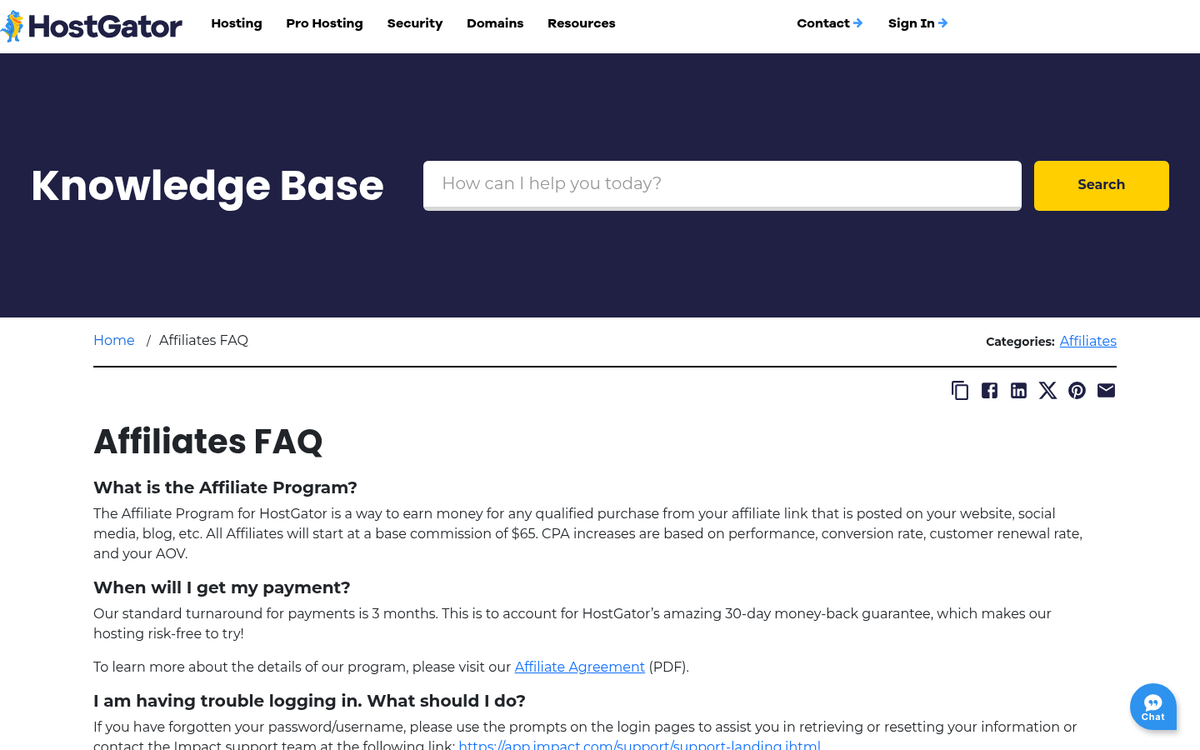
Hostgator is one of the better paying affiliate programs in the web hosting space. All affiliates start at a base commission of $65 per sale, and can earn up to $125 per sale through performance-based tiers. Here's the breakdown:
- 1-5 signups in a given month = $65 per signup.
- 6-10 signups in a given month = $75 per signup.
- 11-20 signups in a given month = $100 per signup.
- 21 or more signups in a given month = $125 per signup.
$125 is the maximum per sale, and the higher tier rate applies to all signups in that month - not just the ones above the threshold. So if you refer six people, that's 6x$75, or $450 in earnings for that month, not a mix of five at $65 and one at $75.
The commission rate sits at around 70% on most hosting products, including Shared, VPS, and Dedicated Hosting. The cookie duration is 60 days, meaning you earn a commission on any sale that happens within 60 days of the initial click through your link. That's a generous window compared to many affiliate programs.
Applications are typically approved within 48 hours of submission, so getting started is relatively painless.
When Do They Pay?
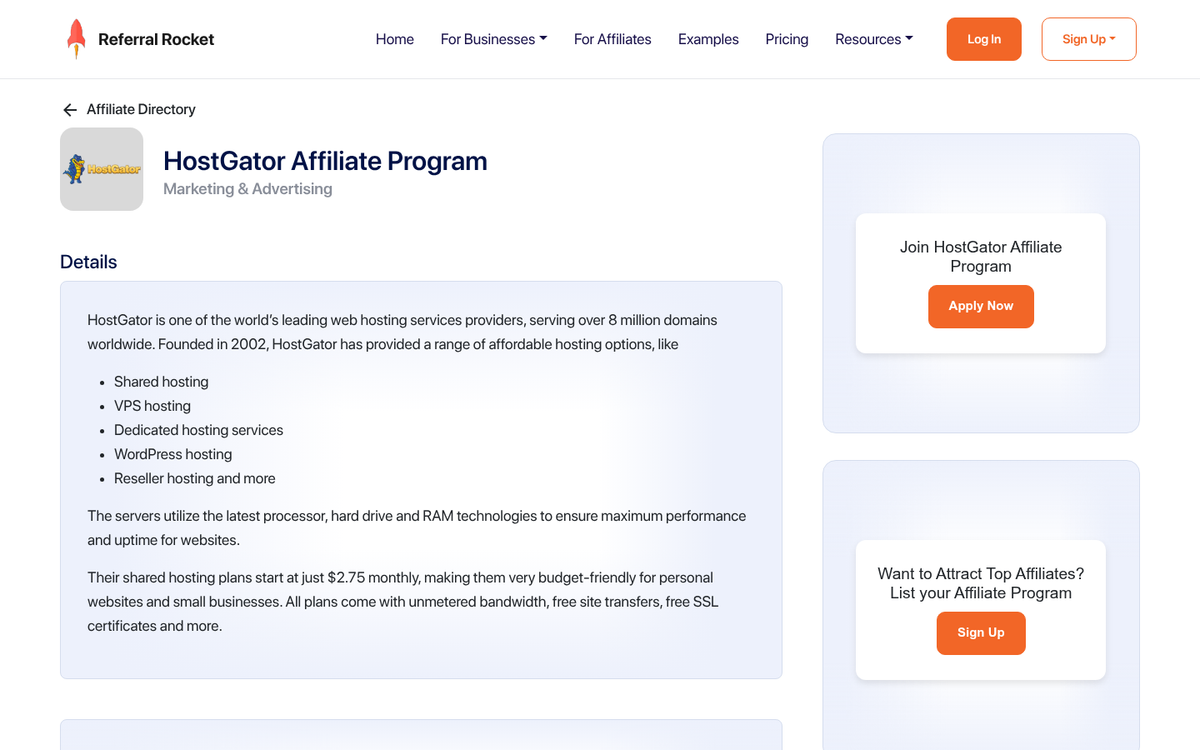
Hostgator puts a lot of time and effort into verification of their affiliate referrals. They verify the information of people signing up, and it needs to be a real paid web hosting package - free trials don't count. The commission applies regardless of which plan the customer chooses, from the cheapest shared hosting to a dedicated server.
You can read more about their verification and payment timing here, but here's the short version.
Payout turnaround is approximately 2 months plus 10 days after the month in which the sale occurred. For example, if you refer three people in January, those commissions would clear and be paid out around mid-April. This gives Hostgator time to confirm that the customer isn't signing up and immediately cancelling, and to verify that your affiliate account is in good standing.
In addition to verifying that the account is real, Hostgator also verifies that the account is paid up, and that your affiliate account is legitimate. They don't want to pay out to affiliate scammers, so they keep an eye on your account.
There is a minimum payout threshold of $100, via PayPal or bank transfer. Since the base commission is $65 per sale, you only need two verified referrals to clear that threshold.
However, this delay can catch new affiliates off guard. Let's look at a sample calendar:
- January you refer one commission.
- February you refer three commissions.
- March you refer seven commissions.
- Mid-April, your January commission clears. At $65, you don't yet meet the $100 minimum, so payment is held. Your three February commissions also clear around the same time, adding $195 to your pending balance. You receive a payment of $260 covering both January and February.
- Mid-May, your seven March commissions clear. At seven signups, you hit the $75 tier, so that's $525 paid out.
The pattern continues from there, with payments arriving roughly two months and ten days after each month's referrals. Once you're past that initial ramp-up period, payments become predictable and consistent.
Ideally, you will have a solid working relationship with Hostgator, and both sides trust each other. The delay is what trips people up early on. You start referring people in January but don't see your first payment until mid-April. A lot of affiliates assume something is wrong and bail on the program too early. Stick with it.
How Do They Pay?
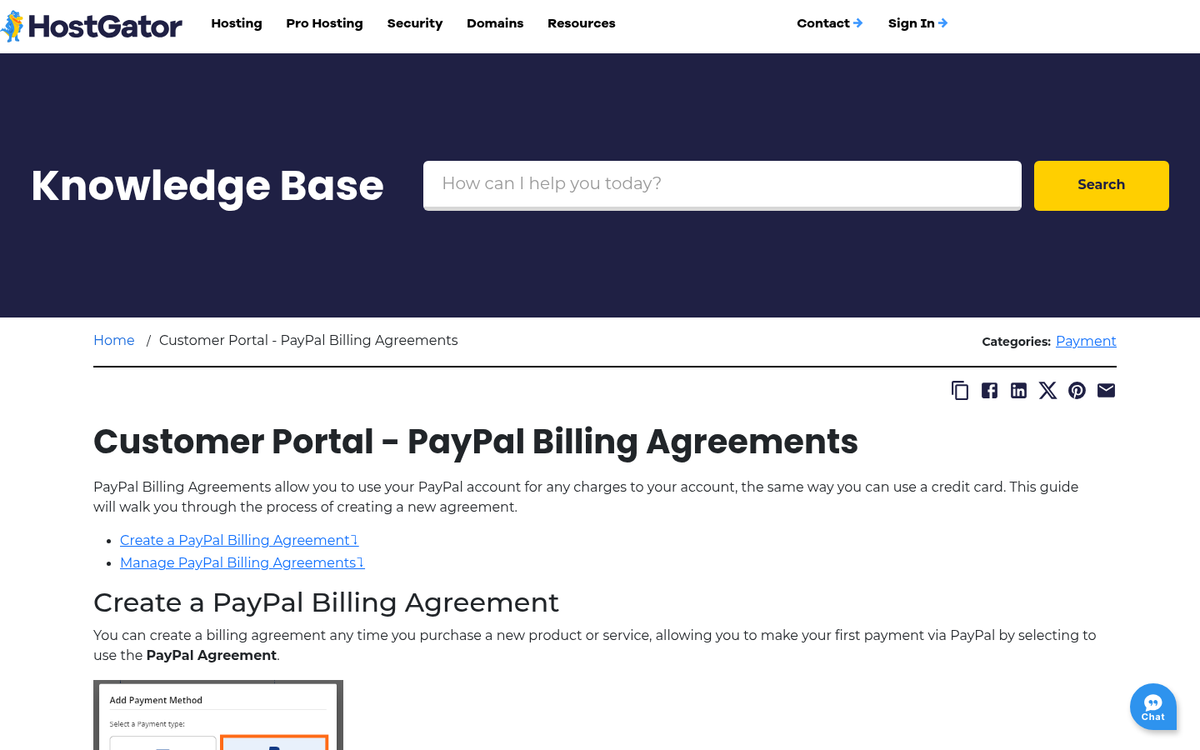
When you're finally paid, Hostgator supports two payment methods: PayPal and bank transfer (direct deposit). This is an improvement over older arrangements that relied solely on checks or PayPal. There's no option to convert your affiliate balance directly into hosting credit, so if you want to pay for your own Hostgator account with affiliate earnings, you'd need to receive the payment first and then use it separately.
Do They Have a Reputation for Skimming?
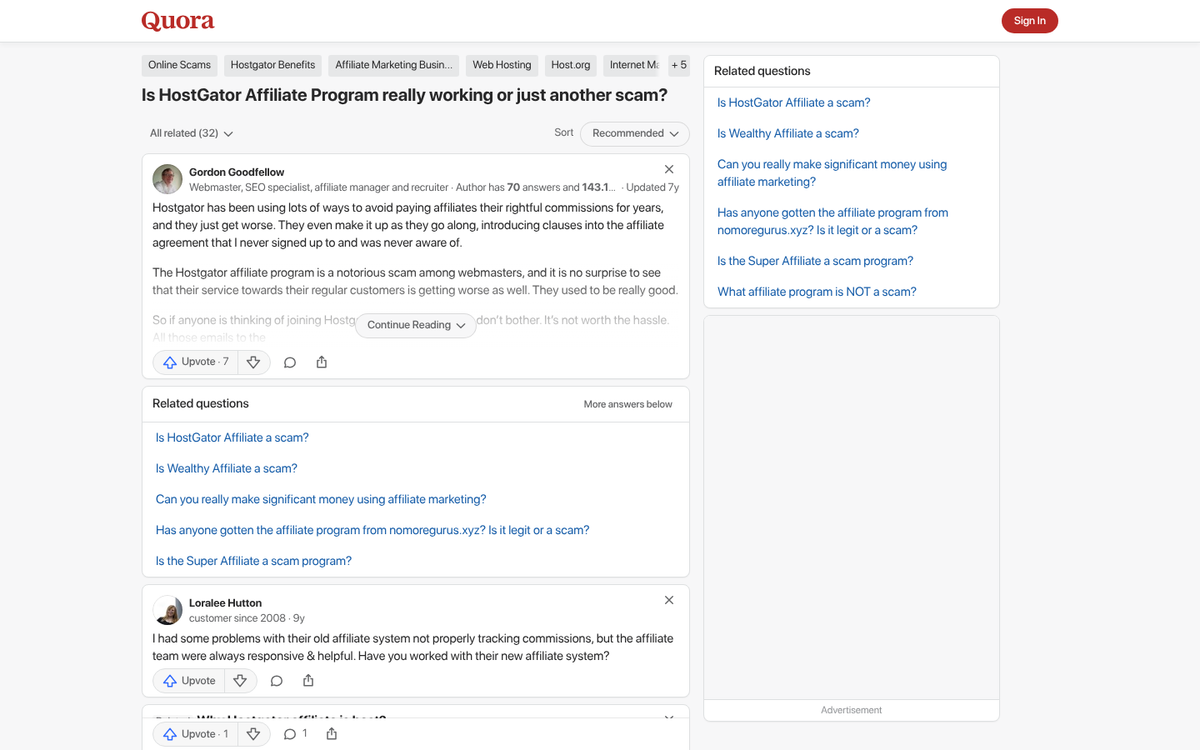
One factor worth addressing is the long delay in verification and reporting for tracked referrals. Hostgator has lost no small number of affiliate marketers due to this delay, and it has caused quite a bit of controversy over the years. Complaints tend to follow a familiar pattern - someone refers people in their first month, hears nothing for two months, and assumes they've been scammed.
So, is Hostgator shady?
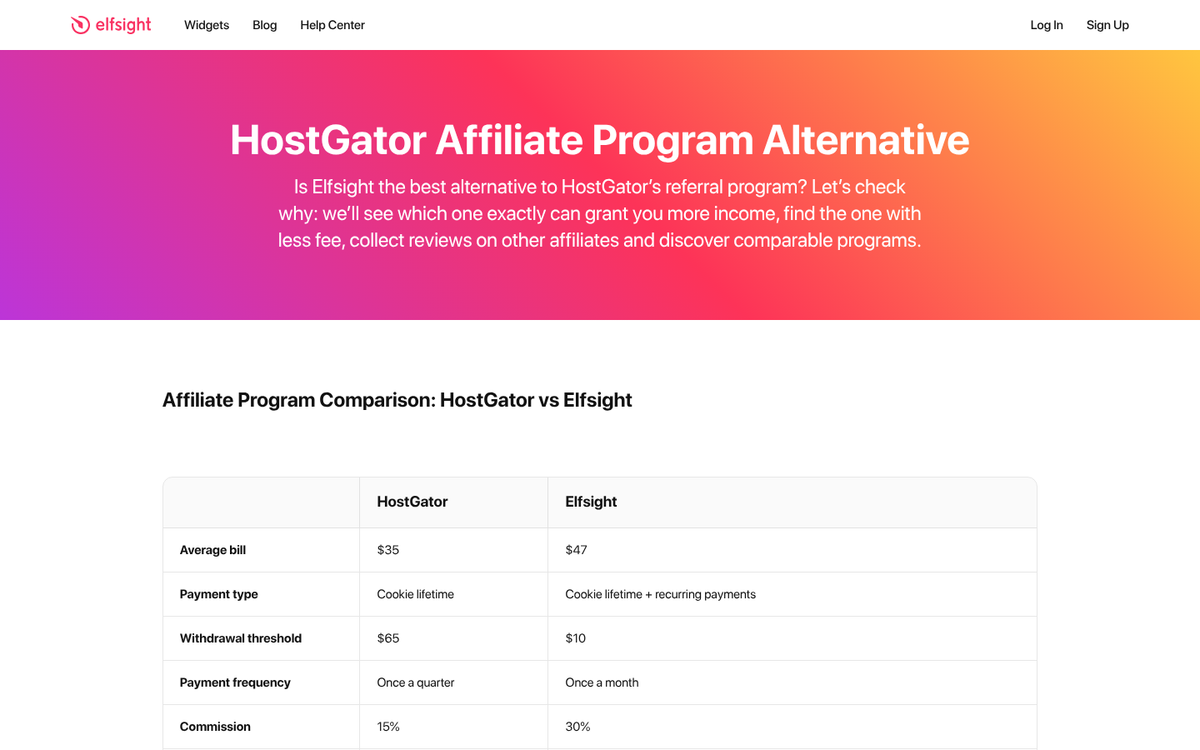
They're not a scam. No pure scam operation could last this long, and the affiliate program has paid out significant earnings to countless marketers over the years. Prominent bloggers in the hosting review space have reported tens of thousands of dollars in lifetime earnings from the program. People do get paid.
The issue most people run into is referral verification, and it happens with all affiliate programs across all products. Hostgator's long verification window exists specifically to weed out fraudulent signups - bots, fake accounts, people who sign up and immediately request a refund, and so on.
Think of it this way: if I refer 10 people and 3 of them are using fake identities or cancelled within the first week, I shouldn't be paid for those. The verification process is what separates real customers from noise. Reporting only shows verified referrals, so a drop from 10 to 7 isn't necessarily skimming - it's filtering.
Skimming is different, and it would look like this: I refer 10 people, I personally know 8 of them are real, legitimate customers who paid and set up accounts - and the report comes back showing only 6. That's two real customers who were dropped, and that's a problem.
In practice, some legitimate referrals do get caught in filters unintentionally. A customer browsing through a VPN might look like bot traffic. Someone sharing an IP with a flagged address might get filtered out. A customer who pays, uses the service for a month, and then cancels might not count toward your commissions depending on timing.
There's also a 60-day cookie window to keep in mind. If someone clicks your link but doesn't purchase until day 61, that commission is lost. Make sure your content is driving timely action, not just general awareness.
The Hostgator affiliate team has a reasonable reputation for re-reviewing flagged accounts and correcting errors when they're brought to their attention. If you believe you're missing legitimate referrals, it's worth reaching out directly rather than assuming the worst.
At the end of the day, I don't believe Hostgator is systematically skimming referrals. Their system has a long delay, a lot of moving parts, and that creates friction - but friction isn't fraud.
If you want an extra layer of accountability, you can join the program through a third-party affiliate network like Impact, which provides independent tracking and an additional layer of transparency over what's being counted and credited.
Important Elements of the Terms of Service
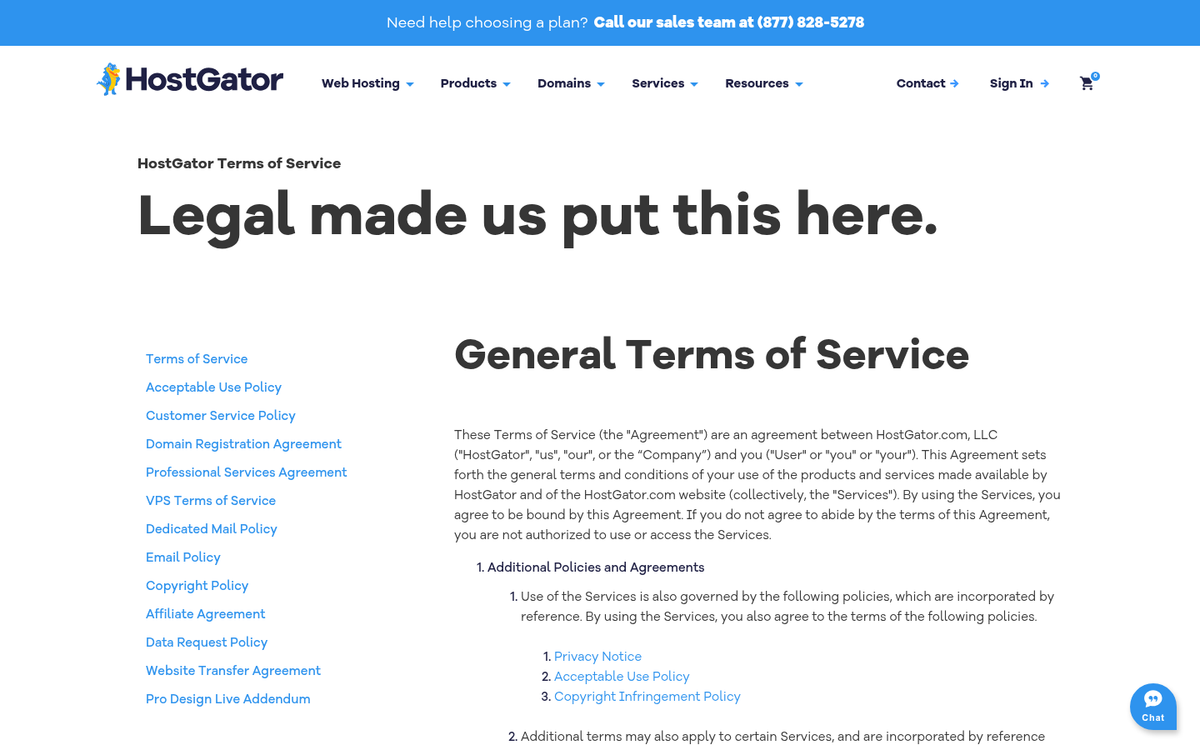
As an affiliate, you obviously want to avoid doing anything that can void your account, and that includes breaking their terms of service. You can read the full document here, but I'll summarize the key points.
- Your site is not eligible for the program if it contains unlawful, defamatory, obscene, or otherwise objectionable content. You also cannot promote a "business-opportunity program."
- Your account can be banned if Hostgator finds your links embedded in spam content, including spam email or bulk unsolicited messaging.
- You cannot incentivize commissions, such as offering prizes or rewards to anyone who signs up through your link.
- Per both FTC guidelines and Hostgator's own rules, you must clearly disclose affiliate relationships.
- You cannot use pop-ups, pop-unders, or iframes for your affiliate link.
- You can use PPC ads to drive traffic to your site, but you cannot use your affiliate link as a direct landing page, and you cannot bid on Hostgator-branded keywords as outlined in the TOS.
Tips for Making More with Hostgator
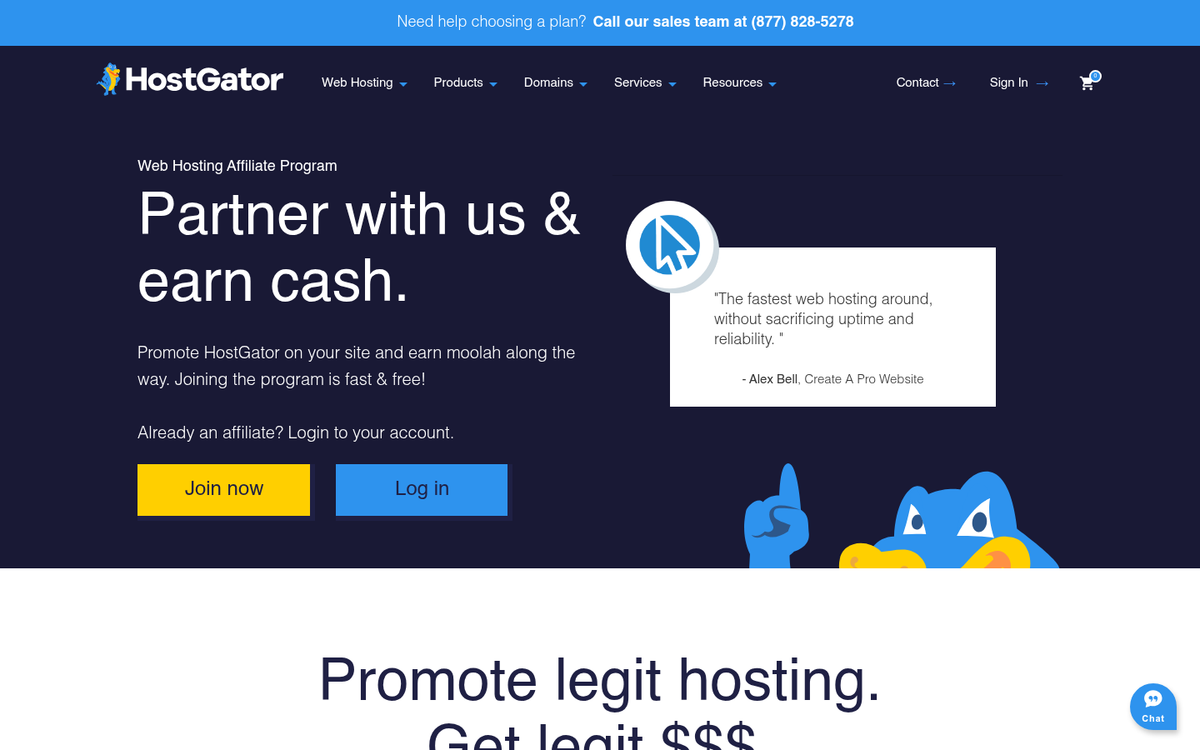
If, after all of this, you want to dig into Hostgator affiliate marketing - great. You can make quite a bit of money here. There's no cap on total earnings, the base commission starts at $65 per sale, and top affiliates are pulling in $125 per sale once volume picks up.
One of the best things you can do is create genuinely helpful content around setting up a website. Beginner guides, step-by-step tutorials, comparison posts - it's a lot of work, but there's a practical reason it matters beyond just traffic. Hostgator only counts a conversion as valid once the customer has paid and actually uploaded files to a server. If someone buys an account and never sets anything up, that referral may remain stuck in a pending state indefinitely.
If your content helps people get their sites up and running, it directly improves your conversion quality, not just your conversion volume. That means more verified referrals and more money in your pocket. Adding supplementary content around themes, plugins, domain setup, and site builders can all feed into this - and many of those tools have their own affiliate programs you can layer on top.
Keep in mind that the average conversion rate for hosting affiliate programs sits around 1-3%, so traffic volume matters. Whether you're driving organic search traffic or running paid ads, you need enough eyeballs to make the math work. Focus on high-intent keywords - people actively looking for hosting recommendations, comparisons, or reviews are far more likely to convert than general how-to traffic.
Hostgator also provides graphical banners and other creative assets. You can find them here. Test whether they improve performance on your specific site - results vary a lot depending on audience and context.
Beyond the Hostgator-specific stuff, the fundamentals apply: build a high quality site, create content that actually helps people, earn their trust, and guide them toward a purchasing decision. Be transparent about your affiliate relationship - your readers will respect it, and it keeps you on the right side of both Hostgator's TOS and FTC guidelines.



1 response
Thoughtful replies only - we moderate for spam, AI slop, and off-topic rants.
Great information here, James. I signed up with Hostgator as an affiliate but after reading the ShoutMeLoud article, I backed off. Now that you've added more details to the program, I think I'll sprinkle a link or two around my site. I also like the idea of providing visitors with help in setting up a website. Thanks! Alanna