Key Takeaways
- Topical coverage is now the strongest on-page ranking signal; Google rewards depth over mechanical keyword repetition.
- A 1-2% keyword density is a reasonable guardrail, but not a target to engineer content around.
- Each page should target one primary keyword plus 3-15 secondary keywords; multiple primaries dilutes focus and risks cannibalization.
- Semantic search means Google understands intent and synonyms, so writing naturally for people outperforms exact-match keyword stuffing.
- Effective keyword selection involves brainstorming, research tools, and evaluating search volume, competition, and intent before creating content.
The Past

In the past, keywords were the basis of everything to do with SEO; keywords and links were two sides of the same coin. If you wanted a site to rank, you needed keywords, regardless of how they were used or what the quality of the content may have been.
This was because of the way Google worked. All it did, content-wise, was shred a web page to pull potential search terms. In its relative infancy, Google didn't have qualitative judgments embedded in the algorithm. It just figured that the more times you used a keyword, the better the content would have to be relating to that keyword, so it ranked you higher.
The usage of keywords evolved with the back-and-forth of Google and black hats. Black hats would embed keywords in the code where only Google could see it; Google decided that was spammy and made it no longer work. Spammers hid keywords with background colors, Google analyzed colors and demoted sites abusing them. Spammers threw keywords in at a high density, Google demoted content with excessive keyword stuffing.
The Present
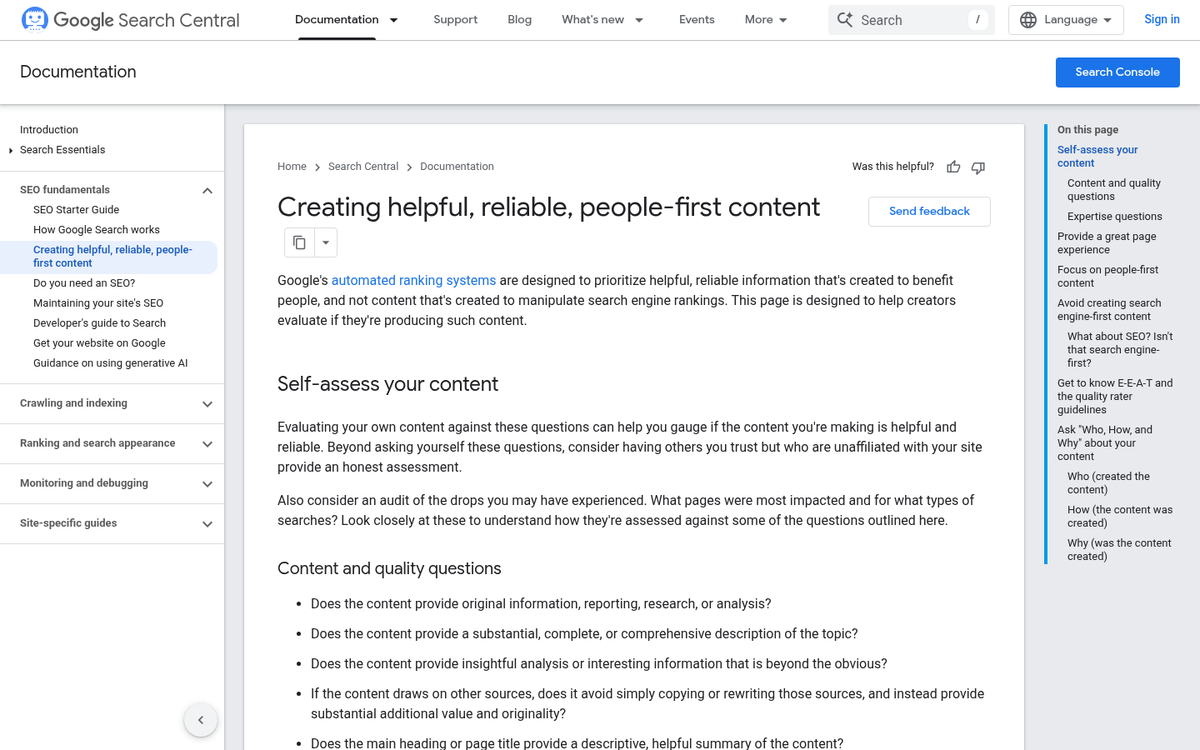
Today, Google has evolved to have significant qualitative judgment capability. It can look at a piece of content and know with reasonable certainty whether that content is good, mediocre, bad, or spam. It uses dozens of factors, ranging from length and formatting to links and topical depth - with keyword analysis being just one piece of that puzzle.
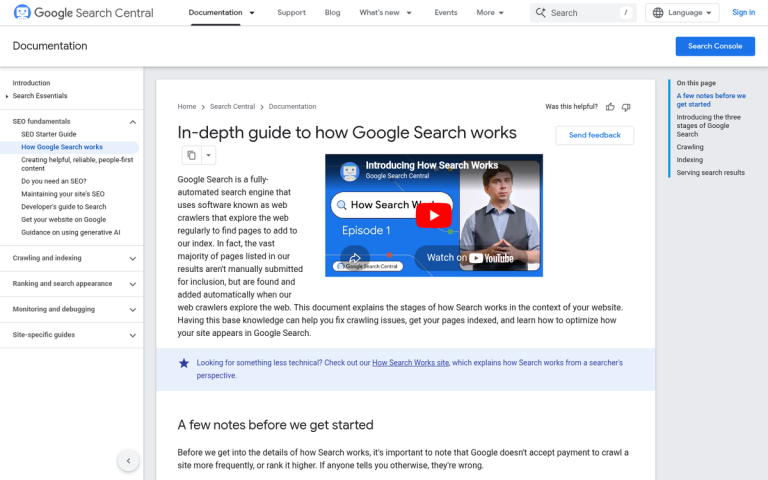
Research analyzing over one million SERP results has found that topical coverage is now the strongest on-page signal tied to rankings. This means Google rewards content that thoroughly covers a subject, not content that mechanically repeats a phrase. Over 50% of search queries on Google carry informational intent, which reinforces why depth and relevance matter more than keyword frequency.
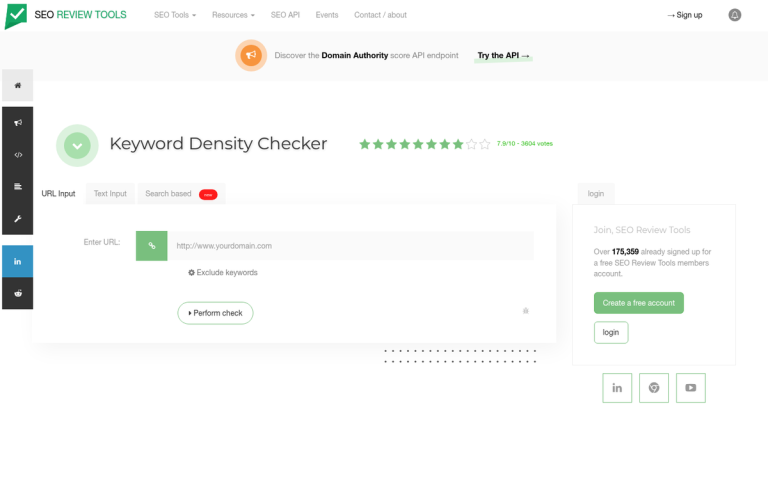
Modern keyword analysis involves more than just using a given keyword a certain number of times. That said, keyword density isn't entirely irrelevant in 2026 - it's just not something to obsess over. A reasonable benchmark is a 1-2% keyword density for your primary keyword, meaning roughly 10-20 appearances per 1,000 words. That's a guardrail to avoid both under-use and over-stuffing, not a target to engineer your content around.
An ideal page typically uses 1 primary keyword and 3-15 secondary keywords that support the topical context. You don't measure these obsessively; you write naturally and then do a quick check on your keyword rankings to make sure nothing looks forced or thin.
The Future

Keywords are always going to matter, but the way Google interprets them continues to evolve. Semantic search is no longer a future concept - it's the present. Google's systems extract meaning and intent from content rather than simply matching strings of text. When you write about a topic thoroughly and naturally, Google understands what you're covering without needing exact-match repetition scattered throughout every paragraph.
To use an example, imagine the conversational query "cheap pizza in Chicago." A keyword-only approach might try to cram those exact words into every section. But Google's semantic understanding recognizes that "cheap" signals price sensitivity, Chicago is a location, and the query is really asking: "where can I find affordable pizza near Chicago?" It will surface results that answer that question directly, even if they use words like "budget-friendly" or reference neighborhoods without ever naming Chicago explicitly.
The practical takeaway: write for people, structure for Google. Comprehensive topical coverage, natural language, and smart placement will outperform any keyword density formula.
Properly Using Keywords

So how, in modern SEO, do you pick and use keywords? The most important thing to keep in mind is that a keyword is a topic, not a magic phrase. It guides your content; it doesn't substitute for it.
For placement, your primary keyword should appear in your H1 title, your meta title, your meta description, and naturally within your content. Supporting or secondary keywords work best when woven into subheadings, image alt text, and body copy in ways that feel organic rather than forced.
Google identifies your primary keyword largely through your meta usage and title, then evaluates how well the rest of your content supports and expands on that topic. A post that covers a subject from multiple angles - addressing related questions, using synonymous terms, and linking to relevant supporting content - will outrank a post that simply repeats the same phrase over and over.
You should also only target one primary keyword per piece of content. Trying to rank for multiple primary keywords in a single post dilutes your focus and makes it harder to rank well for any of them. Similarly, targeting the same keyword across multiple pages on your site creates keyword cannibalization, where your own pages compete against each other and weaken your overall rankings.
Picking Keywords
Alright, enough dilly-dallying. How do you actually go about picking the right keywords for your site?
1. First, get clear on your business, your audience, and the topics you plan to cover. Everything starts here.
2. Brainstorm keyword ideas. Think about what phrases you, a customer, or a first-time visitor might type into Google when looking for what you offer. Go specific rather than broad - "red Air Jordans size 10" will serve you better than just "shoes."
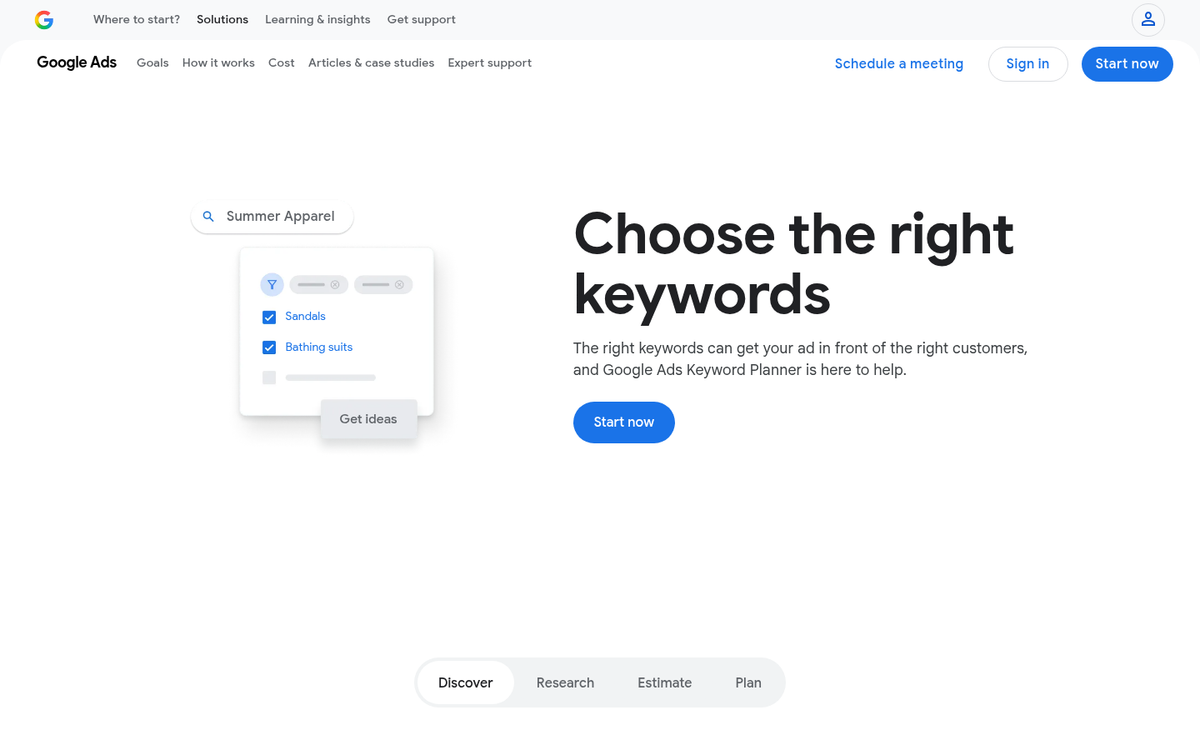
3. Plug those ideas into a keyword research tool. Google Keyword Planner remains a solid free option. Ubersuggest offers up to 40 free searches per day and is useful for surfacing related keyword ideas. Google Trends is worth using alongside these tools to understand seasonal patterns and whether interest in a keyword is growing or declining.
4. Evaluate what you find. Look at search volume, competition level, and keyword intent. A keyword with massive volume but brutal competition may not be worth targeting if you're a newer site. A lower-volume keyword with clear informational intent and manageable competition can be a much smarter entry point.
5. Use your chosen keyword as the foundation for a piece of content. Build around it with related subtopics, common questions, and supporting detail. Remember: the #1 result in Google captures roughly 27.6% of all clicks, and the top five results account for 69.1% of all clicks - so ranking well genuinely matters, and topical depth is one of your best tools for getting there.
6. Repeat. Every piece of content is an opportunity to target a keyword and build your site's overall topical authority.
Keyword research is still more art than science. You need a mix of intuition, creativity, and data literacy to make good decisions. With practice, you develop a feel for when a keyword is worth pursuing and when it isn't - and that judgment is ultimately what separates content that ranks from content that sits unread.