Key Takeaways
- Competitor backlink analysis is a legitimate SEO strategy; 82% of SEOs already use tools like Ahrefs and Semrush for this.
- Pull competitors' backlink profiles to identify high-quality sites linking to them but not you, then earn those same links.
- Find broken or outdated competitor links, create better replacement content, and pitch site owners to swap the link to yours.
- Analyze competitor ad copy using effectiveness tools to improve your own headlines, copy, and landing pages.
- Protect yourself by excluding competitor IPs from Google Ads or showing them different ad variations to obscure your strategy.
With all the fear about black hat strategies involved in SEO and link building, it's amazing how skewed the viewpoint becomes. Approaching a legitimate blog and saying "Hey, I'll pay you $10 for a link on your site," is a black hat technique and can hurt you if it's discovered. Using spy tools to figure out where your competitors are building links, and then sneaking under their radar and building your own links in those same locations, is not a black hat technique. As long as you aren't artificially gaming the search engine algorithm - that is, as long as your links are earned in those locations - you're perfectly in the clear. It's just competitive analysis and monitoring, that's all.

According to Aira, 54% of businesses already generate links through competitor analysis and link targeting, and 82% of SEOs rely on backlink analysis tools like Ahrefs and Semrush for understanding competitors' link profiles. If you're not doing this yet, you're leaving a significant advantage on the table.
How can you build links by watching your competition? It's surprisingly easy. The first thing you need is a close competitor, someone who sells the same products in a similar manner. It won't help to do research on competition that's not really competing, you know? Anyone who is out-performing you is a prime target.
Identify Additional Keywords
In the course of your SEO research, you have undoubtedly spent time performing keyword research. You've come up with every base keyword you can think of relating to your business, and you've used tools to come up with more you didn't know. You've investigated and listed out hundreds of long-tail variations. You've spent extensive time testing these keywords to see which might have the best returns and which fall flat.
What if you missed a good one?
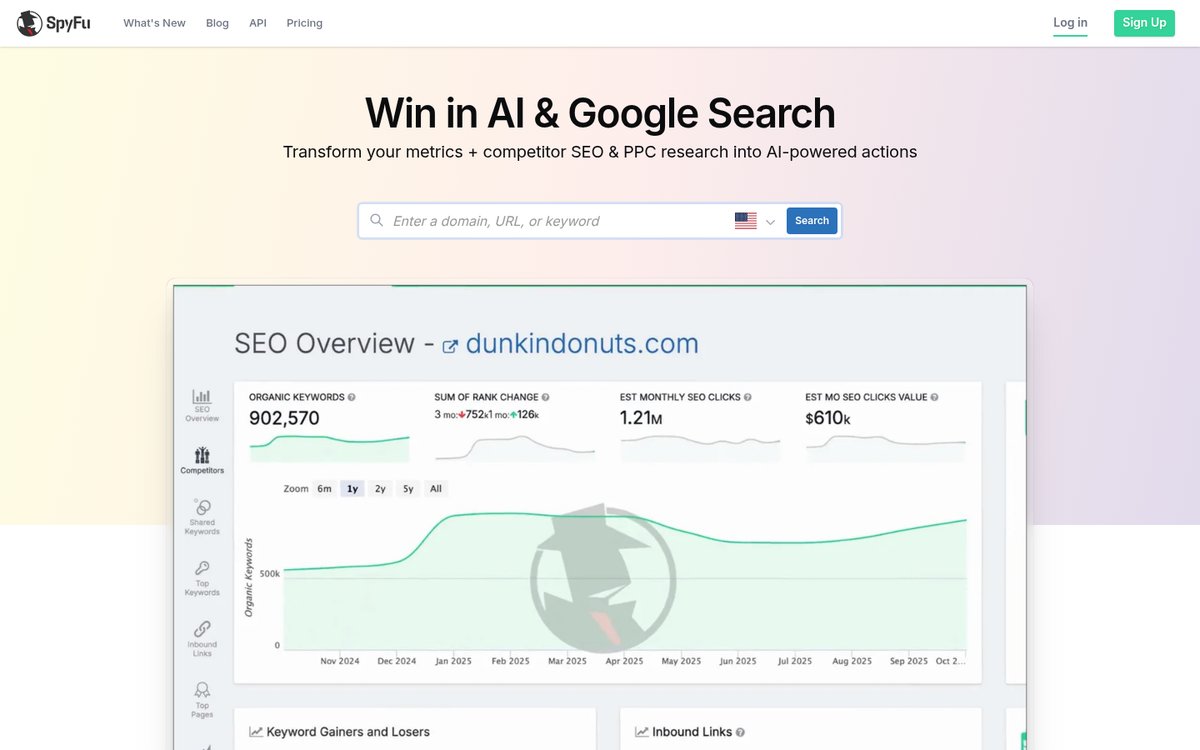
That's what competitor keyword research allows you to discover. If you've missed a good keyword, and your competitors have found it, you'll be able to see it. All you need is to use some kind of independent keyword research tool to analyze all of the keywords your competitors are using.
You are going to generate a readout of all of the keywords your competitors are targeting. With those keywords in hand, you can then investigate them, alongside the ads your competition is running. Are their ads effective? Are they closely related to their landing page copy? Are they visible enough for you to want to stick your arm in for a share of the pie?
If a keyword is too competitive, you might want to stand clear. The cost of competing in that keyword niche may be more than the potential profits you could gain. Remember, advertising is all about smart investing. On the other hand, if the niche is uncontested and your competitors are running rampant, giving them a run for their money may be a great idea.
Heck, you might want to invest a few bucks to run your ad just to put some pressure on them; they can't grow complacent, or you'll take over. Make them amp up their budgets to stay on top, even if you're not focusing on competing in a given niche. They might even give up, and let you take it.
Identify Potential Link Candidates
Keyword research alone won't get you links. To get links, you need to focus on where your competitors are getting links. You've done your research, you already know the major players in your industry. You've presumably done everything you can to earn links from the biggest names, and you're working your way down the much longer list of mid-tier blogs and potential partners.
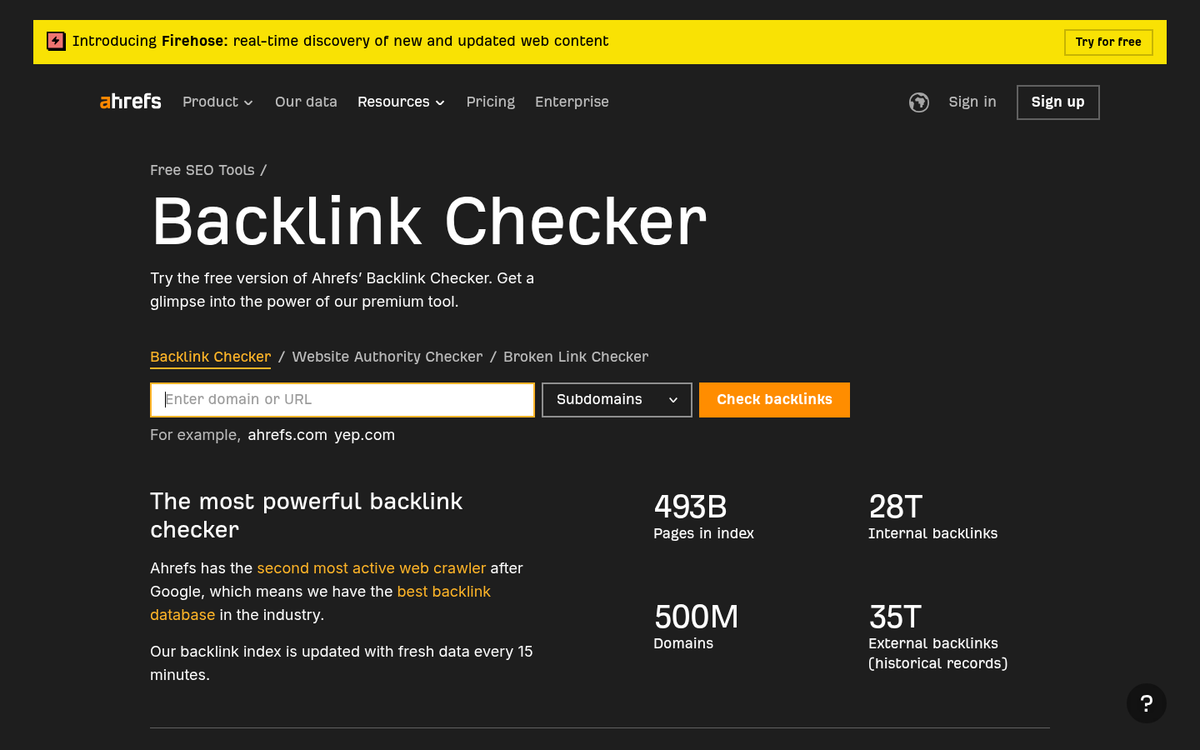
What you do in this phase is use one - or several - tools to pull the backlink profile of your competitors. Ahrefs, Semrush, and Majestic SEO all offer this service in free and paid versions. You'll need to explore to find the right level of service that allows you to pull all of the links your competitors have; some will limit your reports.
Keep in mind that 95% of website pages have zero backlinks, meaning the opportunity to outmaneuver competitors in link acquisition is enormous if you're strategic about it. Scan through the domains your competitors are getting linked from. As you look, identify pages that you don't have links from, and figure out what those pages are. Some of them will be spam, unrelated to the site in question; disregard these. Some will be low-quality and not worth your time to earn. Some will be redundant, duplicates of links you already have.
The ones you're looking for are the links from high quality sites that you don't already have a link on. Identify these sites and research them. Where is the link your competition earned? Is it a paid post, a guest contribution, a resource list? Some kinds of links you can't duplicate, others might be easy to earn.
It's also worth noting that longer content - typically over 3,000 words - earns approximately 3.5 times more backlinks than shorter articles. If you're creating content to attract links, depth and comprehensiveness matters enormously. Learn how to turn your website traffic into new backlinks as part of a broader link-building strategy.
Identify Flawed Competitor Links
Here's a tricky technique you can use when you pull your competitors' link profiles. First, identify any link going to your competitors and landing on a 404 page. These links may have linked to resources that no longer exist. You should also identify any "resource" or "guide" style posts on your competitors' sites that are out of date.
Second, create the content that would naturally sit at the end point of these links. If it's a guide, write a better, more updated version. If it's a missing page, try using the Internet Archive or a Google Cache alternative to identify what it was and replicate it. Note that Google's cached pages feature was retired in 2024, so the Wayback Machine at archive.org is now your most reliable option for this research.
Third, approach the owner of the currently broken or outdated link. Send them an email notifying them of the bad link and informing them of your better resource. Often, they will thank you for helping make their site a better place, and will replace the broken link with yours.
Be patient with this process. Research from Authority Hacker, based on a survey of 755 participants, found that link-building efforts take an average of 3.1 months to deliver noticeable results, with most observing backlink impact on rankings within 1-6 months. Experience also matters significantly: link builders with over 5 years of experience generate an average of 25 links per month, while beginners average only 7. If you're just getting started, learning how to create money earning sites with no experience can help lay the right foundation before diving into advanced link-building tactics.
A Note on Link Practices
Be cautious when you're approaching sites for links. Research who owns the sites and who contributes to them. The last thing you want to do is give away the game by asking your competitors to link to you on one of their related sites! If you're using an infographic as part of your strategy, also review why your infographic isn't getting any new links to avoid common pitfalls.
Steal Ad Testing
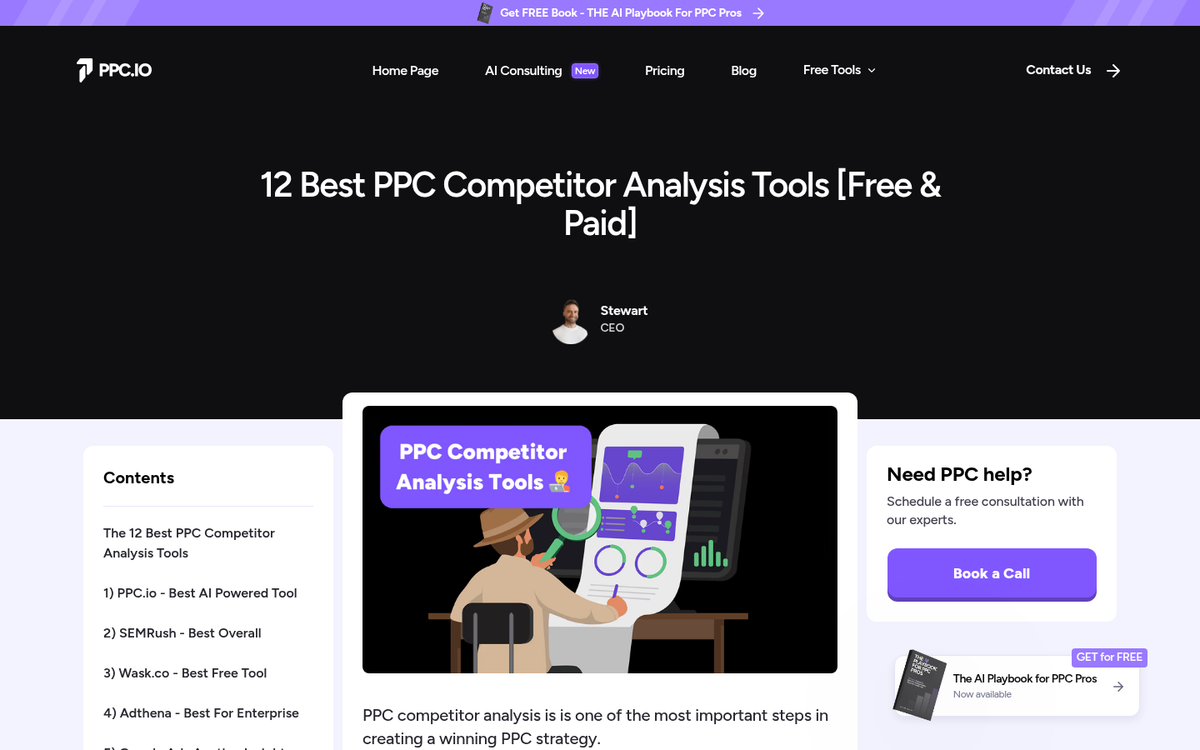
Once you've done all of your keyword and link research, you can check into your competitors' ad copy as well. There are a few tools you can use that will come up with an ad effectiveness index, which is an estimate of how effective the headline, copy and link are for a given ad.

Run this report targeting your competitors and you'll end up with a good list of their most effective ads. What works about them? What doesn't? What makes them so effective? Use this as a launching point to make your own ads and landing pages more compelling.
Cloak and Dagger
Of course, you're perfectly vulnerable to the same techniques. You might want to take steps to hide your information from competitive analysis. If you can identify the IP address of your competitors, you can exclude that IP from your Google Ads settings. If you can't do that, you can target their geographic area with different ad variations, so those are the ads that show up when they search. It helps obfuscate your data while exposing theirs. You may also want to look into how to properly cloak your affiliate links to further protect your marketing strategy.