Throughout the whole of the history of search engines, even from the very first day, your link profile has mattered. Your ranking depends largely upon the number of incoming links to your site, as long as those links come from relevant, quality sources. How can you go about expanding your link profile without going out and creating those links yourself? Leverage your traffic to earn new backlinks.
According to recent data, companies that engage in blogging receive 97% more backlinks to their site, and content over 3,000 words gets 3.5 times more backlinks than shorter articles. The foundation is clear: great content earns links. But you still need a strategy to make it happen.
Key Takeaways
- Blogging earns 97% more backlinks, and content over 3,000 words gets 3.5 times more backlinks than shorter articles.
- Target content creators visiting your site - links from relevant blogs are among the most valuable backlinks you can earn.
- Ego baiting, writing content that engages or debates other creators, naturally encourages them to link back to your site.
- Replacing dead or expired content and reaching out to sites with broken links is a highly effective link-building tactic.
- Original research and data-driven content are the most linkable assets, giving journalists and writers strong reasons to cite you.
Consider Your Audience
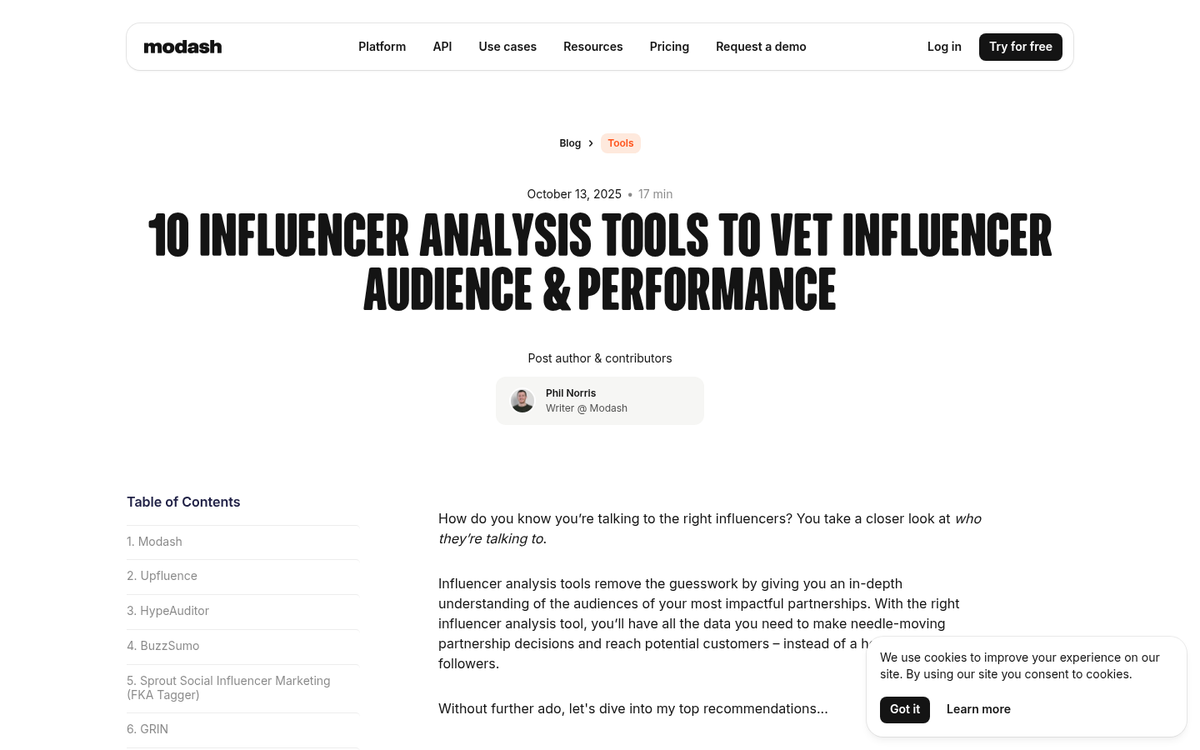
Before you can leverage your audience and turn them into backlinks, you need to figure out who they are. With every website, you have a wide range of users in terms of quality. You have the low-quality viewers who bounce easily and don't much care for your content. You have your mid-quality viewers who stick around and read, but don't do much more. You have your high-quality viewers who read, engage and share your content on social networks. You also have your ideal traffic: the other bloggers and content creators who run sites related to yours.
You want to target those last two demographics. Engaged users sharing your content on social media help spread the word. Social media links may not carry the same weight as editorial links, but they expand your reach significantly. Research shows that link builders leveraging social media for outreach gain an average of 22% more links monthly, with 61.7% of successful link builders incorporating social media into their outreach efforts.
The content creator is your best asset, however. A link from a relevant blog is incredibly potent - second only to a high-quality resource citing you as a reference. Research the types of engaged users and content creators visiting your site. Find out as much as you can about them, including their perspectives and interests. Your goal is to find ways to subtly encourage them to link to your site.
Ego Bait
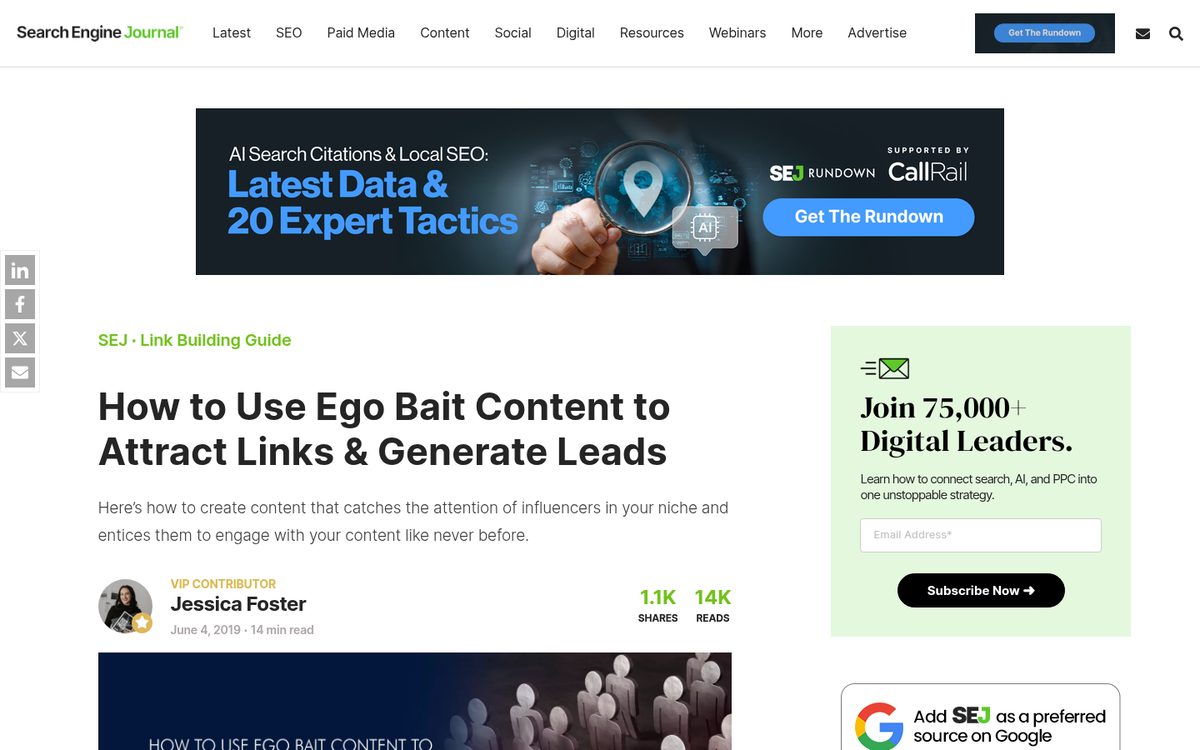
Ego baiting is one of the best ways to get content creators to naturally give you backlinks. Examine the blogs of the people in your industry and pick a popular piece of their content. Write a piece of content with their work in mind, tailored for a specific purpose. You can disagree with them and attempt to strike up a constructive debate - with support and facts, of course - or you can write a companion piece supporting them and positioning them as a thought leader. Either way, done properly, you'll find the content creator in question is likely to link back to your piece.
Make Sharing Easy
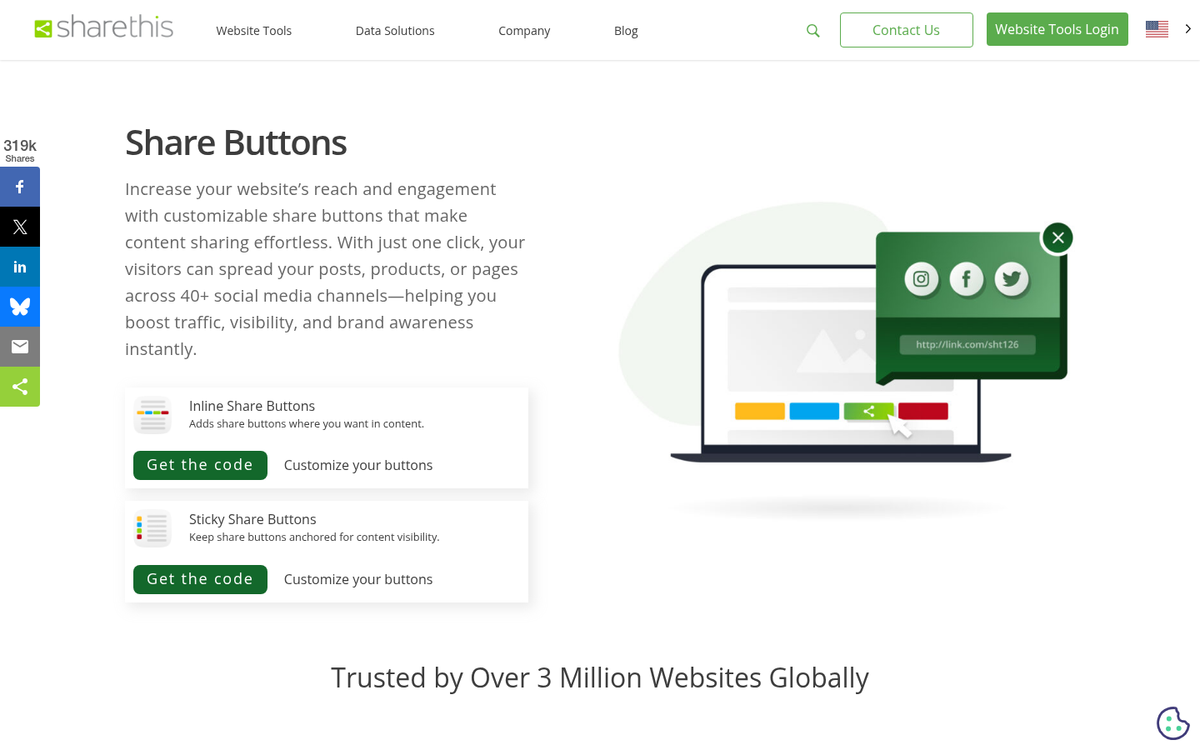
Any time you have something you want shared, make it as easy as possible to share it. Use social media sharing toolbars to enable one-click sharing of your posts on Facebook, LinkedIn, X (formerly Twitter), and any other social network relevant to your audience.
You can go a step further by enabling users to share pull quotes with a single click. Use these selectively - there is nothing more distracting than a site where every other sentence is followed by a share prompt. It clutters the reading experience and drives users away. Similarly, use image-sharing tools to allow users to pin or share your visuals with your article attached.
Digital PR has emerged as the most effective link-building tactic as of 2026, used by 67.3% of marketers. If your content is genuinely newsworthy or data-driven, consider distributing it through digital PR channels to earn editorial placements alongside organic shares.
Replace Dead Content
This is a highly effective technique, very similar to broken link building. Essentially, what you want to do is keep an eye on all of the old resources in your niche. If you find one that drops out - the domain expires, the content moves, the page is deleted - you can create your own updated version of that content. Once your version is live, you can reach out to anyone who linked to the old version and let them know that the link they're pointing to is broken, and that your content serves as an ideal replacement.
Note that this works even if the original owner of the content simply rebranded rather than removed the old content. As long as the URL changed and the old link is now dead, you can step in and present yourself as a replacement.
When conducting this outreach, personalization matters enormously. Personalized outreach emails generate a 33% higher response rate, and personalized guest post pitches see 47% higher acceptance rates than template-based messages. Perhaps most importantly, the third follow-up email generates 22% of all positive responses - yet 70% of outreach campaigns stop after just one email. Be persistent, be personal, and be polite.
Leverage Long-Form and Data-Driven Content
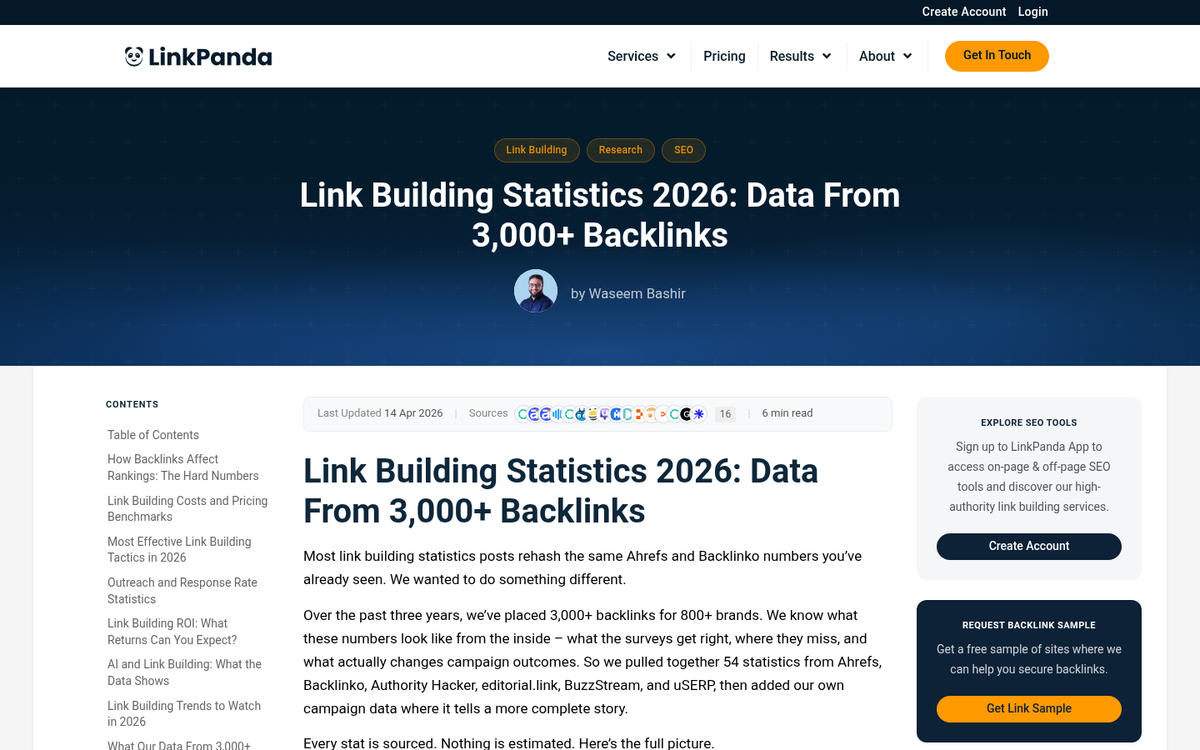
Memes and viral content had their moment, but in 2026 the most reliable and sustainable driver of earned backlinks is long-form, data-driven content. Content over 3,000 words earns 3.5 times more backlinks than shorter articles, and the number one ranking page earns an additional 5% to 14.5% more dofollow backlinks from new websites each month simply by holding that top position.
Original research, proprietary data, and detailed guides are now the most linkable assets you can produce. If you have access to unique data - even from your own analytics or customer surveys - publishing it as a standalone report or study gives other writers and journalists a reason to cite and link to you. This approach intersects naturally with building high quality backlinks, which has become the dominant link-building tactic among serious SEO professionals.
Create Content Worth Sharing

All of this, of course, comes back to one thing: your content. Your content has to be good. It has to be great. It has to be worth sharing and worth citing. Give it something to kick it over the edge - actionable tips, original data, a bit of ego bait, or a genuinely fresh perspective. The better your content is, the more naturally people will link to it because of its value.
How can you make sure your content has value? Do a search for the subject of your article and identify the best pieces already covering that topic. Strive to make your content more thorough, more current, and more useful than what already exists. You might even consider using content curation platforms to find top sources, then referencing their content directly, linking to it to gain the attention of those creators while building on their conclusions with something new to add to the conversation. Tools like a People Also Ask outline generator can also help you discover what angles are worth covering in the first place.