LinkedIn remains one of the most underutilized traffic sources in the digital marketing world - and that's a mistake. While many webmasters dismiss it as too niche or too professional, the data tells a completely different story. LinkedIn now drives 46% of all social media traffic to B2B websites, and its visitor-to-lead conversion rate of 2.74% is 277% higher than Facebook and Twitter combined, according to HubSpot. If you're in B2B, consulting, SaaS, professional services, or business blogging, LinkedIn deserves a front-row seat in your traffic strategy.
Key Takeaways
- Personal profiles generate 8x more engagement than company pages, so founders and executives should stay actively involved.
- LinkedIn drives 46% of B2B social media traffic, with a visitor-to-lead conversion rate 277% higher than Facebook and Twitter.
- Posting two to three times weekly keeps you visible, as LinkedIn's algorithm consistently favors regular posters over sporadic ones.
- Joining relevant, active groups and eventually creating your own can establish authority and expand your reach significantly.
- Active LinkedIn presence results in 5x more page views, 7x more impressions, and 11x more clicks per follower.
1. Fill Out and Use the Site's Features
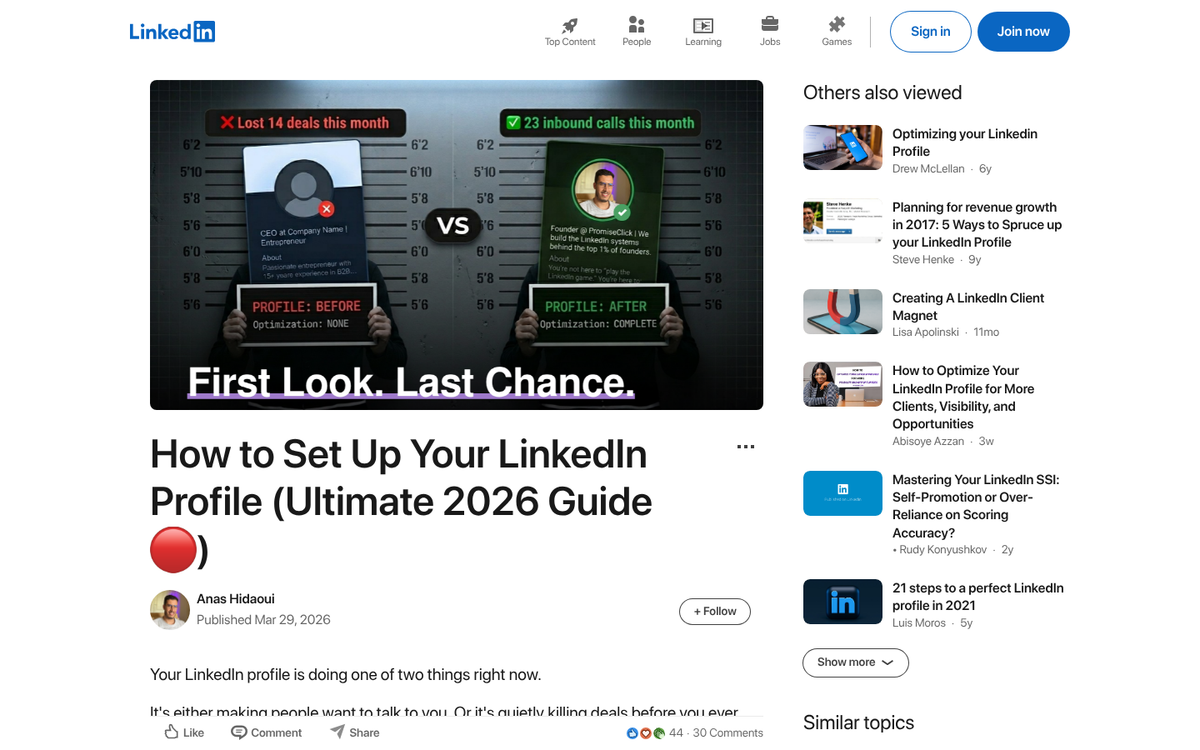
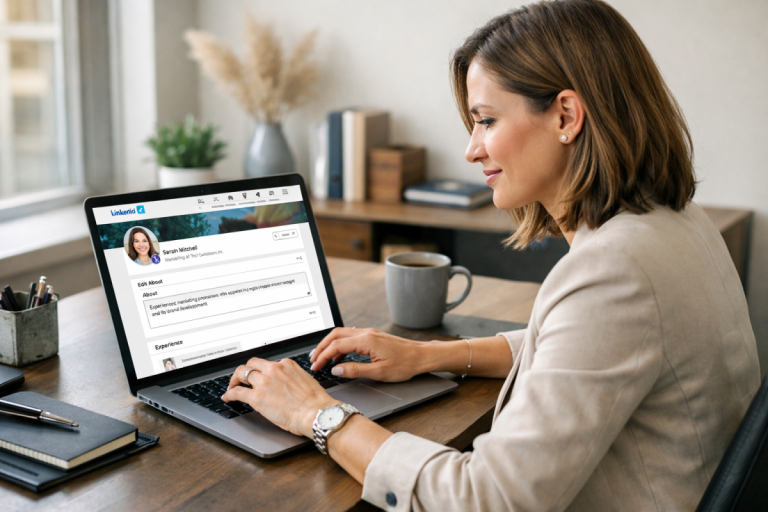
When you register, you absolutely need to fill out your profile as completely as possible. Whether you're setting up a company page or a personal profile, completeness matters - LinkedIn's algorithm rewards it, and so do real humans deciding whether to connect with you.
For company pages, invest in a branded banner image, a polished logo, a compelling company description, and accurate industry/location data. For personal profiles - especially if you're a consultant, founder, or executive - lead with a clean, professional headshot, a headline that describes what you actually do (not just your job title), and a summary that speaks like a human, not a press release.
One critical 2026 insight: personal profiles generate 8x more engagement than company pages on LinkedIn. That means if you're relying solely on a branded company page to generate traffic, you're leaving the vast majority of your potential reach on the table. Founders, executives, and team members should be active on their personal profiles and occasionally amplify company content from there.
Once your profile is established, build your connections strategically. Think of LinkedIn like a living, breathing professional directory. Connect with people who:
- Have worked with you, under you, or over you - past and present
- Attended the same schools, conferences, or industry events
- Appear in your existing contact lists or email inbox
- Are recommended by mutual connections
- Are customers, clients, or strategic partners
- Are active voices in your niche, even if you haven't met in person
There's no such thing as too many connections on LinkedIn. Your content's organic reach scales with your network, so every relevant connection added widens your potential audience.
Pay close attention to influential voices in your industry - people who consistently generate strong engagement and discussion. You don't need to chase verified "LinkedIn influencer" badges; what matters is identifying who your target audience actually listens to, and engaging meaningfully with their content.
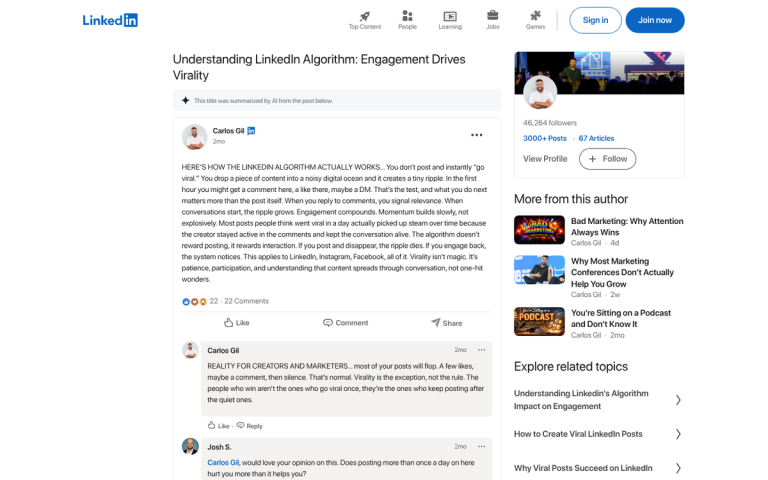
Maintain a consistent baseline of activity. Posting at least two to three times per week keeps you visible in your connections' feeds. The LinkedIn algorithm in 2026 continues to favor accounts that post consistently over those that post in bursts and go quiet.
When sharing links, mix your own content with curated third-party material. Flooding your feed with only your own links looks self-promotional and can suppress reach. Balance is key - and as a bonus, Metricool's 2025 LinkedIn Study found that link posts see 13.5% higher interactions and link clicks up 28% year-over-year, so don't be afraid to share links. The old conventional wisdom that LinkedIn suppresses link posts has largely been debunked by recent data. If you're also relying too heavily on a single traffic source, LinkedIn is a smart channel to diversify into.
2. Join, Create and Use Groups

Groups remain a valuable - though often misused - feature on LinkedIn. There are over two million groups on the platform now, but the 50-group membership limit still applies. The good news is that most groups won't be worth your time, so being selective is easy.
When searching for groups to join, use LinkedIn's search bar and filter by "Groups," then explore by relevant keywords in your industry. As you evaluate each group, keep these principles in mind:
- Avoid groups with too few members unless they're highly curated and exclusive. Low-membership groups rarely generate meaningful visibility.
- Avoid groups with too many members but low engagement. Follower count means nothing without active discussion.
- Avoid inactive groups. If the last post is weeks old, move on.
- Stick to groups relevant to your industry. Off-topic engagement rarely converts to traffic or leads.
Join a few groups at a time and evaluate their value before committing. If you find yourself ignoring a group, leave it and try another. Quality of participation beats quantity every time.
Once you've built a solid reputation and following, consider creating your own group - particularly if no high-quality, active community exists for your specific niche. Owning a group positions you as a connector and authority figure in your space. That said, group ownership comes with real responsibility: you need to moderate actively, set clear community guidelines, and invest time in growing membership without resorting to spam.
A well-run group can become one of your most powerful long-term assets on LinkedIn - but only if you're genuinely committed to maintaining it.
3. Create and Publish Engaging Content
At the end of the day, LinkedIn is a social network, and content is still king. But LinkedIn content in 2026 looks different than it did a few years ago. Native long-form posts, short-form text posts with strong hooks, document carousels, and short videos are all performing well. The platform has leaned heavily into video and newsletters, both of which are worth experimenting with if you haven't already.
Here's what your content strategy should look like:
- Build a clearly defined audience around your niche.
- Share original opinions, observations, and insights - not just reposts.
- Link to strong content you've published on your own site.
- Curate and share valuable third-party content your audience will appreciate.
- Respond to comments promptly and thoughtfully to boost post reach.
- Position yourself as a credible, go-to voice in your industry.
- Use LinkedIn's native newsletter feature to build a direct subscriber base.
Keep your content tightly focused on your niche. The further you stray off-topic, the more your follower engagement will drop. That said, personality and perspective are what make content shareable - so don't be robotic about it. If you find the grind wearing on you, it helps to know how to keep yourself from getting bored while blogging.
LinkedIn's native newsletter feature has matured significantly and is worth taking seriously. Unlike cold outreach or mass messaging, newsletters are opt-in, so subscribers are already warm. A well-crafted newsletter drives direct traffic to your site and deepens your authority in the space. Just don't overdo it - once or twice a month is plenty for most audiences. More than that and you risk subscriber fatigue.
One final stat worth keeping front of mind as you build out your strategy: businesses with an active LinkedIn presence receive 5x more page views, 7x more impressions, and 11x more clicks per follower than those that are inactive. Consistency isn't just good practice - it's measurably worth it. If you're curious how your numbers stack up, take a look at how much traffic top websites get per day.