Key Takeaways
- Nearly 60% of Google searches end without a click, with AI Overviews reducing click-through rates by up to 47%.
- If over 50% of your traffic comes from Google, you're vulnerable; traffic diversification is now essential for survival.
- Email lists are the most Google-proof traffic channel you own, unaffected by algorithm updates or platform changes.
- Direct traffic signals genuine brand loyalty and remains stable regardless of Google algorithm shifts.
- Guest posting, paid ads across multiple platforms, and selective social media use help reduce dangerous single-source dependency.
Why You Can't Afford to Rely on Google Traffic Alone in 2026
Thousands of websites have published millions of posts on the subject of getting your site ranked on Google, pulling in organic traffic, and growing your business using search as a foundation. And for good reason - Google still controls approximately 90% of the global search engine market and accounts for nearly 40% of total website traffic across the web, making it the single largest referral source on the internet.
But here's where it gets uncomfortable: nearly 60% of Google searches now end without a click. AI Overviews - Google's increasingly aggressive answer-everything feature - are reducing click-through rates by as much as 47%, according to 2026 data. Chartbeat has reported that Google Search referral traffic fell 60% for small publishers and 47% for medium-sized publishers. And that's before we even talk about algorithm updates.
Entire businesses have been wiped out overnight by a single Google update. We've seen it with Panda, Penguin, Pigeon, the Helpful Content Update, and countless unnamed core updates in between. The threat today isn't just penalties - it's structural. Google is actively building features that answer questions without ever sending users to your site. Even if you do everything right, the traffic may simply stop coming.
If more than 50% of your traffic comes from Google, you're in a precarious position. Diversification isn't optional anymore - it's survival.
Protect Your Google Foundation First
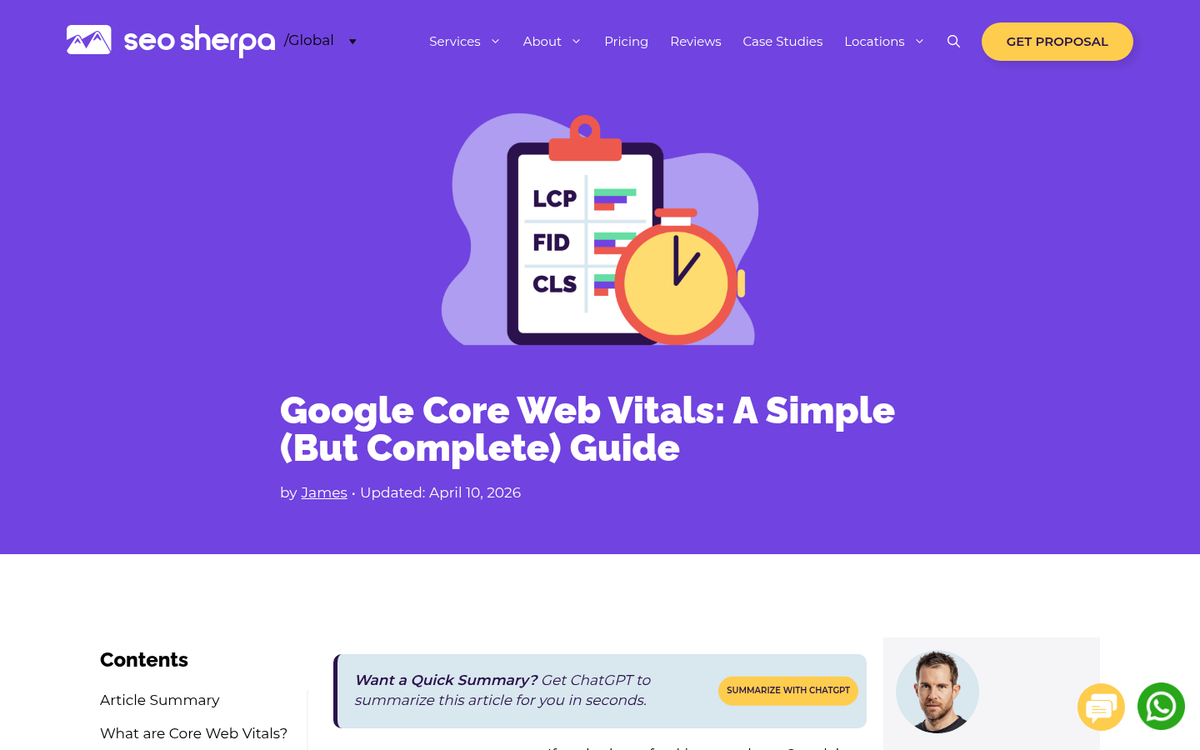
Before you diversify, make sure your Google house is in order. That means white-hat techniques only - no exceptions. Audit your backlink profile and disavow anything suspicious. Make sure your content is genuinely helpful, well-structured, and written for humans first. Follow Google's Core Web Vitals guidelines, implement proper schema markup, and ensure your site is fast and mobile-friendly.
With AI Overviews eating into click-through rates, your best defense is targeting search queries where your content provides something Google's AI snippet cannot - depth, nuance, proprietary data, personal experience, and trust signals that a generated answer simply can't replicate. Pack every page with genuine value. Give people a reason to click through, and a reason to come back.
Invest in PPC - But Be Strategic

PPC advertising is one of the few traffic sources that sits largely outside the organic volatility of Google's algorithm. As long as you're generating a positive ROI, you can run it indefinitely regardless of where your organic rankings stand.
Google's ad platform remains the most powerful and far-reaching option available, though costs continue to rise in competitive niches. Creative keyword research and tight audience targeting are essential to keeping your cost-per-click manageable.
Beyond Google, Meta's ad platform remains one of the most capable targeting tools available, giving you access to highly specific audiences across Facebook, Instagram, and Threads. Microsoft Advertising (formerly Bing Ads) is also worth serious consideration - it's often significantly cheaper per click and has grown its user base as AI-powered Bing search attracts a more engaged, higher-intent audience. Diversifying your paid traffic across platforms means no single ad ecosystem can shut down your business overnight.
Offer Value to Keep Direct Traffic

Direct traffic - people who type your URL directly or visit from a bookmark - is one of the most valuable and Google-proof traffic sources you can build. It signals genuine brand loyalty, and it doesn't care what Google's algorithm does next week.
Building direct traffic starts with providing content so good that people remember you. Every post, every page, every resource needs to earn its place. Cut the fluff. Format for skimmability. Give your readers something they genuinely can't find anywhere else - your perspective, your data, your experience.
Direct traffic is your safety net. It doesn't disappear when an algorithm shifts. Make sure your site is also organized so users can actually navigate and discover your content easily. Clean URLs, intuitive site structure, and a solid internal search function all reduce friction and keep visitors exploring longer.
Guest Post to Lean on Other Platforms

Guest posting remains a powerful way to build authority and pull in traffic that has nothing to do with your own Google rankings. The goal isn't just a backlink - it's exposure to an entirely new audience who hasn't found you yet.
The point is to spread your name, your expertise, and your URL across publications and platforms your target audience already trusts. When readers discover you through a guest post and find your content genuinely useful, some percentage will visit your site directly, subscribe to your newsletter, or follow you on social media - converting a one-time exposure into a recurring relationship that lives completely outside of Google's control.
Focus on quality over quantity. A single guest post on a well-trafficked, reputable site in your niche will do more for you than ten posts on low-authority blogs.
Leverage Social Media - But Choose Wisely
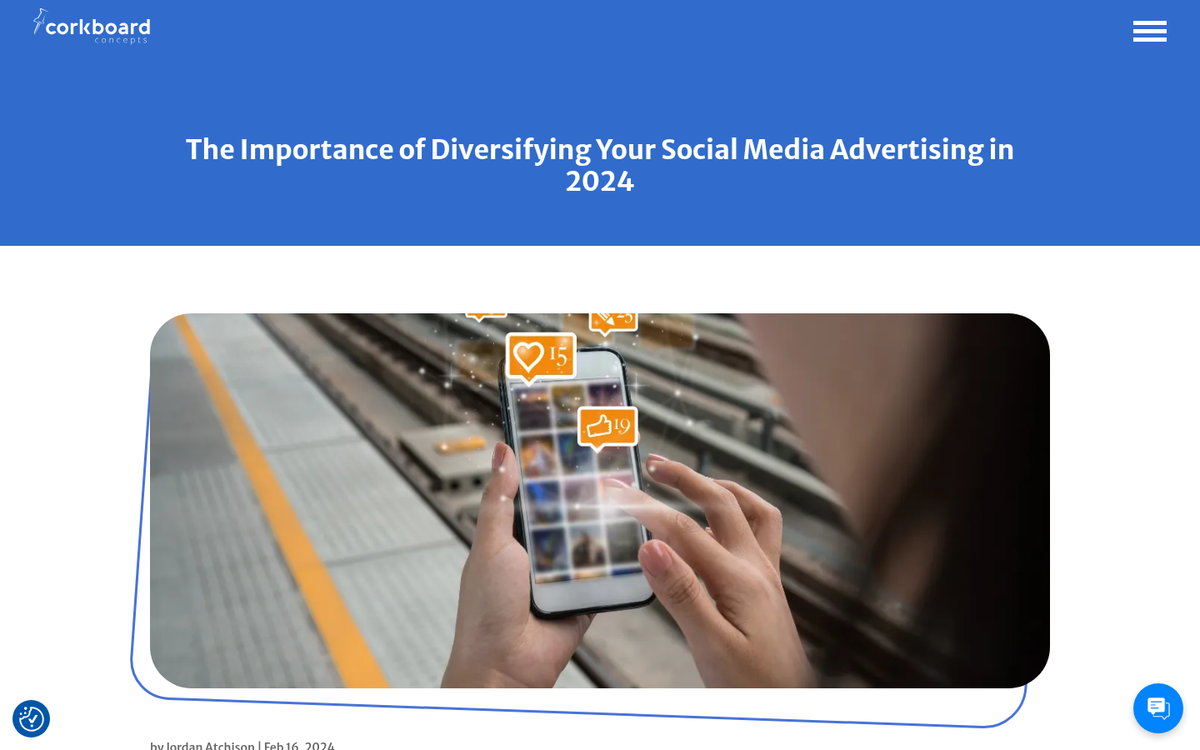
Social media carries some of the same risks as Google dependency if you lean on it too heavily, but as a diversification tool it remains essential. The key is being selective and intentional about where you invest your time.
In 2026, the social landscape looks very different than it did even a few years ago. Instagram and YouTube continue to be strong performers for content-driven brands. LinkedIn has become increasingly valuable for B2B audiences and thought leadership. TikTok, despite ongoing regulatory turbulence in various markets, still commands enormous attention and organic reach. Threads has grown into a meaningful platform for text-based engagement. X (formerly Twitter) remains active but has seen fragmented audiences migrate to alternatives.
The underlying principle stays the same: don't over-index on any single platform. Algorithms change, platforms rise and fall, and what drives traffic today may not tomorrow. Use social to build awareness, drive people to your site, and - most importantly - funnel them into channels you own outright.
Grow Your Email List - It's More Critical Than Ever

If there is one traffic channel that no algorithm update, no AI Overview, and no platform collapse can take from you, it's your email list. Email is completely independent from Google, from social media, and from every other platform you don't control.
People guard their email addresses more carefully than their social follows, which means an opt-in is a genuine signal of trust and interest. Email subscribers are among your most engaged, highest-converting audience segments - and they're yours to keep regardless of what happens anywhere else on the internet.
With AI eating into organic visibility and social platforms becoming increasingly pay-to-play, email marketing has only grown in importance. Treat your list as your most valuable long-term asset. Offer something worth subscribing for, nurture that relationship consistently, and never let it become an afterthought. If you're still building your subscriber base, comparing email list builder services is a good place to start.
If Google disappeared tomorrow - or simply stopped sending you traffic - your email list would still be there. That's the point.