When you design a site, the initial concern is all about how to grow your traffic from nothing to a functional audience. Once you have that ball rolling, however, it's time to turn to something else: monetization.
Some bloggers choose to blog for the sake of informing people about their lives. Many more, however, are blogging as part of a business. No matter what your purpose, be it personal blogging, promoting your content or selling your service, you can stand to monetize your blog. How can you convert your traffic into cash?
Key Takeaways
- Display ads require 10,000-50,000 monthly visitors for meaningful income; premium networks like Mediavine earn 3-4x more than AdSense.
- Affiliate marketing converts at only 1-3%, so traffic volume and content relevance are critical for generating meaningful commission income.
- Bloggers can monetize expertise directly by adding a "hire me" button, offering writing or consulting services to businesses needing content.
- Selling digital products like courses or template bundles offers low production costs, no inventory, and can be launched via Teachable or Gumroad.
- Expand top-performing blog posts into paid ebooks, offering greater depth and exclusivity to justify charging for premium content.
Advertising

Most people, when they think of monetizing a blog, instantly think of display ads. For a long time, the Internet was absolutely plastered with these ads. The long horizontal rectangles and the tall vertical sidebars are etched into the minds of an entire generation of web users. These types of ads still exist, but their effectiveness varies widely depending on your niche and audience size.
It's worth setting realistic expectations here. A general interest blog may earn RPMs (revenue per thousand impressions) of just $5-$10, while niche sites in high-value verticals like finance or health can reach $30+ RPM. In practical terms, you'll typically need between 10,000 and 50,000 monthly visitors before display advertising generates meaningful income in the range of $1,000 to $5,000 per month.
One advertising option you can use is Google AdSense, which serves contextually relevant ads based on your content. It's beginner-friendly and easy to set up, but it's worth knowing that publishers using optimized ad tech stacks with premium demand sources, such as Mediavine or Raptive (formerly AdThrive), typically earn 3-4x more than those relying solely on AdSense. As your traffic grows, migrating to a premium ad network can make a substantial difference to your bottom line.
Ads can earn you a lot of money, but it takes time and traffic volume to reach that point. The more pages you have, the more ads you can serve, and the higher your overall earnings will be. Certain keyword niches have higher returns than others, so targeting high-value topics within your industry is a smart long-term strategy.
Affiliate Advertising
Affiliate marketing has matured significantly over the past decade and is now one of the most reliable monetization strategies available to bloggers. What was once associated with spammy link cloaking and deceptive practices has been legitimized by both Google's strict quality guidelines and the rise of reputable affiliate programs from major brands.
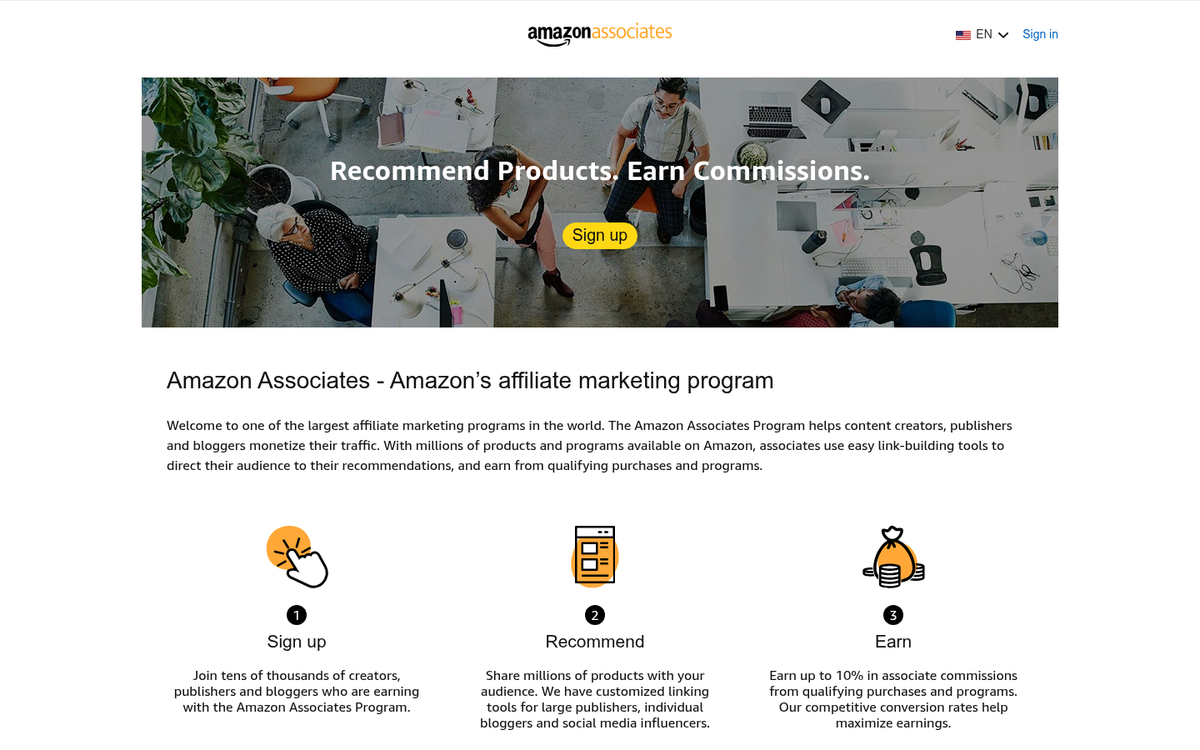
For example, you can sign up to be an Amazon Associate. This gives you access to a suite of tools geared towards one goal: promoting Amazon products. Any time you mention a product on your blog, you can generate an affiliate link that includes your tracking code. When readers click and purchase, you earn a commission.
Amazon affiliates work on sales, so a click with no conversion is meaningless. Keep in mind that most websites convert at only 1-3% of their traffic, which is why volume and relevance matter so much. Other affiliate programs pay out for clicks or leads, which can be easier to earn but typically pay less per action. Conversions remain the most lucrative outcome across the board. Beyond Amazon, programs through ShareASale, Impact, and individual brand partnerships often offer higher commission rates and longer cookie windows, making them worth exploring as your blog grows.
Sell Yourself

Many bloggers write because they love to inform people and are passionate about their industry. These bloggers can use their sites as highly visible online portfolios, generating income by selling their services as writers or consultants. Plenty of businesses want to run blogs but lack the time or expertise to do so. The best option for these businesses is to hire a blogger, either as a public-facing voice or as a ghostwriter.
All you need to do to sell your services as a blogger is add a visible "hire me" button to your site. This button will lead to a contact page with your preferred contact information and any ground rules you want to establish. You can include a rate upfront or negotiate with each client individually. It's generally wise to define the subjects you cover so you don't end up overwhelmed with work outside your area of expertise or interest.
Sell a Product

Of course, if you're a blogger running a business, you likely have a product or service to sell. Your blog then becomes an extended advertisement for that product or service. However, there are a few basic principles to follow, or you'll lose trust with both Google and your readers.
You need to use your blog as a means to demonstrate expertise and build trust. Avoid being overly promotional; passive sidebar ads and strategic calls to action are more effective than hard-sell tactics. According to the Content Marketing Institute, businesses that prioritize high-quality content experience 30% higher customer retention rates, which underscores the value of earning trust before pushing a sale. If users genuinely value what you publish, they'll navigate to your product pages on their own initiative. That's where you concentrate your conversion-focused messaging.
If you don't have a product and you're running an industry blog, you can use your audience insights to develop one. A straightforward product to launch is a digital course or template bundle, both of which have relatively low production costs and no inventory overhead. When your readership reaches a sufficient size, study what your audience consistently asks about or struggles with. Look for a gap that isn't already well-served by an established competitor.
Platforms like Teachable, Podia, and Gumroad make it easier than ever to package your knowledge into a paid product and sell it directly to your audience without needing a developer or complex infrastructure.
Sell Your Content
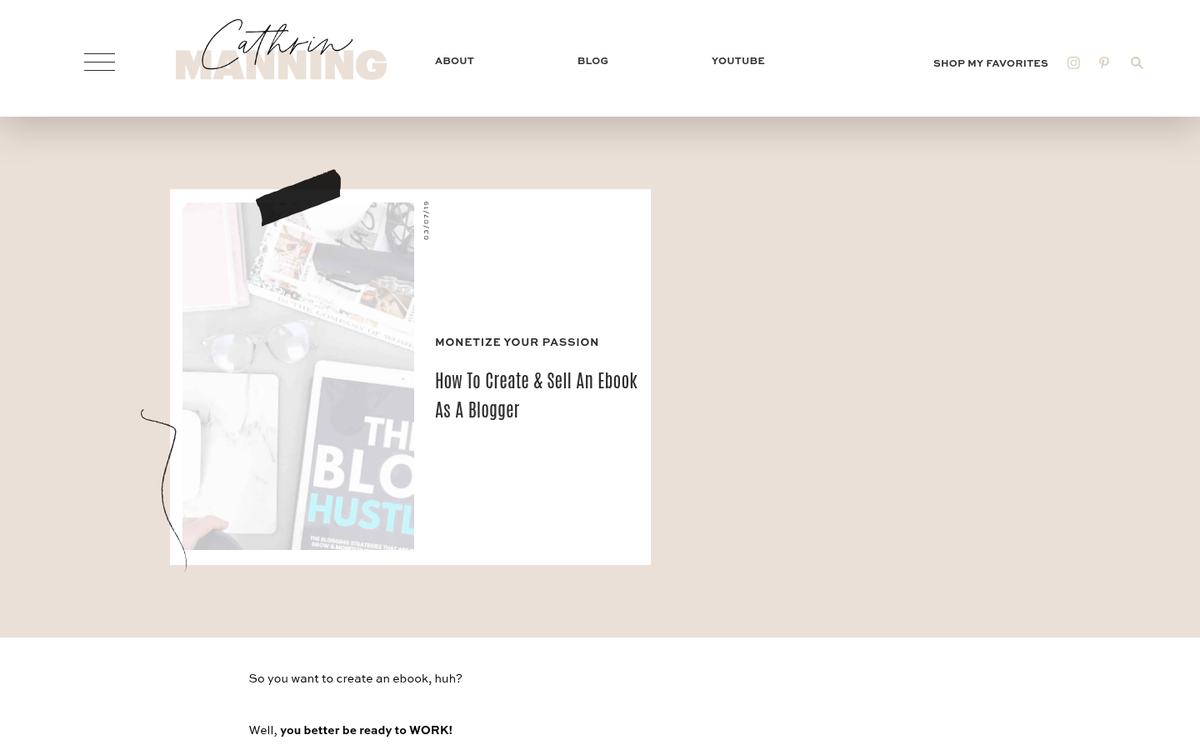
If you're blogging, you're providing a constant stream of quality content to your readers on a regular basis. Why would they want to pay for what you give them for free? The answer is value; give them more depth, detail, or exclusivity than they get on your public site and they'll convert if they like what they see for free.
Ebooks can cover a wide range of topics, lengths, and depths. You can create a detailed, step-by-step tutorial for a specific industry process and sell it for a reasonable fee. You can create broad overviews of your niche as a beginner's guide and offer it for a small price, or even in exchange for an email subscription.
One effective way to create and sell an ebook is to build on content you've already proven works. After running your blog for at least a year, you'll likely have two or three posts that consistently drive the most traffic. Analyze those posts and consider whether they can be meaningfully expanded into standalone resources.
For example, if you have a top 10 list of industry tools that has become a reliable traffic driver, take that post and expand it. Each item can be fleshed out into its own chapter, complete with use cases, comparisons, and actionable guidance. Extend it to a top 20 or top 50 list with deeper commentary and exclusive insights. Your readers already know your original post delivered value; a significantly expanded version becomes an easy sell.