Key Takeaways
- Alexa.com permanently shut down May 1st, 2022, with its Traffic Rank API retired in January 2023.
- Ahrefs, Semrush, Moz Pro, and Similarweb are the best modern replacements for Alexa's competitive research features.
- The core strategy remains: compare your site's authority against keyword difficulty to find realistically rankable topics.
- AI-generated content has raised Google's quality thresholds, making original, expert, well-structured content more valuable than ever.
- Google's AI Overviews have reduced click-through rates, making guides, original research, and comparison content more important to target.
If you've landed on this post looking for a way to use Alexa to find high-traffic blog topics, I have some unfortunate news: Amazon permanently shut down Alexa.com on May 1st, 2022, and followed that up by retiring the Alexa Traffic Rank API in January 2023. The platform is gone and there's no replacement coming. Whatever subscription you might have had, whatever data you were pulling, it's all offline.
That said, the underlying strategy this post was built around - competitive intelligence and keyword difficulty metrics to find blog topics you can realistically rank for - is still one of the most helpful content planning strategies available. It's just that in 2026, the tools you use to execute it look very different.
What Replaced Alexa? The Best Alternatives in 2026
The good news is that the competitive landscape for SEO and keyword research tools has matured enormously since Alexa's heyday. Several tools now give you everything Alexa did, and most of them do it considerably better. Here are the main options worth considering:
- Ahrefs is widely regarded as the gold standard for competitive keyword research. It offers keyword difficulty scores, organic traffic estimates, competitor gap analysis, and backlink data. If you were using Alexa's competitive power comparison method, Ahrefs' Domain Rating combined with its keyword difficulty scores is the closest modern equivalent.
- Semrush is a comprehensive suite with strong keyword research, competitor analysis, and content gap tools. It tends to be favoured by content marketers specifically because of its topic research and content audit features.
- Moz Pro offers a Keyword Difficulty score and Domain Authority metric that maps closely to the kind of power-versus-difficulty comparison Alexa used to provide.
- Similarweb is arguably the most direct replacement for Alexa's traffic estimation and competitive benchmarking features. It shows estimated traffic, traffic sources, and audience demographics for any domain.
The Core Strategy Still Works - Here's How to Apply It Today
The strategy this post described was fundamentally sound: compare your site's competitive strength against the difficulty of a target keyword, and prioritise topics where you have a realistic chance of ranking while still attracting meaningful traffic. In 2026, you execute this same strategy with modern tools.
Step one is to set up your site's authority baseline. In Ahrefs this is Domain Rating (DR). In Moz it's Domain Authority (DA). In Semrush it's Authority Score. Pick one tool and stick with it for consistency - this number is your equivalent of Alexa's old Competitive Power score.
Step two is to find keywords your competitors are already ranking for. Plug a strong competitor's domain into Ahrefs, Semrush, or Similarweb and pull their top organic keywords. This is the single most efficient way to generate a list of proven, traffic-generating topics. If a competitor is getting traffic from a keyword, that keyword has demonstrated value. Your job is to create something better.
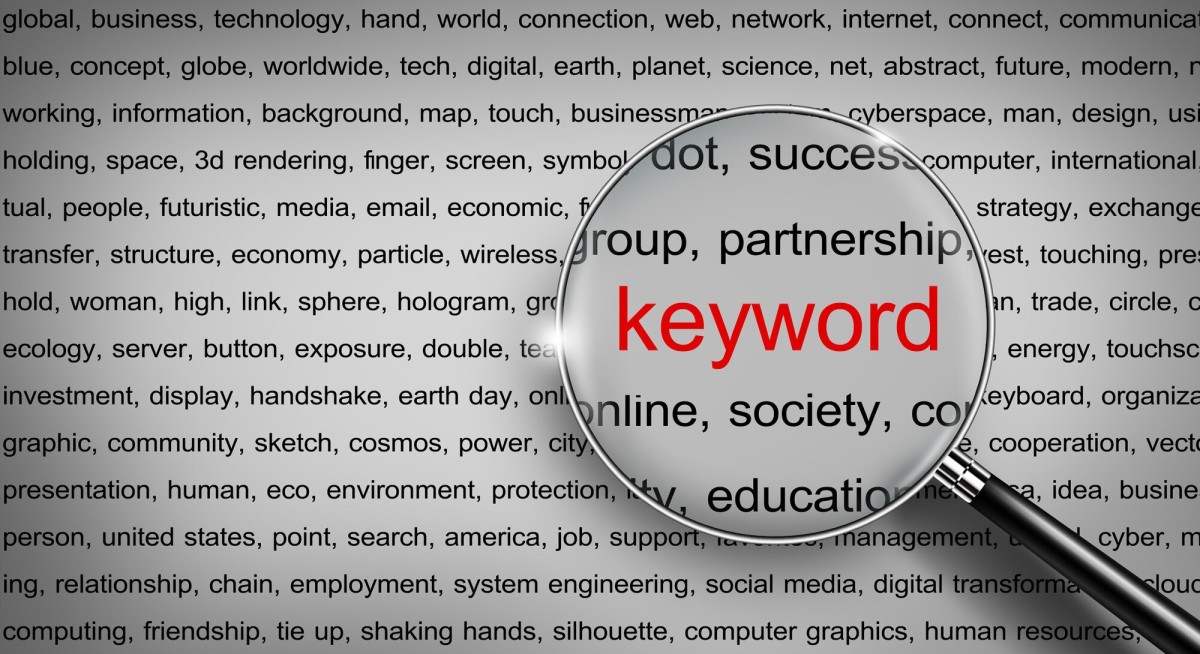
Step three is to filter that keyword list intelligently. Look for keywords where:
- The keyword difficulty score is within a competitive range of your site's authority. A site with a DR of 40 targeting keywords with a difficulty score of 70 or above is fighting uphill. Focus on keywords where the difficulty is close to or below your authority score.
- Search volume is high enough to justify the effort. Ultra-low volume keywords can still be worth targeting for strategic reasons, but your high-effort flagship content should aim at keywords with meaningful monthly search volume. Learn more about how many times you should include keywords in your post once you've chosen them.
- The topic is genuinely relevant to your site. Relevance is not just an algorithmic consideration - it affects conversion, engagement, and long-term authority building in your niche.
Step four is to analyse what already ranks. Search the keyword and read the top-ranking results. Identify where they overlap, where they differ, and what none of them cover. Your target is to produce something that addresses every strong point from the existing results while adding original data, a fresh angle, updated information, or a level of depth that isn't currently available. This approach also ties into finding low-hanging fruit in content marketing - sometimes the biggest gaps are hiding in plain sight.
How AI Has Changed This Process in 2026
It would be an omission not to address how artificial intelligence has influenced this entire workflow. Since late 2022, AI tools have become embedded in content research and production pipelines, and the implications for keyword-driven content strategy are significant.
On one hand, AI-generated content has flooded search results, which has made Google's quality thresholds considerably higher than they were even three years ago. Thin content that simply targets a keyword and covers the basics no longer ranks reliably - this raises the floor of what you'll have to produce to compete. But it also represents an opportunity: legitimately expert, original, well-structured content works better than ever because so much published content is mediocre.

Additionally, AI tools like ChatGPT, Claude, Gemini, and Perplexity have become genuine research accelerators. You can use them to quickly find content gaps, generate outline structures, surface related questions your target audience is asking, and stress-test your arguments before you publish. They don't replace the need for original information and expertise. But they dramatically speed up the research and planning stages of the process described in this post.
Furthermore, Google's AI Overviews (the AI-generated answer blocks that appear at the top of search results) have changed click-through rates meaningfully. For some informational queries, organic traffic has declined because users get answers directly on the results page - this makes it even more important to target keywords and content formats that drive genuine engagement instead of single-question lookups. Full guides, original research, case studies, and comparison content tend to hold their value better in this environment.
The Bottom Line
Alexa is gone and won't be coming back. But the strategic thinking behind using competitive metrics to find realistic, high-value keyword targets is as relevant as it has ever been. The tools are better, the bar for content quality is higher, and the research process can be accelerated with AI assistance. If you take the framework this post outlined and apply it using Ahrefs, Semrush, or Similarweb, then you'll find it's as helpful - arguably more so - than it ever was when Alexa was still running. If you're looking for additional ways to sharpen your workflow, our tools page has resources worth exploring.