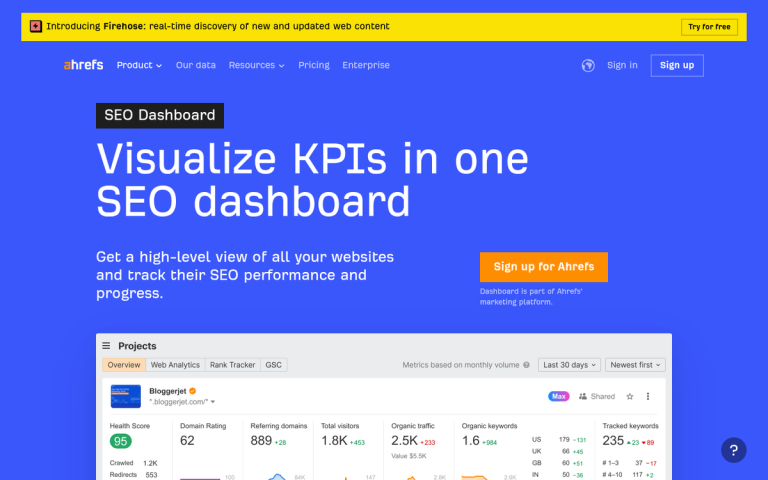
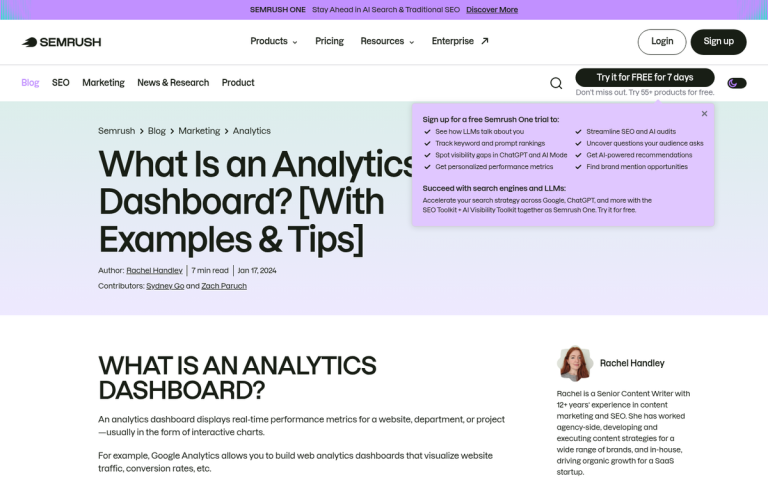
You know how analytics is so important to your business? How it's incredibly useful to be able to see where your traffic comes from, where your users are going and what your online presence looks like? All of that is just one side of a coin, and arguably the smaller side. You can gain a very complete picture of your own presence online, but what about your competition? Where are their users going? Where do they get their traffic? How are they attracting new users and engaging their own?
Unfortunately, unless you have a mole inside their company feeding you access to their analytics software, you don't have a good way of seeing their traffic streams. There's no way to latch on to another site and pull in the same sort of information you get from your own analytics. You can, however, make use of a number of tools and avenues of public information to gain a foggy picture of their business.
Key Takeaways
- You can't directly access competitor analytics, but multiple tools and public data sources provide a useful approximate picture.
- Monitoring competitor ads and keywords reveals their targeting strategy, demographics, and potential keyword opportunities you may have missed.
- Backlink profiles are fully public; tools like Ahrefs and Semrush let you analyze competitor links just as easily as your own.
- Similarweb and Semrush have replaced Alexa for traffic estimation, offering channel breakdowns, audience overlap, and geographic data.
- Simply following competitors' social profiles, blogs, and newsletters costs nothing but reveals messaging and content strategy firsthand.
Monitor Their Ads
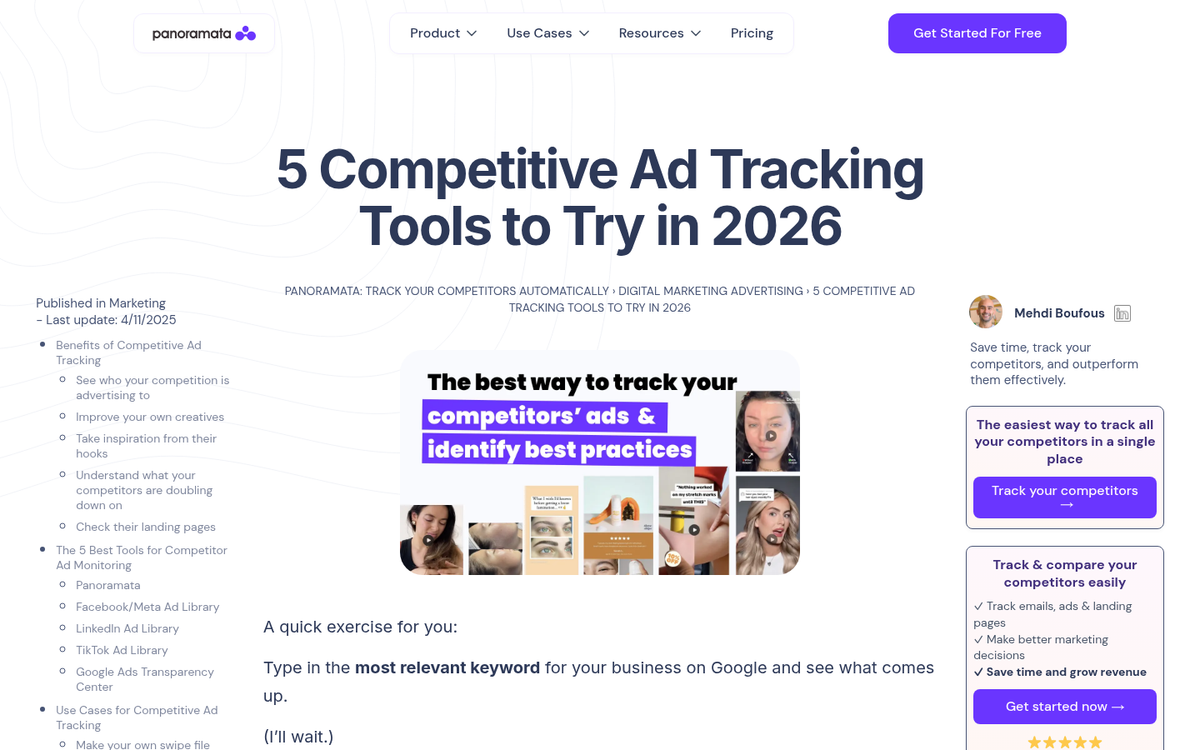
What piece of the puzzle does ad monitoring provide? Essentially, you get to see a feed from advertisers showing you any ad in a given keyword niche. You can also set other forms of tracking and filtering with ad monitoring tools, to broaden or narrow your results as necessary. Your goal is to see where your competitors are advertising. Some things to watch for:
- What keywords your competition is targeting.
- If you and your competition overlap in keywords.
- If there are any unknown competitors using the same keywords.
- Size and placement of competitor ads.
- What demographics your competitors are targeting.
This will help you discover new keywords your competition is using that you may be able to use as well. It also helps you discover what sorts of people they're targeting - you can learn more about demographic targeting strategies to refine your own approach. You can even analyze their ad copy for ideas for your own.
Track Their Keywords
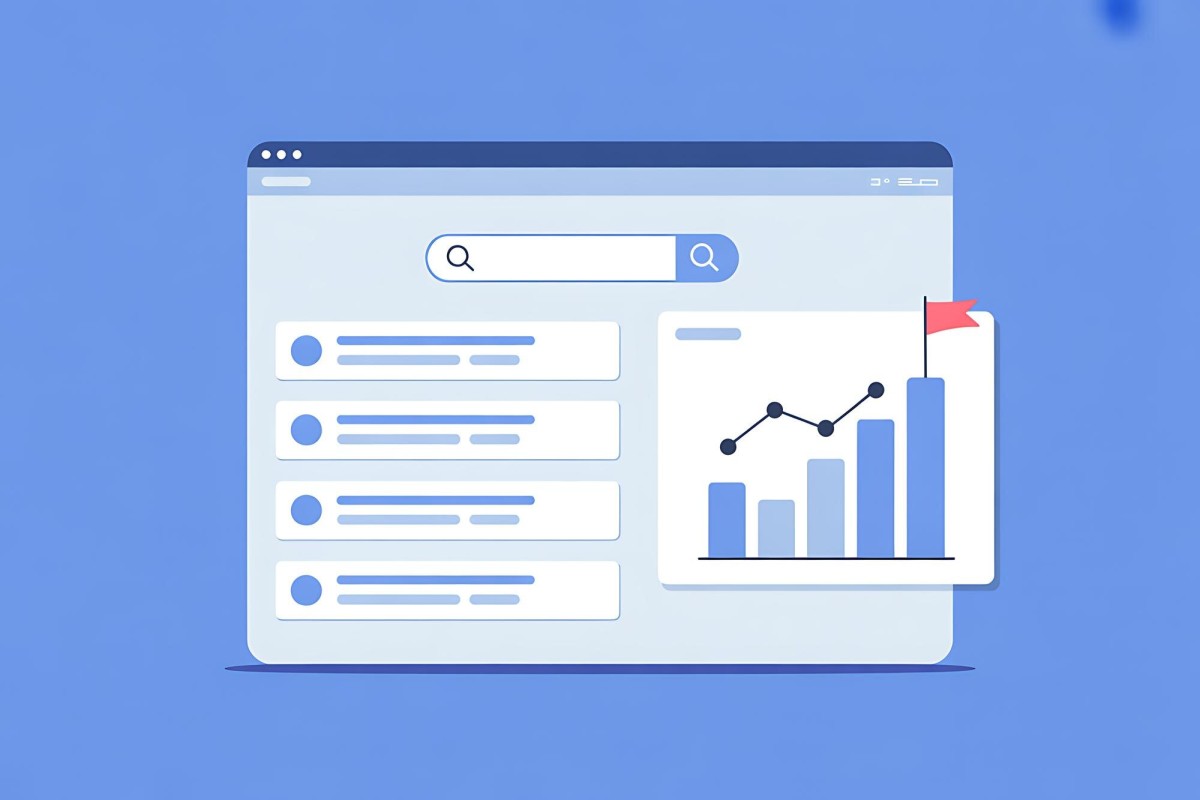
What piece of the puzzle does keyword tracking provide? Keyword tracking is going to have a bit of overlap with ad monitoring, because keywords and targeted ads go hand in hand. You can view the keywords your competitors are targeting, which will give you an idea of their emphasis in business. Are they targeting the same keywords you are? Have they discovered long-tail keywords with traffic you may have overlooked? Are they forcing a budget into certain keywords and not others? What organic keywords are they finding success with, and how relevant are they to your business?
Tools like SpyFu (starting at $16/month on annual billing) and SE Ranking (starting at $44/month) are purpose-built for competitive keyword intelligence and can give you detailed historical data on what your competitors are ranking for and spending on. Semrush also offers up to 10 free traffic reports per month, showing estimated traffic, channel mix, and accuracy scores - a solid starting point before committing to a paid plan.
View Their Links

What piece of the puzzle does seeing their links provide? A backlink profile can be incredibly telling about a business. It shows what legitimate sites are linking to the site in question. It shows what spam sites may have taken up the mantle. It shows signs if a site has purchased spam backlinks, or if they have been the target of a negative SEO attack. It shows signs of reciprocal link exchanges or paid links.
The best part of the link profile is that it's completely public. You don't need some hidden analysis or code to track backlinks. The same tools you use to record your own links can be used to record those of your competitors. Tools like Ahrefs and Semrush are easy enough to use - just plug in your competitor's URL and away you go. It's worth noting that Moz's Open Site Explorer has long since been retired and replaced by Moz's Link Explorer, though Ahrefs and Semrush remain the industry standard choices for most practitioners.
Check Their Rankings and Traffic

What piece of the puzzle does seeing their rank and traffic provide? Beyond monitoring search rankings for specific queries and keywords - which you should already have a feel for just by knowing your own - there are now powerful traffic estimation tools that give you a much richer picture.
Similarweb is one of the most robust options available, collecting more than 10 billion data signals daily, analyzing 2TB of data daily, and generating more than 10,000 traffic reports daily. It offers 5 free daily comparisons for traffic sources and country breakdowns, making it accessible even without a paid account. You can see where a competitor's traffic comes from, which channels are driving their growth, and how their audience breaks down geographically.
Semrush Traffic Analytics draws on clickstream data from over 200 million internet users to estimate site visits, giving you a statistically meaningful baseline for comparison. Its audience overlap tool can reveal surprising insights - for example, Nike and Adidas share an estimated 2.8 million common visitors, the kind of data point that can meaningfully shape a targeting strategy.
Alexa, which was a go-to competitive research tool for many years, was shut down by Amazon in 2022, so if you've been relying on it, it's time to move on. Similarweb and Semrush are the natural replacements and are considerably more capable.
Watch Their Social Mentions
What piece of the puzzle does social mention monitoring provide? Social media mentions are a great way to get an idea of how your competition is perceived. If there's a common flaw in their product, for example, you can see how their audience complains about it. You can then take steps to offer your competing product, emphasizing that the problem doesn't exist with your offering. You can also see when they're mentioned in the news or in a positive context, to keep tabs on their reputation.
Social media, like the link profile, is free and open to view. You can use basic tools like Google Alerts and the native search functions on platforms like X (formerly Twitter), or you can pay for more robust tools like Brandwatch or Mention to get more automated, detailed, and historically rich looks at competitor sentiment.
See Their Social Engagement

What piece of the puzzle does social engagement monitoring provide? Like social mentions, social engagement is valuable to see. It's also largely public information. Once again, you can use the same tools you use to monitor your own social engagement for monitoring your competitors. Tools such as Fanpage Karma and Sprout Social offer solid competitor benchmarking features.
It's worth noting that some older tools in this space have come and gone - Commun.it and Open Social Buzz, for instance, are no longer active. The social listening and engagement monitoring space has consolidated considerably, with Brandwatch, Sprout Social, and Semrush's social tools now covering most of what those older platforms offered and then some. If you're also tracking how your site ranks during this process, it helps to know ways to monitor your website's SEO keyword rankings alongside your social efforts.
Other Tools

What else can you use to complete the puzzle? There are some interesting tools you can use to get unorthodox glimpses of your competitors. BuiltWith, for example, lets you see the tech stack and analytics tools your competitors are using. It's not a huge help on its own, but it lets you get an idea of how seriously they invest in analytics and what platforms they're building on.
For paid media intelligence, tools like AdClarity (available through Semrush) and Pathmatics give you visibility into competitors' display, social, and video ad spend - going well beyond what basic ad monitoring used to offer. If you're looking for email intelligence, Really Good Emails and MailCharts are worth exploring, as the old standby Who's Mailing What has largely faded from relevance. If you run autoresponder email campaigns of your own, studying competitors' approaches can help sharpen your messaging considerably.
Stalk Their Pages

Finally, you can do some good old-fashioned legwork. Use a personal profile - or your business profile if you don't mind being transparent - and follow their social media profiles. Subscribe to their content via RSS or just bookmark their blog and check it regularly. Register for their newsletter, even. It costs you nothing and they don't benefit much from having you present, but you can get an inside glimpse of their messaging, positioning, and content strategy that no tool can fully replicate.