SEO is a long and complicated process. Organic traffic takes forever to build. Quality content is expensive. Why not take a shortcut through it all and pick up a program to boost your traffic? Do those programs work, or would it be a waste of money?
Key Takeaways
- Traffic robots inflate analytics numbers but deliver zero engagement, zero conversions, and unnecessary server strain.
- Bots accounted for 51% of all global web traffic in 2024, with malicious bots representing 37%.
- Black hat SEO tools like Money Robot may temporarily boost rankings but risk Google penalties and manual actions.
- Legitimate SEO is expensive in time and money but provides stable, long-lasting results without penalty risks.
- Small budgets can support white hat alternatives like freelance content, Google Ads, or genuine outreach campaigns.
Types of Programs

There are essentially two types of traffic generator software. The first is a type of robot that creates traffic for your website and nothing else. The second is a bit more advanced, a program that creates a link pyramid to boost your site SEO and pulls in organic traffic.
Traffic robots are generally cheap programs, primarily for one reason; their traffic is valueless. Yes, running one of those programs "works" in a sense, in that it boosts your pure traffic numbers. The problem is the quality of that traffic. If your visits are all coming from robots that bounce after a second and don't click links, you're not gaining any benefit.
SEO programs, on the other hand, are more expensive. This is because the traffic they generate is actual, real organic traffic. The problem here is that the method they use to bring in that traffic can solidly be classified as black hat. Google can and will demote sites that use such software, meaning your traffic spike is temporary at best. To better understand how accurate your traffic numbers really are, it's worth digging into your analytics regularly.
Pure Traffic Generation

To start, let's discuss the first option, the pure traffic generation robot. If you prefer, you can substitute a third party alternative, such as buying thousands of hits from Fiverr. Either way, you're getting one of two things; robot traffic or clickfarm traffic.
Robot traffic is generally bad traffic, and the scale of the problem has grown dramatically. According to Imperva's 2025 Bad Bot Report, bots accounted for 51% of all global web traffic in 2024 - the first time automated activity outnumbered human visitors in over a decade. Malicious bots alone now represent 37% of all internet traffic, up from 32% in 2023, and this marks the sixth consecutive year of growth in bad bot activity. Akamai Technologies similarly reports that bots compose roughly 42% of overall web traffic, with 65% of those bots classified as malicious.
What does that mean for you practically? All but the most sophisticated robots simply load your page and leave. The majority of their processing power is spent cycling through proxies to make your traffic appear as though it comes from a variety of different sources. The thing is, all of this traffic has a high bounce rate and zero engagement; it doesn't click links, it doesn't read pages, it doesn't scroll or anything else. It just loads the page. Functionally, all it does is inflate a few numbers in your analytics and put unnecessary strain on your server. Conversions are effectively zero, since visitors arriving via bots have no genuine interest in your products or services whatsoever.
Sophisticated robots may click around your website and spend some time, but rarely do they bring much benefit. They still never leave meaningful comments or share on social media. Any comments you might receive from a robot typically come from third party spambots trying to use your site as a link to their own sites, essentially making you the target of someone else's efforts to do exactly what you're trying to do.
Clickfarm traffic is a little more sophisticated still, specifically because it's not run by robots - it's run by actual humans. The problem with this traffic is that it's also largely valueless. Seen most often on social media platforms, clickfarm traffic is why some well-known brands accumulate massive followings dominated by accounts from regions that have no connection to their target market. Even when they're USA-only brands.
Black Hat SEO

So, how about the black hat SEO robots? Software like Money Robot, for example? How does it work, and is it effective?
Money Robot is a piece of software that automates the standard processes behind common black hat SEO. Specifically, what it does is automate article spinning and posting to a network of blogs. All you do is plug in an article and tack on your link and keywords. The software generates dozens of low-quality spun versions of that article and automatically posts them to a selection of the thousands upon thousands of blogs tied to the system.
The end result is that you spent the monthly or lifetime fee for a piece of software that creates dozens of low quality spun blog posts and publishes them on sites filled with other low quality spun blog posts - exactly the kind of content Google's algorithms have been specifically engineered to detect and discount.
The real question, though, is: does it work? In the short term, the software certainly performs its stated purpose. With the click of a button, after a little configuration, you have content posted on dozens of blogs, all linking to your site. Until Google discovers and penalizes those blogs, those links may read as legitimate and your site could receive a temporary boost. When they are penalized, however, your site will fall in the rankings or even acquire a manual action for unnatural link building.
At that point, you can either abandon the black hat approach or start the cycle over again with new blogs, new links and new sites. It's a constant battle that some people are willing to fight, but it's one that Google has become increasingly effective at winning. With the continued rollout of Google's Helpful Content system and successive core updates through 2024 and 2025, low-quality link networks are being identified and neutralized faster than ever before.
A White Hat Alternative
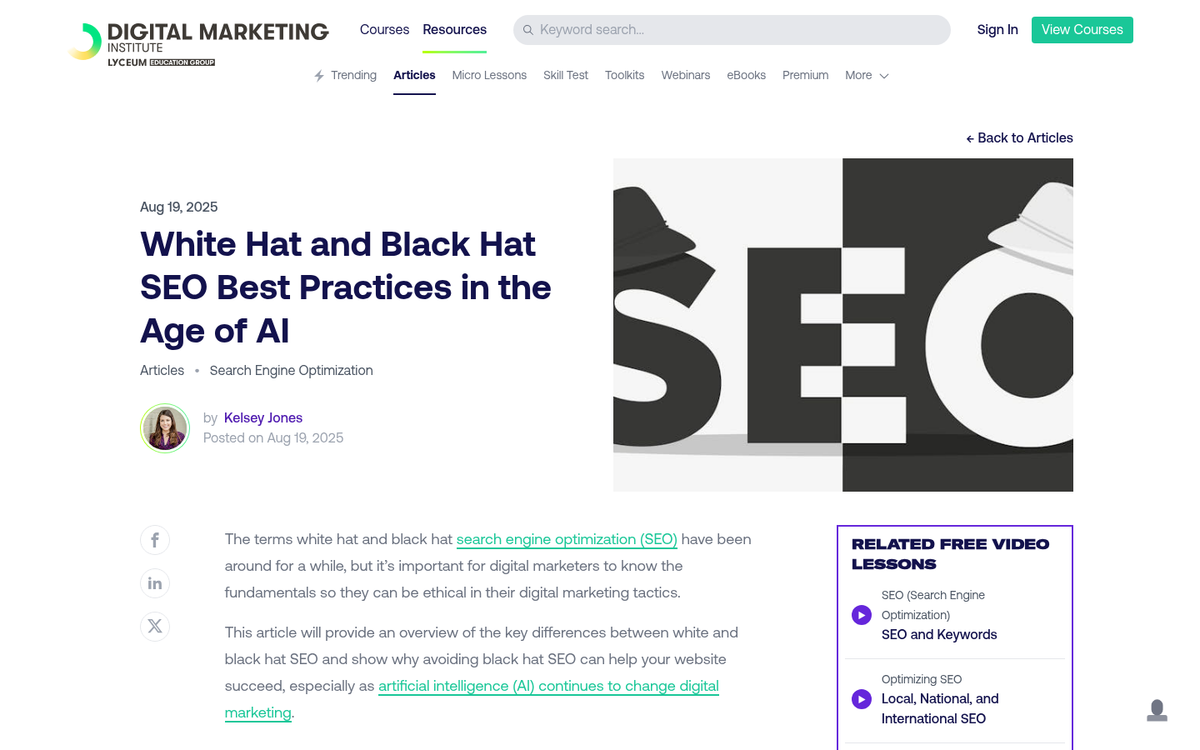
In order to use a software suite like Money Robot, you need to already have a website you're intending to make money from. So, consider that you already have that site. Rather than invest in black hat tools, how could you spend that same money to create a long-lasting SEO campaign that actually works?
Your first option would be to contract an SEO firm. However, a modest budget won't get you far with a legitimate firm. Quality SEO professionals routinely charge several hundred to several thousand dollars per month, and the good ones are worth every penny. So, hiring a full-service professional may be out of reach early on.
What do you need to replicate what Money Robot is doing, but the legitimate way? You need blog posts in volume and real links earned through genuine outreach. A content budget can get you posts from freelancers or content platforms, though quality will vary significantly at the lower end of the price range. Still, even modest content done properly is worth far more than thousands of spun articles that Google ignores or penalizes.
Alternatively, you can create the content yourself - a time-consuming task - and redirect any spare budget toward paid traffic such as Google Ads or Meta advertising, where even a small daily spend can generate real, targeted visitors while your organic presence builds.
The fact is, legitimate SEO is expensive in both time and money. The flip side, however, is that it's long lasting. As long as you're firmly within the rules, you're not going to wake up one day and find your rankings wiped out overnight. With black hat alternatives, you don't have a steady, gradual rise; you have a volatile range of peaks and valleys, brief wins followed by penalties and lost ground. There's no guarantee your tools are going to keep working months down the line, and the window between a tactic working and Google closing it has grown considerably shorter in recent years. Sustainable growth built on real content, real links and real user engagement remains the only approach that holds up over time.