





Key Takeaways
- Fiverr traffic is mostly bots producing 99-100% bounce rates and 0-2 seconds on page, delivering zero real value.
- Fake traffic destroys engagement metrics like session duration and conversion rates, making analytics completely unreliable for decision-making.
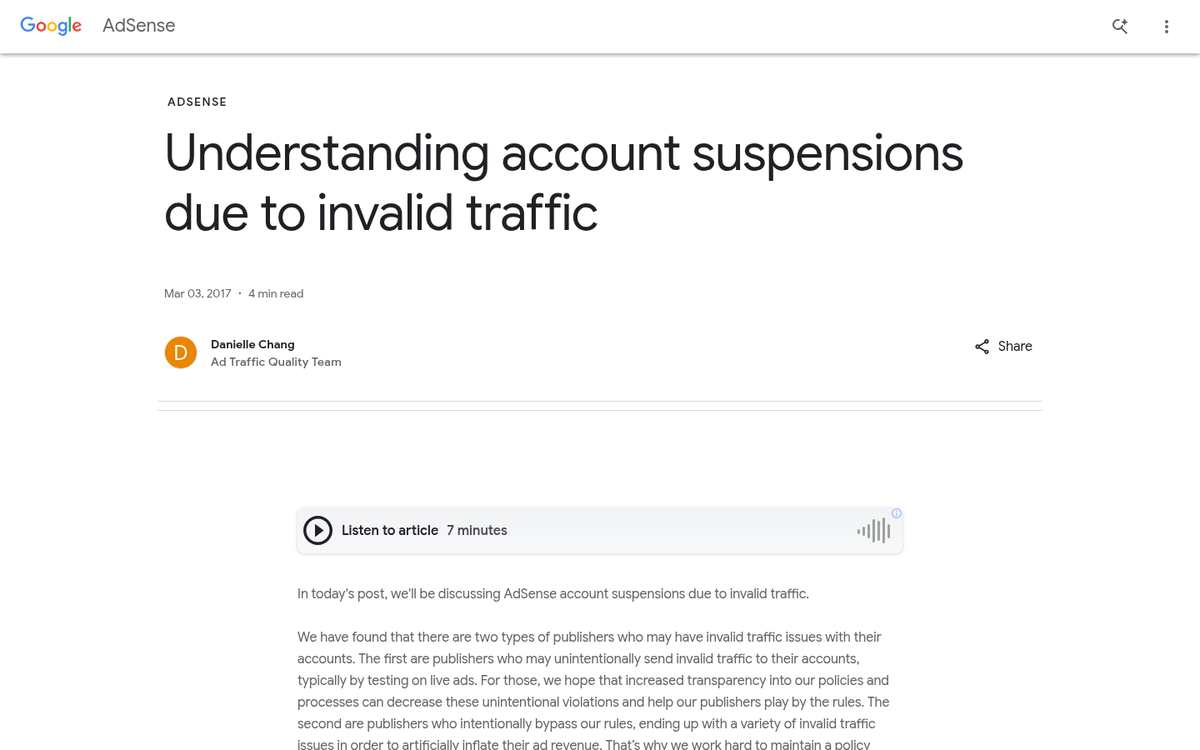
- Ad networks like Google AdSense detect invalid traffic and may suspend or permanently ban your account.
- Link-blasting methods used by sellers damage your backlink profile, triggering Google penalties that can crater search rankings.
- Domain trust, once compromised early, takes years to repair in an increasingly sophisticated enforcement environment.
Why Buying Traffic from Fiverr is a Terrible Idea
The title somewhat spoils where I'm going with this, but bear with me for a moment. Pretend you're a young entrepreneur looking to start a web business. You read hundreds of articles, gather advice from dozens of colleagues, and after months of preparation, you feel ready to launch.
You hire a talented firm and design a website. You hire a few writers and build up a backlog of content. You carefully research your niche, gather a list of keywords, and set up your campaigns. Everything is in place; all you need to do is gain traffic. You launch your site.
Days pass and your hits number in the dozens. Weeks pass and growth is stagnant. Something is clearly wrong. People just aren't showing up the way you need them to. You're losing money, and organic traffic feels painfully slow. You need a jumpstart.
Then you stumble upon what looks like the perfect solution: a Fiverr gig promising thousands of visitors for just five dollars. It sounds like a bargain. It sounds like a steal.
Don't do it. When you buy traffic from Fiverr, one of two things will happen. Either you get the traffic or you don't - and trust me, the first option is by far the worse of the two. If nothing comes in, you've wasted $5 and moved on. If traffic floods your site, you could be doing damage that takes months to undo. Here's why.
Your Visitors Are Fake

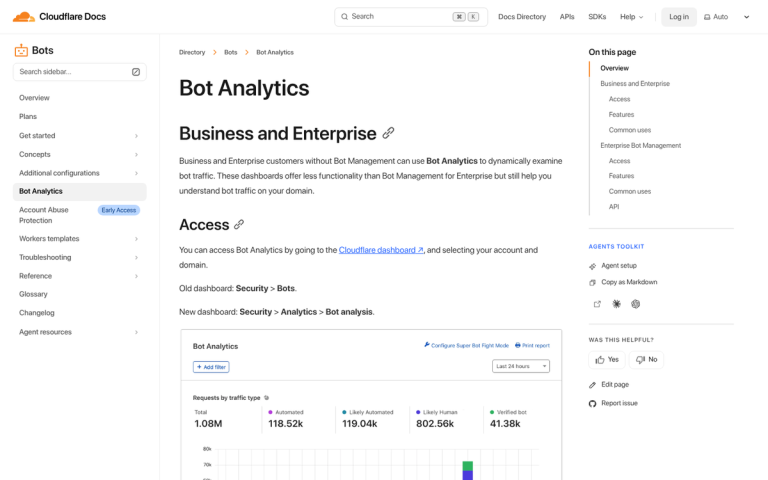
This is the most fundamental problem with buying traffic from Fiverr. The overwhelming majority of what you receive is bot traffic - automated scripts hammering your domain with pageviews that mean absolutely nothing. Researcher Tom Maiaroto documented this in a direct experiment, finding that Fiverr bot traffic produced an average of 0-2 seconds spent on page and a near-perfect 99-100% bounce rate. These bots don't click your ads. They don't buy your product. They don't share your content or tell anyone about your business. Nothing you actually want from a real visitor happens with a bot.
The bot problem is bigger than most people realize. According to Imperva's research, one global talent agency discovered that 83% of its website traffic was coming from bad bots - despite having spent over $100,000 on advertising. Bots now account for roughly 45% of all web traffic, with many businesses reporting that 70-90% of their clicks are bot-generated. This isn't a fringe issue anymore; it's an industry-wide crisis, and buying traffic from Fiverr is voluntarily throwing yourself into the deep end of it. If you're unsure whether your own analytics are being skewed, blocking unwanted spam bot traffic is a good place to start.
Sometimes the method isn't a simple refresh bot, but rather a script that mass-posts your link across hundreds of low-quality social bookmarking sites to generate referral traffic. This might sound slightly more legitimate at first glance, but all it really does is spam your link in places completely irrelevant to your business. If you sell handmade furniture, your link does not belong on a forum full of cryptocurrency traders - and Google knows it.
It's also worth noting that Fiverr's own Community Standards now explicitly prohibit "sending artificial web traffic to Gigs," classifying it as a violation of platform integrity policies. So beyond hurting your own site, you're engaging with sellers who are breaking their own platform's rules from the start. It's also worth asking whether buying traffic can hurt your Google rankings in the long run - the answer is rarely encouraging.
Your Bounce Rate Skyrockets
Since the traffic arriving at your site is either automated or sourced from completely unrelated corners of the internet, those visitors have zero interest in what you're offering. Maybe one in a thousand stumbles across something relevant, but the rest leave within seconds - if they were ever really "there" at all. Your bounce rate will skyrocket.
A sky-high bounce rate combined with negligible engagement gives you almost nothing useful to work with when trying to grow and optimize your site. And when the gig expires, the traffic falls off a cliff. You'll be left with inflated historical data, a distorted analytics baseline, and maybe a handful of real users if you're lucky. That kind of dramatic traffic spike followed by a sudden drop is highly visible to third-party tools, advertisers, and potential partners - and it will follow your domain's reputation for a long time.
Your Engagement Metrics Become Meaningless

Engagement is the real currency of a healthy website. When a genuine visitor arrives, they read your content, explore your pages, maybe click through to a product or sign up for your newsletter. These behaviors tell you what's working and what isn't. Tracking engagement is one of the most important indicators of real growth.
When you flood your analytics with fake traffic, those numbers become completely useless. Your session duration crashes. Your pages-per-visit flatlines. Your conversion rate - which might have been small but meaningful - gets diluted into statistical noise. You lose the ability to make informed decisions about your content and your marketing because your data no longer reflects reality. You're essentially flying blind while paying for the privilege.
Your Ad Partners Will Drop You

Many new sites rely on ad networks like Google AdSense or display advertising platforms to generate early revenue. These platforms are far more sophisticated than they were even a few years ago, and they take invalid traffic extremely seriously - for good reason.
The financial scale of the problem is staggering. By the end of 2020, global losses from invalid clicks had already reached an estimated $23.786 billion, with the United States alone accounting for $9.06 billion. By 2024, advertisers were projected to waste over $71 billion globally on invalid traffic - a 33% increase from 2022. Ad networks are acutely aware of this and have invested heavily in detection systems.
If you're buying thousands of hits from a handful of rotating IP addresses, those platforms will notice. In the short term, your account may be suspended while they audit your traffic, with payments withheld during that period. In the longer term, you risk being permanently banned from the program entirely. Any network that doesn't bother flagging your fake traffic almost certainly pays out fractions of a penny per thousand views - you won't come close to earning back your $5. If you do find yourself trying to recover a suspended AdSense account, the process is far more difficult than simply avoiding the problem in the first place, and buying website traffic is rarely safe for Google AdSense no matter the source.
Your Link Profile Gets Torched
If the Fiverr seller is using link blasting to drive your traffic, your backlink profile is going to take serious damage. Links from low-quality, spammy, or irrelevant sites pass negative signals to Google and can result in manual or algorithmic penalties that crater your search rankings.
Sellers in this space almost universally claim their methods are safe, undetectable, or use "white hat" techniques. This is almost never true. You may see a brief, unexplained bump in traffic for a few days while Google processes the new links - but once its systems assess the quality of that link profile, the penalty follows. At that point you're spending days or weeks filing disavow requests and waiting for a recovery that isn't guaranteed to come quickly.
Your Domain's Reputation Takes a Long-Term Hit
Trust is genuinely hard to earn - from users, from advertisers, and from Google. It's built slowly through consistent, legitimate effort: quality content, real backlinks, authentic engagement, and a clean traffic history. Compromising that trust early in your site's life doesn't just cost you now; it sets a damaged foundation that can take years to fully repair.
The web in 2026 is a far less forgiving environment for manipulation than it was even five years ago. Google's systems are more sophisticated, ad networks are more aggressive about enforcement, and users are more skeptical. The shortcuts that might have worked in 2013 are not just ineffective today - they're actively harmful.
If your traffic is growing slowly, that's a problem worth solving. But the solution is better content, smarter SEO, genuine community-building, and targeted paid advertising through legitimate channels. Spending $5 on Fiverr bot traffic doesn't accelerate that process. It sets it back.


4 responses
Thoughtful replies only - we moderate for spam, AI slop, and off-topic rants.
Thank you, it is really suspicious from what all that traffic comes from for 5$, for sure it must be some kind of bot. But does this mean that the only safe way of investing on traffic is through ads?
What do you think about "real human traffic" in fiverr?
You could send me the email. I wanna know that.
I think fiverrs uses bots to cheat customers.
im on my second how do i stop it
Definitely not the best thing for your website. Bots are very harmful as well as unqualified traffic. It is highly unlikely that any one person is going to just have a pool of contacts, subscribers or cookies of users that meet the exact customer persona for your business. Great read, keep up the good work 🙂