





There are several kinds of traffic you can get as a website owner, and chances are you're going to see them all, often at the same time. Your goal, through advertising, SEO and smart decisions, is to encourage the right kind of traffic and discourage the wrong.
Key Takeaways
- Bot traffic inflates hit counts without engagement; search engine bots like Googlebot are exceptions and easily filtered in analytics.
- Clickfarm and bot traffic share the same core problem: zero genuine engagement, making all such visits essentially worthless.
- With 65% of searches ending without a click, the traffic that does arrive must be genuinely interested to matter.
- Engaged users directly improve SEO through higher dwell times, and fewer but better visitors can outperform raw traffic volume.
- Content creators who link to your site are the most valuable traffic, especially as AI tools increasingly surface cited sources.
Bad Traffic: The Bots
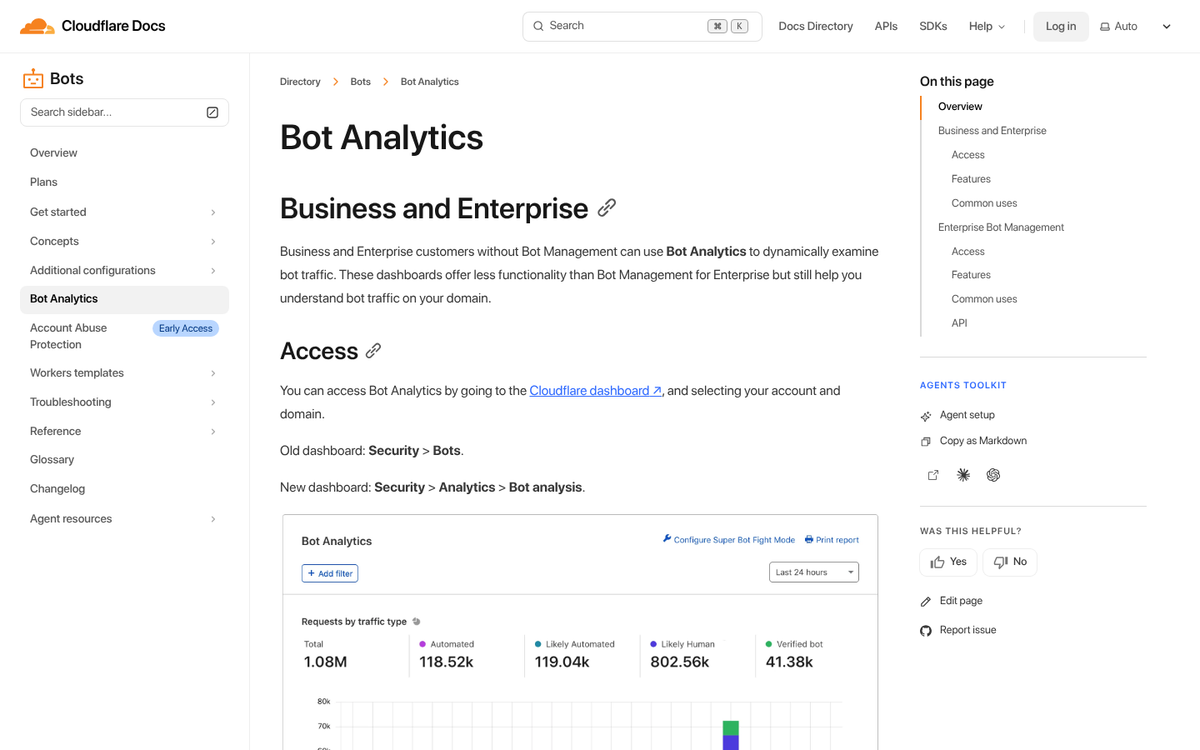
Robotic traffic is the worst of the worst. Software with no human interaction visits your site. Your hit counter goes up by one. The robot might click a link and visit another page, or it might just back away, all in less than a second. Your bounce rate typically increments by one when this happens.
Where does bot traffic come from? Most of the time, it's directed at your site for one reason or another. Most often, this is what happens when you purchase traffic from a low quality seller on a site like Fiverr. Other bots crawl the Internet, looking for open submission forms and comment fields. If they find them, they fill out a comment with spam content and links, or fill a submission form with garbage information. CAPTCHA security tries to prevent this, but sophisticated bots have become increasingly adept at bypassing these protections.
Bots aren't all bad, however. After all, Google uses them, as does every other search engine. Search engines use robots to crawl pages, recording data about them and building a virtual image of them inside the index. The difference is that bots like the Googlebot announce and identify themselves. You can easily filter known bot traffic inside Google Analytics or GA4. It doesn't affect you in a negative way and it never spams you.
Bad Traffic: The Clickfarms
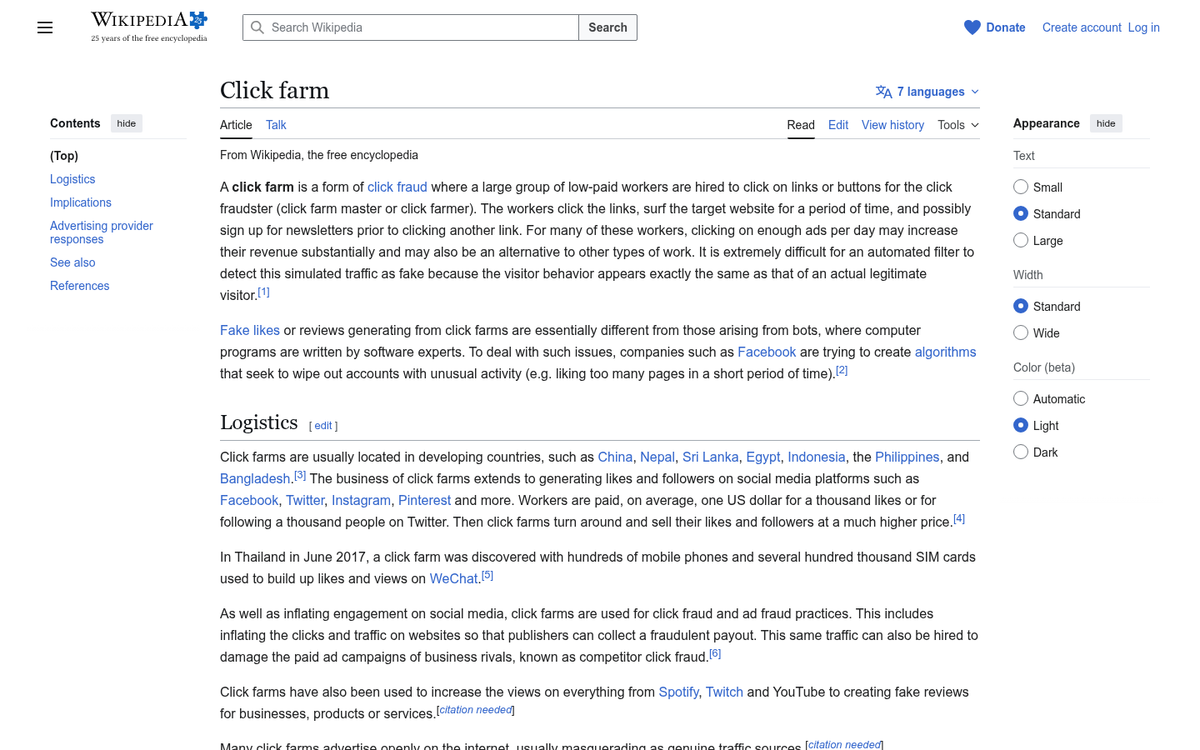
Clickfarms are the next step up on traffic, but they're almost as bad as bots. A clickfarm is typically a bank of human beings in a developing nation such as Egypt, India or Bangladesh, spending their days running numerous accounts and browsers, liking pages and clicking links to simulate engagement.
Clickfarm traffic is bad for one reason, and this is a reason you're going to see come up in every form of bad traffic: no engagement. A robot has no engagement with your site. A clickfarm worker has no engagement with your site. Even the most relevant human being living next door to your business is bad traffic if they have no engagement with your site.
Clickfarm traffic is easy to identify, at least, due to its location of origin. The reason developing nations are the source is because the cost of living is so much lower than in the nations of the people buying traffic. Thankfully, if you're not purchasing traffic from shady sellers, you're unlikely to encounter much in the way of clickfarm traffic. In 2026, most reputable ad platforms have improved fraud detection significantly, but the problem hasn't gone away entirely, especially on lower-tier ad networks.
Median Traffic: Disinterested Users
The next step up is the more legitimate traffic source: real users.
Why are real users bad? Well, they're not necessarily bad at all. That's why they're listed as median traffic rather than bad traffic. Having a large volume of incoming disinterested users isn't a bad thing on its own. If you've ever had a post - an infographic, video, or top ten list - go viral, you know a huge amount of traffic comes in but engagement numbers stay low.
The problem with a disinterested user is that they're so close, and yet so far from being a valuable addition to your page. It's like attracting a vegan foodie to your blog about bacon recipes. The venn diagram of your interests is an almost perfect overlap, save for the one factor - in this case, the bacon - that keeps them from converting.
This matters more than ever in 2026. With nearly 65% of all searches now ending without a click to any external website, the traffic that does land on your site needs to count. You can no longer rely on raw volume to carry your numbers. Organic search conversion rates average around 2.4-2.7% across industries, so disinterested users dragging that number down is a real problem worth addressing.
So what are some warning signs that you have disinterested traffic?
- Your pure traffic numbers are up, but your conversion rates are low and you have low engagement.
- Your traffic is high, and almost none of it is coming from outside of the country.
- Your bounce rate is unusually high and your time on site is low.
- Users coming in from referrals aren't converting.
How can you take steps to weed out disinterested users or make them more interested? That's a whole other topic in itself, but here are some basic tips:
- Make sure your site has a clear goal, generally of selling your product or service.
- Make sure your content is focused on achieving that goal, not just driving clicks.
- Make sure your advertising is targeting the right kinds of users with the right intent signals.
Demographics are important here. With the vegan and bacon example above, it does you no good to run advertising that targets vegans; you know they're never going to convert. Instead, you have to monitor the types of users who actually convert on your site, figure out what kinds of people they are, and target more people like them. In 2026, tools like GA4's predictive audiences and first-party data segments make this more achievable than ever before - use them.
Good Traffic: Interested Users

So how about some good traffic? One of the best kinds of traffic you can get is the genuinely interested user.
Who is the interested user? For your bacon recipes site, they're people who love bacon. They're the people who visit your site and stick around for a while. Maybe they click through five or six pages before checking out what products you sell. Maybe they bookmark your site for later. Maybe they share a favorite post or tell their followers about your page.
All of those actions fall under the heading of engagement. Your interested users are the users who stick around and do something that helps your site. And according to Backlinko's analysis of over 11.8 million Google search results, pages with higher average dwell times tend to rank higher - meaning your engaged users are directly helping your SEO, not just your conversions.
This is a point worth sitting with. One home services business saw organic conversion rates jump 10% and total leads increase 8% year-over-year, even as raw traffic declined. Fewer visitors, better results. That's what happens when you stop chasing volume and start attracting the right people.
In order to attract these users, you need to know who they are. That means taking a good, long look at your analytics. Filter your traffic by engagement, look at the demographic information about the people most likely to convert, and use that data to shape your targeting going forward.
Good Traffic: Interested Content Creators

You may have noticed the phrase "one of the best" kinds of traffic above. That's because there's one type that's even more valuable: content creators who are genuinely interested in your space.
One of the most powerful ranking signals is still a quality backlink. A followed link from a relevant, authoritative blog carries real weight. If you can attract users who are both interested in your site and owners of similar sites themselves, you have the foundation of an excellent long-term partnership. These are the people who will reference your content naturally, promote your site to their own audiences, and send you consistent referral traffic over time.
In 2026, this matters even more given how the search landscape has shifted. With up to 68% of B2B buyers now starting their vendor discovery inside AI tools like ChatGPT or Perplexity before ever touching Google, being cited and referenced by credible content creators across the web is one of the best ways to ensure your brand shows up in those AI-generated responses. The old advice still holds - find these users, nurture the relationship, and they'll promote your site indefinitely. The channels have changed; the principle hasn't.


2 responses
Thoughtful replies only - we moderate for spam, AI slop, and off-topic rants.
I really enjoyed your article, Because I learn many new things from your blog. Before that, I don't know about good traffic and bad traffic difference and How to create quality backlinks to the website? Can you give me any suggestions for that?
Hi Sreelatha! So glad the article was helpful to you! Building quality backlinks really comes down to focusing on relevance and authority. Try guest posting on reputable blogs in your niche, creating shareable content that others naturally want to link to, and engaging in genuine relationships with other bloggers and website owners. Also, getting listed in industry-specific directories can help. Remember, one high-quality backlink from a trusted source is far more valuable than dozens of low-quality ones. Keep learning and experimenting - you're on the right track! 😊