Social media is something of a double-edged sword. On one hand, it has fantastic marketing potential. Never before in the history of marketing has it been so easy and so inexpensive to contact so many people in a short amount of time. If the message you deliver to those people is one of value, you can pull in an incredible amount of conversion traffic. On the other hand, it's like walking a tightrope. To one side, you have the steep fall that comes from being too annoying to attract and keep users - and a Capterra survey found that a staggering 91% of users already feel they see too many ads on social media. On the other side, you have the equally steep fall of a public meltdown or insensitive comment that causes a viral explosion of negative press you may never live down. How can you avoid the pitfalls and walk the tightrope successfully?
Key Takeaways
- 91% of users already feel they see too many ads; balance promotional content with genuine social value to avoid alienating followers.
- Use hashtags strategically per platform - sparingly on X and LinkedIn, purposefully on Instagram and TikTok, and minimally on Facebook.
- Overly promotional posts backfire: after four repetitions of the same creative, click likelihood drops roughly 45%, per Meta research.
- Honesty beats bragging - 37% of users have blocked brands and 35% unfollowed due to excessive or misleading advertising.
- Whatever your audience sees should feel human; automation beyond post scheduling quickly erodes trust and credibility.
Use Hashtags Strategically Across Platforms
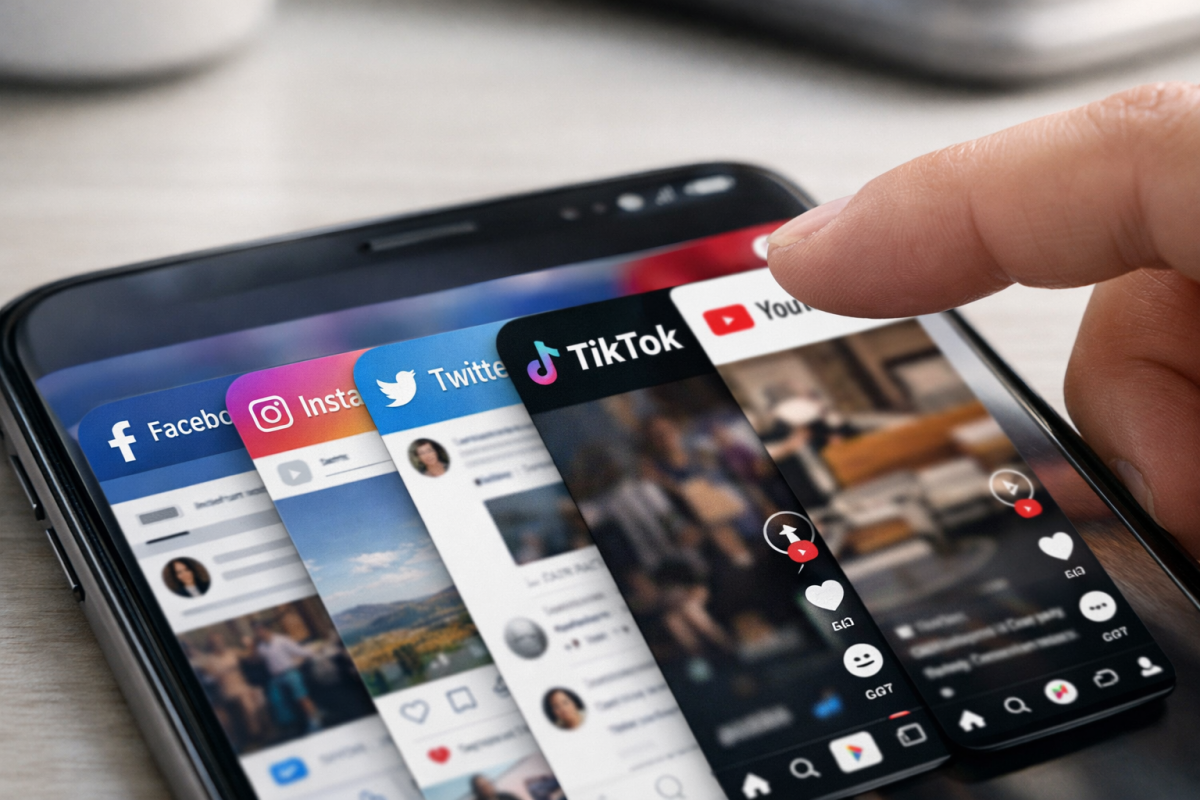
Hashtags work very differently depending on where you're posting. On X (formerly Twitter), taking up too much space with hashtags is a grievous offense. The ideal hashtag should be virtually invisible - used more to categorize the post and make it available to a certain community than to be valuable in itself. Always search a hashtag before you use it to know what's already there, and don't try to hijack an active hashtag with your own ad campaign; create a new branded hashtag instead.
On Instagram and TikTok, hashtags carry more discoverability weight, but the same principle applies: use them purposefully and sparingly. A handful of highly relevant tags will outperform a wall of generic ones every time. On LinkedIn, hashtags are useful for topic categorization but shouldn't dominate your post. On Facebook, heavy hashtag use has consistently been shown to lower engagement, so treat them as optional at best.
Don't Post Personal Information

Social media is highly social, but that doesn't mean it's highly personal. If your social media manager is posting about irrelevant personal antics or oversharing behind-the-scenes drama, they're straying well into the world of too much information. Another kind of personal information is anything your users give to you in confidence. If a user comes to you with a problem via direct message, don't out them publicly and post the answer on your feed. Treat them with more respect than such actions convey. In an era where data privacy is under intense scrutiny, reviewing our privacy policy and similar guidelines matters more than ever.
Always Be Positive

Maintaining a positive attitude is important for a brand on social media. Users are less likely to click your links or convert when you make them feel bad, even if you're trying to guilt them into clicking. If you're wondering why nobody is clicking your affiliate links, emotional manipulation could be a factor. Trying to manipulate the emotions of your users is bad enough, but doing it through emotional blackmail will destroy your audience. Research from Clutch found that 63% of consumers respond positively to inspirational or informative content that provides emotional or practical value - so lead with that instead. There's enough depressing noise in the world; you don't need to add to that burden. Consider the emotional impact of anything you're going to post, and think twice before publishing anything with a needlessly negative slant.
Avoid Jargon and Buzzwords
The problem with much of the brand communication that happens today is the obfuscation of core values through the application of a predominantly multisyllabic vocabulary backed by a dearth of meaning. Or, to put that in plain English: don't use long words, complex phrases, jargon and buzzwords to hide that your content has no value. This is especially true in 2026, where audiences have become remarkably good at sniffing out hollow corporate-speak - and remarkably quick to scroll past it.
Favor Honesty Over Bragging
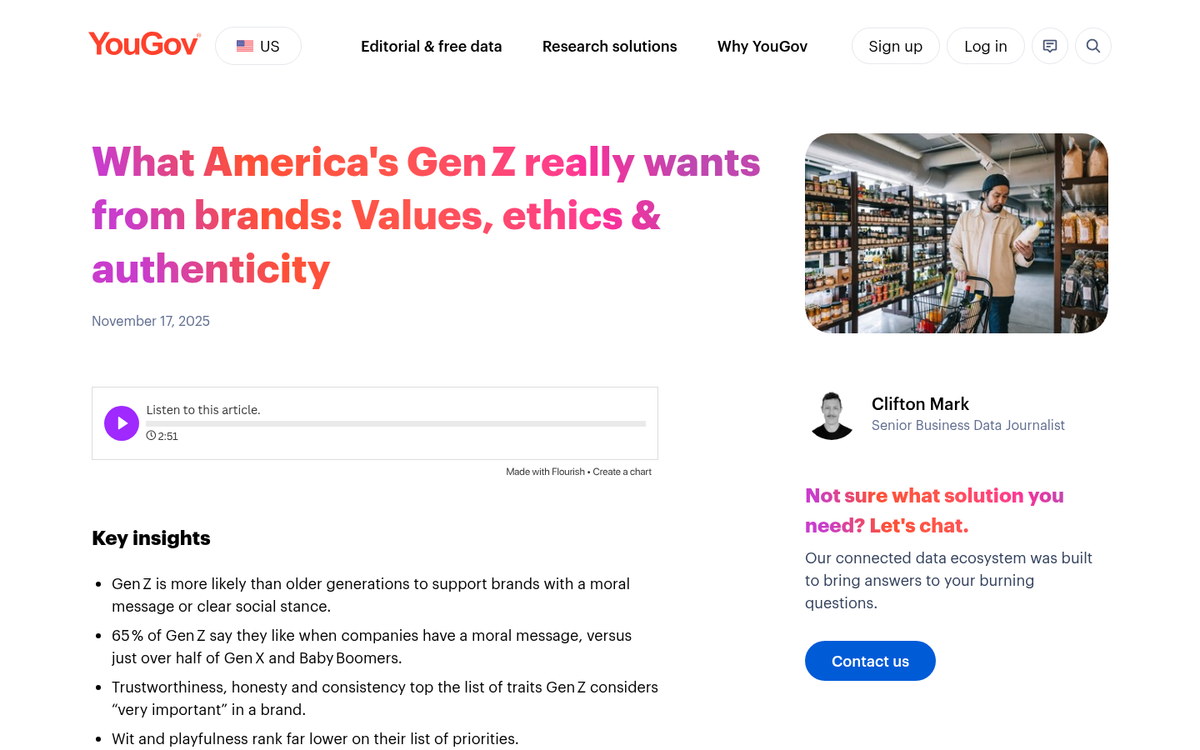
Honesty is the best policy. It helps users trust you in a way that bragging and inflating your own worth never will. If you promise the world and only deliver a box of dirt, you lose credibility fast and gain a lot of negative word of mouth even faster. On the other hand, if you present yourself honestly and consistently go above and beyond, you end up genuinely impressing your audience and building a positive reputation that compounds over time. With 37% of users having blocked specific brands and 35% having unfollowed a brand in the past year due to excessive or misleading advertising, authenticity isn't just nice to have - it's a competitive advantage.
Don't Post Too Often - But Don't Disappear Either
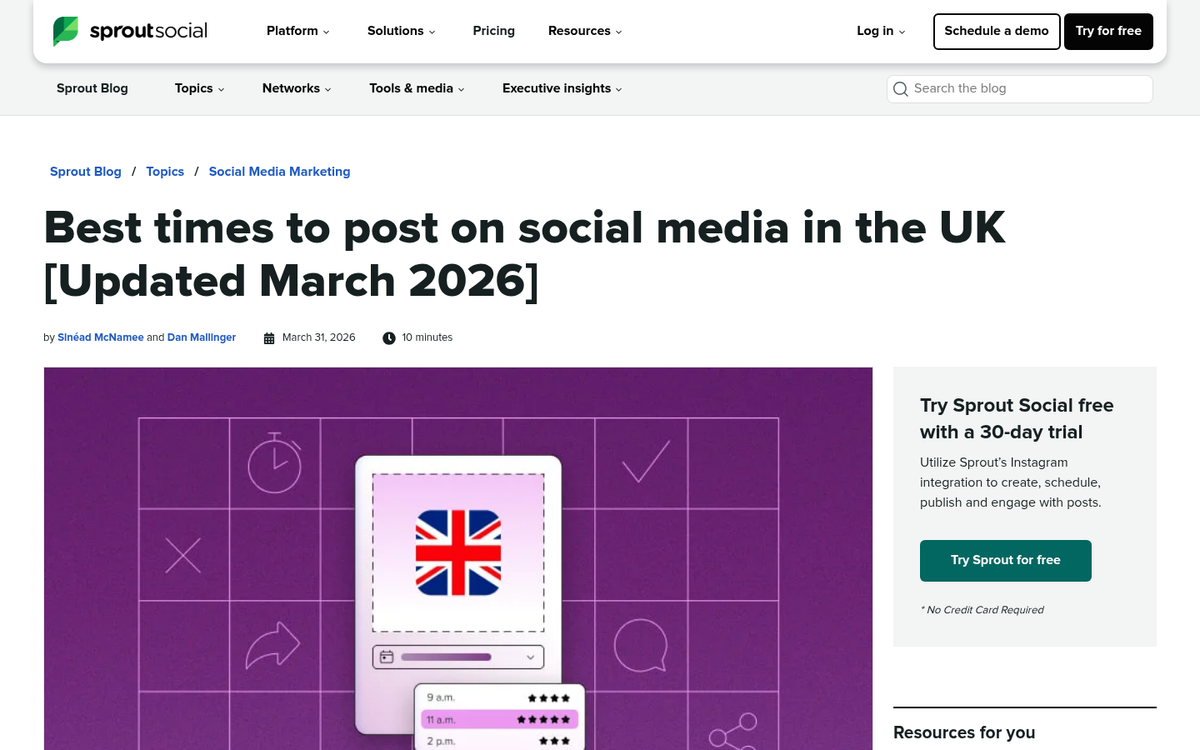
How often should you post on each platform? The answer varies depending on your audience, their engagement level, and the platform itself. As a general rule in 2026: X and Threads can support more frequent posting if you have something genuinely worth saying. Instagram and LinkedIn reward quality over quantity - one to two strong posts per day on Instagram, and a few per week on LinkedIn. TikTok favors consistency and volume more than most platforms, but even there, filler content will hurt you. Facebook has declined significantly in organic reach, so prioritize quality over frequency.
Whatever cadence you choose, stick to it. The longer your audience goes without seeing your posts, the less likely they are to see them later - let alone seek them out. Most platform algorithms interpret long silences as low relevance and deprioritize your content accordingly. How frequently you create content matters just as much as where you post it.
Keep CTAs Rare and Rotate Your Creative
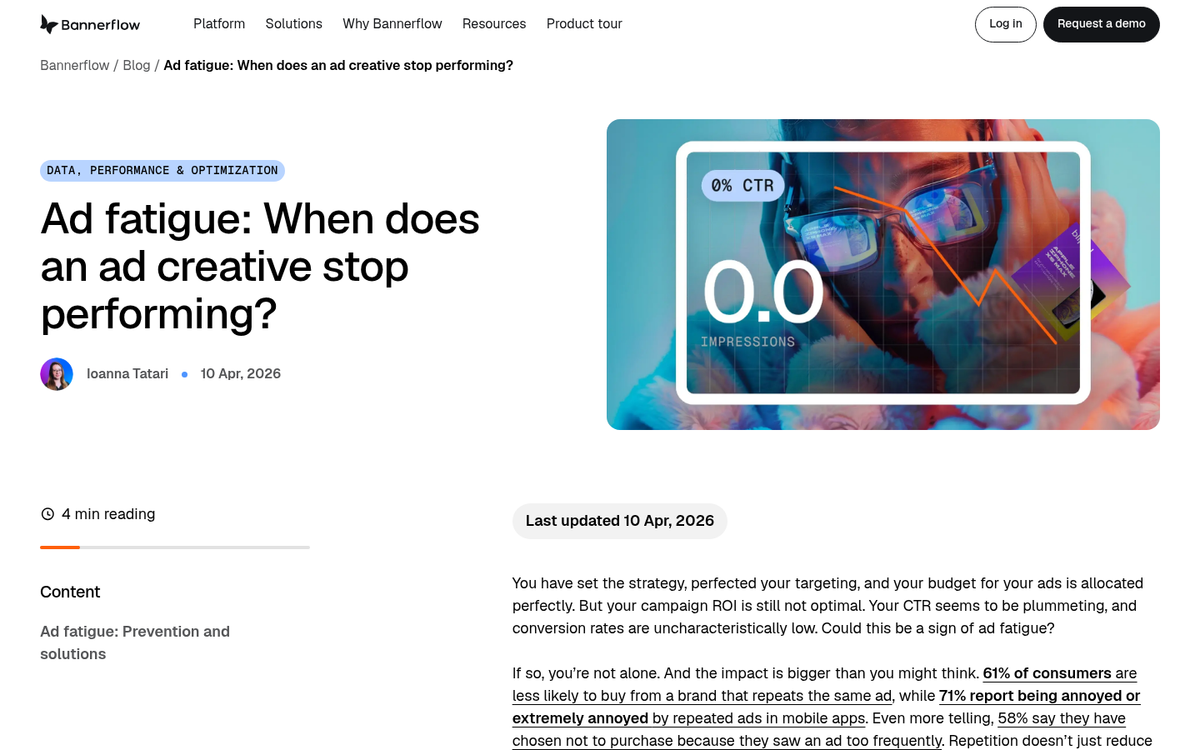
When you're too promotional, you're going to see audience backlash - and the numbers back this up. A Meta Platforms study found that after just four repetitions of the same creative, click likelihood drops by roughly 45%. Meanwhile, 44% of users already find social ads irrelevant to their needs. It's okay to advertise when you've posted a new blog post or launched a new product. It's not okay to make every single post a call to like a page, follow a blog, buy a product or leave a review. You alienate a large part of your audience with each overly promotional message. Remember, social media is about building social relationships - not turning your followers' feeds into an extended commercial.
The solution isn't just fewer CTAs - it's smarter ones. An Epsilon report found that 80% of consumers are more likely to purchase when brands offer personalized experiences. Tailor your messaging, rotate your creative frequently, and make sure your CTAs feel like a natural next step rather than a hard sell.
Respond and Engage
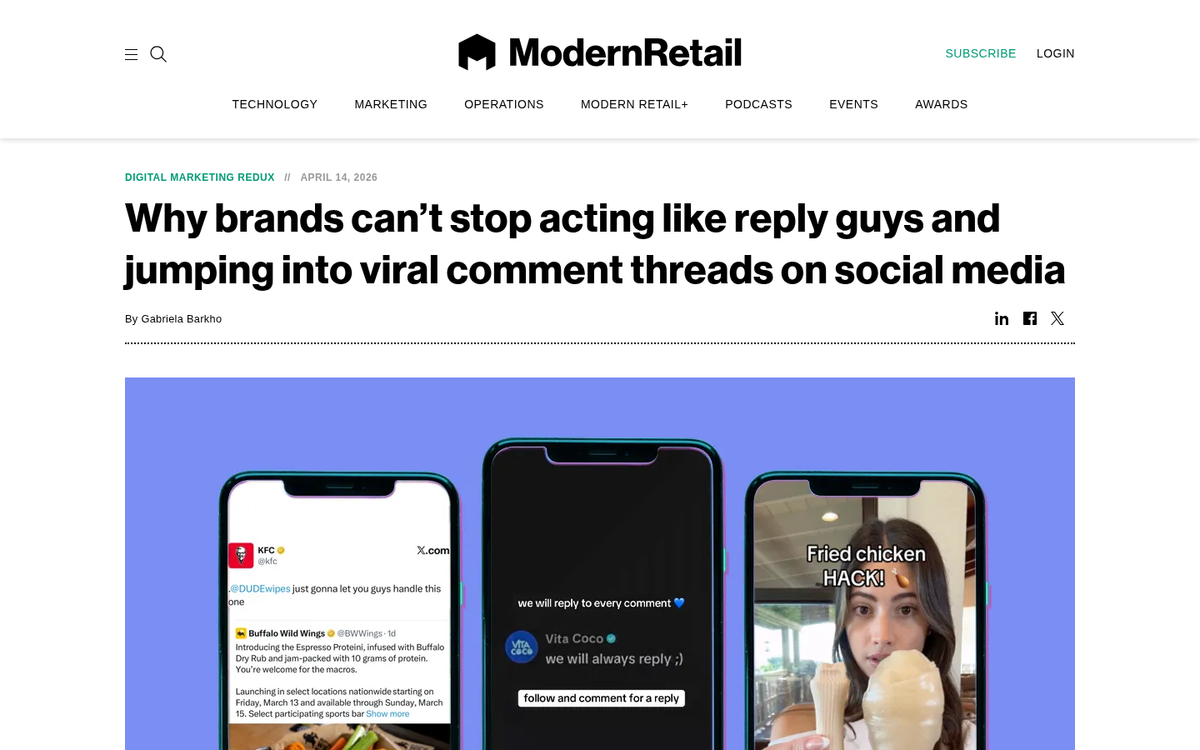
This tip goes hand in hand with the above point. Your users are on social media to be social, which means they want to treat your brand more like a person than a faceless corporation. Encourage that impression. When a user posts a comment, respond to it. When a user compliments you, thank them. When a user posts a negative review, reach out and address it genuinely. In 2026, responsiveness is table stakes - users expect a reply, and they expect it quickly. Treat your customers as people and they'll reward you in turn.
Minimize Automation - But Use AI Tools Wisely
Post scheduling remains the one form of automation that's universally acceptable on social media. Beyond that, be cautious. Automated follow-for-follow tactics, bot-style comment responses, and generic AI-generated replies are easy to spot and will erode trust fast. That said, AI tools have genuinely evolved - using them to help draft content, analyze performance, or brainstorm ideas behind the scenes is perfectly reasonable. The line to hold is this: whatever your audience sees should feel like it came from a human who actually cares. The moment your profile starts feeling like it's run by a robot, you've already lost the plot.