Hashtags were more or less invented in 2007, when Chris Messina, a Google designer, thought about creating them as a way to indicate groups and topics for discussion. If you wanted to talk about a particular event, you might use #EventName and your message in a tweet. Back then, Twitter didn't create links out of tags. Many people criticized the idea, mostly due to not knowing how it would work. After all, there was no functionality for it.
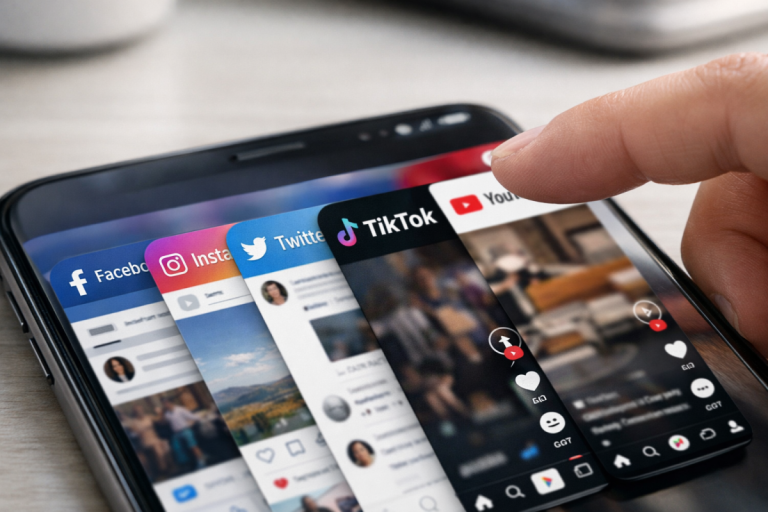
Today, of course, hashtags are everywhere. They're a staple of what was once Twitter - now rebranded as X - along with reposts and @mentions, and they're virtually required for success on Instagram. Using them properly is the key to success on social media today. History was made when Summize, a search engine acquired by Twitter, linked tags. The rest fell into place from there.
Key Takeaways
- Branded hashtags let you market freely and encourage user engagement without intruding on unrelated conversations.
- In unbranded hashtags, focus on providing helpful content rather than direct marketing to avoid being seen as a shill.
- Optimal hashtag counts vary by platform: 1-2 on X, around 9 on Instagram, and minimal on Facebook.
- On Facebook, hashtags actively hurt reach - engagement drops significantly as hashtag count increases.
- Avoid hashtag abuse: never hijack trending or sensitive tags, as it can seriously damage your brand's reputation.
Tip #1: Use Branded Hashtags
Hashtags come in two flavors; branded and unbranded. Unbranded hashtags tend to be insanely popular when they're common terms. Just imagine how many people are throwing their pictures into the #cute tag or the #selfies tag or the #cats tag. You can't really use these for marketing, because the people who use them for conversation and communication view it as an intrusion. It's much like if you saw two people on the side of the street having a private conversation, and you approached them to talk about their views on Jesus.
Branded hashtags, meanwhile, are tags that are relevant only to your company and to your marketing. You're much more freely able to use them for advertising, because that's basically their entire purpose. If your company is named Example, and you're having a contest, you could do all the marketing you want in the #ExampleContest tag and no one would bat an eye.
Branded hashtags are also great for user communication. If you have that #ExampleContest going, and your users have some comments about it, you might see "Hey @Example, here are my thoughts about #ExampleContest!" You'll see people posting links to blog posts where they mention your tag, and so forth.
Make sure you look at your tags from every perspective before you put them to use. For one thing, you need to make sure you're not accidentally stepping on another brand's toes or co-opting a branded tag from a while ago. You also need to make sure you don't have any awkward word joins. Pen Island might want to rephrase their name before using #penisland, for example.
Tip #2: Contribute to Popular Hashtags

Branded tags are great, but they aren't where everyone hangs out. They're like a little room off the side hall that's dedicated to you. It's cool to be able to speak freely about your company and your marketing there, but it's going to have a much smaller audience than what you get in the unbranded tags.
The key to using unbranded tags is to keep your content as generic as possible. Don't go in trying to market; go in trying to help. Be a provider of information. Be a resource. Don't be a shill.
It's easiest for some brands to make use of visual hashtags when promoting themselves casually. For example, a brand focusing on hiking gear can post pictures of people hiking or scenic destinations for hiking, which may include their products. There's no branded message, there's no call to action, there's just a cool shot that shows the brand is in touch with their users.
Tip #3: Select the Right Platform
Hashtags work on a lot of sites, and they don't work on others. The platform you choose matters enormously, and so does how many hashtags you use on each one.
On X (formerly Twitter), less is more. According to Buffer, tweets with just 1-2 hashtags get twice the engagement and 55% more retweets than those without. Add more than 2 hashtags, and engagement actually drops by 17%. Keep it tight. You might also want to consider what percentage of Twitter users are on mobile devices when crafting your hashtag strategy.
Instagram is a different story entirely. Posts with around 9 hashtags tend to perform best, receiving 28% more engagement compared to posts using fewer or more. Instagram's entire discovery infrastructure is built around tags, so using them strategically is essential.
Facebook is the big cautionary tale. Data shows that using just 1 hashtag on Facebook averages around 593 engagements per post. That number drops to 416 with 3-5 hashtags, falls further to 307 with 6-10, and craters to just 188 with 10 or more. On Facebook, hashtags actively hurt your reach the more you use them. If you're also struggling with other Facebook issues, it's worth reading about why your blog's Facebook Like button may no longer work.
What other platforms use hashtags?
- TikTok uses hashtags prominently, and they play a significant role in content discovery. Using a mix of trending and niche hashtags on TikTok can meaningfully extend your reach.
- LinkedIn uses hashtags and they've become increasingly important for professional content discovery. Using 3-5 relevant hashtags on LinkedIn posts is generally considered best practice.
- Tumblr uses hashtags, though they aren't part of the post itself - they're in a tags section beneath. Some people use them for categories, while others use them as additional sub-dialogue. Often both are true.
- Pinterest uses hashtags in a similar way to Instagram, primarily for content discovery within the platform. If you're active on Pinterest, learning how to properly size your blog images for Pinterest can make a big difference.
The bottom line on platform selection: tailor your hashtag strategy to each platform individually. What works on Instagram will likely backfire on Facebook, and what flies on TikTok may feel out of place on LinkedIn.
Bonus Tip: Don't Abuse Hashtags
Hashtag abuse comes in many forms and can be detrimental to both your marketing efforts and to the patience and attention of your users. Avoid these sorts of mistakes:
- Not using hashtags on a tag-centric platform like Instagram or X is a missed opportunity you can't afford.
- Using too many hashtags is annoying and adds nothing. On X, 1-2 is the sweet spot. On Instagram, around 9 tends to hit peak engagement. Overloading any post with tags signals spam and undermines your credibility.
- Don't abuse hashtags to gain followers. Tags like #LikeForLike and #FollowForFollow are artificial growth methods and can hurt your reputation - and your algorithmic standing - in the long run.
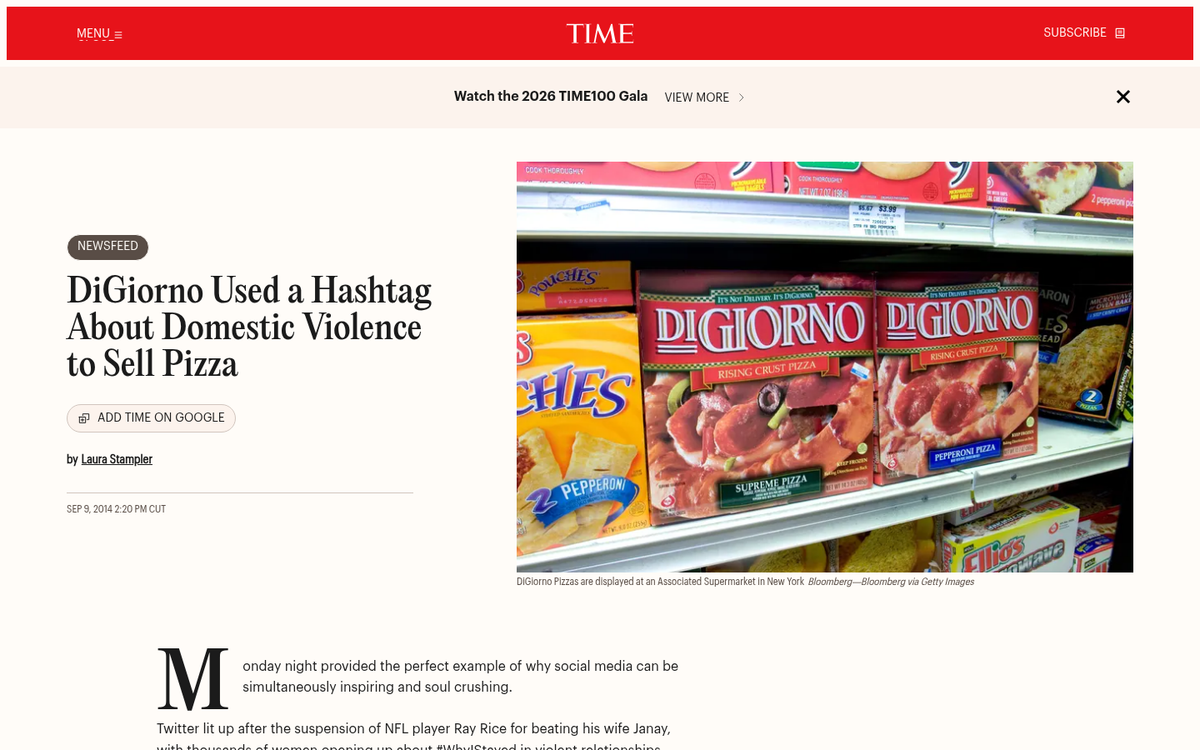
- Don't abuse current events hashtags. DiGiorno famously tried to add their marketing message to a tag called #WhyIStayed with a tweet along the lines of "I stayed because there was pizza!" Sounds harmless enough - except #WhyIStayed was being used by domestic abuse survivors to share their stories. The intrusion was an enormous faux pas and significantly damaged the brand's reputation.
Finally, always give your hashtags a test before rolling them out. Make sure they aren't already being used in a way that conflicts with your intended message. Make sure you aren't stepping on anyone's toes. Make sure they work, and make sure your audience can actually find them.