In general, the answer to "can you buy traffic to X social media page" is going to be "yes." There are, in fact, two real ways to buy traffic to a social media page. Usually, the social network in question will have a legitimate way of buying traffic, typically through an advertising network they own. This will come in the form of promoted posts or promoted accounts. The alternative method is to buy traffic from a third party seller, which could be as legitimate as a managed ad agency, or as shady as a random Fiverr gig promising 10,000 followers for $12.
As you might expect, buying traffic in a legitimate way is always going to be better than the lower quality sources. Low quality sources are generally, at best, going to be broad and untargeted traffic. That means it will have low conversion rates and low engagement rates. Even worse sellers might just give you bot followers rather than real people - and that does absolutely nothing for you. According to a 2024 Imperva report, bots made up nearly 50% of all internet traffic in 2023, with a rising proportion active on social platforms. The fake follower problem is very real: ViralMango estimates the average influencer account carries around 37% fake followers, and about 50% of Instagram influencers have been found engaging in some form of audience fraud. Even major brands have taken notice - Unilever famously introduced strict policies banning partnerships with influencers who artificially inflate their numbers. Public opinion isn't on the side of fakers either: a Pew Research Center survey found 67% of Americans said it would be unacceptable for an influencer to inflate their following with bots.
The bottom line before we dive in: third-party follower sellers typically charge $10-$100 per 1,000 followers, and almost none of those followers will ever buy anything, engage meaningfully, or help your algorithm standing. Spend that money on native ads instead.
Key Takeaways
- You can buy social media traffic legitimately through native ad platforms or via third-party sellers, but quality varies dramatically.
- Fake followers are widespread-roughly 37% of influencer audiences are fake, and bots made up nearly 50% of 2023 internet traffic.
- Third-party follower sellers charge $10-$100 per 1,000 followers, but those followers rarely engage, convert, or improve algorithm performance.
- Each major platform offers native advertising tools; Meta Ads is considered among the most sophisticated due to its detailed demographic targeting.
- Fake engagement risks account penalties-YouTube can demonetize channels, Facebook aggressively purges inauthentic behavior, and Instagram suppresses organic reach.
Buying Traffic for Facebook
The legitimate method for buying traffic to Facebook is to just use Meta Ads (formerly Facebook Ads). Meta's ad platform is probably one of the best ways to buy traffic, engagement, or followers on the web, because there's a massive amount of personal data the platform uses to categorize people into highly specific demographic groups. In 2026, Meta's ad system has only gotten more sophisticated, with AI-driven audience targeting, Advantage+ campaigns, and cross-platform reach spanning Facebook, Instagram, Messenger, and the Audience Network all from a single dashboard.
If you really want cheap traffic, rather than going to third party sellers, you could just tweak the targeting settings Meta offers. Broad audiences and Advantage+ Shopping campaigns can get your cost-per-click down significantly - sometimes to near-penny levels - though extremely cheap clicks often reflect low intent. Still, it's one of the most cost-effective ways to get targeted, valuable traffic online when set up properly.
If you really want to buy traffic from someone other than Meta, you can go the Fiverr route, or look for other companies that sell traffic. Some of them simply manage ads on your behalf, which is perfectly valid, while others use shadier strategies like bot traffic, view swapping, or link redirection. Facebook - and Meta broadly - is one of the networks most aggressive about detecting and purging fake engagement, so I recommend being careful with the cheapest traffic sources. Flooding your account with fake followers can seriously damage your account's organic reach, diluting your real audience and making it harder for your content to reach people who actually matter.
Buying Traffic for X (formerly Twitter)
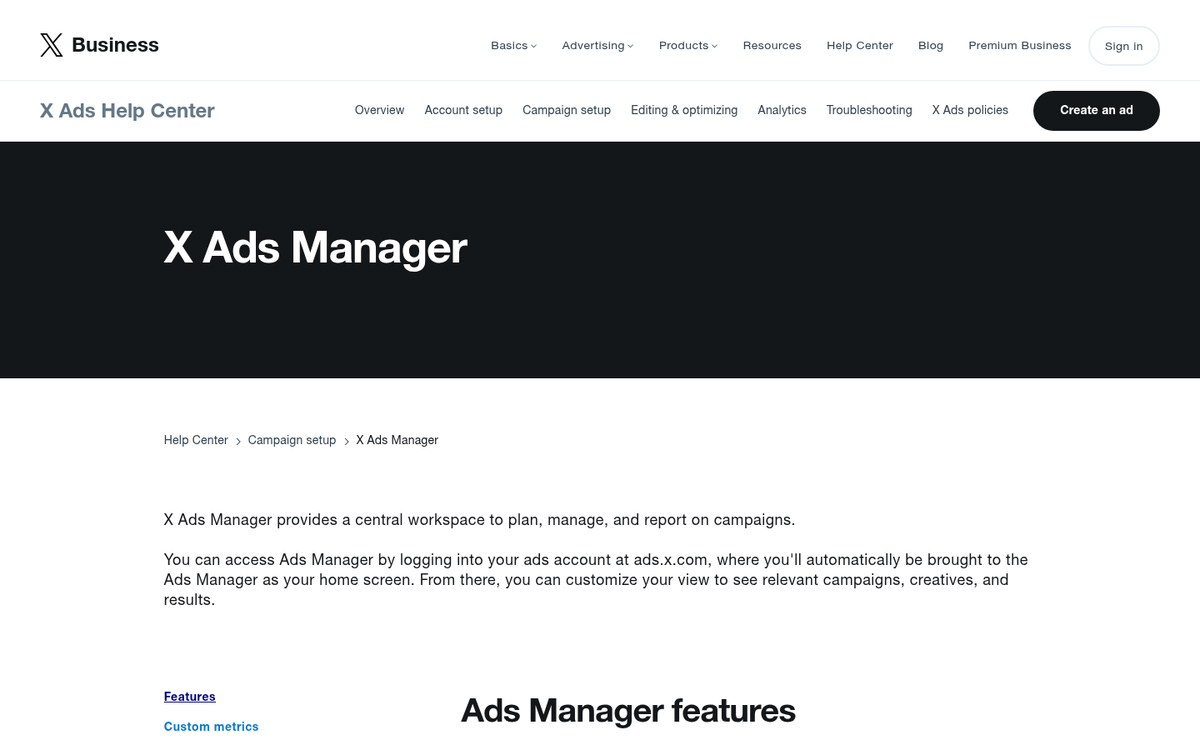
X Ads (formerly Twitter Ads) are freely available to any account that wants to activate them. You can use the platform to promote your profile, promote specific posts, or run broader awareness campaigns. Since Elon Musk's acquisition of Twitter and its subsequent rebrand to X, the ads platform has gone through significant changes - including a revamped self-serve dashboard and updated campaign types - though the targeting options still aren't as granular as what Meta offers.
It's also worth noting that X has a significant bot problem of its own. A 2023 Statista report estimated that nearly 15% of all X accounts are bots or robotically managed. Buying third-party fake engagement on top of an already bot-heavy platform is a recipe for inflated vanity metrics with zero real-world impact.
Overall, I would recommend using X's native ad system or, if you're feeling creative, using Twitter Website Card Ads to boost CTR, or using Meta ads to market to your existing audience and promote your X account. Generating free traffic through Facebook can be surprisingly effective for brand visibility alongside cross-platform audience building.
Buying Traffic for Instagram
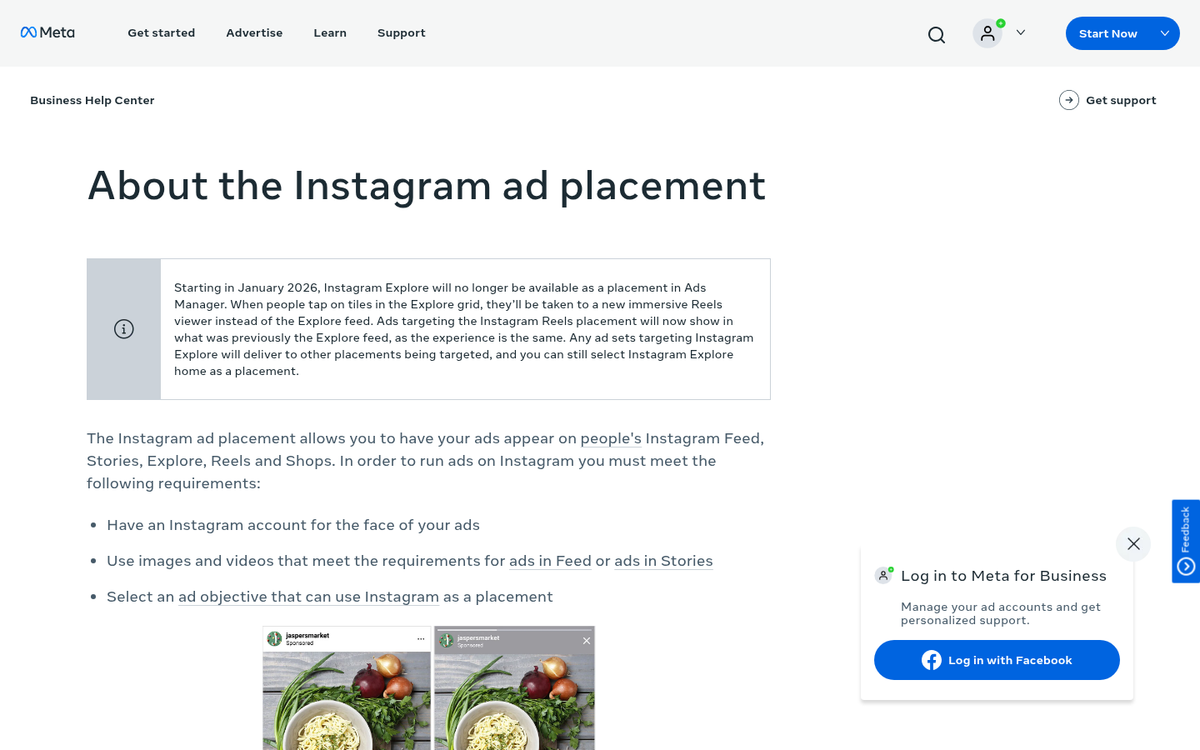
Instagram is a solid network to buy traffic for, if you're doing it legitimately. However, buying lower quality traffic is particularly detrimental on Instagram, because the platform's algorithm is highly sensitive to engagement quality. Posts that accumulate fake likes or followers from bot accounts tend to see a drop in organic reach over time, not an increase.
Everything I said about Meta Ads for Facebook applies directly to Instagram, since both platforms are managed through the same Meta Ads Manager. In 2026, Instagram ad placements include Feed, Stories, Reels, and the Explore tab - giving you a wide variety of formats to experiment with.
The caveat here is that not all targeting options apply equally across placements. Some demographic or behavioral filters will restrict your ad to Facebook only, so you'll want to review your placement settings carefully if you're targeting Instagram specifically. Reels ads in particular have become a high-performing placement worth prioritizing if your content is short-form video.
Buying Traffic for LinkedIn
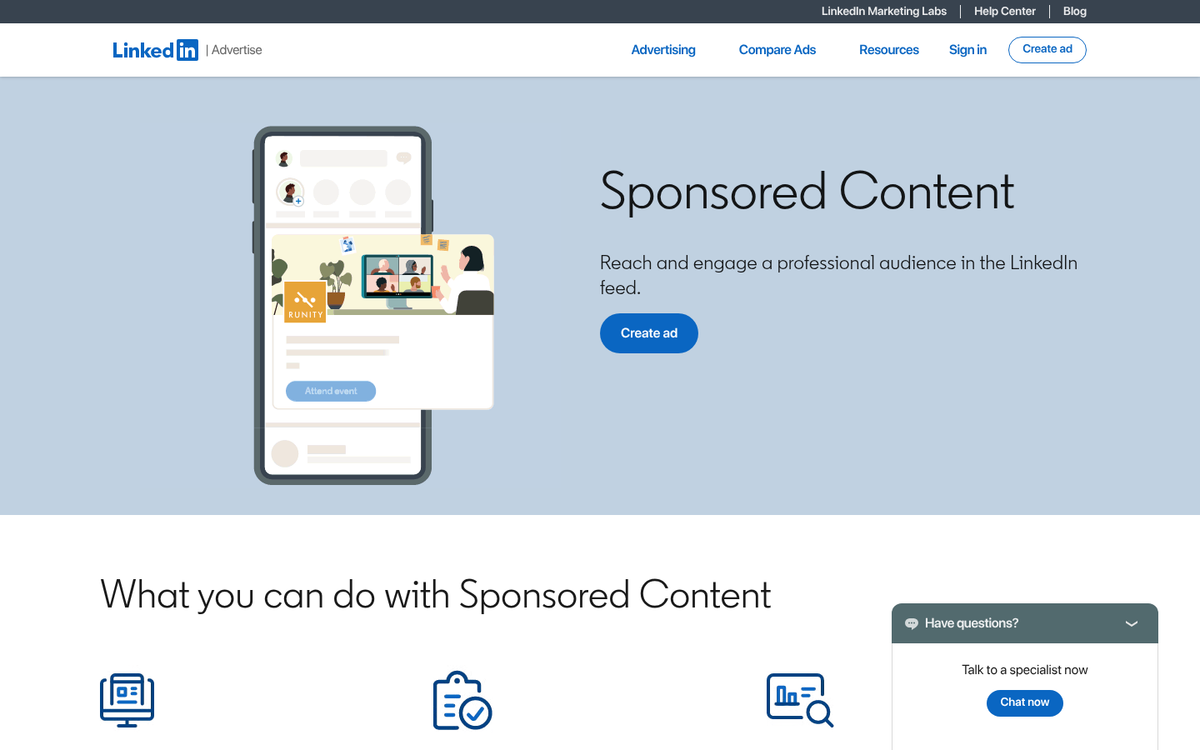
LinkedIn isn't usually the first social network people think of when talking about buying traffic, but it's genuinely underrated for B2B brands. The platform has grown considerably, and its ad targeting based on job title, industry, seniority, and company size is difficult to replicate anywhere else.
If you're going to buy traffic for LinkedIn, you want it to be highly targeted. The goal isn't volume - it's quality. You want connections, leads, and relationships that can turn into employees, partners, clients, or referral sources.
I would strongly advise against third-party sellers for LinkedIn. The traffic will almost certainly be useless, and LinkedIn is not the kind of platform where fake engagement helps you at all. Stick to LinkedIn's native ad system, which has improved substantially in recent years. Sponsored Content, Message Ads, and Lead Gen Forms are all worth exploring depending on your goals.
Fair warning: LinkedIn ads are expensive compared to Meta or Google, often running $5-$15+ per click. But the lead quality in B2B contexts can justify the premium. If LinkedIn is important to your growth strategy, budget accordingly rather than looking for shortcuts.
Buying Traffic for Google (YouTube, Search & Display)
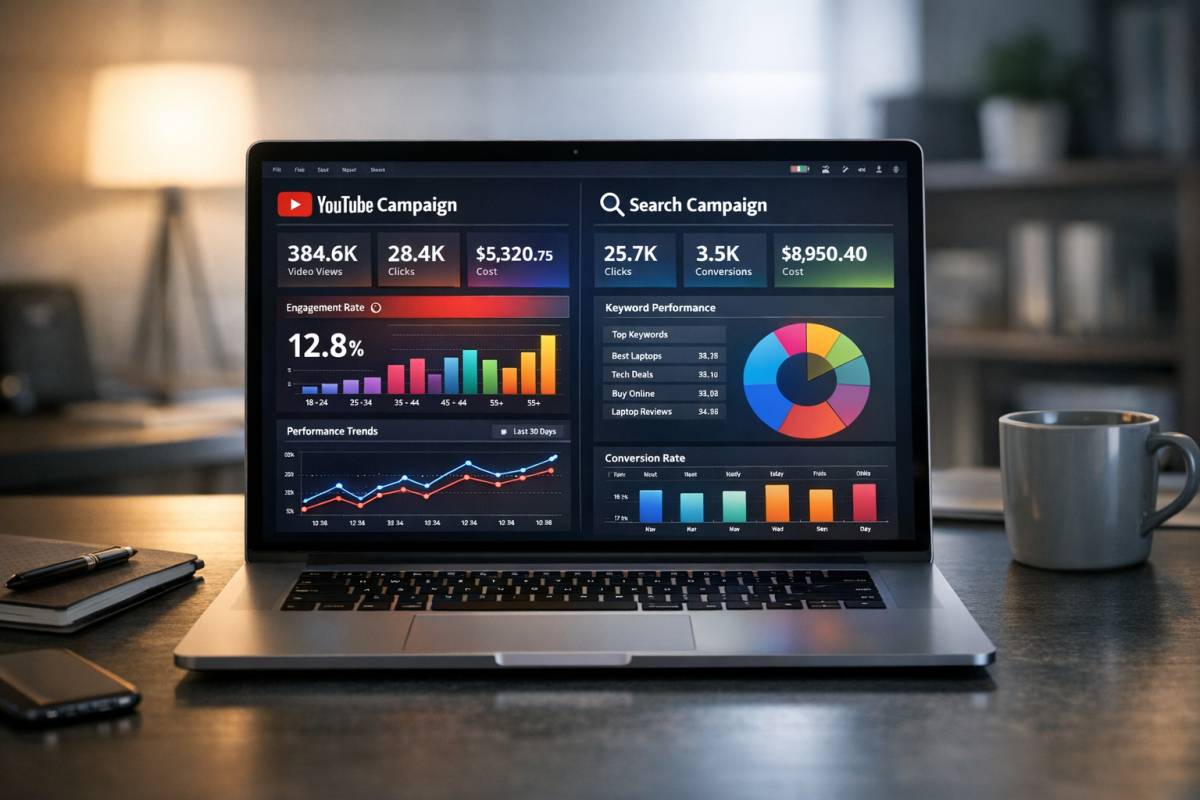
Google+ was shut down back in 2019, so that section of this guide is officially retired. However, Google's advertising ecosystem is more relevant than ever in 2026 - particularly through YouTube, Google Search, and the Display Network, all managed through Google Ads.
If you're looking to drive traffic to any of your social profiles, Google Ads can be a surprisingly effective channel. You can run search campaigns targeting branded or competitor terms, or use display and video campaigns to build awareness. It's not as socially native as advertising within the platforms themselves, but it works well as part of a broader multi-channel strategy.
Buying Traffic for YouTube
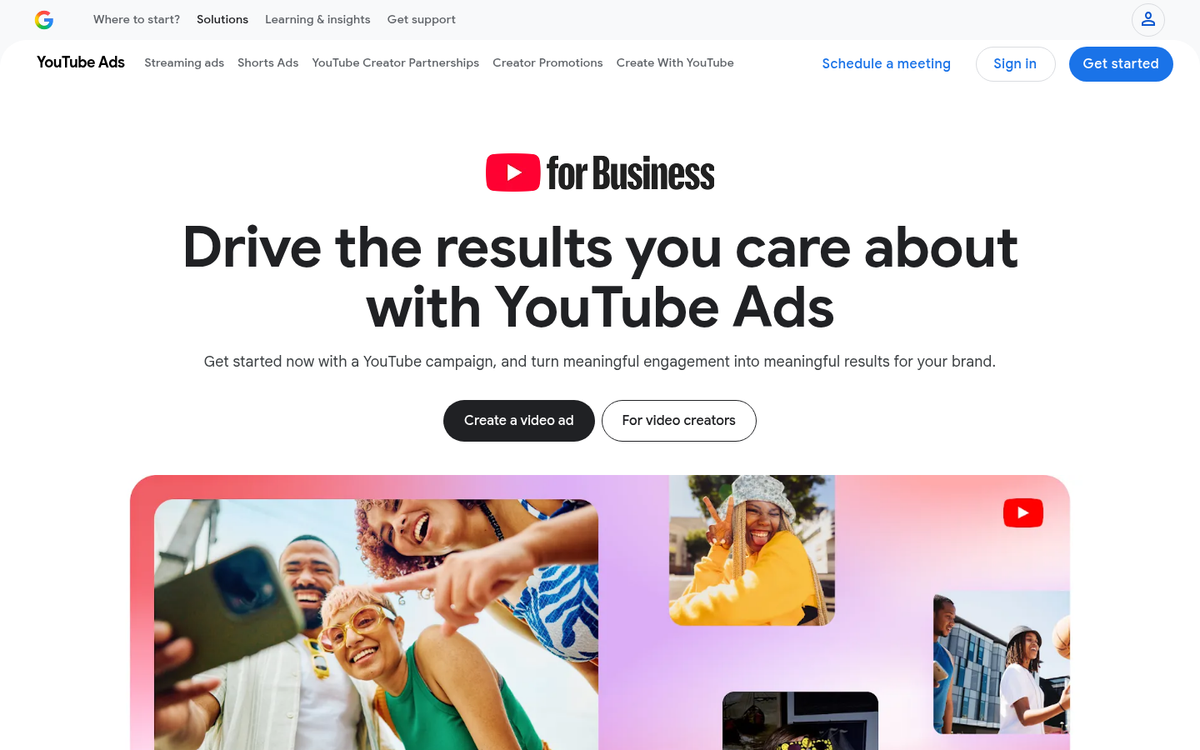
YouTube advertising runs through Google Ads, and there are several YouTube-specific campaign types worth knowing - including skippable in-stream ads, non-skippable ads, bumper ads, and the newer video reach campaigns optimized for efficient impressions. You can find current documentation in the YouTube Help Center.
Buying fake views, likes, and engagement for YouTube videos remains one of the most common forms of low-quality traffic purchasing online. Sellers on Fiverr and various black hat forums will happily sell you thousands of views. YouTube's detection systems have become increasingly sophisticated, and fake views are actively filtered - enough of them can get your video removed or demonetized entirely.
Run a few campaigns through the native Google Ads system first, then evaluate whether any third-party option actually competes on a cost-per-engaged-view or cost-per-subscriber basis. In most cases, you'll find native ads are comparable in price and dramatically safer for your channel's long-term health.
Buying Traffic for Pinterest
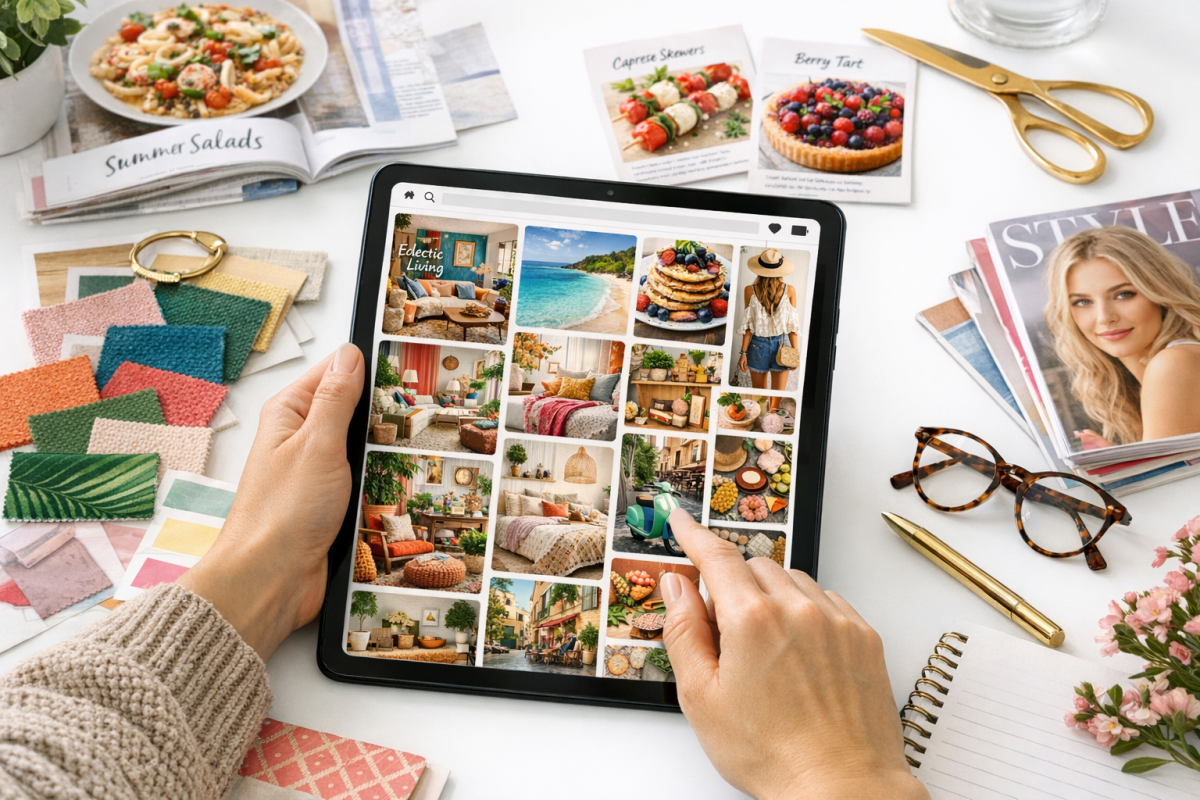
Pinterest remains an interesting platform because it functions more as a visual discovery engine than a traditional social network. Users come to Pinterest to find ideas and products - which actually makes it a surprisingly strong platform for purchase intent. Pinterest has invested heavily in its shopping features in recent years, and promoted pins can drive meaningful traffic to both e-commerce sites and other social profiles.
Pinterest ads allow you to promote specific pins across several formats, including standard promoted pins, video pins, shopping ads, and collections. Targeting has improved as well, with options for keyword, interest, and audience-based targeting.
If you're in the right industries - home décor, fashion, food, fitness, DIY, or anything visually driven - Pinterest can be one of the more efficient paid traffic sources available. Organic reach on Pinterest also tends to have a much longer shelf life than on platforms like Instagram or X, which is a bonus. If you want to get more out of the platform, check out these ways to drive traffic from Pinterest to your site.
Buying Traffic for Tumblr
Tumblr is still around in 2026, though its cultural moment has largely passed. It was acquired by Automattic (the company behind WordPress.com) in 2019, and while it retains a loyal niche community, it's no longer a platform most marketers would prioritize for paid traffic.
If you do want to advertise on Tumblr, it functions similarly to any other blog or website - you can buy promoted posts through their system or drive traffic from external ad networks. But honestly, unless your brand is deeply embedded in Tumblr's specific subcultures, your ad budget is almost certainly better spent elsewhere.
Buying Traffic for Reddit
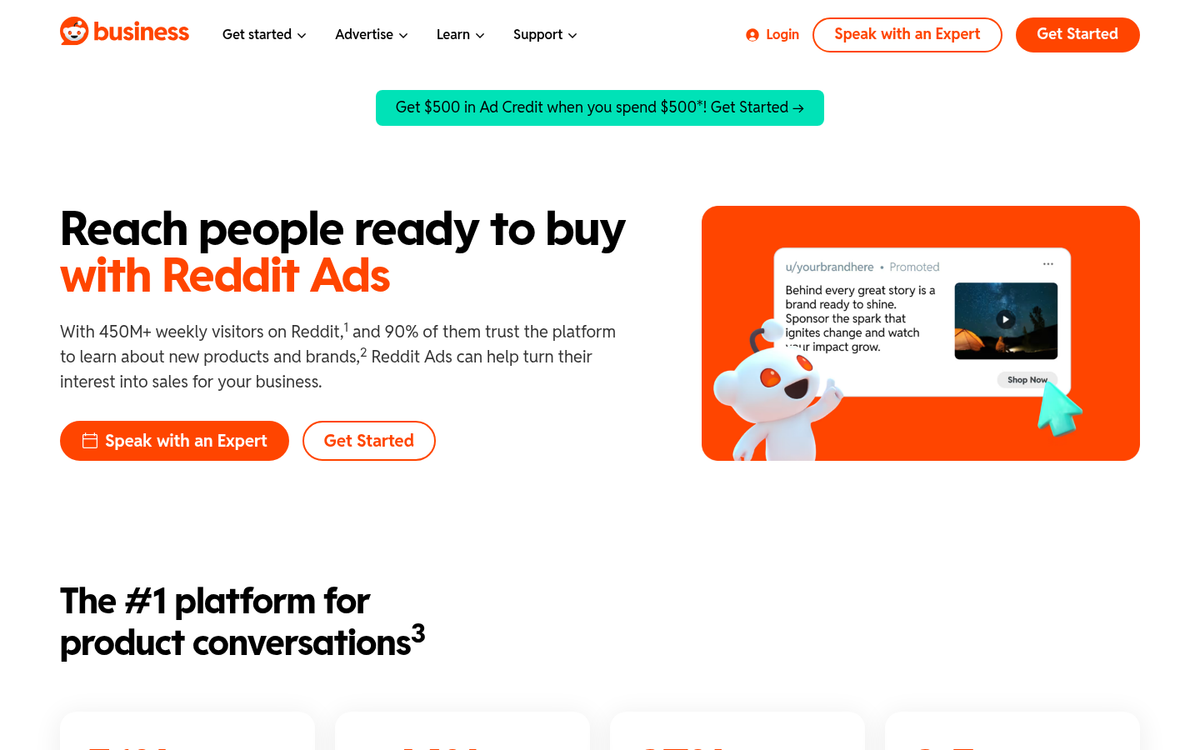
Reddit has matured significantly as an advertising platform and went public in 2024, bringing increased pressure to grow its ad revenue. The Reddit Ads system has improved considerably, with better targeting by subreddit, interest, and keyword, as well as more polished campaign management tools.
That said, Reddit's community culture hasn't changed. Users are sharp, skeptical of overt advertising, and quick to call out anything that feels inauthentic or out of place. If your ad doesn't feel like it belongs on Reddit, you'll hear about it. The good news is that when ads do land well - especially in niche subreddits highly relevant to your product - the engagement can be exceptional. If you're weighing whether it's worth the spend, check out how effective Reddit ads are at driving traffic before committing your budget.
Be thoughtful about creative. Reddit skews toward authenticity, humor, and directness. Polished corporate ad copy tends to underperform. Native-feeling creative that acknowledges the platform's culture tends to do much better.
Buying Traffic for Snapchat
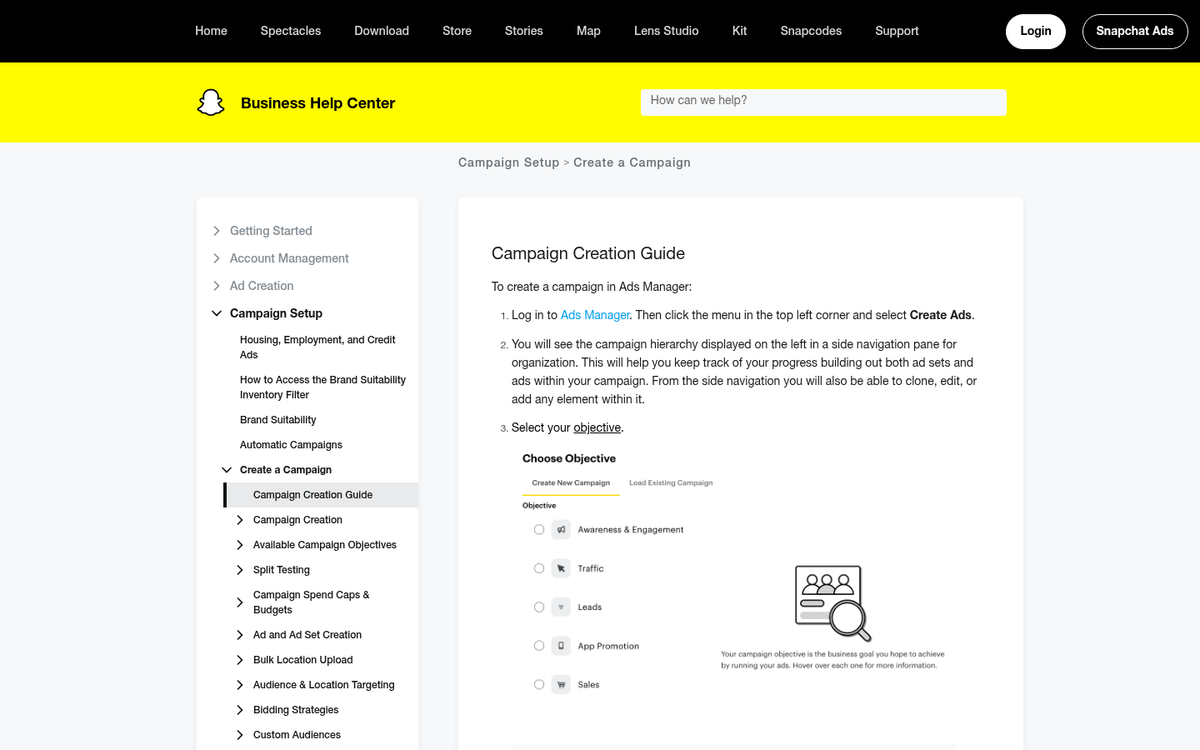
Snapchat is still a relevant platform in 2026, particularly for reaching audiences under 35. Its self-serve ad platform has matured significantly, offering Snap Ads, Story Ads, Collection Ads, Dynamic Ads, and AR Lens campaigns - making it a versatile option for brands that fit the demographic.
I still wouldn't recommend buying third-party traffic for a Snapchat profile. The platform is built around personal, ephemeral connection, and fake followers add no value whatsoever in that context. If you're going to invest in Snapchat, invest in native ads and genuine creative that fits the platform's format and tone.