Before I begin, I'm just going to say something you probably already know; this isn't a complete list. I call it a complete list because it's a pretty long list, but it's by no means exhaustive. Part of the reason for that is because growth hacking is an ongoing game. It's all about creativity and taking advantage of your own unique situation to do something other businesses can't do themselves. So, while I list a lot of growth hacks, there are a lot more you can use and some you can come up with yourself. That said, let's look at the list, shall we?
Key Takeaways
- Referral programs drive powerful growth; PayPal's referral incentives achieved 7-10% daily growth, while Hotmail reached 12 million users in 18 months.
- Simplifying your sales funnel reduces friction; fewer form fields and steps directly increases conversions, as small improvements compound across the entire funnel.
- Upselling existing customers is highly effective, as they are 60-70% more likely to convert than new customers, maximizing lifetime value.
- Social proof and trust signals, including testimonials, client logos, and security badges, build credibility and reduce cart abandonment significantly.
Make a Referral System
What's the best source of advertising? Word of mouth. It's free, and people trust their friends more than they'll ever trust a corporate message, no matter how down to earth you may be.
A referral system incentivizes word of mouth advertising. It's also incredibly simple to set up. All you need to do is come up with rewards for your referral tiers and advertise the fact that you have them.
The proof is in the history books. PayPal famously offered $10 to new users and $10 for every friend referred, achieving a daily growth rate of 7-10% at its peak. Hotmail grew from zero to 12 million customers in just 18 months simply by adding a signature invite line to every outgoing user email. These aren't just fun facts - they're a blueprint.
Incentives can take many forms. I've seen successful referral systems based entirely on intangible game-style achievements - badges that display on your user account with no monetary value, yet still drive meaningful participation through status and prestige. On the other end of the spectrum, pure monetary rewards like gift cards and store credit work well too, since the customer acquisition cost is often far lower than traditional advertising. You can also use free product upgrades as incentives, just as Dropbox famously offered increased storage to users who referred friends.
To actually run a referral program, platforms like S Loyalty, ReferralCandy, and Friendbuy give you the framework for tracking and redeeming referrals without requiring that you manage code and bookkeeping yourself. Most integrate directly with major e-commerce platforms, making setup faster than ever in 2026.
Streamline Your Sales Funnel

A referral system is an example of a detailed, advanced growth hack. It takes a lot of work to set up, but it offers ongoing rewards for potentially years to come. On the other side of the coin you have the simple, minor growth hacks. For example, streamlining your sales funnel is a simple hack that makes it easier for users to convert.
The process here is simple. Make a map of all of the ways a user can convert. Draw a circle with "converted" in it, and draw lines radiating outward. Each line is a path. Where do users come from when they convert? From each node, draw more lines reaching out to a step further away. For example, one extended path might be a social media ad, to a landing page, to a blog post, to a product page, to a checkout page, to conversion.
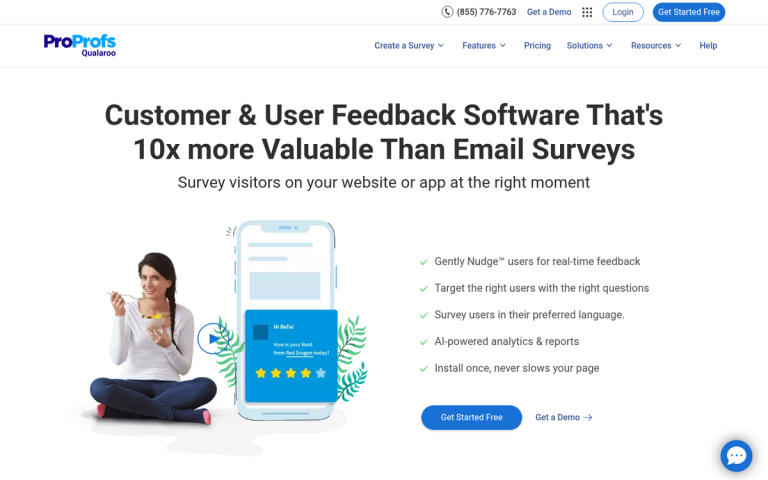
Your goal is to identify any case where there are too many steps between a user and converting. Think about it this way: every click a user needs to make, every form field they fill out, is an opportunity for failure. If you can take a five-field form and prune it down to three fields, you may collect less information on an opt-in, but you'll get more opt-ins overall thanks to fewer stumbling blocks.
A/B testing tools make this easier than ever. The Eczema Company, for example, boosted their conversions by 158% simply by using OptinMonster's A/B testing feature to optimize their opt-in forms - a straightforward change with a dramatic result. dozens of small improvements compound quickly across your entire funnel.
Upsells
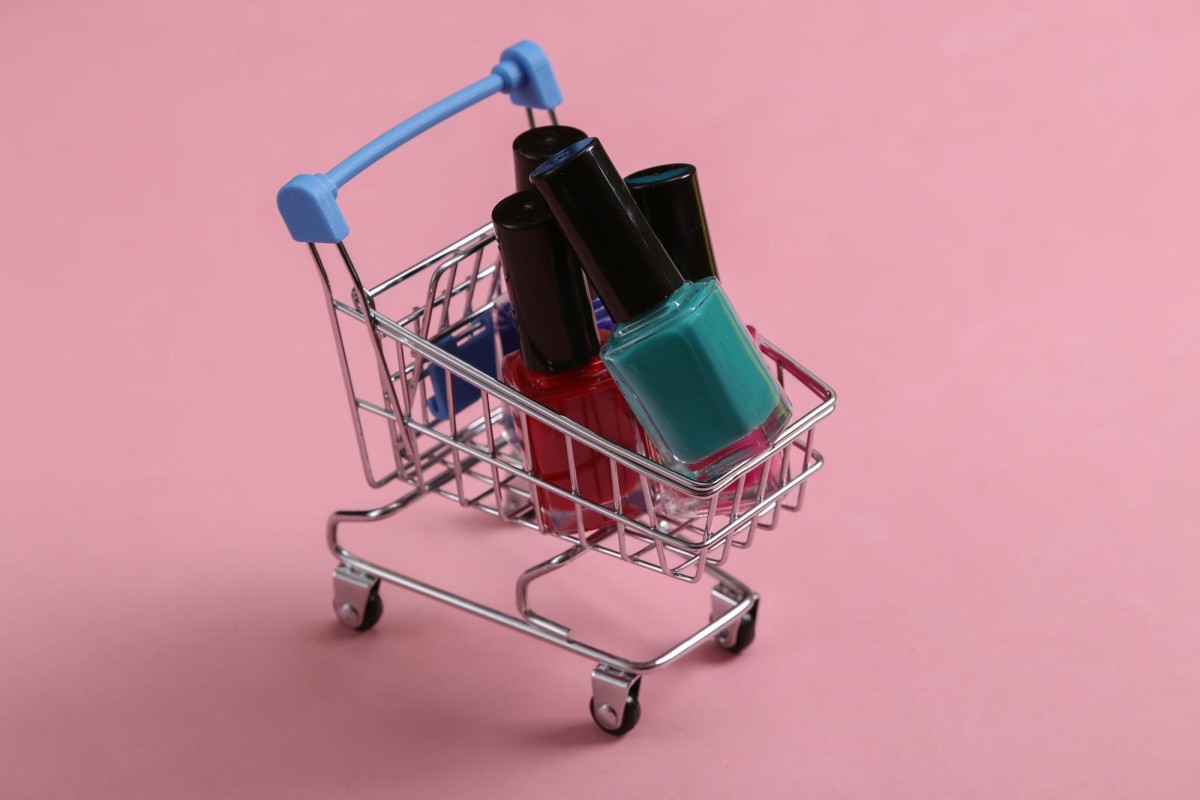
The art of the upsell is the art of getting a customer to buy more than they had the intention of buying. Amazon remains the gold standard here with their "customers also bought" and "frequently bought together" prompts. The idea is to suggest to users that they buy something that complements what they're already purchasing. Computer retailers do this constantly - you're buying a laptop, so how about adding a mouse, a carrying case, an extended warranty, or a monitor to match?
What makes upsells particularly powerful is the math. Research consistently shows that existing customers are 60-70% more likely to convert on a sale than new ones. That means the customers already in your funnel are your most valuable growth asset. If you're not actively upselling them, you're leaving significant revenue on the table.
If you take your time, you can leverage a mailing list signup or a free trial into a series of well-timed upsells and extract far more lifetime value from a single customer than you ever would from a one-time purchase. Pair this with the fact that 77% of consumers prefer permission-based brand messages via email over any other medium, and a smart email upsell sequence becomes one of the highest-ROI tools in your arsenal.
Proof of Trust
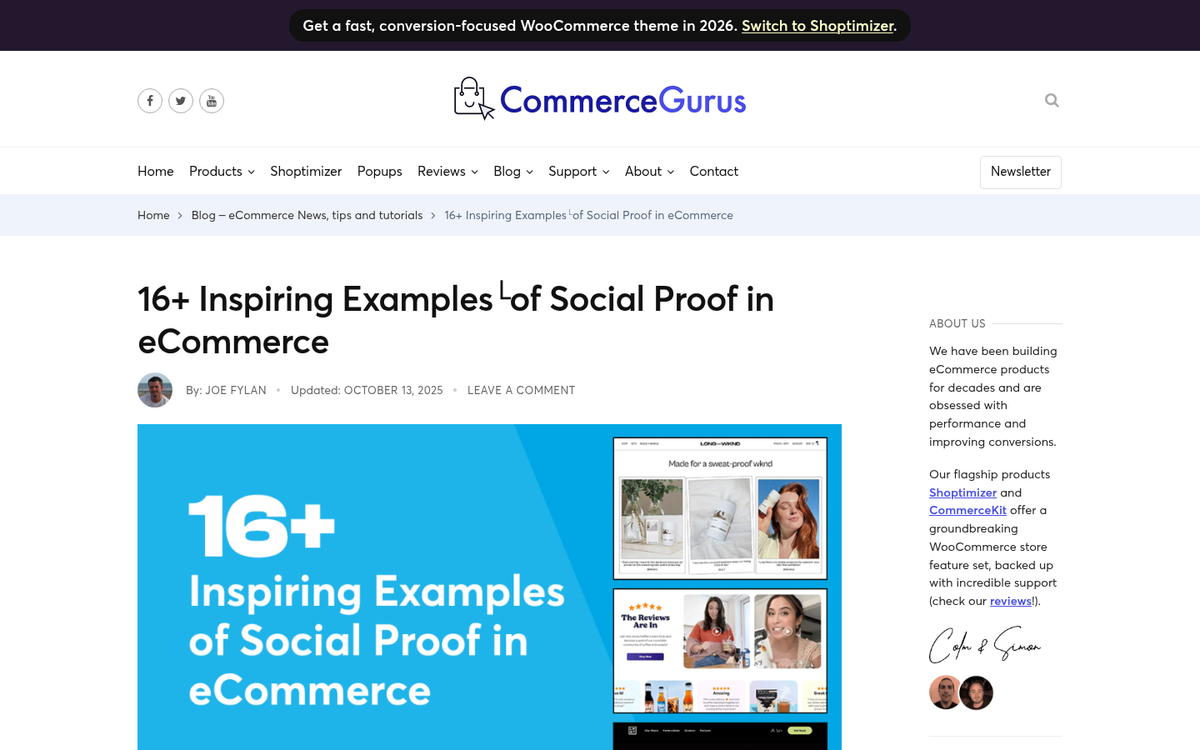
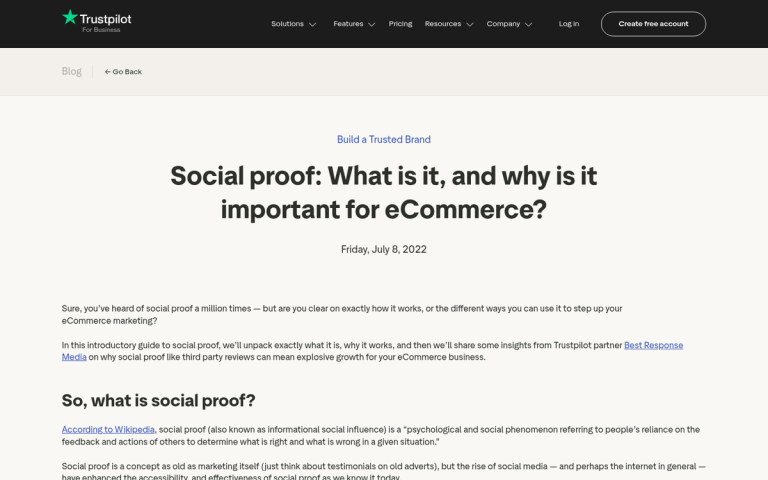
Social proof and trust signals are both critical for businesses that haven't yet built up enough of a reputation to coast on brand recognition alone.
Social proof shows up on your landing page and your product pages and can take many forms. Basic user testimonials are a good starting point - people like knowing that others had a positive experience. Testimonials are easily faked, though, so go one step further. Detailed case studies, video testimonials, and reviews from verified purchasers carry far more weight. If an influencer, industry figure, or recognizable brand has used your product, solicit their feedback and feature it prominently.
The company logo approach remains one of the most powerful trust signals available. If you count Sony, a government agency, or a well-known enterprise among your clients, display their logo on your landing page. That kind of social proof is worth more than almost any paid ad.
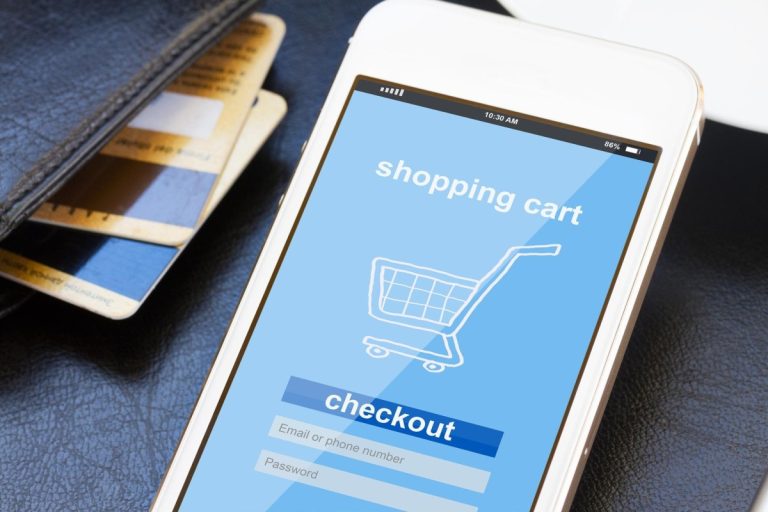
Trust seals serve a different but equally important purpose. Security badges from recognized providers tell users that your checkout process is certified safe. In 2026, with payment fraud and data breaches remaining top consumer concerns, a visible trust seal on your checkout page can meaningfully reduce cart abandonment. Get certified, post the badge, and make it easy for hesitant buyers to follow through.