




In the context of Answer Engine Optimization (AEO), understanding source attribution is critical. It determines if your website gets credited - and surfaced - when an AI answers a question relevant to your business, industry, or expertise. Think of it as the AI equivalent of ranking on page one of Google, except instead of a blue link, your content can become the foundation of the answer itself.
This matters more than it might seem up front. As more users try AI tools for direct answers instead of scrolling through search results, the websites that get cited are the ones that capture attention, build authority, and drive traffic. Being ignored by an AI answer engine means losing visibility at the exact moment a possible customer is asking the right question.
The good news is that source attribution isn't random. AI systems follow identifiable patterns when picking which sources to trust and reference. As a website owner or manager, you can take deliberate steps to make your content more likely to be chosen - this post breaks down how source attribution works and what you can do to earn your place in AI-generated answers.
Quick Answer
Source attribution is the practice of crediting the original creator, publisher, or origin of information, quotes, data, or content. It ensures intellectual honesty, allows readers to verify claims, and gives proper credit to original sources. In journalism, academia, and publishing, attribution typically includes the author's name, publication, date, and relevant context. Proper attribution helps prevent plagiarism, builds credibility, and supports transparency. It can take the form of citations, hyperlinks, quotation marks, or direct references within text.
How AI Answer Engines Decide Which Sources to Credit
AI answer engines don't read content the way humans do. They process tells - structured patterns, authority markers and contextual clues - to choose which sources are worth pulling from and naming in a response.
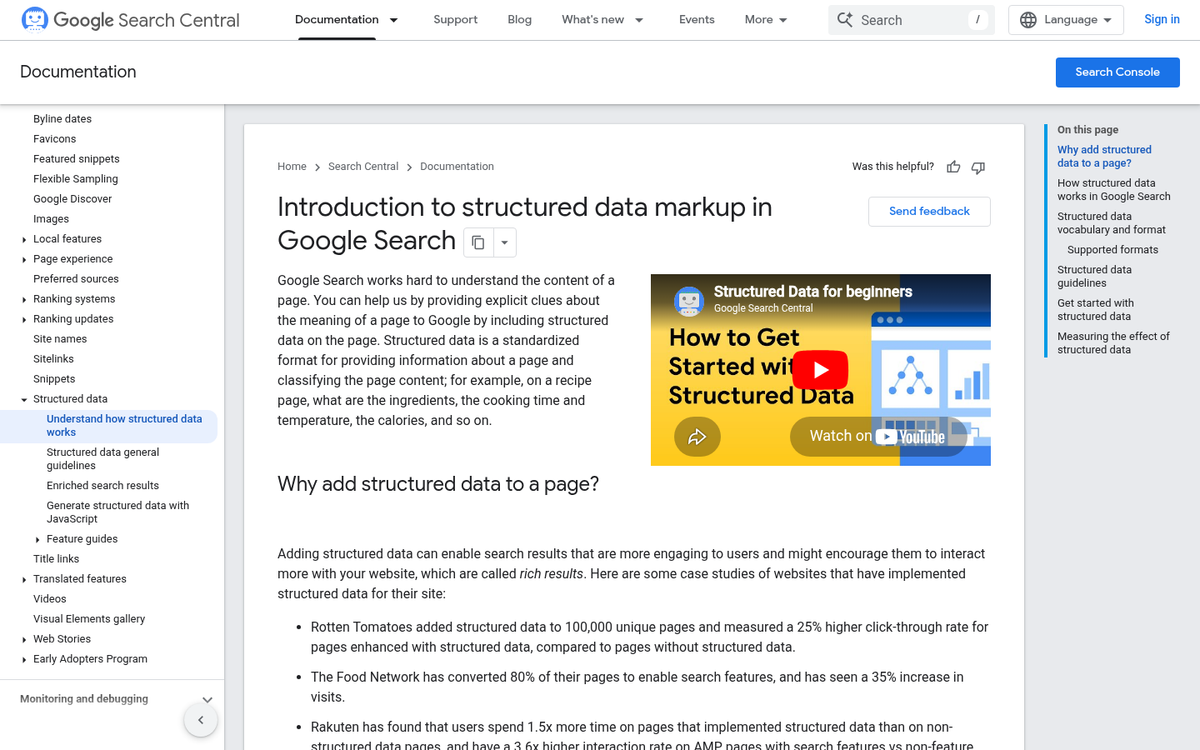
One of the strongest tells is structured data. When a page uses schema markup to label its content, it's much easier for an AI system to know what the page is about and who produced it. A page without schema isn't automatically disqualified. But a page with it gives the system less work to do. That tends to pay off.
Content clarity matters quite a bit too. AI systems favor pages that answer a question directly instead of pages that talk around it. If a piece of content buries its main point in vague language or requires inference to understand, it's less likely to be cited. The system needs to extract a clean, usable answer - so the clearer your content makes that job, the better your chances of credit.
Then there's E-E-A-T, which stands for Experience, Expertise, Authoritativeness and Trustworthiness. These are tells Google has formalized. But AI systems broadly apply the same thinking. They look at who wrote something, what credentials or experience that author has and whether other credible sources link back to that content. A well-linked page from a recognized expert in a field carries far more weight than an anonymous post with no external validation.

Backlink profiles play into this. Links from authoritative domains are votes of confidence that AI systems can measure. Two pages with nearly identical content can get very different treatment based on who links to them. Building those links through free directory submission sites with high PR is one place to start.
It also helps to remember what makes a source feel credible to a machine instead of a human. A human reader might trust a site because of its design or tone. A machine trusts it because of verifiable tells - steady author attribution, a publication date, factual claims that match other trusted sources and a domain history that doesn't raise flags. These are things you control and can improve on. Installing SSL on your blog is one technical step that supports that domain trust.
| Signal Type | What It Tells the AI |
|---|---|
| Schema markup | What the content is about and who produced it |
| Content clarity | Whether a direct, usable answer is present |
| E-E-A-T markers | How credible and experienced the source is |
| Backlink profile | How trusted the source is within its field |
| Author attribution | Whether a real, verifiable person stands behind the content |
Two sites can publish content on the same topic with the same level of depth and still get different results in AI-generated answers. The difference usually comes down to how many of these tells one site has nailed and the other hasn't.
What Poor Source Attribution Visibility Costs Your Site
Search behavior has changed in a way that can directly affect how users find your content. AI answer engines now respond to queries with full, confident answers - and a large share of users never click through to the sources listed below those answers. Your content can technically be used to build that answer and you still get nothing.
That's the core problem. Traffic that used to flow from search results to your pages now gets absorbed at the AI layer. If your site isn't being named as a source, you're losing brand exposure at the exact moment someone is actively looking for what you write about.
The Gap Between Being Used and Being Credited
AI models are trained on giant pools of web content and it's very possible your writing has shaped answers that millions of people have read. But there's a difference between being a training input and being cited as a named source in a live response. The second one builds authority and drives awareness. The first one doesn't.
When an AI assistant names a source, it's a form of recommendation. Users see those names and associate them with expertise. Sites that get named repeatedly start to become familiar and familiarity builds trust over time. Sites that don't get named stay invisible - even when their content is legitimately helpful.
What Gets Left on the Table
Attribution matters deeply to those working in content and marketing. A commonly referenced figure puts the share of marketers who see attribution as important at around 56%. That number resonates because it aligns with how much weight professionals place on understanding where credit goes - and it shows how many sites still aren't positioned to earn that credit in AI environments.
The losses compound in a few ways. Direct traffic drops when users get their answers without visiting your site. Brand recognition stalls because your name never appears in the replies people read and share. Your ability to build topical authority also weakens because AI systems tend to reinforce sources they already cite, which means being left out early can compound over time. If you're actively trying to promote a new WordPress blog, this dynamic makes early visibility even more critical.
It's also worth noting that zero-click behavior isn't going away. As AI answers get more capable and trusted, fewer users feel the need to click through to a source at all. The sites that get named in those answers are the ones that stay relevant. The ones that don't are cut out of a growing discovery channel. Tactics like using an RSS aggregator for traffic generation can help diversify how your content gets discovered beyond search alone.
Why This Is Harder to See Than a Traffic Drop
A drop in organic clicks shows up in your analytics. Being excluded from AI citations doesn't have a dashboard - there's no alert, no red number, no moment where you can point to what was lost. That makes it easy to underestimate, which is why so many sites haven't addressed it yet.
The absence of attribution doesn't announce itself - it just quietly limits how far your content travels.
Structured Markup, Citations, and Content Signals That Get You Cited
Most of what helps AI engines attribute your content is already within your control- it can depend on how you structure your pages, how you signal authorship, and how you write.
Start with Schema Markup
Schema markup gives AI systems a direct way to know who wrote your content and what your site is about. At a minimum, add Article or BlogPosting schema with an author property that links to a person. Pair that with Person schema on your author pages so there's a connected, machine-readable identity behind the content- one of the fastest ways to build attribution-ready pages.
An Organization schema on your homepage also helps- it tells AI systems your site name, your URL, and how to connect the dots between your content and your brand.
Make Authorship Visible on the Page
Bylines matter more than they used to. A named author with a linked bio, a short credentials summary, and a steady presence across your site tells AI engines that an expert is behind the content. If your pages have no author attribution at all, you are leaving an easy credibility signal on the table.
You should also cite credible external sources within your own content. Citing external sources builds trust with readers and tells AI systems that your content exists within a wider, factual context- it makes your page look less like an island.

Write in Formats AI Systems Pull From
Some content formats get pulled into AI-generated answers far more than others. Direct answers to questions tend to rank well for attribution. Definitions, explanations, and short bulleted lists all work in your favor because they are easy to extract and quote cleanly.
The table below breaks down common content formats and how citation-friendly they tend to be.
| Content Format | Citation-Friendliness | Why It Works (or Doesn't) |
|---|---|---|
| Direct answer paragraph | High | Easy to extract and quote as a standalone response |
| Definition or glossary entry | High | Self-contained and factual - ideal for AI to pull from |
| Numbered steps or instructions | High | Structured format that maps well to how-to queries |
| Long-form opinion or narrative | Low | Hard to extract a clean, citable answer from |
| Heavy visual or infographic content | Very Low | AI engines cannot read images - text alternatives help |
| FAQ sections | Medium-High | Works well when paired with FAQ schema markup |
FAQ schema is worth a mention on its own. Adding it to your Q&A content gives AI systems a pre-packaged question-and-answer pair to work with- it does the heavy lifting.
The pages you already have could start working harder for you with just a few targeted changes.
Make Your Site the Source AI Wants to Name
Start by auditing your existing content with fresh eyes. Ask if your pages establish authorship, show expertise, and present information in a format that AI systems can parse and attribute with confidence. Look for gaps where your best plans are buried in ways that make them easy to absorb but hard to credit. Small, deliberate adjustments to structure, citation practices, and authority tells can meaningfully change how your content is treated by AI engines over time.
The sites investing in these tells now are building a compounding benefit. As AI answer engines become a more dominant entry point for information, the difference between attributed sources and invisible ones will only widen. The groundwork you lay - clearer authorship, stronger sourcing, more citable structure - positions your content for right now and for the direction the entire ecosystem is heading. If you're still building out your platform, understanding the many ways blogging can generate real income is a strong place to start shaping your long-term content strategy.
FAQs
What is source attribution in Answer Engine Optimization?
Source attribution in AEO refers to whether an AI answer engine credits and names your website when generating a response. Being cited builds brand authority and drives traffic, similar to ranking on the first page of Google.
How do AI answer engines decide which sources to credit?
AI systems look for structured signals like schema markup, content clarity, E-E-A-T markers, strong backlink profiles, and clear author attribution to determine which sources are trustworthy and worth citing in generated answers.
What content formats are most likely to get cited?
Direct answer paragraphs, definitions, numbered steps, and FAQ sections with schema markup are the most citation-friendly formats. Long-form opinion pieces and image-heavy content are harder for AI systems to extract clean answers from.
What does poor source attribution visibility cost your site?
Without attribution, your site loses brand exposure, direct traffic, and topical authority. AI systems tend to reinforce sources they already cite, meaning early exclusion can compound into long-term invisibility.
How can I improve my chances of being cited by AI engines?
Add schema markup, include clear author bylines with credentials, cite credible external sources, and write in structured formats. These signals make your content easier for AI systems to identify, trust, and attribute.