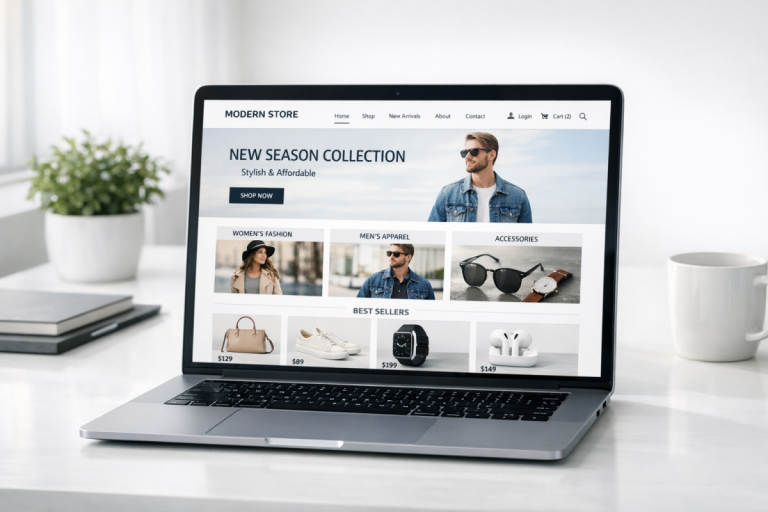
There's no better time than right now, when you're setting up a new storefront, to plan for the future. I know there's a lot going on - a lot involved with setting up a storefront, establishing branding, and making sure your website is stable. However, starting on the right foot will help you grow without the common pitfalls everyone encounters. Here are my tips for starting with that foothold.
Key Takeaways
- 43% of eCommerce traffic comes from organic search, making SEO and mobile optimization essential from day one.
- Copying product descriptions causes duplicate content penalties; write unique descriptions and enrich pages with reviews and Q&As.
- Launch social media immediately on maintainable platforms; consistent presence correlates with roughly 32% higher average sales.
- A weekly blog of 1,000-1,500 words builds long-term organic visibility; avoid thin AI content by adding original expertise.
- Define a clear unique selling point-community, price, expertise, or curation-and make it immediately obvious to visitors.
Optimize Your Brand for Search
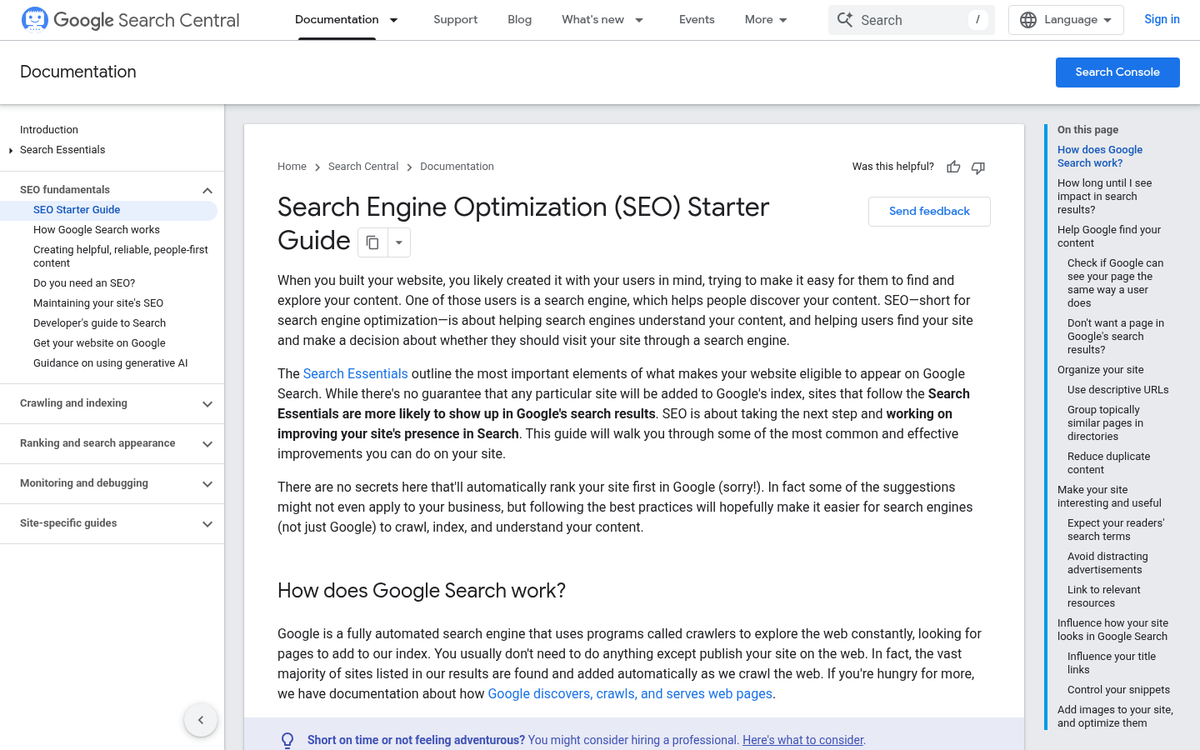
SEO is no joke. If you want to sell anything, you need to be visible in Google search results. A full 43% of all eCommerce traffic still comes from organic search, so this isn't something you can afford to ignore. That said, I'll be honest with you: unless you're the original manufacturer of a truly unique product, you're not going to outrank the big retailers on their own turf. The goal isn't necessarily to beat Amazon on every keyword - it's to carve out your own corner of the search results where you can win.
Rather than try to give you a 200-word primer on everything SEO, here are some useful resources worth exploring:
- Neil Patel's Guide to SEO for eCommerce Websites. This guide walks you through keyword research, competitive analysis, on-page optimization, and user experience improvements. It's been updated over the years and remains one of the most comprehensive starting points available.
- Backlinko's eCommerce SEO Guide. Brian Dean's breakdown of eCommerce SEO is thorough, practical, and regularly updated. It covers site architecture, product page optimization, and link building in a way that's actually actionable for smaller stores.
- SEMrush's eCommerce SEO Checklist. A solid step-by-step checklist format that's great if you're just getting started and want to make sure you're not missing any fundamentals.
- Google's own Search Central documentation. It's dry, but going straight to the source for technical SEO guidance - especially around structured data for product pages - is always worth it.
One more thing worth noting in 2026: mobile matters more than ever. With 63% of all eCommerce sales now happening on mobile devices, your site needs to be fast, clean, and fully functional on a phone. Google's mobile-first indexing means a poor mobile experience will hurt your rankings, not just your conversions. Learn more about optimizing your website for mobile traffic to make sure you're not leaving performance on the table.
Make Your Product Pages Unique
Possibly the number one mistake new eCommerce sites make is the temptation to set up product pages as quickly as possible. What so many end up doing is finding their products on Amazon or on the original manufacturer's website, then copying and pasting descriptions and product information straight over.
The problem with this is two-fold. First, it often counts as duplicate content. Yes, I'm aware that technical specs - certifications, dimensions, weight - can't really be rewritten, and it looks odd if you try. That's fine. The real issue is when you copy the organically written product description wholesale. When you do that, you risk duplicate content penalties from Google.
The second half of the problem is that, even if you avoid a direct penalty, you're still publishing the second - or third, or tenth - copy of the same description on the internet. Google will always prefer the original source. You'll rank lower almost by default.
Instead, write unique product descriptions. You can buy them relatively cheaply through content platforms like Textbroker or Verblio, or use AI writing tools as a first draft that you then edit and personalize. Either way, make it yours.
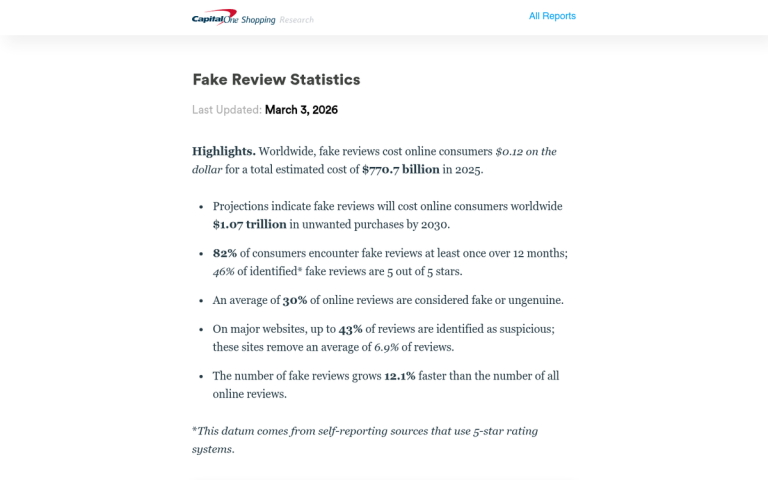
Beyond the description itself, think about what else you can pack onto a product page. Include your tech specs, yes, but also add reviews, Q&As, tutorials, use-case examples, and anything else that adds genuine value. Almost 90% of shoppers check reviews before making a purchase - so if your product pages are thin and review-free, you're losing sales before you've even had a chance to compete. Look at how Amazon structures their pages and borrow from that playbook. The more useful content on the page, the more signals Google has to rank it, and the more confidence a shopper has to actually buy.
Start a Social Media Presence
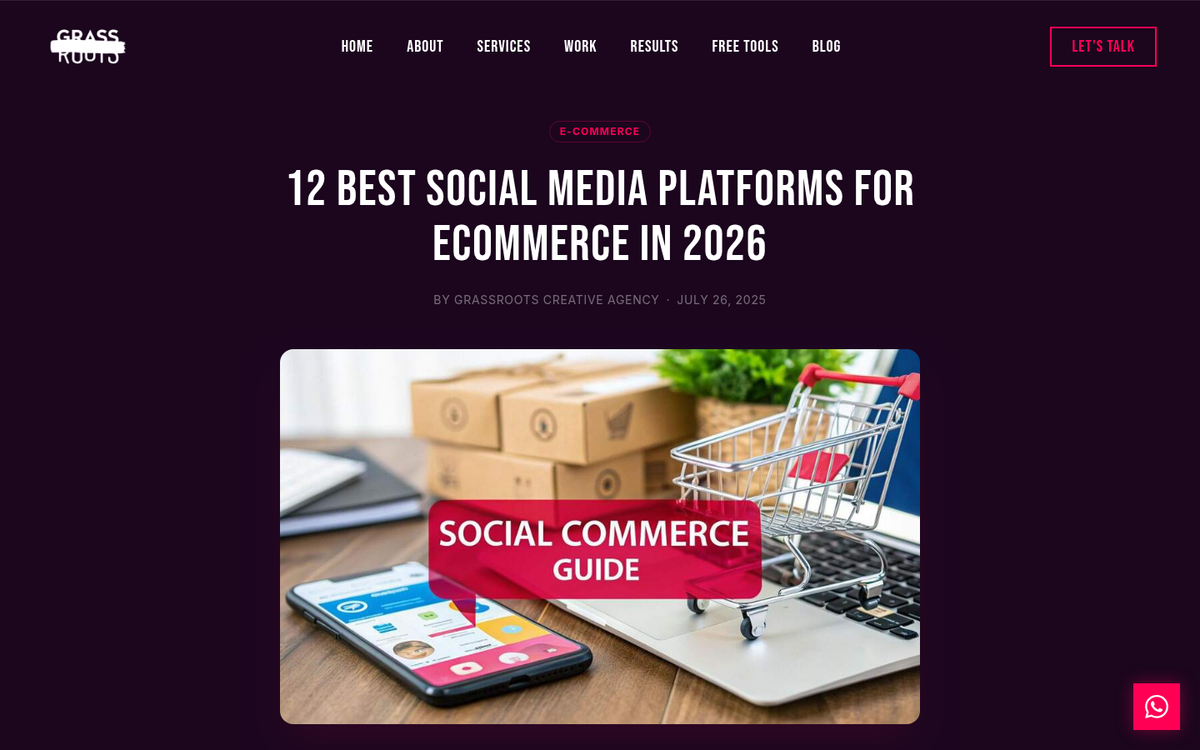
Starting up social media isn't something you should delay for months, or hold off on until you've hit some growth milestone - it's something you should do right out of the gate. Of course, managing social media can be a lot of work, so I recommend starting smart rather than trying to be everywhere at once.
In 2026, the landscape looks a little different than it used to. Here's how I'd approach it for a new eCommerce store:
- Facebook remains a powerful platform for eCommerce, particularly for paid advertising. Its targeting capabilities are still among the best available. Organic reach has declined over the years, but a well-maintained Page still builds credibility. Post deals, tutorials, and behind-the-scenes content - and don't ignore Facebook Shops if you're selling physical products.
- Instagram is no longer optional for most product-based businesses, especially if your products are at all visual. Shopping features are built directly into the platform now, and short-form video content (Reels) gets strong organic reach. If your audience skews younger or your products have any visual appeal at all, Instagram should be a priority.
- TikTok has become a genuine eCommerce driver that can't be ignored. TikTok Shop has grown rapidly, and organic product content - especially honest reviews and demonstrations - can go viral with minimal budget. Even a handful of well-made short videos can drive real traffic and sales. It's worth experimenting with even if you don't go all-in.
- LinkedIn is still worth having for brand legitimacy. It signals to potential partners, suppliers, and even customers that you're a real, professionally run business rather than a fly-by-night dropshipping operation. Your LinkedIn posts can also be a valuable source of traffic when used consistently.
HubSpot's research found that 87% of sellers say social selling has been effective for their business - and BigCommerce data shows that stores with a strong social presence see average sales roughly 32% higher than those without one. The numbers back it up.
The key to successful social media is keeping it active. Abandoned profiles hurt trust more than no profile at all. Consistency matters more than volume - pick the platforms you can actually maintain and show up regularly and track your results.
Start a Weekly Blog
A blog is one of the best long-term investments you can make in the organic visibility of your store. Every post you publish is another page Google can index, another keyword you can rank for, and another reason for someone to land on your site who wasn't specifically looking to buy - but might be.
Publish a new post on a regular schedule. Once a week is ideal; once every two weeks is workable. Stick to the schedule. Aim for posts to be at least 1,000-1,500 words, though genuinely useful longer posts tend to outperform shorter ones in search.
What should you write about? Bring value to your audience. If you sell shoes, write about how they're manufactured, how to care for them, what to look for when buying a particular style. If you sell computer parts, write about building custom machines, comparing components, or troubleshooting common issues. The goal is to be a helpful resource in your niche - not to write thinly veiled sales pitches. Focus on evergreen content that stays relevant over time. The organic traffic will follow.
One thing worth noting in 2026: AI-generated content is everywhere, and Google has gotten better at identifying and deprioritizing it when it's thin or generic. Use AI tools to help with research and drafts if you want, but add your own voice, expertise, and original perspective. Meeting E-E-A-T guidelines is what will actually rank and resonate. If you're also running paid campaigns alongside your blog, be mindful of common Google Ads mistakes that can drain your budget.
Make Valuable Content to Share
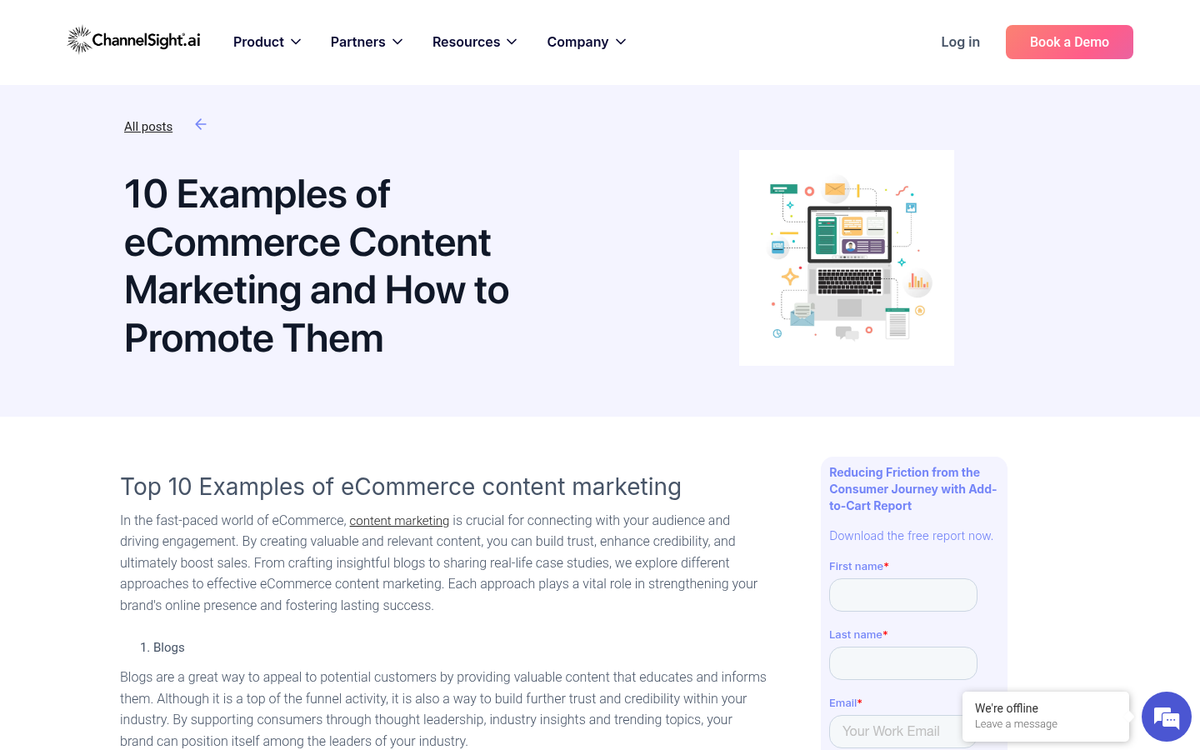
This section carries over from the previous point. Both your blog and your social media presence can be filled with genuinely useful content that builds trust and drives traffic. Here are some formats worth investing in:
- Tutorials. Show users how to use your product - from basic setup all the way to advanced use cases. Every different application of your product is an opportunity for a tutorial, a blog post, and a short video.
- Short-form video. In 2026, short-form video (Reels, TikToks, YouTube Shorts) is one of the highest-ROI content formats available to small eCommerce businesses. It doesn't need to be polished. Authentic, useful, and watchable is more than enough. Product demos, unboxings, how-tos, and even honest comparisons can all perform well.
- Infographics. Still useful, especially for sharing on Pinterest (which is actually a strong traffic driver for certain product categories) or for earning backlinks from other sites in your niche.
- Product maintenance and buying guides. Guides that help people get more out of what they already own - or make a smarter purchase decision - build enormous trust. They also tend to rank well for long-tail keywords.
- User-generated content. Encourage your customers to share photos, reviews, and videos of your products. Reposting UGC on your own channels is both free content and powerful social proof. Given that nearly 90% of people check reviews before buying, having real customers vouch for you publicly is worth more than almost anything you could write yourself.
Contests are still a solid engagement tool, but keep them relevant. If you run a beauty supply store and you give away the latest iPhone, you'll get thousands of entries from people who couldn't care less about your products. Give away something from your own store - a gift card, a free product, an exclusive bundle - and you'll attract the right audience instead.
Create a Unique Selling Point

At the end of the day, even if you do everything on this list, you're still one of tens of thousands of competing online storefronts. So the question is: why should someone buy from you instead of Amazon, instead of the manufacturer directly, instead of the big-box retailer with the recognizable name?
You need an honest answer to that question - and then you need to lead with it everywhere.
- Some stores build their edge around community. A Facebook Group, a Discord server, a forum - somewhere people who share a passion for what you sell can connect. Community creates loyalty that no algorithm can take away from you.
- Some stores win on price and deals. Free delivery is the top purchase driver worldwide, influencing over 50% of shoppers. Discounts and coupons influence nearly 40%. If you can offer compelling pricing or a strong free shipping threshold, that's a legitimate competitive advantage.
- Some stores differentiate through expertise and service. If your customers know they can reach a real human who actually knows the products, that's something Amazon genuinely cannot offer at scale. Lean into it. Before you stock your shelves, make sure you know the right questions to ask a wholesaler so you can back up that expertise with quality inventory.
- Some stores stand out through curation and selection - not by carrying everything, but by carrying exactly the right things for a specific audience, chosen by someone who knows that niche inside and out. If you're still finding your focus, see how others build a profitable niche site from the ground up.
Whatever your unique selling point is, lead with it. Make it obvious from the moment someone lands on your site. It's what separates you from the herd and gives people a reason to choose you - and come back. You might also explore ways to integrate a shop into your blog to extend your reach beyond a standalone storefront.