





In nature - you know, the world outside, where you're not in an office chair behind a desk - there are trees. There are, broadly, two types of trees. There are deciduous trees, the ones that turn colors in the fall and lose all their leaves in winter. They make for pretty dioramas and scenes to set the stage in film. Then you have the evergreens, trees like the pine and spruce, your stereotypical Christmas tree. These maintain their leaves throughout the year, even in winter, looking roughly the same throughout.
Content on the web follows a similar dichotomy. You have your deciduous or timely content, the stuff you write about product releases and new trends, current events and deals. This content is bright and alive for a short time, from days to months. Then you have your evergreen content, content that's alive and active day in and day out, for months or years.
And the numbers back this up. Ahrefs reports that evergreen blog content can account for 38% of a website's total traffic, while BrightEdge found that over 53% of traffic to evergreen content comes from organic search alone. According to Animalz, top-performing evergreen content often holds a top 10 Google ranking for two years or more before experiencing any noticeable traffic decline. That's a return on investment that no trending news piece can match.
Key Takeaways
- Evergreen content stays relevant for months or years, unlike timely content that loses value within days or months.
- Evergreen content can drive 38% of total site traffic, with 53% of that coming from organic search alone.
- Strong evergreen formats include how-to guides, glossaries, beginner's guides, case studies, and expert interviews.
- Refreshing existing evergreen content regularly can increase views by over 106%, as Google and readers reward freshness.
- Targeting beginners with evergreen content encourages repeat visits, bookmarking, and sharing, maximizing long-term content value.
Types of Evergreen Content
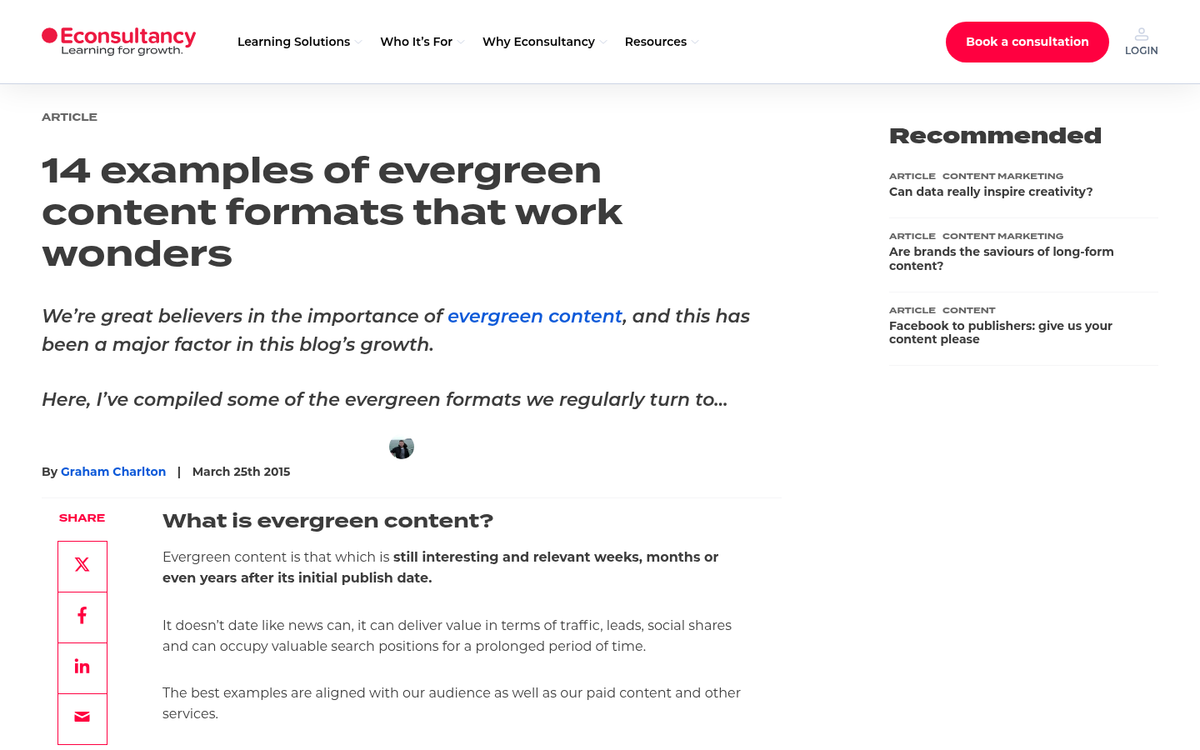
Evergreen content comes in many shapes and forms. For example, you might not think about it, but your contact page is evergreen content. The information doesn't change, or if it does, you update the page. Someone can bookmark it and come back a year from now, knowing it will be just as useful for its purpose.
Here are some other strong examples of evergreen content:
- Glossaries and definition documents. The definition of "SEO" or "evergreen content" isn't going to shift dramatically overnight, so writing a well-structured post around it has genuine long-term potential.
- Beginner's guides to subjects with stable foundations. A beginner's guide to content marketing, SEO basics, or copywriting fundamentals will remain useful for years. The parts that change? You update them.
- How-to guides and tutorials. Step-by-step walkthroughs for processes that don't change frequently are some of the most linked-to and bookmarked content on the web.
- Top list of non-time-sensitive material. Any well-researched list, as long as it's not built around a fleeting trend, tends to hold its value and its rankings.
- Historical retrospectives and case studies. A historical perspective is perfectly valid to look back on in the future, and case studies with real data tend to attract links for years.
- Interviews. A strong interview with an industry expert has a long shelf life. The opinions and insights of a credible voice don't expire the same way a news story does.
- Testimonials and reviews. Someone saying something meaningful about your product or service is valid for as long as the relationship holds. Unless something changes dramatically, it's evergreen.
- Statistical tracking posts. Posts that track data over time become more valuable as time passes, not less. Past benchmarks are useful context for anyone doing research.
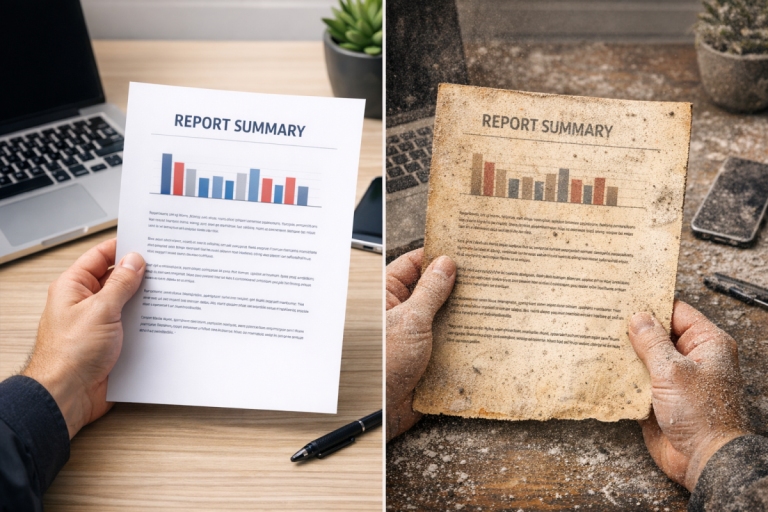
Contrast this with content that has a short shelf life, and the difference becomes clear.
- Product launch hype. Once the product ships, the pre-launch buildup becomes irrelevant almost immediately.
- Contests and giveaways. Once the contest ends, the article has almost no remaining value. If you're running one, check out cool prizes you can give away while it lasts.
- Coupon roundups. Coupons expire. Expired coupons frustrate users and hurt your credibility.
- Rumors and predictions. While occasionally entertaining to look back on, speculative content rarely drives sustained organic traffic.
The key to evergreen content is either a very long or indefinite expiration date. If it doesn't become valueless over time, it's evergreen.
Keeping the Plant Alive
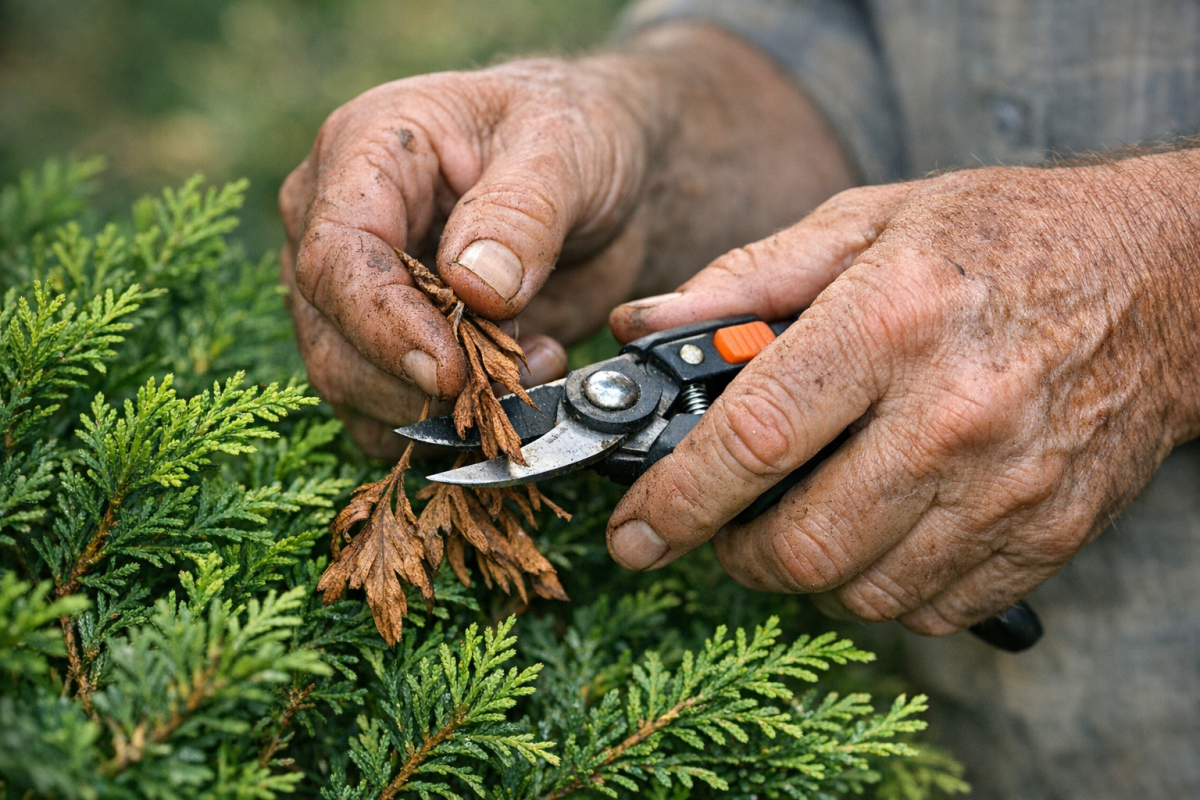
Here's something many people forget about evergreens: "Leaf persistence in evergreen plants varies from a few months (with new leaves constantly being grown as old ones are shed) to several decades."
Apply this concept to your content. If individual leaves are individual pieces of information, then a post you write and abandon is a dying plant. To keep your evergreen content valuable, you need to keep pruning the dead material and replacing it with something fresh and accurate.
This isn't just theory. Orbit Media found that refreshing existing evergreen blog content can increase views by 106% or more. That's not a small bump - that's a significant traffic recovery from simply dusting off something you already wrote.
In practice, this means revisiting your best-performing posts on a regular basis. If you wrote a comprehensive guide to link building, for example, and certain tactics have since moved into gray-hat territory or been penalized outright, that post is quietly losing leaves. Step in, update the information, add what's new, remove what's outdated, and republish. Google notices freshness. More importantly, your readers do too.
One more thing worth keeping in mind: 43% of readers skim content rather than reading it thoroughly (QuoraCreative), and users read only about 20% of text on an average page (Nielsen). This means your evergreen content needs to be scannable. Use clear headers, short paragraphs, and bold key takeaways. The best evergreen content in 2026 isn't just accurate - it's structured in a way that delivers value even to someone moving quickly through the page.
An Alternative Focus
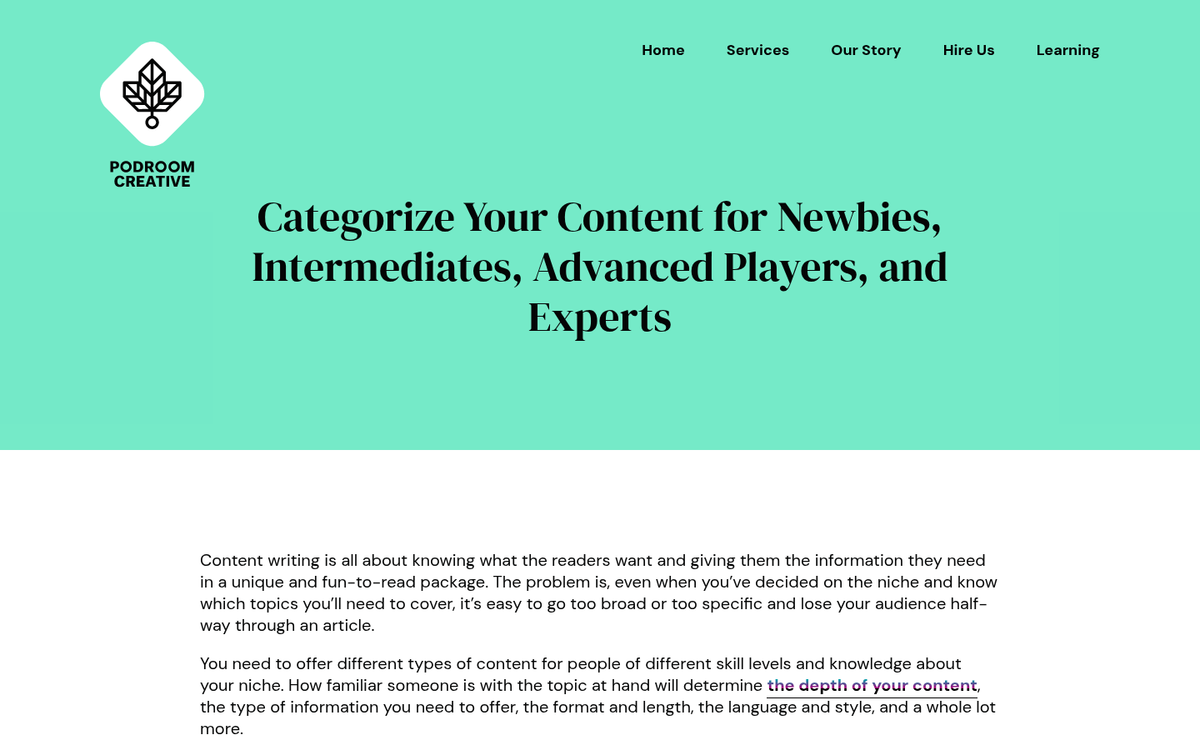
One approach worth considering is building your evergreen content specifically for beginners. When you create a resource like a how-to guide, you can target it at someone experienced in the industry or someone brand new to it. The experienced reader might glance at it, decide they already know everything in it, and move on. The beginner, on the other hand, will bookmark it, come back to it repeatedly, share it with others just getting started, and remember where they found it.
The good news is that focusing evergreen content on beginners doesn't prevent you from writing for advanced users - it just means being clear about who you're speaking to. One approach you still see on stronger content sites is flagging posts by audience level: beginner, intermediate, or advanced. It helps readers self-select and sets the right expectations before they even start reading.
Regardless of who you're targeting, evergreen content remains one of the highest-return investments in any content strategy. It keeps users coming back, builds links over time, and positions you as a reliable, go-to resource in your space. In a content landscape increasingly cluttered with AI-generated noise and short-form takes, a well-maintained evergreen post that genuinely helps people stands out more than ever.

3 responses
Thoughtful replies only - we moderate for spam, AI slop, and off-topic rants.
James - what percent of my content should be evergreen vs normal articles?
Hi Cliff, thanks for your comment! I'd keep it varied. Fresh content is beneficial (newsy content) as well as content that will stand the test of time. Evergreen topics are generally more competitive and could take longer to yield traffic than relatively new topics (which could yield traffic sooner). A balanced approach is best!
Thanks for explaining, James. I can see the appeal behind evergreen content, it makes much more sense from an investing standpoint