Key Takeaways
- Earning $1,000/month from a niche site is achievable but typically takes over a year of consistent effort.
- High-commission affiliate programs (SaaS, hosting) paying $50-$300+ per sale outperform low-rate Amazon commissions significantly.
- Niche sites require low ongoing costs and no team, but are more vulnerable to Google algorithm updates than authority sites.
- Choosing the right niche matters most - prioritize monetization potential, keyword viability, and underserved competitor gaps.
- Post-2023, Google rewards genuine expertise and helpful content; bulk AI content and thin affiliate pages risk penalties or deindexing.
Can You Really Make $1,000 Per Month From a Website in 2026?
What would you consider a good level of income from a website? Would you want to make enough to cover your web costs and buy a few beers on the weekend? Do you want enough to be able to take a vacation every six months? How about enough to pay the bills while the rest of your income goes to luxuries and life improvements? Does $1,000 per month sound good?
It's perfectly doable to reach $1,000 per month from a website, even if you've never built one before and you're new to the whole online marketing thing. That said, let's be honest about what the data actually shows in 2026: about 65% of niche websites take over a year to achieve steady revenue, and in that first year, 73% of niche sites receive fewer than 1,000 monthly visitors. The path is real, but it isn't overnight.
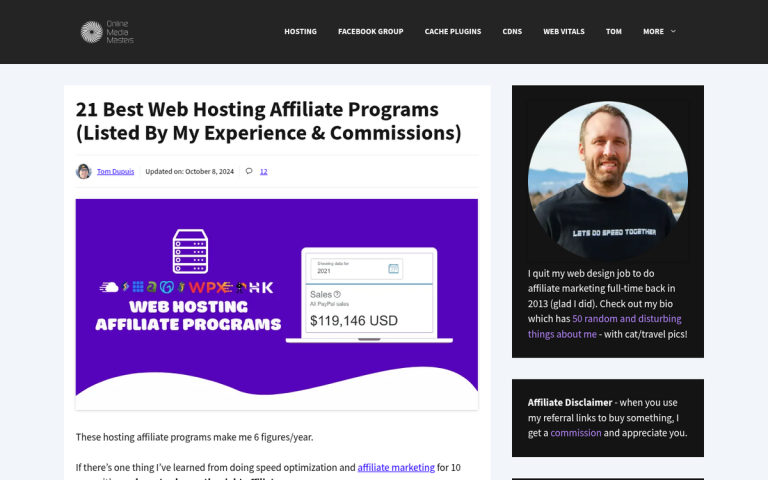
Still, $1,000 per month is a reasonable and achievable goal. It's only about $34 per day, and you can get there through a few solid affiliate sales. The good news is that affiliate marketing has matured significantly - programs like Semrush pay up to $300 per sale, and Hostinger offers commissions of up to 60%. Compare that to grinding for low-ticket Amazon commissions, and you can see why your monetization strategy matters more than ever. Sell even a handful of high-commission SaaS or hosting products per month and you're already there.
Just remember: despite all of the tips I'm about to give you, the #1 strategy for success is persistence. The #1 cause of failure in online income generation is giving up too soon. About 41% of affiliate marketers earn less than $1,000 per month - but affiliate marketers with over three years of experience earn 9.45 times more than beginners. The gap between failure and success is often just time.
Niche Sites or Authority Sites
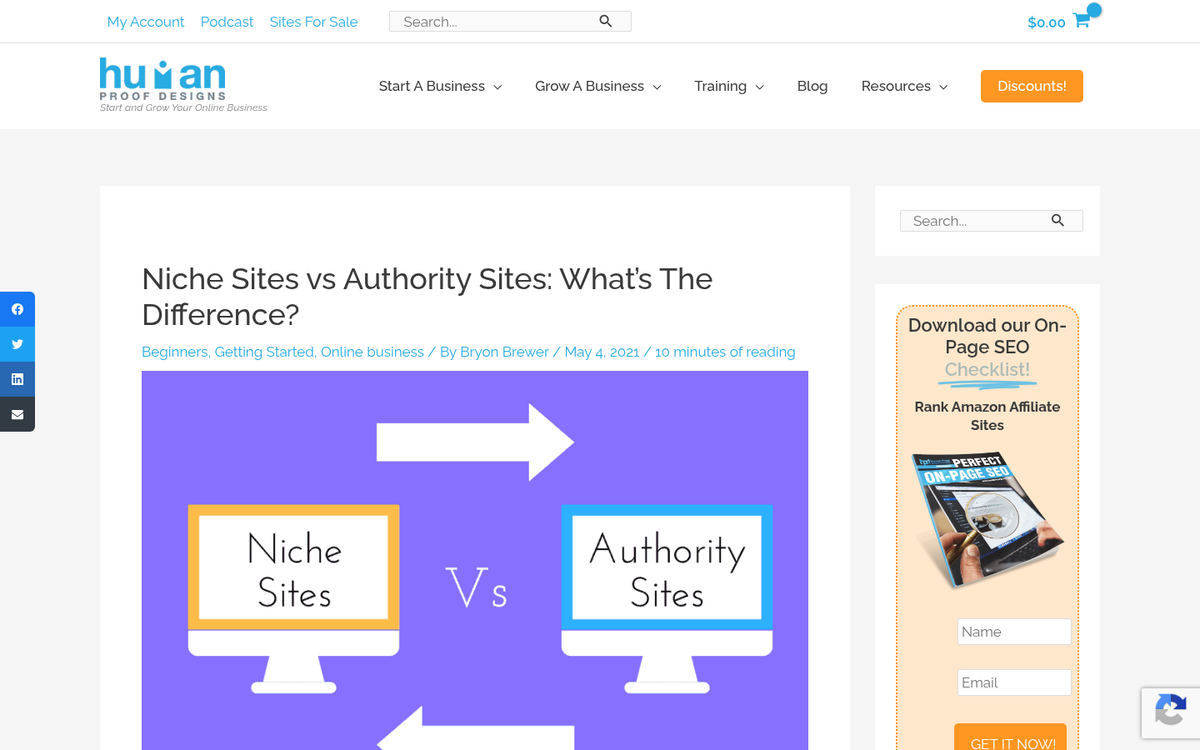
There's a difference between a niche site and an authority site. Authority sites aim to become hubs of content, news, and products within their industry. They need consistent work: fresh content, writers, developers, and ongoing attention to stay competitive.
Niche sites are different. They tend to be built around evergreen content and updated sparingly - typically to promote deals, swap out affiliate links, or refresh old content. They don't need as much ongoing upkeep, which is what makes them attractive for generating relatively passive income. You have a larger up-front investment of time and effort, with lower ongoing costs.
What advantages do niche sites have over authority sites?
- You can build a functional niche site with a handful of well-optimized pages - a homepage, a few product reviews, supporting blog posts, and your legally required terms and about pages. In a low-competition niche, that's often enough to get indexed and ranked.
- You don't need much more than a domain, reliable web hosting, a WordPress installation, and a quality theme and plugins to get started. The barrier to entry is low. If you're unsure where to begin, choosing the right WordPress theme for an affiliate site is a good first step.
- Niche sites have high initial time investment but low ongoing costs. Once they're up and running and ranking, they can generate income with minimal intervention.
- Niche sites don't require a team. You're typically using affiliate links, so no customer support, no inventory, no fulfillment headaches. Freelancers can handle any content updates you need.
- One niche site teaches you everything. Once you've built one, you can replicate the process faster for a second, third, or fourth site - building a small portfolio of passive income streams.
- Data backs this up: niche websites have a 45% higher conversion rate on affiliate products, and 75% of specialized websites secure positions in the top 10 Google results for their primary keywords - when they're built correctly.
That's not to say authority sites are without merit. Here's where they shine:
- Authority sites are far more resilient to Google algorithm changes. Where a niche site can take a serious hit from a core update, a genuinely authoritative site with strong E-E-A-T (Experience, Expertise, Authoritativeness, and Trustworthiness) signals tends to weather the storms much better.
- Authority sites carry more legitimacy. They build real audience trust, which opens doors to premium ad networks, direct sponsorships, and higher-ticket product sales.
- Authority sites have a much higher profit ceiling. Niche sites tend to cap out somewhere between $500 and $3,000 per month depending on the niche and traffic. Authority sites can generate $10,000, $50,000, or more monthly once they've matured.
- Authority sites build more than just income. They build your personal brand, your reputation, and long-term business value - including the ability to sell the site for a significant multiple of monthly revenue if you ever choose to exit.
The tradeoff is real: authority sites require serious ongoing investment in content, SEO, and often personnel. Niche sites are leaner and faster to launch, but have a lower ceiling and are more vulnerable to algorithm shifts - something Google's repeated helpful content and core updates since 2023 have made painfully clear for many site owners. It's also worth asking whether your business can survive without Google traffic if rankings drop.
My recommendation: start with a niche site to learn the process and generate early income, then use those resources to build toward something with more staying power. If you're new to the space, learning how to build an affiliate site with little to no experience is a practical place to begin.
Pick a Monetization Strategy

One of the first things you should decide is your monetization strategy. There are three main ones worth focusing on in 2026.
- Affiliate links.
- Display ads (programmatic).
- Product or digital sales.
Affiliate links remain my top recommendation, and affiliate marketing now accounts for roughly 40% of all profitable niche website revenue. The key difference in 2026 compared to years past is that the best commissions have shifted. High-ticket affiliate programs - SaaS tools, hosting providers, online courses, and financial products - can pay anywhere from $50 to $300+ per sale. That changes the math considerably compared to chasing 4% on Amazon purchases.
That said, Amazon Associates still has its place, especially in product review niches. More on that shortly.
Display ads (think Mediavine, Raptive/AdThrive, or even Ezoic at lower traffic thresholds) are a much better supplemental income source than they used to be for established sites. They won't carry you on their own at low traffic volumes, but once you're pulling in consistent traffic, display ads can meaningfully add to your monthly revenue alongside affiliate income.
Digital product sales - ebooks, courses, templates, and tools - are increasingly viable even for smaller sites, particularly if you've built any level of trust and email list. However, like physical products, they work best once you have an audience that knows and trusts you. For brand new niche sites, this is a longer-term play.
The Honest Picture on Amazon Affiliates in 2026

Amazon Associates is still worth using, but it's no longer the slam-dunk first choice it once was. Amazon slashed commission rates significantly in 2020 and rates have largely stayed low since. Most categories pay between 1% and 4%, with only a handful reaching higher tiers.
Here's where Amazon still works in your favor:
- Amazon's brand trust is unmatched. Conversion rates on Amazon affiliate links remain strong because people are already comfortable buying there.
- You earn commission on anything a visitor buys during their session - not just the product you linked. Someone clicks your link for a coffee grinder and buys a coffee grinder, a French press, and a desk lamp? You earn on all of it.
- Amazon's product depth means you can find something to promote in almost any niche.
The smart play in 2026 is to use Amazon as a supporting monetization layer while making higher-commission affiliate programs your primary revenue driver wherever possible. Don't build your entire income strategy around 3% commissions when $100-per-sale alternatives exist in your niche.
Pick a Good Niche
Your niche is everything. A bad niche is a failed investment of months of your time. A good niche is thousands per month in passive income. Spend more time here than you think you need to.
The three elements of a good niche are:
- Monetization potential. Are there affiliate programs worth promoting? Are the products priced high enough that even modest commissions add up? Is there a mix of Amazon products AND higher-ticket programs you can layer in? Map this out before you commit.
- Keyword viability. Your niche needs to have keywords with real search volume and manageable competition. In 2026, with AI-generated content flooding search results, this matters more than ever. You need to find angles competitors are underserving - not just keywords with decent volume.
- Competitor positioning. Some competition is healthy - it proves there's money in the niche. But you want to find gaps: niches where the existing content is thin, outdated, or clearly written by people with no real expertise. That's where you can win.
A note on niche selection in 2026 specifically: Google's continued push toward E-E-A-T means that niches where you can demonstrate genuine first-hand experience - gear you've actually used, products you've actually tested, problems you've actually solved - are significantly easier to rank in than niches where you're just summarizing other people's information. AI-generated content faces particular scrutiny under these guidelines, so authentic expertise matters more than ever.
Start brainstorming from what you actually know. Products you've used, hobbies you have, industries you've worked in. Then use a keyword research tool (Ahrefs, Semrush, or even free tools like Google's own search suggestions and tools like Ubersuggest) to find the specific angles worth targeting.
Look for niches with:
- Products in the $50-$500+ range (better commission math) - and consider whether higher-priced products actually earn more in your specific niche
- A mix of informational and commercial intent keywords
- Room for accessories, related products, and multiple review targets
- Existing competition that isn't dominated by massive editorial brands
Creating a Site
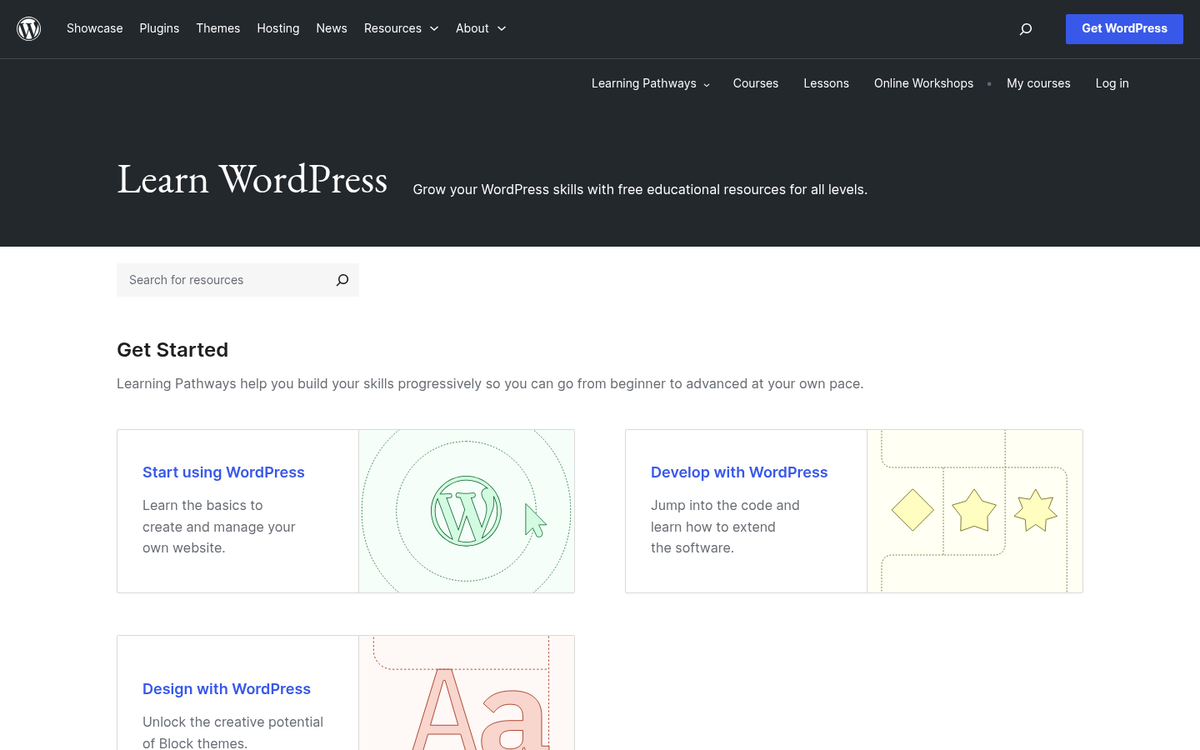
All of this is groundwork. Only start building once you've identified a solid niche.
To make a site, you need:
- A domain. Keep it brandable rather than exact-match. Exact match domains lost their SEO edge years ago and can look spammy.
- A web host. A solid shared or managed WordPress host is fine to start. Speed and uptime matter for both user experience and rankings.
- WordPress. Self-hosted WordPress (wordpress.org) remains the standard. It gives you full control over your site, your plugins, and your monetization - which free platforms do not.
- A clean, fast theme. Mobile-first, fast-loading, and not overly template-looking. Core Web Vitals are a real ranking factor now, so your theme's performance matters.
- Essential plugins. At minimum: an SEO plugin (Rank Math or Yoast), a caching plugin for speed, and something for security. Google Analytics or a privacy-friendly alternative for tracking.
- Content. More on this next.
Developing Content
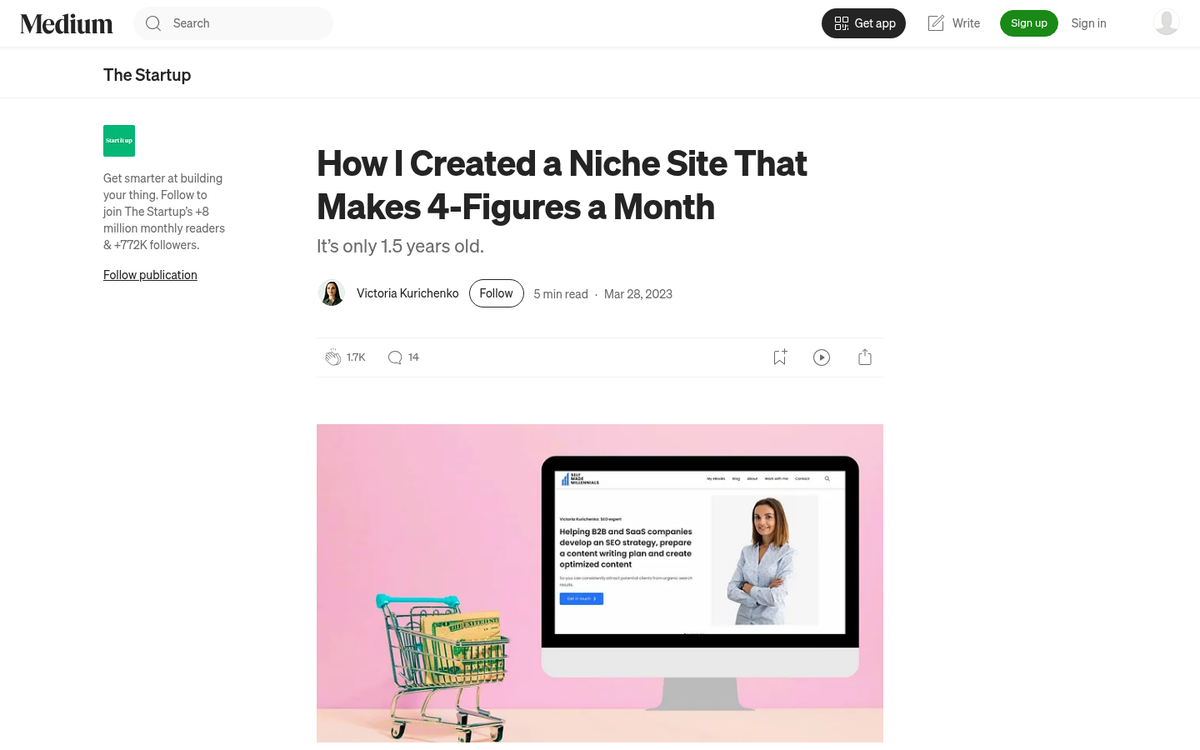
You don't need hundreds of pages to get started. A focused set of well-executed pages beats a large volume of thin content every time - especially post-2023.
Your core pages:
- A homepage that clearly communicates what your site is about and funnels visitors toward your best content.
- An About page that establishes who you are and why you're qualified to be talking about this niche. In the E-E-A-T era, this page matters more than most people realize.
- Standard legal pages (privacy policy, terms, affiliate disclosure). These are non-negotiable - both legally and for affiliate program compliance.
- Product reviews and comparisons. These are the revenue-driving core of your site. Make them genuinely useful. Cover real pros and cons. Include your own experience where possible. Aim for depth over length - a 2,000-word review that's genuinely helpful beats a 5,000-word padded one every time in today's search environment.
- Informational content targeting questions people ask in your niche. This builds topical authority, brings in top-of-funnel traffic, and supports your money pages in Google's eyes.
One case study worth noting: the Woorkup niche site grew from zero to over 110,000 visitors per month and crossed $1,000/month within its first year. It's proof the goal is achievable - but also that it takes consistent, strategic effort over many months, not weeks.
A Note About SEO and Playing It Smart in 2026
The "gray hat vs. black hat vs. white hat" conversation has largely been settled by Google's actions over the past few years. Aggressive link schemes, AI-spun content farms, and thin affiliate sites built purely to rank have been hit hard by a series of core updates. Sites that survived and thrived are the ones that invested in genuine helpfulness.
That doesn't mean niche sites are dead - far from it. It means the bar for quality is higher.
What works in 2026:
- Content written from real experience or genuine research
- Clear author credentials and about pages
- Earning links naturally through content people actually want to reference
- Building topical depth in your niche rather than targeting isolated keywords
- A real editorial process, even if you're a one-person operation
What gets you penalized or deindexed:
- Bulk AI-generated content with no human review or added value
- Aggressive private blog network (PBN) link building
- Thin pages that exist solely to capture a keyword and redirect to Amazon
The good news is that if you're building something real - a focused niche site with genuine helpful content - the long-term returns are more sustainable than they've ever been for people willing to do the work properly. The shortcuts are mostly gone, but the opportunity is very much still there.