Key Takeaways
- Never give away prizes unrelated to your business; irrelevant prizes attract freebie seekers, not potential customers.
- Contests convert at nearly 34%, and Instagram accounts running contests grow followers 70% faster than average.
- Store credit beats single-product giveaways by appealing to anyone interested in your catalog, naturally encouraging upsells.
- Scarcity-driven prizes like limited-edition or unreleased items motivate entries through collector psychology, even among uninterested buyers.
- If using generic prizes, use entry mechanics like video submissions to filter out non-fans and attract genuine customers.
20 Contest Prize Ideas That Actually Grow Your Audience in 2026
Contests on a blog or social media are an interesting situation. Some of the most successful contests out there grab millions of people and global attention, but then, they're also the sort of contests that run for months and have prizes valued at tens or hundreds of thousands of dollars. These are the sorts of prizes that the average person finds so attractive, so valuable, that they almost have to enter. It's like the lotto, but you don't have to pay for a ticket. (Case in point: one sweepstakes offering a $9,000 dream wedding prize received over 53,000 entries.)
Of course, what brand out there has that kind of budget for a contest? Nabisco, Coke, Apple, Google; sure, these sorts of companies can swing it. The rest of us, the little guys, have to make do with much smaller contest prizes. We're talking about $25 gift cards, not $25,000 cruises. For context, the average contest prize these days runs around $369 - and that's enough to drive real results if you use it strategically.
There's one guiding principle for contest prizes that I need to drum into the heads of everyone who runs a contest online, though. That principle, that rule, that law, is this: Never give away something that has nothing to do with your business.
Why is this? Well, the idea with a social media contest is to give a small prize as an incentive for getting people to like your page, follow your profile, or otherwise engage with you. You're paying for engagement, you're just doing it in a distributed manner. And the numbers back this up - contests have a conversion rate of nearly 34%, higher than almost any other content type. Instagram accounts that run contests grow their followers 70% faster on average, with contest posts getting 3.5x as many likes and 64x more comments than regular posts.
Now, who do you want engaging with your page, following your profile, or signing up for your mailing list? You want fans. You want the people interested in your products. You want the people who might go on to buy something later, or who, having already bought something, will be more receptive to future purchases or upsells. You want the people you can eventually sell to, to make your profits.
If you're giving away a copy of your product, the people who enter your contest are people who want your product. It's obvious, right? They wouldn't enter if they didn't have an interest in the prize. Okay, well, maybe a few people will enter under the assumption that they can flip it, but that's a minority.
Now look at a different situation; you're giving away the latest iPhone or a hot new gaming console. Who is going to enter that contest? Anyone and everyone who wants free tech. They want the gadget; they don't care who you are or why you're giving it away. If you're anyone other than Apple or an electronics retailer, you're not getting interested fans out of the contest. You're just getting people who want free stuff.
Always try to give away a prize that is primarily appealing to the demographic you want to reach. That doesn't mean you're limited to just your product, though. There are a ton of different options - you just need to be a little creative. I've put together 20 ideas, but treat them as inspiration, starters, seeds for brainstorming. They aren't your only options by far.
#0: Your Product or Service
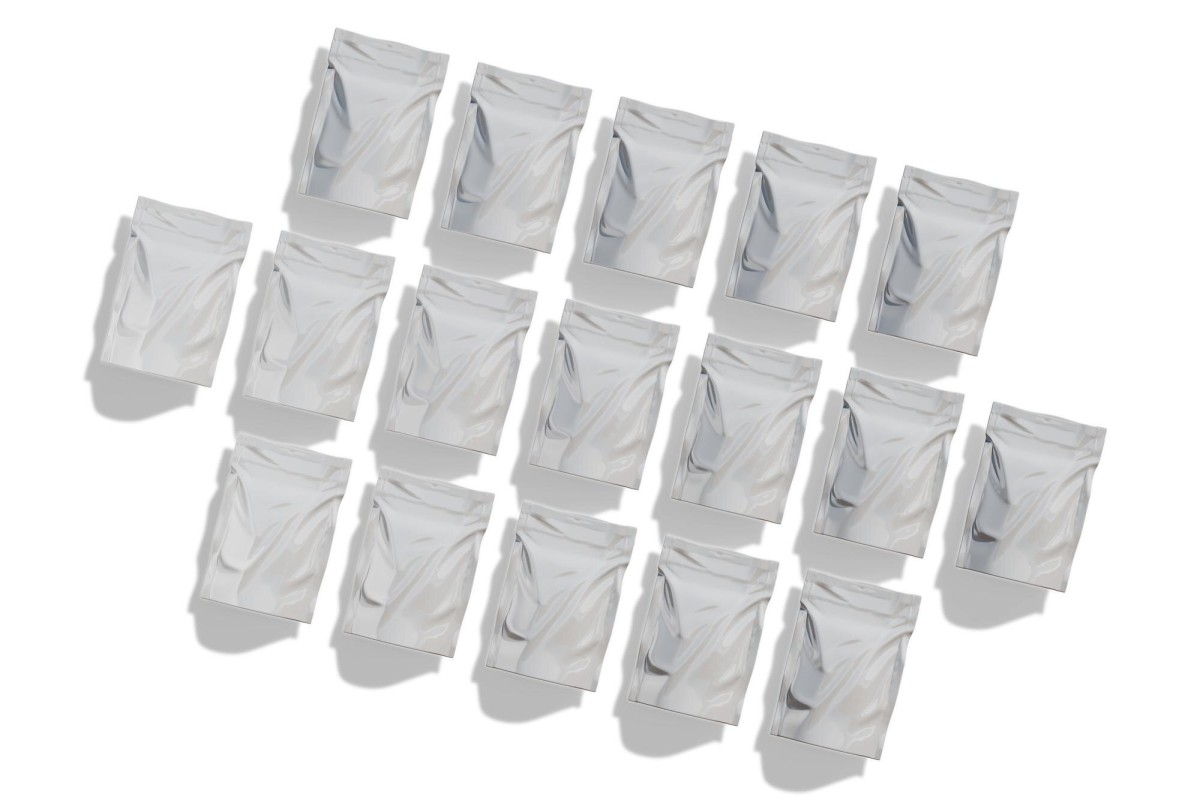
I'm starting off this list with number zero because giving away your product or a month of your service is the absolute bare minimum baseline option. It's extremely limited, because it's only appealing to people who already know about and are interested in your product or service. If you're offering something more esoteric or exotic, you're not going to draw in new people. A variation of this offer is a sample size or a sample pack; 6x 5g lotion bottles instead of your normal 30g offering, for example. Give them a range of options - fragrances, flavors, or compositions - instead of just one. If you're looking to take things further, check out the ultimate guide to promoting your new product.
#1: Store Credit
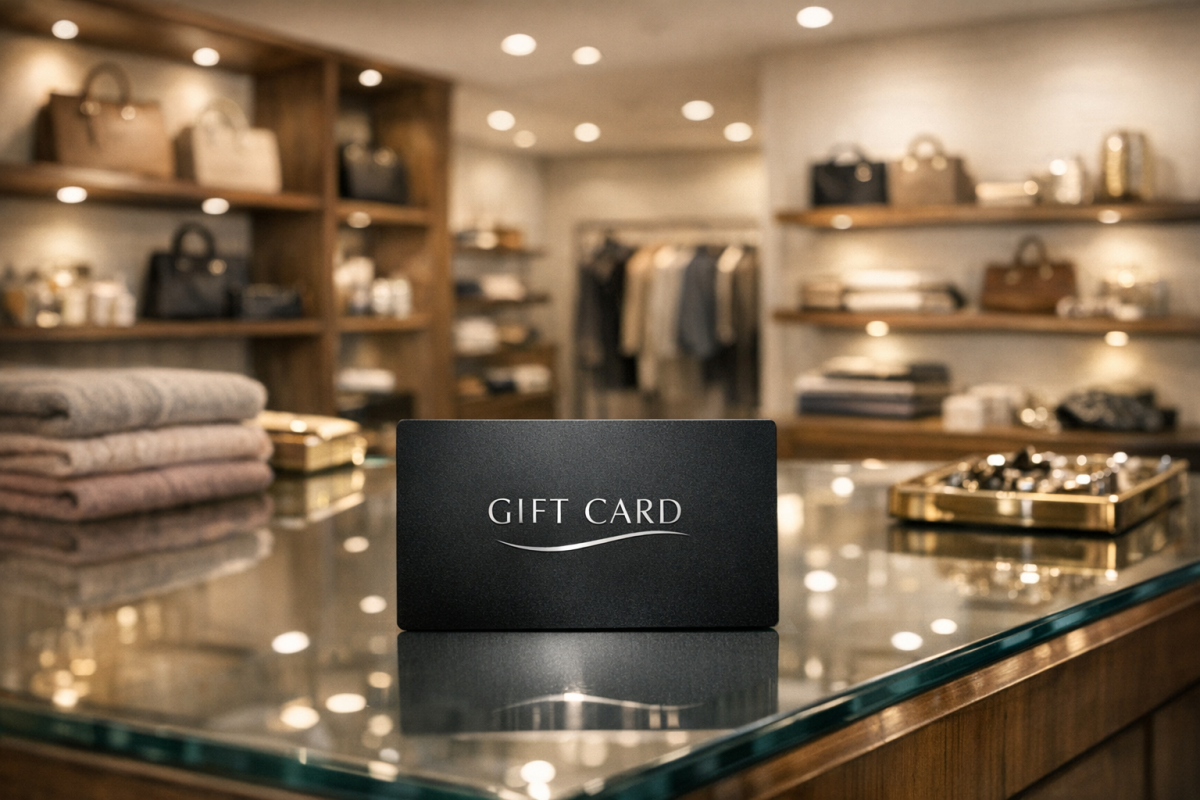
Store credit or store-only gift cards are a great option if you're a retailer or storefront with a lot of different items on offer.
If you have a stock of 100 items and you pick one to give away, you're missing out on the people who want one of the other 99. If you give out a gift card worth the value of that item, anyone interested in anything you sell is going to enter. This is also a natural path for upsells - if your gift card is worth $50 but you carry products worth $70+, people will treat the difference as a small spend rather than a full purchase. KnivesShipFree.com is a great real-world example here; they ran a contest that generated over $10,000 in sales largely because store credit brought people into the funnel who then kept browsing. If you sell on Amazon as well, check out our guide to getting more sales on an Amazon store for additional strategies.
#2: Advice or Consulting
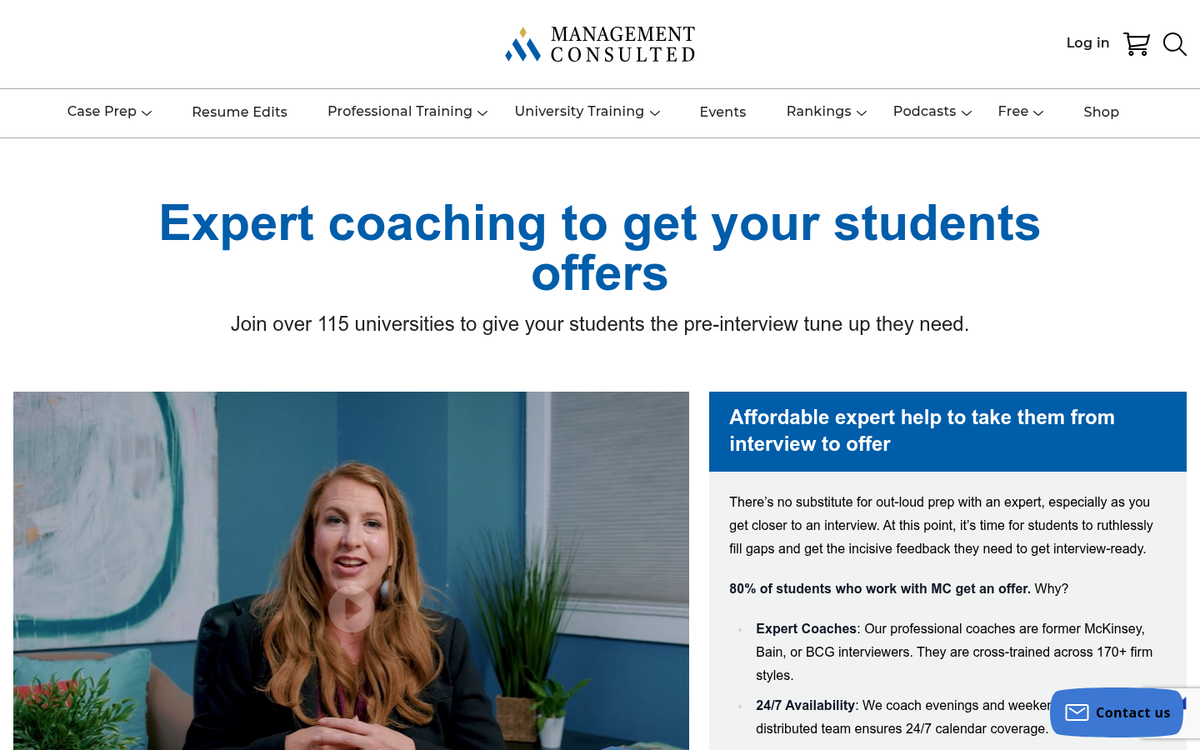
As a brand, you're an expert in your field. By offering consulting or a one-on-one advice session as a prize, you have the opportunity to go deep with a potential customer, tailor an offering to their specific situation, and actually solve their problem. This works especially well for service businesses, agencies, coaches, and SaaS companies. If you please them with something affordable and valuable, you'll have a brand advocate for life.
#3: Upsells and Accessories
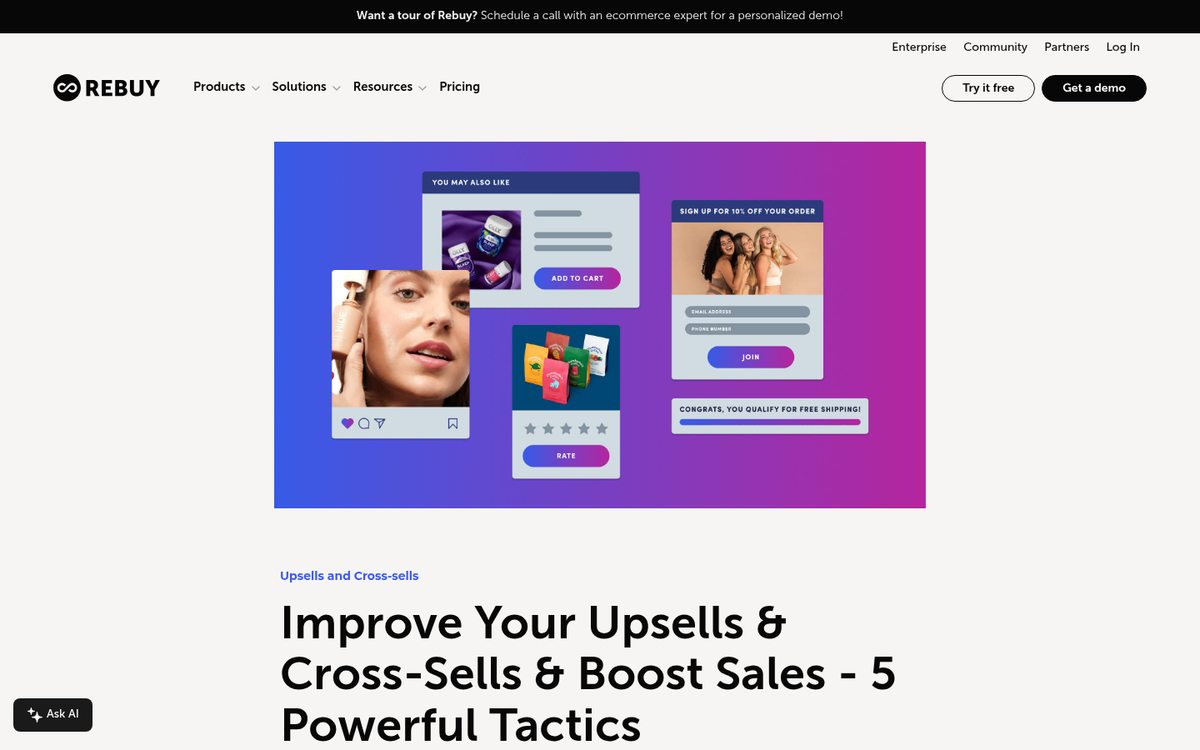
When you sell a camera to a new customer, your website is probably designed to give them suggestions - and your sales staff certainly do the same. You might not want to give away the camera itself, but a carrying case, an extra lens, a set of cleaning supplies, a tripod, and a light diffuser? You might be much more willing. Give away the accessories that aren't valuable without the main product, and people will be more likely to make the core purchase they've been putting off.
#4: Featured Publicity
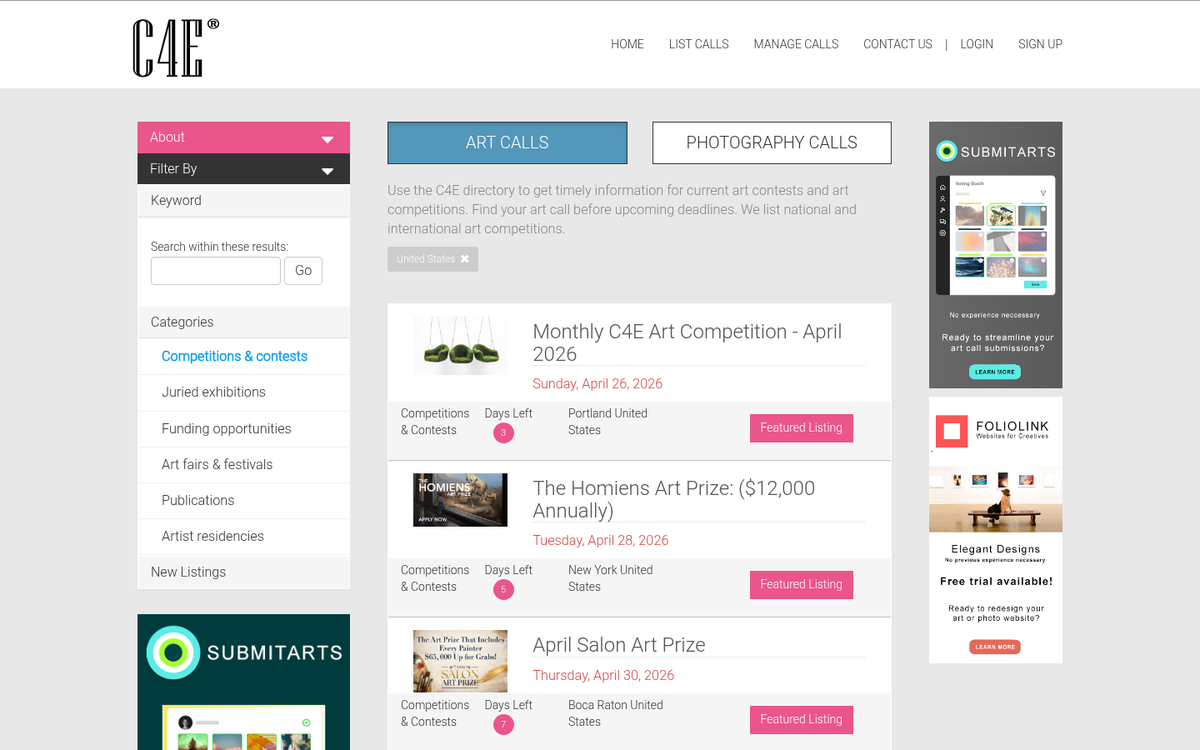
This one is fairly narrow - you need to have a platform popular enough that publicity through your brand actually carries weight - but when it works, it works well.
A good example might be a local venue or promoter. You regularly book acts and events; offer an opening slot to a local artist as a contest prize. The winner gets to perform in front of a real crowd, and they benefit from your promotional reach leading up to the event. This prize type works best for media companies, agencies, event businesses, and anyone with an audience another person or business would want access to.
#5: VIP Treatment

If you offer a service, you can upgrade that service and give the winner a white-glove experience. Airlines do this with first-class upgrades. SaaS companies do this with free access to enterprise-tier features and a dedicated account manager for six months. The underlying strategy is the same everywhere: impress someone with the premium experience, and they'll find it hard to go back to the standard tier. If you want to grow your audience further, explore 30 ways to find new clients for an internet business to keep your pipeline full.
#6: Themed Collections
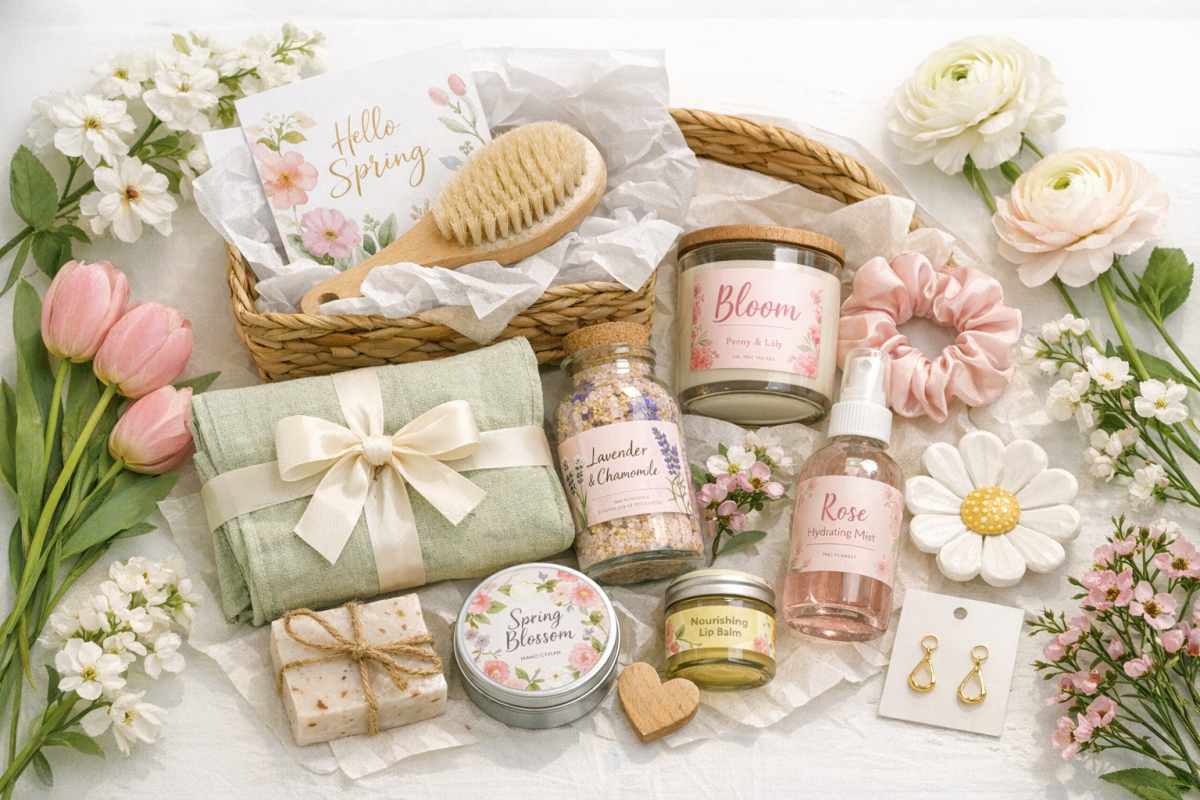
Seasonal and themed prize bundles are reliably engaging because they feel timely and curated rather than generic. Put together a handful of relevant products and promote it as a spring refresh pack, a back-to-school bundle, a holiday gift set, or whatever fits the moment. The theme does a lot of the marketing work for you - people share themed content more readily, which matters given that 78.4% of contest shares happen on Facebook and virality still lives and dies by how shareable the premise feels.
#7: Local Partnerships
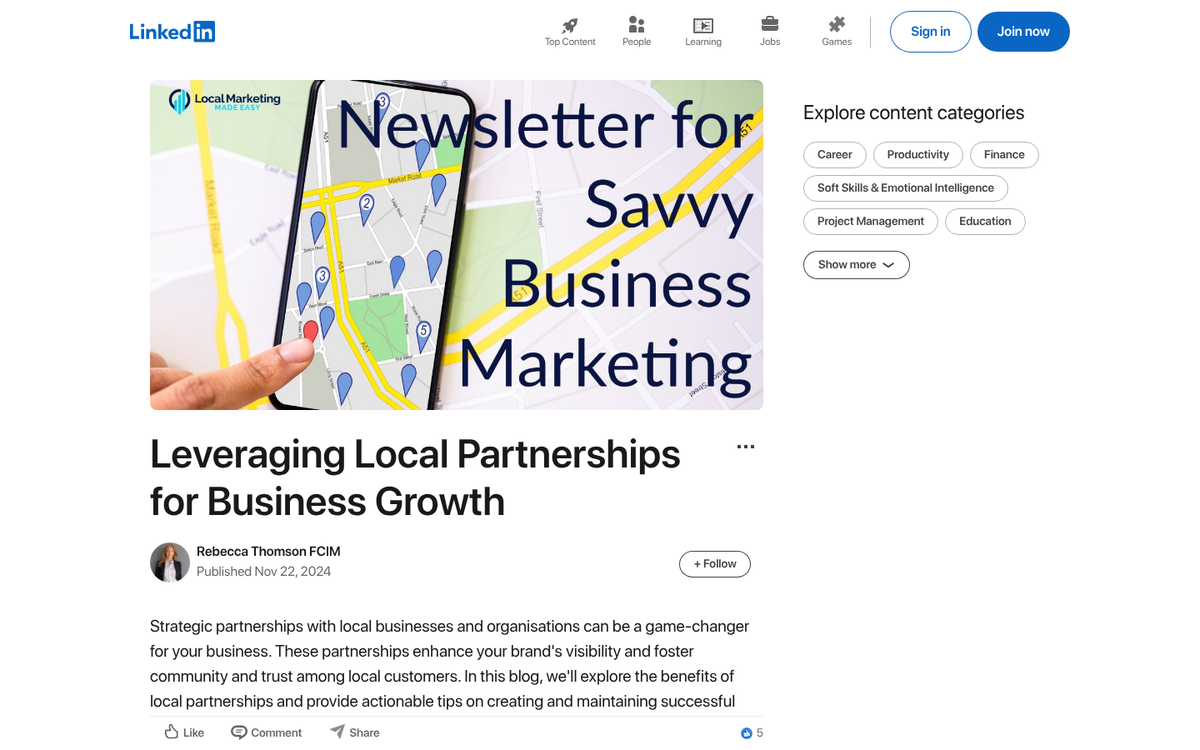
Forging a partnership with a complementary local business can expand your reach while splitting the cost of the prize. A photographer might partner with a camera shop to give away an introductory kit plus a session of lessons. A fitness studio might partner with a local meal prep service to give away a "health kickstart" bundle. As long as both businesses are reaching a compatible audience and the partnership is mutually beneficial, it's a smart move that makes the prize feel more premium than its parts. If you're looking to grow beyond local efforts, there are also 50 free places to list your business website and good reasons to start a business blog that can amplify your reach even further.
#8: A New or Unreleased Item
This works especially well with product launches, new collections, and software releases. You can give away one of the first copies of something new before it's widely available.
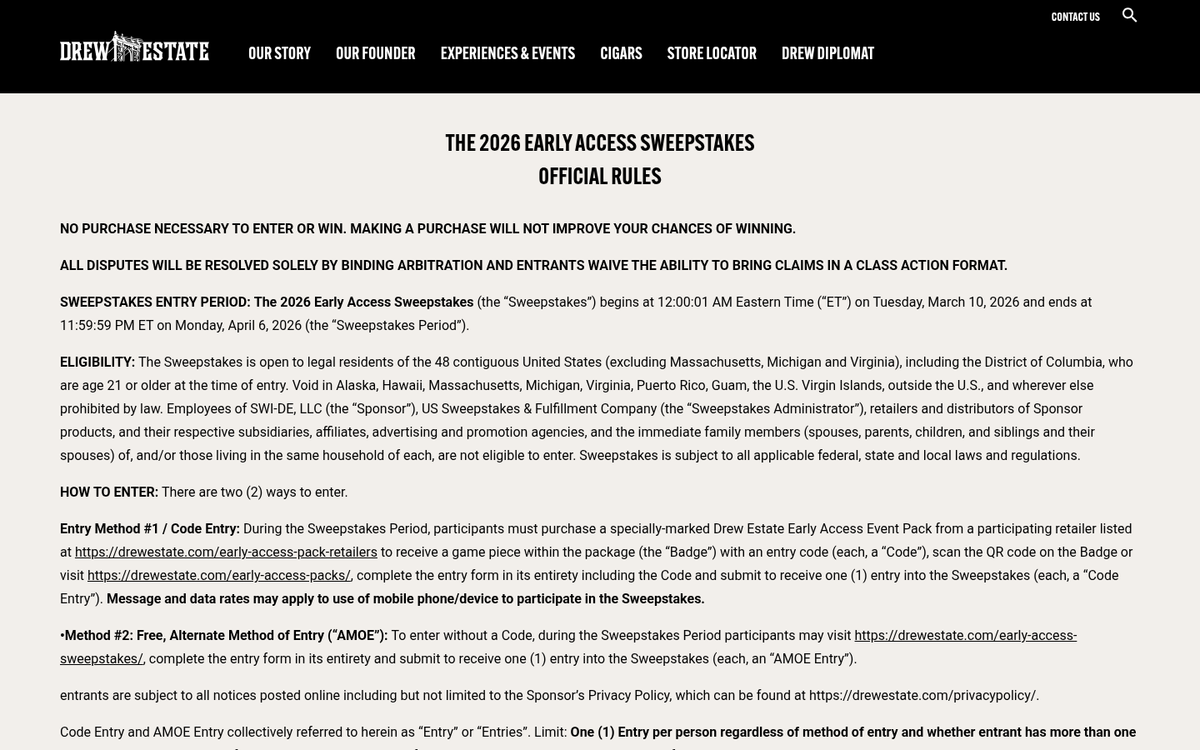
People compete to get into software betas - so being given an entire finished product early is a strong incentive. There's a collector mentality at play here too. You'd be surprised how many people will enter a contest for something they don't even particularly need, just to be among the first to have it.
#9: An Exclusive or Limited-Run Item
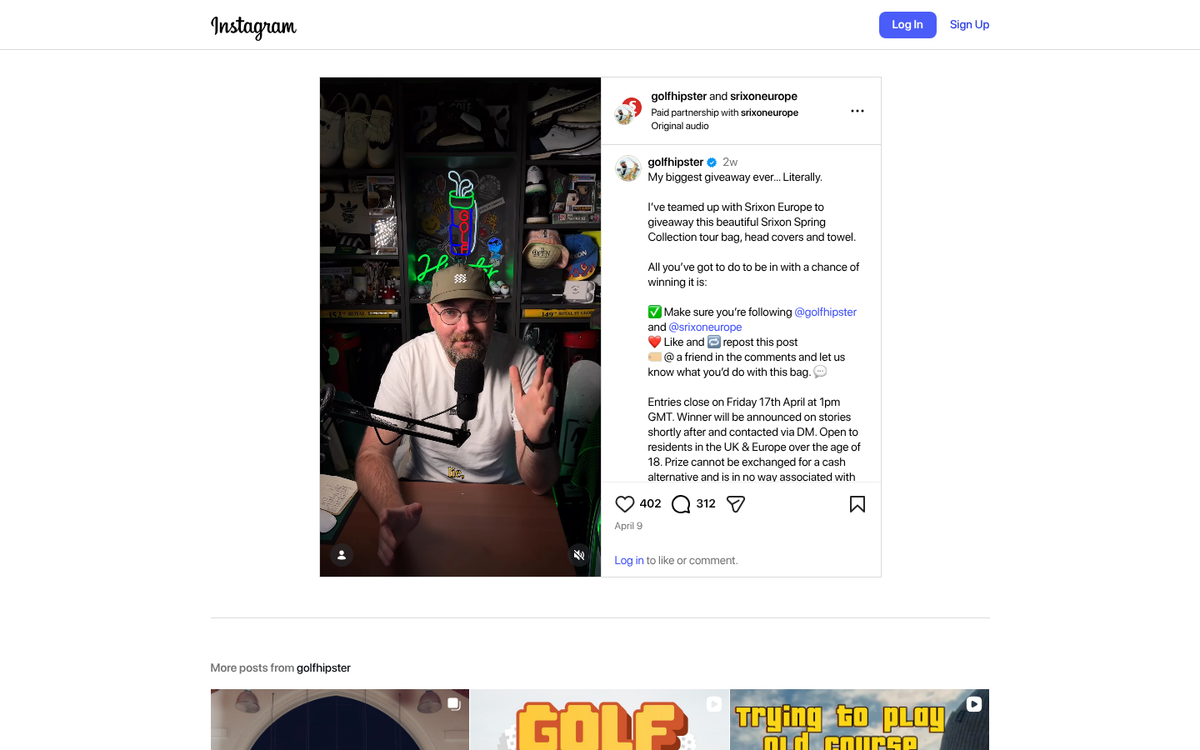
Along the same lines, you can give away something that won't go on sale at all. Special limited-run merch, signed items, collector editions, or one-of-a-kind collaborations all make for compelling prizes precisely because they can't be purchased. Scarcity is a powerful motivator. Just make sure whatever you're giving away is safe, legal, and genuinely desirable - a "limited edition" label doesn't mean much if the item isn't something people actually want.
#10: A Supplementary Service

Think about what your customers' lives look like beyond your product. A store that sells maternity clothing serves an audience of expectant and new mothers - a supplementary prize for them might be a night out covered by a restaurant gift card and a few hours with a babysitter. It acknowledges the full context of your customer's life, not just the transaction, and that kind of thoughtfulness builds real loyalty.
#11: A Consolation Prize
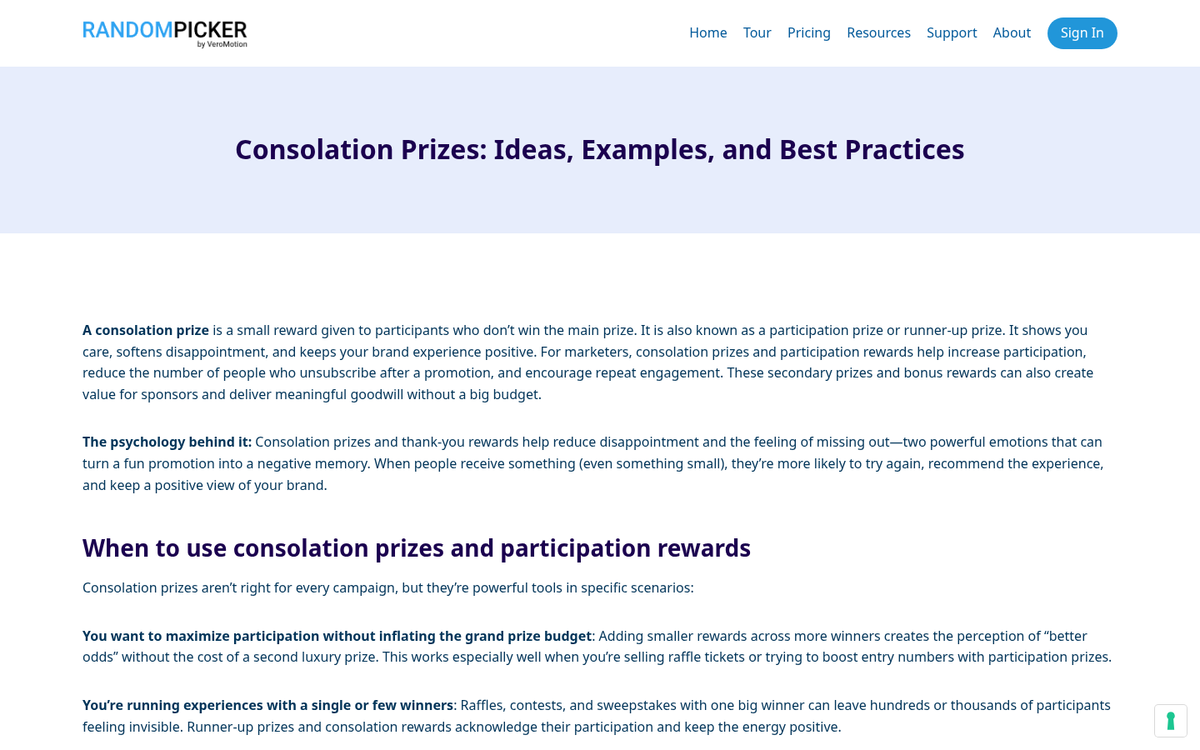
This one blurs the line between contest and offer, but it's worth including. Consider giving everyone who enters something small, even if they don't win the main prize. A 5% or 10% discount code, a free digital download, early access to a sale - these micro-incentives reduce the friction of entering and tend to drive a meaningful bump in purchases from people who entered, didn't win, and decided to buy anyway. Just make sure you're prepared to handle returns if someone buys the prize item and then actually wins it.
#12: Customized or Personalized Prizes
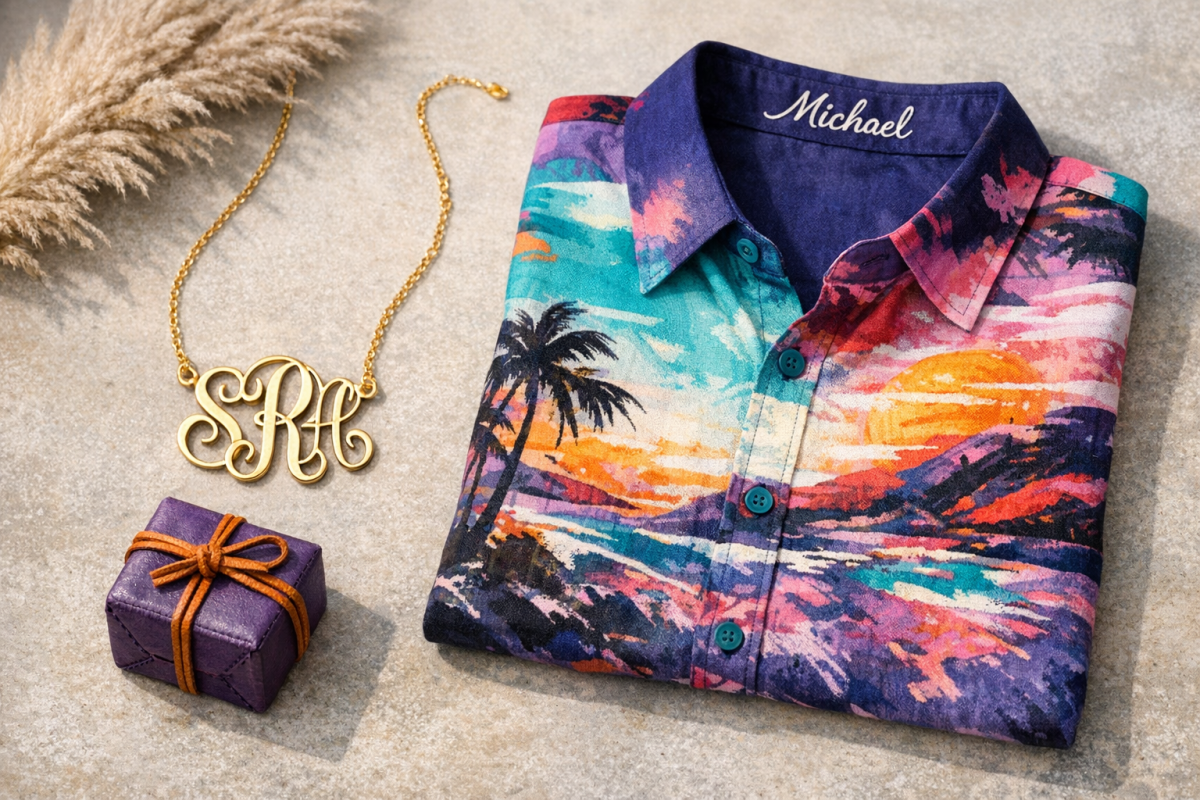
Offering a customized version of your product as a prize - a shirt with the winner's design, a piece of jewelry with their initials, a product in a colorway they choose - adds a layer of personal value that a standard product can't match. That said, it's worth keeping in mind: research from GreenBook found that 16% of consumers find hyper-personalized items (particularly those that use their name or personal details unexpectedly) a bit "creepy." Keep personalization in the realm of creative choice and preference rather than data-driven specifics, and you'll be fine.
#13: Company Merch

Branded merch has come a long way from the box of leftover trade show t-shirts. If your brand has built a real following, well-designed merch can actually be desirable. Limited-run drops, anniversary items, or collab pieces with a local artist or designer can turn a simple giveaway into something people genuinely want to show off. The key word here is quality - a cheap branded pen isn't a prize; a well-made hoodie or a genuinely cool item is.
#14: Fan Desires
When you genuinely can't decide on a prize, let your audience tell you what they want. Post that you're open to giving away something from your catalog, and ask people to suggest what they'd love to win. Then pick a winner from the responses. You'll almost always end up with a happier winner, because they got exactly what they wanted - and the engagement you get just from the "what do you want to win?" post is a bonus in itself. You can also see who has liked and shared your post to gauge which responses are resonating most with your broader audience.
#15: Extreme Rewards
If you're going big, go big with purpose. A large cash prize or an experience-based reward (a trip, an event package, an industry conference pass) can drive massive entry numbers when the prize is compelling enough. Contests with prizes of $1,000 or more see an engagement rate of 5.8% per 100 followers - which is substantial. The key is making sure the reward still attracts your target audience. A financial services brand offering a cash prize plus money management guidance keeps it relevant; a random cash drop from a niche brand just attracts sweepstakes hunters.
#16: Numerical Relevance

Give away a meaningful quantity of something tied to a milestone or number that makes sense for your brand. Shirt brand Qwertee famously gave away 1,000 shirts every week as part of a push to reach 100,000 followers - they hit the goal and then some. The scale of what they were giving away became part of the story. If you're celebrating 10 years in business, give away 10 prize packages. If you just hit 50,000 subscribers, do a 50-winner contest. The specificity makes it feel more significant than a generic giveaway.
#17: A Brand Spotlight
Turn a customer into a collaborator. Ask entrants to submit a photo, video, or piece of content involving your product, and make the prize being featured in your official marketing - an ad campaign, a website banner, a social media spotlight. Dove ran a version of this years ago where winners became brand models for an ad cycle. In 2026, the equivalent might be a featured slot in your brand's content series, a collab reel, or a co-created product. People value visibility, and this kind of prize costs you very little while generating a wealth of authentic user content.
#18: A Year of Goodies
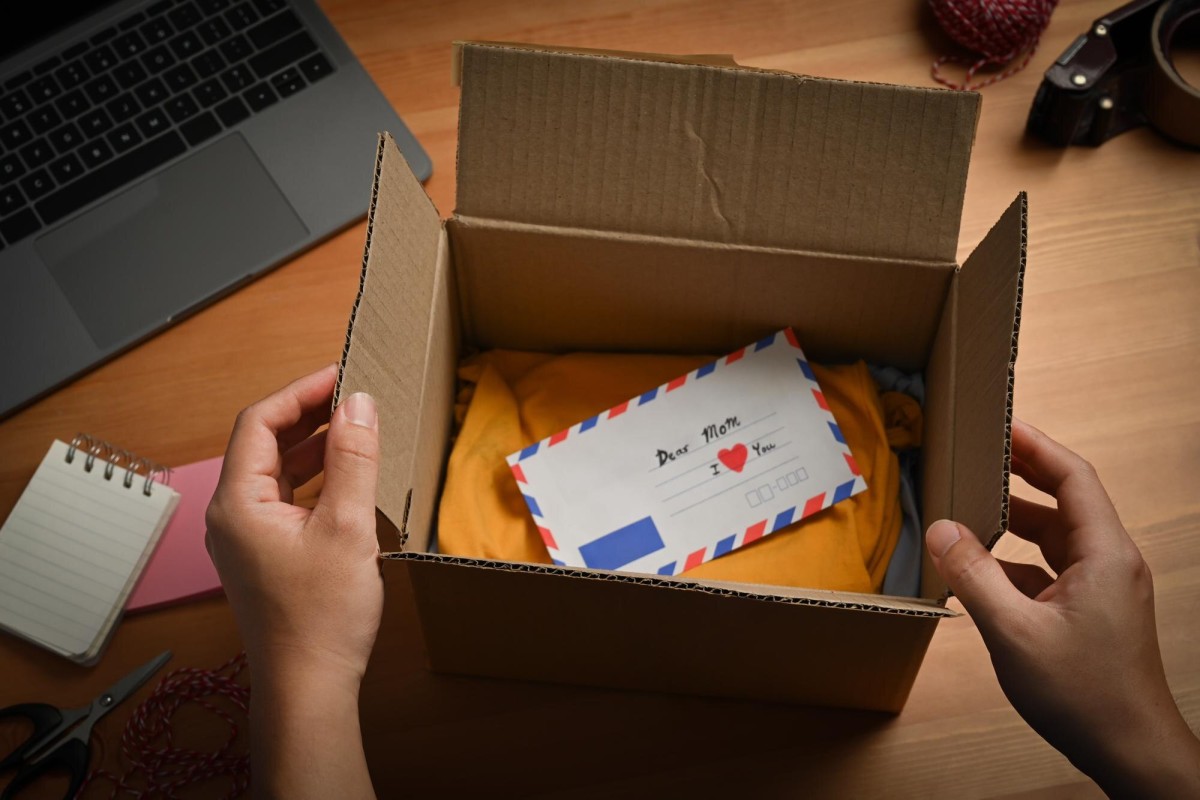
This one turns your winner into a long-term subscriber of sorts. Give away a monthly box of themed prizes for 12 months - think curated, seasonal, and relevant to your niche. It's an extended relationship with a winner rather than a one-and-done transaction, and it keeps your brand top of mind month after month. The subscription box economy has normalized this kind of ongoing delivery, so consumers understand and genuinely get excited about it.
#19: Random Value / Mystery Prizes
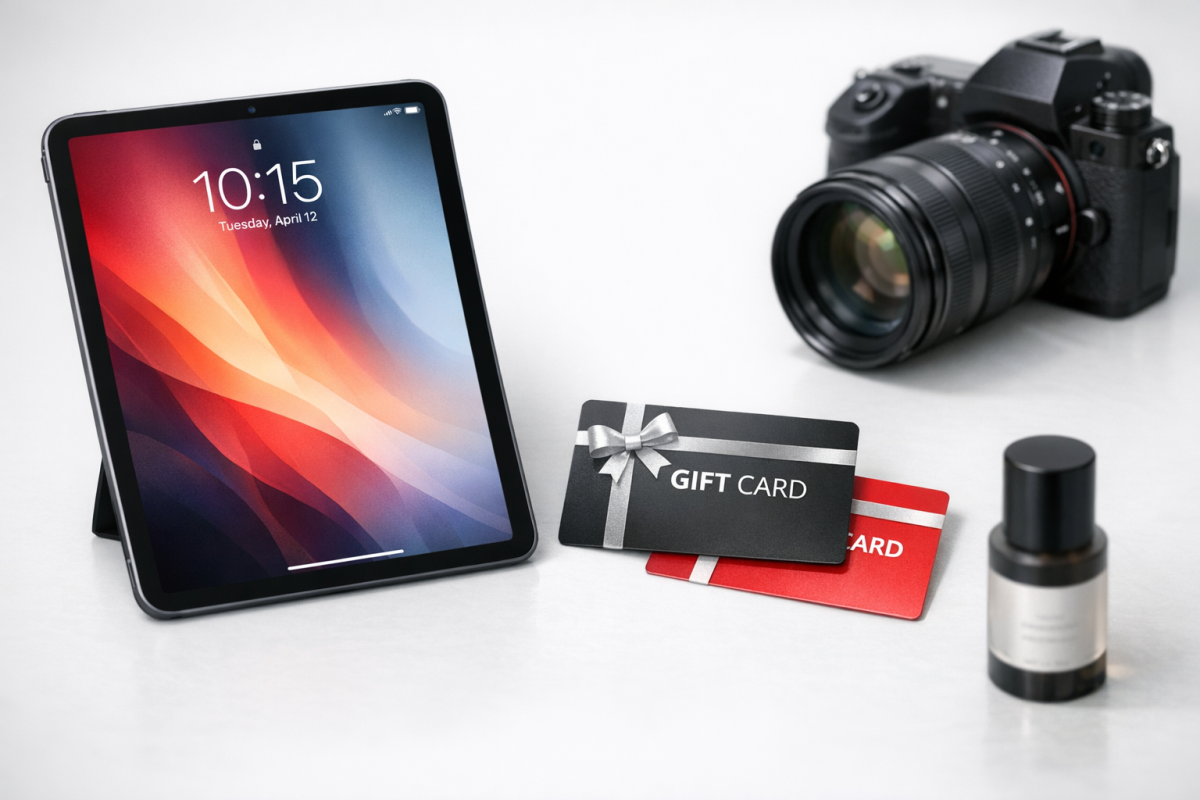
Offer mystery grab bags with a range of possible values. Some might be worth $10, some worth $100, with a rare "golden ticket" item worth $500 or more hidden in the mix. The uncertainty is part of the appeal - it taps into the same psychology as unboxing culture, which is still enormously popular. You can also sell mystery bags separately (with a guaranteed minimum value), using the contest version as the premium, higher-stakes carrot.
#20: Generic Items Done Right
Sometimes it is okay to give away something broadly appealing - cash, a popular gadget, a gift card to a major retailer. But there's a condition: your contest mechanics have to do the qualifying work your prize isn't doing. Instead of "follow us to win an iPad," run a "submit a video of you using our product for a chance to win." The barrier to entry filters out people who have no genuine interest in your brand. The prize gets them to the door; the entry requirement makes sure only the right people walk through it.