




Most website owners operate under the assumption that their analytics dashboard tells the full story. It does not. Studies show that anywhere from 15% to 30% of web traffic goes unattributed - meaning it lands in your analytics as "direct" or basically goes untracked, with no origin attached. That gap is not a minor footnote - it represents users, decisions, and missed opportunities to know what is actually driving your audience to you.
This problem has grown more difficult with the rise of Answer Engine Optimization. As AI-powered tools like ChatGPT, Perplexity, and Google's AI Overviews increasingly surface your content in their replies, visitors may arrive at your site through pathways that traditional attribution models were never built to track. A user reads an AI-generated answer, clicks through to your page, and lands in your analytics as direct traffic - even though an AI engine sent them there.
This glossary entry will cover what attributed traffic means in an AEO context, why the standard models fall short, and how you can start building a clearer picture of where your audience is coming from - including the sources your current setup is likely missing.
Quick Answer
Attributed traffic refers to website visitors or conversions that can be traced back to a specific marketing channel, campaign, or source. It helps marketers understand which efforts are driving results by assigning credit to touchpoints in the customer journey. Attribution models-such as first-touch, last-touch, or multi-touch-determine how credit is distributed across channels. Accurate attribution is essential for measuring ROI, optimizing ad spend, and making informed decisions about where to invest marketing resources.
How Answer Engines Change the Attribution Picture
Traditional analytics tools were built around an easy idea: a user clicks a link, a referral tag fires, and the visit gets logged. Answer engines like ChatGPT, Perplexity, and Google's AI Overviews don't work that way. A user asks a question, gets a full answer on the spot, and may never visit your site at all.
When a click does come through from an AI-generated answer, there's usually no UTM parameter attached and no referral string to read. The visit lands in your analytics as direct traffic, which makes it look like the user just typed your URL into the browser. It's a problem, because direct traffic is already one of the hardest buckets to interpret.
This isn't a small edge case. iOS 14 privacy changes already removed between 18% and 32% of observable conversions from ad accounts. AI answers are adding another layer on top of that. The picture your analytics tools paint has become less accurate over time, and that trend is continuing.

UTM tracking and last-touch attribution models were designed for a web where every actual interaction left an online footprint. A user would see an ad, click it, land on a page, and convert. The referral data would tell the story. Answer engines break that chain early - the user gets what they need before they ever reach your site. This behavior is closely related to the broader problem of zero-click search, where users get answers without ever visiting a source.
A user reads an AI summary that mentions your brand, then searches your name directly a day later. That second visit looks like organic or direct traffic. The AI touchpoint that started the whole thing gets no credit at all.
If you've seen a gradual climb in direct traffic with no obvious explanation, it's worth asking if AI answers are contributing to that number. Not every direct spike has an easy cause. But the timing of these increases tends to line up with the wider rollout of AI search features across platforms.
Last-touch models were already a compromise. They ignored email newsletters, social scrolling, word of mouth, and plenty of other interactions. Answer engines add another gap and create invisibility at the exact moment a user is forming an opinion about your brand.
The Touchpoint Gap Between Visit and Decision
Before a common buyer converts, they touch around 6.5 different sources. For B2B buyers, that number climbs to 14 or more, and each of the touchpoints plays some role in moving the person toward a buy. But most attribution models only hand credit to one or two of them.
That difference between influence and credit has always been a problem - it gets quite a bit wider when AI is part of the research process.
An answer engine doesn't pull from a single source - it draws on pieces of content across a long research process and synthesizes them into a response. Your blog post, your comparison guide, or your product page may have directly shaped the answer a buyer received - and you'd have no record of it at all.
That's the part worth sitting with. The content did its job - it educated the AI, which educated the buyer, which eventually caused a conversion. But because there was no click, no session, no referral URL, nothing gets recorded on your end. The influence was real and the credit was zero.
Multi-touch attribution was built to help with this problem. Instead of giving the credit to the last click or the first visit, it tries to distribute credit across the full process - it's a better model in theory, and 91% of marketers say it's a priority for them. But only 31% say they actually trust the data they get from it.
That trust gap exists for a few reasons. Attribution models depend on tracking, and tracking depends on visibility. When a touchpoint happens inside an AI-generated response, there's no cookie, no UTM parameter, and no referral to capture. The model can't account for what it can't see.
The problem extends past attribution being imperfect. The research journeys happening are longer and less visible than they've ever been. A buyer might use AI-summarized content three or four times before they ever land on your site - and the analytics report will look like they arrived with no visible trail of how they found you.
That disconnect between what actually influenced a buyer and what the data shows is the core tension that makes this worth addressing.
What Gets Measured When AI Is the Middleman
You can't track a conversation had with an AI assistant. But you can track around it.
Branded search lift is one of the clearest indicators. When an AI tool mentions your brand and a user later searches directly for it, that search shows up in your data - it won't have a referral source attached. But a spike in branded queries that correlates with AI activity is a signal worth watching. The same thing goes with direct traffic - users who type your URL straight into a browser are usually doing so because of something they ran into elsewhere.
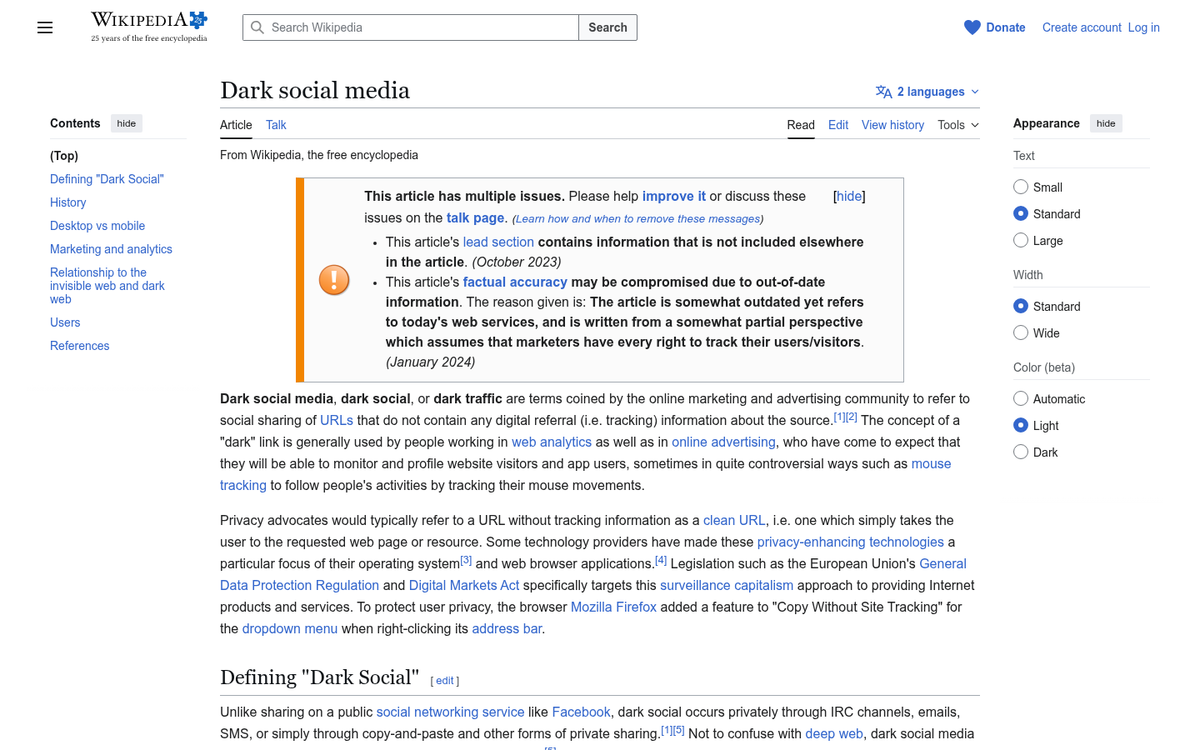
Dark social follows a similar pattern. Someone reads an AI-generated answer that names your product, shares it in a private message or a work chat, and the recipient visits your site. That session appears as direct traffic too. These aren't separate problems - they're the same blind spot viewed from different angles, and grouping them together gives a fuller picture of what's driving unattributed visits.
Share-of-voice in AI-generated answers is another layer worth tracking. Tools that monitor AI citations give you an idea of how frequently your content gets pulled into replies and for which topics - newer territory, but it's becoming a helpful part of competitive research.
On the infrastructure side, UTM discipline matters more than it used to. Every link your team controls should carry consistent parameters so the traffic you can attribute gets attributed accurately. Server-side tracking also helps - it's less vulnerable to browser-based blocking and gives you a more complete data set to work from. It's also worth making sure your share counter plugins are configured correctly so social data doesn't get lost in the process.
The model you use to interpret that data matters too. Attribution models can vary in how they assign credit across a user's path to conversion.
| Model | How It Works | Best Use Case |
|---|---|---|
| Last-touch | Full credit goes to the final touchpoint before conversion | Short, simple purchase paths |
| Multi-touch | Credit is split across multiple touchpoints in the journey | Longer sales cycles with several interactions |
| Data-driven | Machine learning weights each touchpoint by actual impact | High-volume accounts with enough conversion data |
Data-driven attribution adoption is up 44% year-over-year, and businesses that use it have been shown to cut wasted ad spend by 27%. If you're also noticing unexpected drops in social referral data, it may be worth checking why your Facebook like button no longer works as part of a broader audit.
Structuring Your Content So AI Can Credit the Source
AI answer engines don't pull from the most popular pages - they pull from the most readable ones. Readable, in this context, means structured in a way that makes the source of information easy to find and verify.
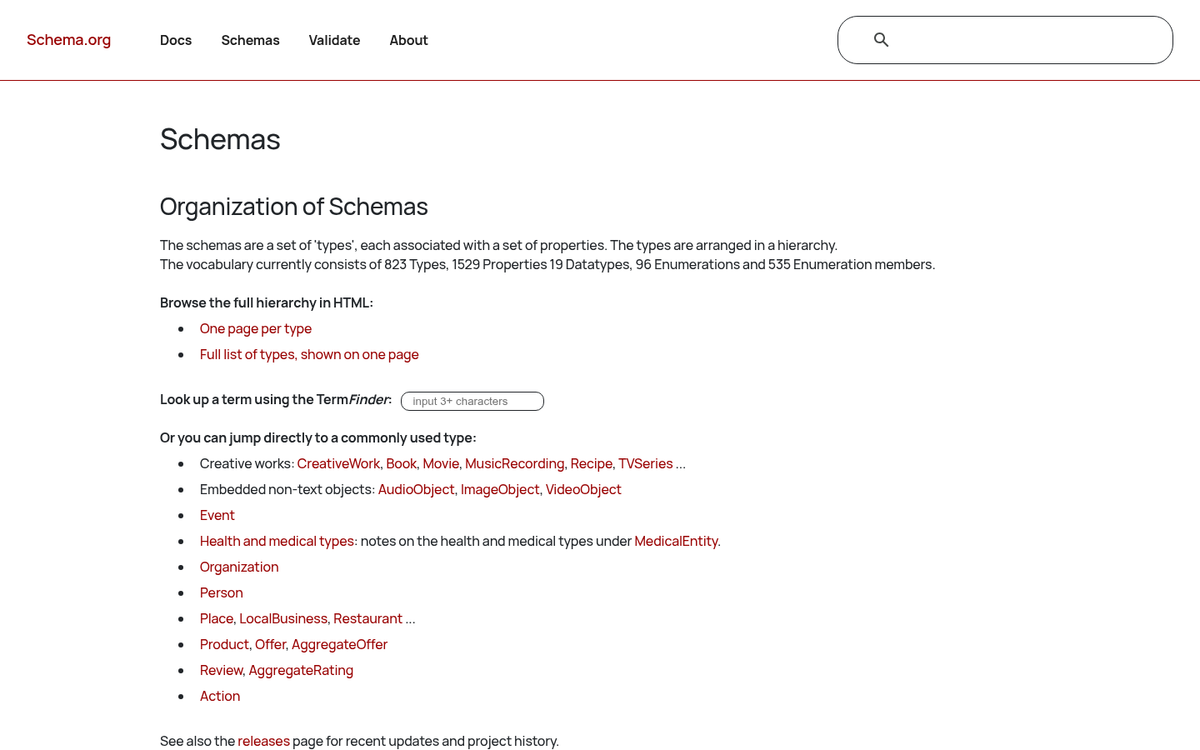
Structured data markup is one of the most direct ways to help with this. When you add schema markup to your pages, you're basically labeling your content so machines can understand what it is, who wrote it, and where it lives. Author schema, post schema, and organization schema all send tells that an AI can use when it decides what to cite.
Authorship tells matter more than you might expect. A byline that links to an author bio, a bio that connects to a steady presence elsewhere on the web - these things build a traceable identity around your content. AI systems that synthesize answers like to favor content attached to a recognizable, verifiable source over anonymous or vague pages. If you're ever unsure who controls a piece of content, there are ways to find out who owns a blog and trace it back to a real identity.
Canonical URLs are worth a close look too. If your content exists in multiple places or gets republished, a canonical tag tells search engines and AI crawlers which version is the original. If you don't have it, attribution can get scattered across duplicates and you lose the credit you earned.

Ask yourself: if an AI were summarizing your industry, is your content even eligible to be cited? That means checking if your pages are crawlable, if your structured data is in place, and if your authorship tells are visible to a bot instead of just a human reader. It's also worth considering whether backdating an article could signal dishonesty to crawlers evaluating your content's credibility.
Paid search still drives a big share of last-touch conversions - around 29% by some estimates - so owned content and paid channels need to work together here. A well-structured organic page builds the authority that makes your brand recognizable, and paid ads can capture those who are ready to act. Neither one does the full job alone.
Attribution is not a reporting problem but a content architecture problem. The pages most likely to get cited by AI are the ones built with tells from the start - authorship, structure, canonical source, and a steady presence across channels that any crawler can follow and verify.
Closing the Loop on Traffic You Can't Always See
For anyone investing in Answer Engine Optimization, this is worth accepting early. The goal is not to account for every click or trace every path back to a single source. You want to make decisions that are good enough to improve over time. That means prioritizing content quality and structured signals that AI systems use, tracking patterns across channels instead of obsessing over per-source accuracy, and treating direct and organic traffic as indicators of reach instead of noise to remove.
A helpful next step is to audit how your current reporting handles dark social, AI referrals, and untagged sources. If large volumes are landing in direct or not provided with no investigative process behind them, you are making channel decisions with blind spots. Closing that gap - even partially - puts you in a better position than chasing attribution perfection ever will.
FAQs
What is attributed traffic in an AEO context?
Attributed traffic refers to website visits where the source is known and recorded. In an AEO context, AI-driven visits often go unattributed because answer engines like ChatGPT don't pass referral data, causing traffic to appear as direct with no origin attached.
Why do AI answers cause untracked direct traffic?
When users click through from AI-generated answers, no UTM parameters or referral strings are passed. Analytics tools log these visits as direct traffic, making it impossible to distinguish them from users who typed your URL directly into their browser.
What is the touchpoint gap and why does it matter?
The touchpoint gap is the difference between what actually influenced a buyer and what attribution data records. AI may synthesize your content into an answer that drives a conversion, but since no click occurred, your analytics capture zero credit for that influence.
How can you track traffic influenced by AI answers?
Monitor branded search lift and direct traffic spikes that correlate with AI activity. Consistent UTM tagging, server-side tracking, and tools that measure AI citation share-of-voice can help build a clearer picture of unattributed visits.
How does content structure affect AI attribution?
AI engines favor structured, verifiable content. Using schema markup, clear authorship signals, and canonical URLs helps AI crawlers identify and cite your content accurately, improving the chance your brand receives credit in AI-generated responses.