




In the context of Answer Engine Optimization (AEO), citation links are a core metric of success. Unlike traditional SEO, where the goal is ranking on a results page, AEO is about your content being selected as the trusted source an AI draws from. A citation link is the signal that you've achieved that.
For website owners and managers, this matters for two reasons. First, citation links drive direct referral traffic from users who want to go deeper than the AI's summary. Second, and more broadly, being cited tells AI systems that your content is authoritative and reliable - which compounds your visibility over time.
This entry breaks that down.
Quick Answer
A citation link is a hyperlink that connects a reference or source citation to its original content, allowing readers to verify or access the cited material directly. It is commonly used in academic papers, Wikipedia articles, and web content to provide transparency and credibility. Citation links typically appear as numbered footnotes, superscripts, or hyperlinked text that direct users to a bibliography, reference list, or the source URL itself.
What Makes a Citation Link Different From a Regular Backlink
Traditional backlinks are about one website pointing to another to pass authority through search engine algorithms. You want to climb rankings on a results page. Citation links work differently because the destination isn't a ranked list - it's a generated answer.
When an AI answer engine responds to a question, it pulls from sources it considers honest and relevant. If it references your content, that reference is a citation link. The AI isn't improving your domain authority; it's treating your content as evidence to support its response.
That distinction matters because the trust signal here is not about how sites link to you - it's whether an AI system finds your content credible enough to quote or paraphrase in a live response. A backlink from a high-authority site can improve your rankings without anyone ever reading your page. A citation link means the content itself was enough to surface in an answer.
Visibility is another difference worth mentioning. A backlink lives on another webpage and may go unnoticed by most users. A citation link appears directly inside an AI-generated response, right in front of the person who asked the question.
| Factor | Backlink | Citation Link |
|---|---|---|
| Purpose | Pass authority to improve search rankings | Support an AI-generated answer with a source |
| Source | Another website linking to yours | An AI engine referencing your content |
| Visibility | Embedded on a webpage most users won't see | Shown directly inside an AI response |
| Impact | Influences ranking position in search results | Drives direct exposure at the point of answer |
The underlying logic is different too. Search engines reward links as votes of confidence from other publishers. Answer engines reward content that answers questions in a way that's easy to retrieve and verify. The goal is not to impress an algorithm with your link profile - it's to be the most helpful source in the room when a question gets asked.
How Answer Engines Decide Which Sources to Cite
Answer engines like ChatGPT, Perplexity, and Google's AI Overviews don't pull from the most popular pages. They look for sources that give a direct, confident answer to a question - and they can tell the difference between content that informs and content that just fills space.
Topical relevance is the starting point. If your page is about a subject, it needs to be legitimately about that subject - not touching on it briefly while spending most of its words on something adjacent. AI retrieval systems read for depth, so a page that covers one topic well will usually beat a page that covers ten topics loosely.
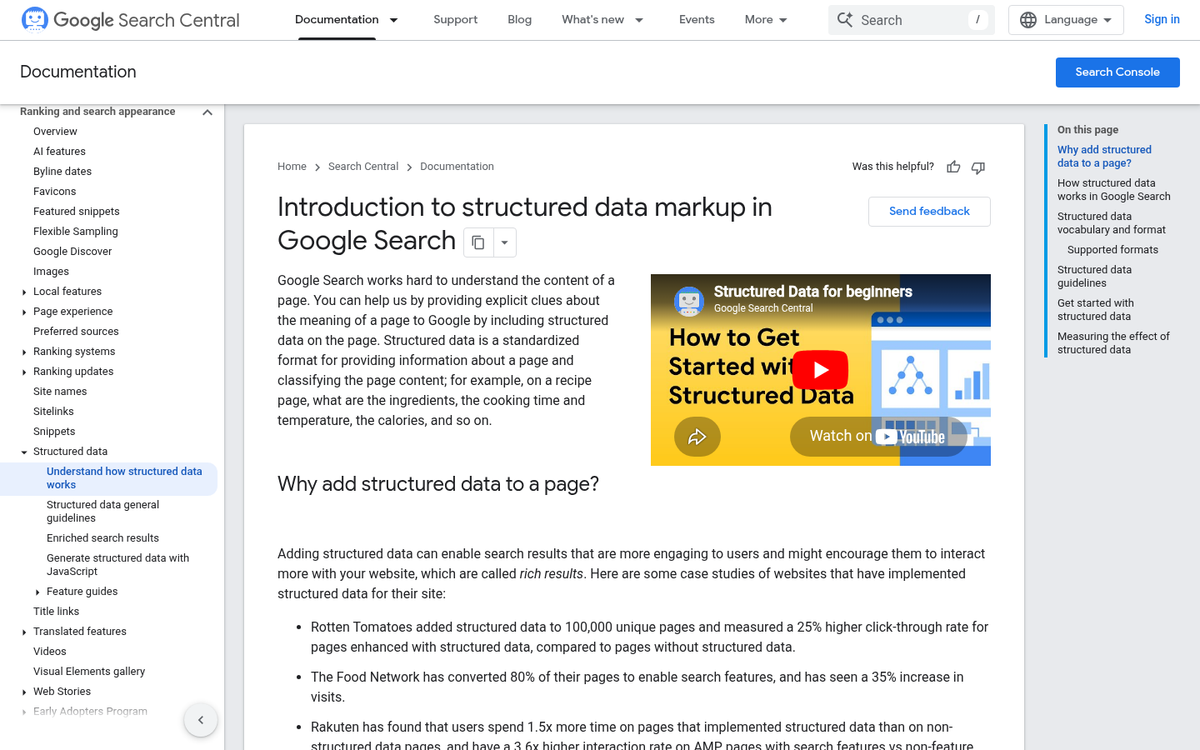
Content authority matters quite a bit here as well. Having credentials in a bio somewhere is not enough. Your content needs to show knowledge through the specifics it covers, the accuracy of what it says, and how it answers a question. Pages that use structured data - like schema markup - also make it easier for AI systems to know what the content is actually about, which works in your favor.
Clarity is something many pages fail on. A vague answer doesn't give an AI system anything helpful to surface. If your explanation of an idea takes three paragraphs to get to the point, that content is easy to pass over in favor of something more direct. You want to write so a system - or a person - can extract a helpful answer from your page faster.
Thin content is another problem. A page that technically exists on a topic but only offers surface-level information gives an AI system very little to work with. The bar isn't word count - it's substance. A 300-word page that answers a question will outperform a 1,500-word page that circles the answer without landing it. This applies whether you're writing a travel blog built to make money or a niche authority site.
Ask yourself: is your content actually citation-worthy, or is it just optimized to rank? A page built to earn a citation needs to be the kind of source someone would want to reference - accurate and complete enough to stand on its own. If you're training someone else to write for your blog, this standard should be front and center from day one.
Structuring Your Content to Earn Citation Links
Knowing what answer engines look for is one thing - building pages that actually deliver it is another. The structural changes you'll have to make are easy once you know where to focus.
Start with definitions and direct answers. If your page covers an idea, define it in the first sentence or two in plain language. Answer engines love a short, confident statement they can pull and attribute. A sentence like "A citation link is a reference an AI assistant uses to support a factual claim in its response" is far more usable than a paragraph that circles around the idea before landing on it.
Headers matter more than you might realise. Use them to signal what each section answers. A header like "What is anchor text?" tells an AI what the following content addresses. Vague headers like "More details" or "Background" make it harder for a system to match your content to a query.

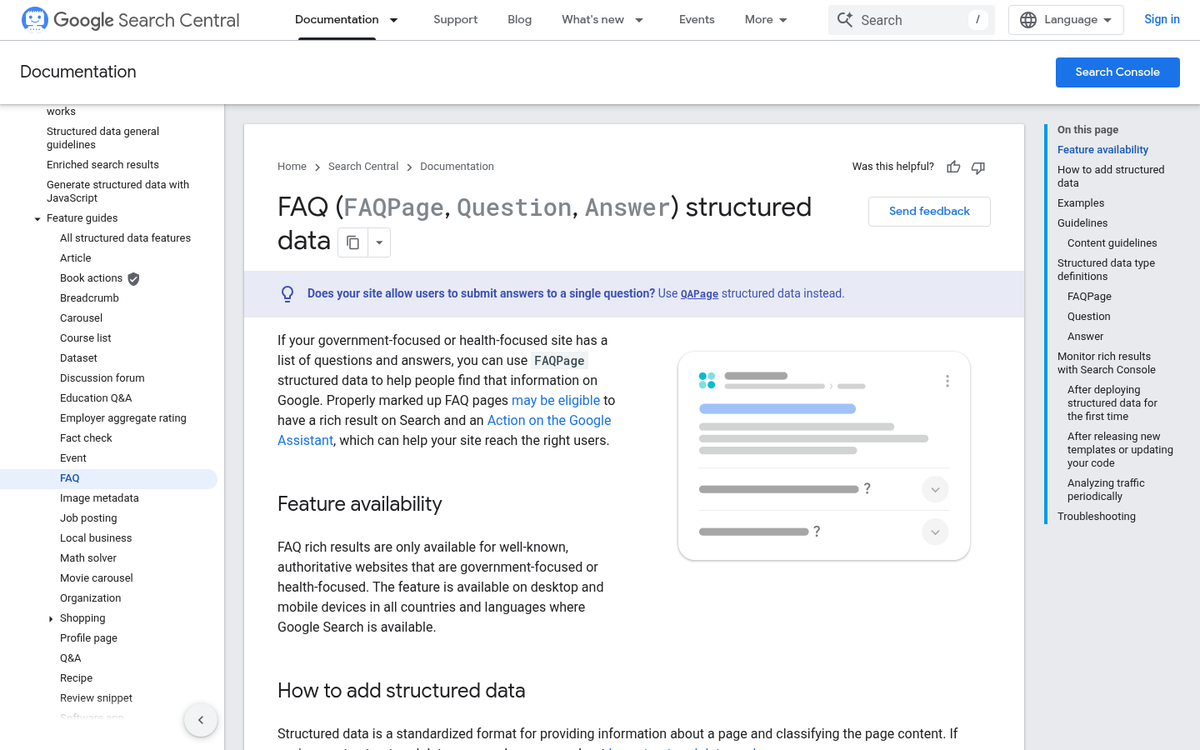
Schema markup is worth adding too. FAQ schema and HowTo schema in particular help answer engines understand the structure of your content at a technical level. You don't need to mark up every page. But for any page built around answering a direct question, it's a helpful step to take. If you use infographics on those pages, adding an embed code to your infographic page can also make your content easier for others to reference and share.
Keep your factual statements clear and freestanding. A sentence that contains a verifiable fact on its own is much easier to cite than one that depends on three sentences of context to make sense. Write as if each sentence could be read in isolation.
| Content Format | Citation-Friendliness | Why |
|---|---|---|
| Direct definition paragraph | High | Easy to extract and attribute |
| FAQ section with schema | High | Structured format AI systems recognise |
| Long narrative paragraphs | Low | Hard to isolate a single usable fact |
| Numbered step-by-step guides | Medium-High | Clear sequence that maps to how-to queries |
| Opinion or commentary pieces | Low | Not factual or attributable in nature |
One thing to bear in mind is page focus. A page that answers one question well is more likely to earn a citation than a page that loosely covers ten things. Tight, well-organised content gives an answer engine something to point to with confidence. The same principle applies when growing a blog on Medium - focused, clearly structured articles consistently outperform broad, unfocused ones.
Internal Linking and Site Authority in Citation Visibility
Even the best-written page can go unnoticed by AI tools if it sits in isolation on a weak domain. Answer engines don't look at a single page - they look at the whole site to choose how much to trust it.
Internal linking is the connective tissue of your site. When your pages link to each other in a logical way, it tells search engines and AI tools that your content is part of a coherent, well-organised knowledge base. A page about citation links should connect to pages about SEO strategy, content structure and link building - not float on its own with no context around it.
This is where topic siloing can become a tool. To group your content into subject areas, you want a center page that covers the large topic and a few supporting pages that go deeper on related subtopics, and each supporting page should link back to the center and across to other relevant pages in the same cluster. This structure helps AI tools understand the full scope of what your site covers and builds confidence that you're a reliable source on that subject.
Thin pages and isolated content don't earn citation visibility. A short page with no internal links pointing to it or from it sends a signal that it doesn't matter - and AI tools pick up on that. Every page you publish should have a reason to be out there within the wider architecture of your site. If you're using WordPress, it's worth knowing whether to keep or remove tags on your blog as part of keeping your site architecture clean.
Domain authority matters too. A site that publishes consistently and earns links from other trusted sources builds up a reputation over time. AI tools are more likely to pull information from domains that have demonstrated reliability across topics and over a sustained period - not from sites that published ten articles and went quiet. Outsourcing content carelessly can undermine that trust quickly.
Consistent publishing means adding to your site's knowledge base in a way that fills gaps and connects to what you've already written, and each new piece should strengthen the topic clusters you've already built instead of introducing unrelated tangents that dilute your focus. If you ever restructure your URLs, make sure your internal links stay intact so that authority flows correctly through your site.
Internal architecture and domain trust work together. A well-linked site built around topics gives AI tools what they need to trust your content enough to cite it.
Turning Citation Links Into a Long-Term AEO Asset
Start small and move deliberately. You don't need to rebuild everything at once. Focus first on the areas where small changes deliver the clearest signal to search engines and the most helpful experience for readers. From there, let data steer your next move.
Before you close this tab, run through these quick wins with our AEO readiness checklist:
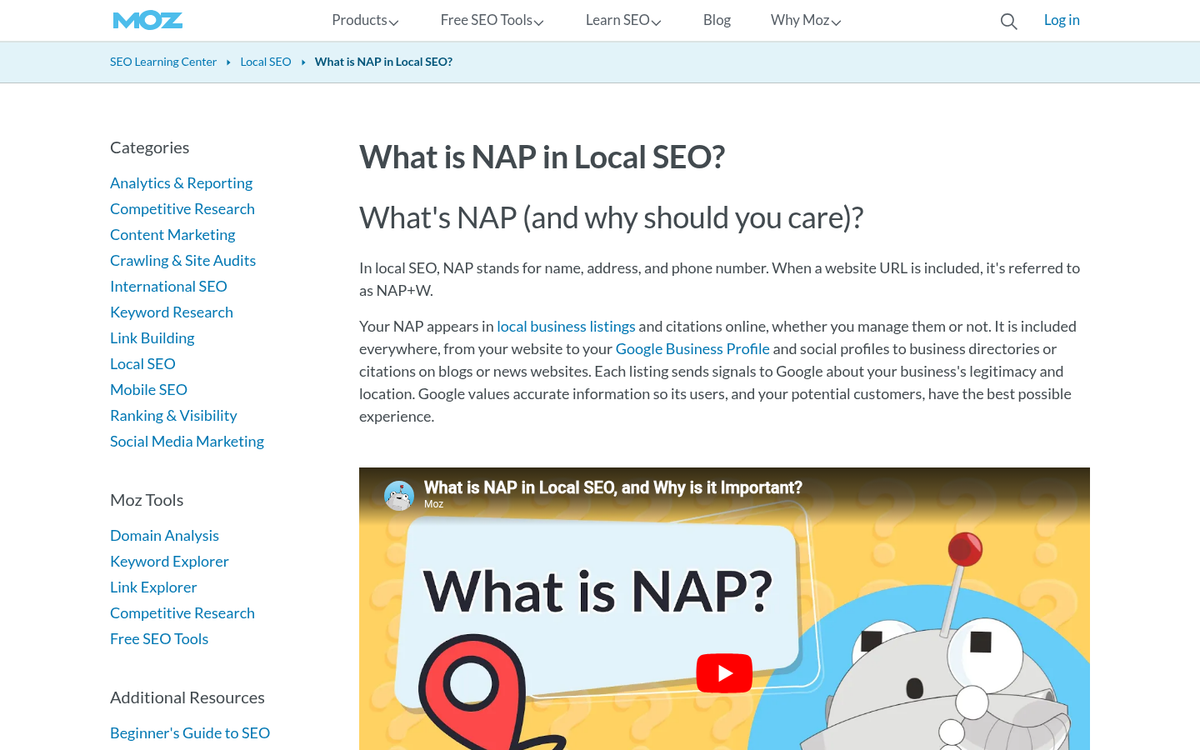
- Audit your existing citations for consistency in name, address, and URL format across every platform
- Check your anchor text on internal links pointing to key pages - make sure it is descriptive and varied
- Identify one or two high-authority sources worth pursuing for an earned external link this month
- Review your page structure to confirm that citation context appears near relevant, topically strong content
- Set a recurring reminder to reassess citation health quarterly, not just when something breaks
Treat this as a living part of your SEO practice. The sites that earn and maintain strong citation authority are the ones that approach it with patience and regularity - not as a box to check, but as a standard investment in credibility.
FAQs
What is a citation link in AEO?
A citation link is a reference an AI answer engine uses to attribute a source when generating a response. It signals that your content was considered credible and relevant enough to support an AI-generated answer directly.
How do citation links differ from traditional backlinks?
Backlinks pass authority between websites to improve search rankings. Citation links appear inside AI-generated responses, meaning your content was selected as a trusted source to answer a user's question directly.
What content structure earns the most citation links?
Direct definitions, FAQ sections with schema markup, and numbered step-by-step guides perform best. Content that answers a question clearly in the first sentence is far easier for AI systems to extract and attribute.
Does domain authority affect citation link visibility?
Yes. AI tools favor sites that publish consistently, earn links from trusted sources, and demonstrate reliability over time. A well-structured site with strong internal linking is more likely to be cited than an isolated or thin domain.
How often should I audit my citation health?
Reassess citation health at least quarterly. Regular audits help ensure consistency in citations, anchor text, and page structure - keeping your content competitive as AI systems update how they evaluate and select sources.