Key Takeaways
- 46% of websites receive 1,001-15,000 monthly visitors; for small teams under 25 employees, that figure rises to 73%.
- Traffic quality matters more than volume - one relevant visitor is worth more than a thousand unqualified ones.
- Organic search drives an average of 33% of website traffic, making SEO and quality content essential for sustainable growth.
- Work backwards from costs, conversion rate, and average sale value to calculate the traffic number your business actually needs.
- Improving conversion rate from 2% to 3% can match the revenue impact of growing traffic by 50%, often with less effort.
A Matter of Numbers

SEO. Content marketing. Traffic growth. Conversion tracking. Split testing. Everything written about blogging online seems to come down to one thing: pulling in more traffic. The "how" is well-documented, on this site and dozens of others. The "why" is simple - more exposure, more sales. But there's one question too few businesses stop to ask.
How much traffic should you have? How much do you actually need? How much is enough? Is there such a thing as too much?
Let's talk about that.
Traffic is a matter of numbers and scale, and those numbers vary wildly depending on who you are and what you do. According to HubSpot research, 46% of websites receive between 1,001 and 15,000 visitors per month - and for small teams of under 25 employees, that figure climbs to 73%. So if your site is sitting somewhere in that range, you're in very good company. The median website receives around 20,000 unique visitors per month, with an average of 7 page views per visit and a 37% bounce rate.
Meanwhile, global ecommerce platforms average over 12 million visits per month, SaaS and insurance sites typically land between 600K and 900K, and mid-sized companies with up to 500 employees rarely exceed 250,000 monthly visitors. Unless you're building the next major platform, chasing million-visitor benchmarks is likely the wrong goal entirely.
Here's the thing. Traffic numbers are incredibly variable from industry to industry and niche to niche. A small blog focused on commercial construction contracting isn't going to pull the same numbers as a gaming review site or a personal finance blog. It's all relative to who you're reaching and why.
Types of Traffic

Traffic numbers alone are largely meaningless. Anyone can inflate a number. What matters is whether the right people are arriving at your site - people who actually care about what you're offering.
This is why the advice has always been, and remains in 2026, to write relevant content. If you run a blog for a gardening supply business, content about sports cars or celebrity gossip might pull in eyeballs, but those eyeballs aren't buying fertilizer. One genuinely engaged, relevant visitor is worth more than a thousand unqualified ones.
It's also worth noting where that traffic comes from. According to Conductor's 2024 Organic SEO Benchmarks Report - analyzing over 800 domains across seven industries - organic search accounts for an average of 33% of overall website traffic. That's a significant chunk, and it reinforces why SEO and quality content still matter so much. Paid traffic, social, direct, and referral fill in the rest, but organic remains the most cost-efficient and sustainable source for most businesses.
On the content volume side, Siege Media's 2025 analysis found that companies publishing 16 or more blog posts per month generate 3.5 times more traffic than those publishing 0 to 4 posts. That's not a small difference. Consistency and volume, paired with relevance and quality, still move the needle.
Costs and Conversions
All of this is very nice, but it still doesn't answer the core question: how much traffic should your site have? There's no universal answer. No single number applies to every business. What you can do is work backwards from your own numbers to find a target that actually means something.
Start with your costs. Tally up everything - hosting, software subscriptions, contractors, content production, advertising spend, tools. Break it down to a daily figure.
Now look at your revenue side. What does an average order or conversion look like? If you have historical data, pull your average cart size or average revenue per conversion. If you're newer, make a reasonable estimate.
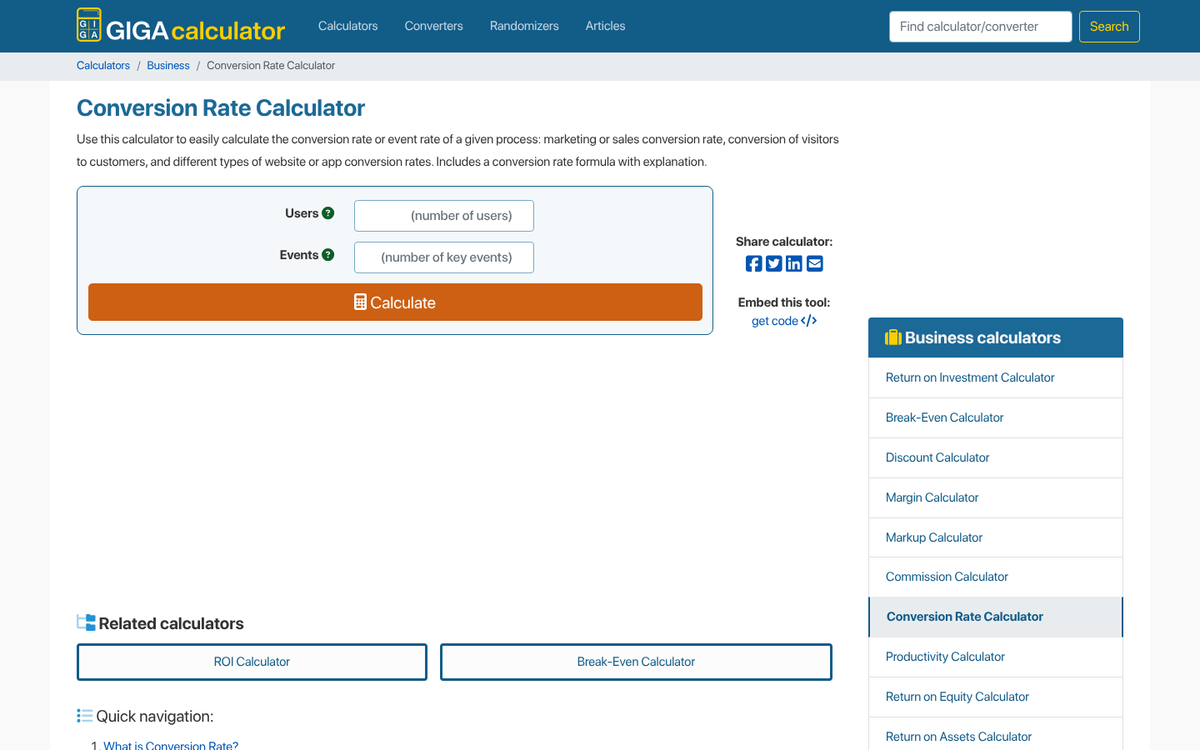
Then look at your conversion rate. Of the visitors who land on your site, what percentage actually take the action you want - a purchase, a form submission, a download, a call?
With those three figures, you can back into a traffic number that actually matters to your business. If your daily costs are $100, your average sale is $50, and your conversion rate is 2%, you need roughly 100 daily visitors just to break even. Want to grow? Adjust accordingly.
From there, you can expand the model. How much profit do you want to generate? What traffic volume gets you there at your current conversion rate? And importantly - are there other levers you should be pulling first? Improving your conversion rate from 2% to 3% has the same revenue impact as growing your traffic by 50%, often with far less effort.
The Goal of Growth
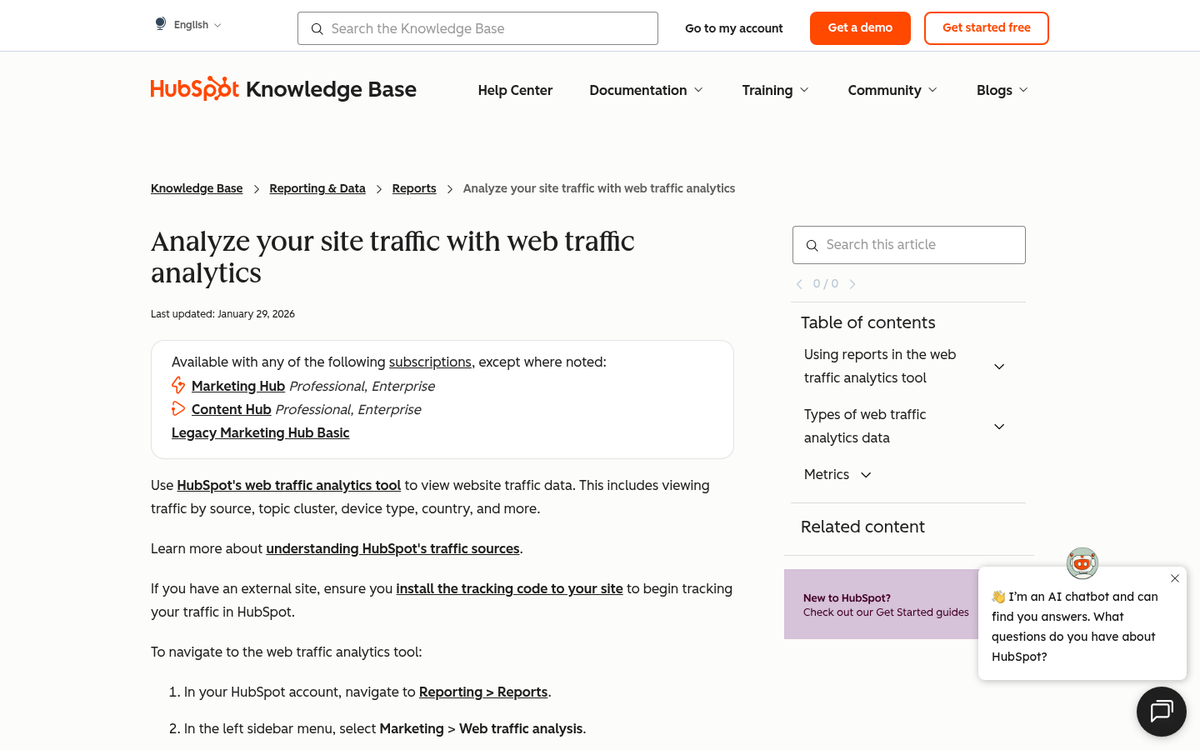
Different sites have different purposes, and that shapes everything about how you should think about traffic targets. A freelancer blogging to attract clients has very different needs than a SaaS company trying to scale signups or a local retailer trying to drive foot traffic. What does success actually look like for your specific situation?
Figure out where you want to be a month from now, six months from now, a year from now. Set milestones. Identify whether your bottleneck is traffic volume, traffic quality, conversion rate, content frequency, or something else entirely. The answer is different for everyone, and chasing someone else's traffic benchmark is usually a distraction.
One thing remains true: more of the right traffic is rarely a bad thing. More of the wrong traffic is just noise. Focus on the number that moves your business forward, not the number that looks impressive in a screenshot.