Key Takeaways
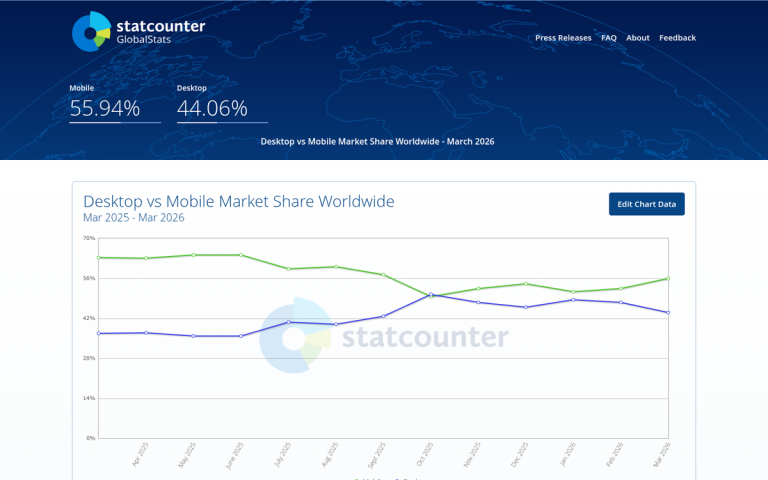
- Over 80% of X users access the platform via mobile devices, with smartphones accounting for most of that traffic.
- X has approximately 132 million daily mobile users, though this represents a 15.2% year-over-year decrease.
- Mobile devices generate 85% of all ad revenue on X, making mobile optimization critical for advertising success.
- Mobile users engage with X Spaces 2.5 times more than desktop users, representing an underused opportunity for brands.
- Responsive website design is essential since Google uses mobile-first indexing, meaning poor mobile experiences directly hurt SEO rankings.
Twitter/X and Mobile: What's Changed and What Still Matters in 2026
Common advice regarding social media has long followed one consistent thread: you need to be available for mobile users. That advice hasn't changed. If anything, it's become more urgent. Instagram remains entirely mobile-focused by design. Facebook has been a mobile-majority platform for years. And then there's X (formerly Twitter), which tells perhaps the most interesting mobile story of them all.
Twitter was founded as a mobile service, posting to a website only as a convenience. That origin has aged remarkably well. Today, over 80% of all X users access the platform via mobile devices, a figure confirmed by both Google and a range of mobile traffic analyses. More than 80% of all mobile traffic to X comes specifically from smartphones. If your business is active on X but your website isn't built for mobile, you're effectively invisible to the vast majority of the people you're trying to reach.
There are currently around 132 million daily active users on X across iOS and Android mobile apps, according to Backlinko data from mid-2025. That figure represents a 15.2% year-over-year decrease, which reflects the turbulence the platform has experienced since its acquisition and rebranding. Even so, 132 million daily mobile users is not a number any business should ignore. Android users globally spend an average of 32 minutes per day in the app, with U.S. users averaging 34.1 minutes. That's a meaningful window of attention.
On the advertising side, 85% of all ad revenue on X still comes from mobile devices. The money follows the mobile users, and that's unlikely to change.
Catering to Mobile Users
There are two fronts where you need to show up for mobile users: your own website and your presence on X itself.
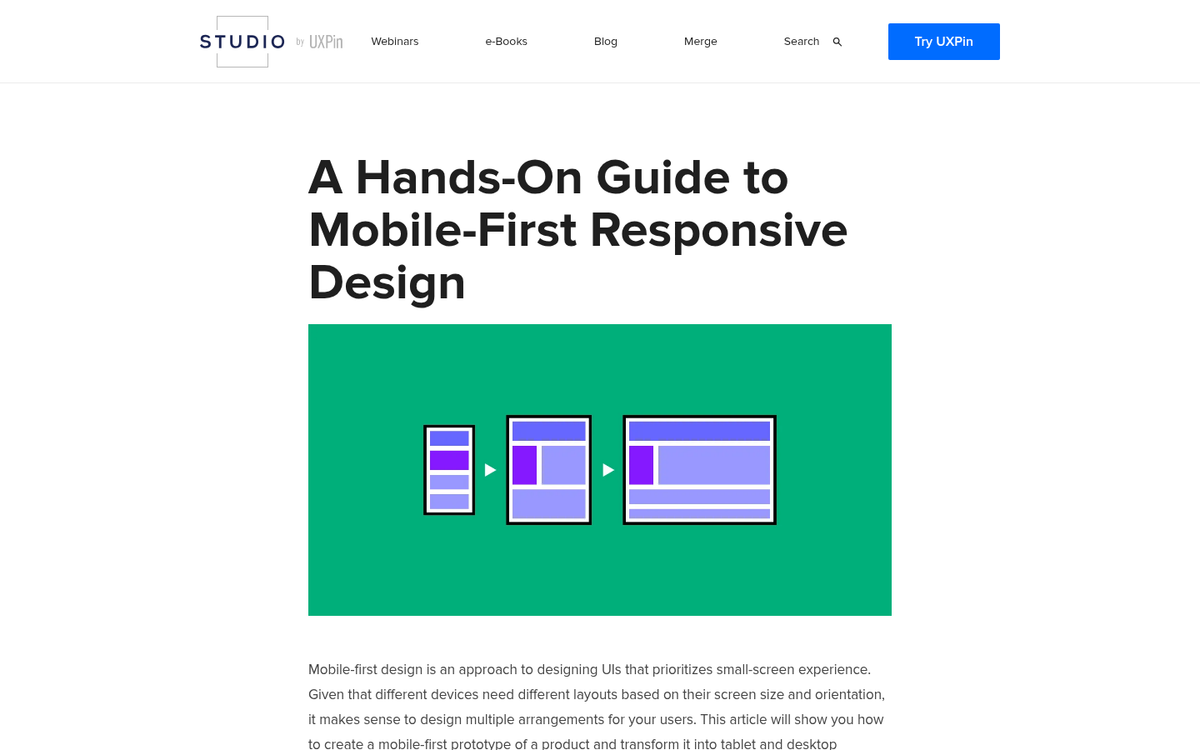
For your website, responsive design is no longer optional and hasn't been for years. A dedicated mobile subdomain introduces SEO risks including duplicate content, canonicalization issues, and redirect errors that can quietly damage your rankings. Responsive design sidesteps all of that. It works across every screen size, keeps your content in one place, and makes updates straightforward. Google has used mobile-first indexing as its default for years now, meaning it evaluates the mobile version of your site first when determining rankings. If your mobile experience is broken or clunky, your SEO suffers across the board.
The range of devices your visitors use has also expanded. You're no longer just designing for small screens. Foldable phones, large-format smartphones, and tablets all fall under the mobile umbrella now, and a well-implemented responsive design handles all of them without requiring separate versions of your pages.
Working on the X Front
X as a platform is already built for mobile. Their apps, their interface, and their overall experience are optimized. What you control is your profile and your content, and both matter more than many businesses realize.
Start with your profile. Your display name, handle, bio, and profile image all appear at small sizes on a phone screen. Branding that looks polished on desktop can become unreadable or muddled on mobile. Make sure your profile image is a clean, recognizable version of your logo or brand mark that holds up at small sizes. Your pinned post deserves particular attention here, since it's often the first content a new visitor sees.
For your posts themselves, text content travels well to mobile without any special treatment. Links and visuals are where mobile-specific decisions matter.
For links, always make sure the destination page works well on mobile before you post. Users who tap a link and land on a broken or unreadable page don't come back. That applies to your own site as much as any external source you're sharing. It's also worth taking time to scan your site for bad external links before promoting them to a mobile audience.
For images, avoid fine detail that disappears at small sizes. If you're placing text over an image, make it large enough to read on a 6-inch screen. Color rendering has improved significantly on modern devices compared to even a few years ago, but it's still worth previewing your visuals on actual devices rather than just on your desktop monitor before publishing.
X has continued expanding its advertising formats and targeting tools. Mobile ad creative deserves the same scrutiny as your organic content, arguably more, since you're paying for that reach. Make sure every visual and every link in a paid post has been tested on mobile before the campaign goes live. If you're running display ads elsewhere alongside your X efforts, reviewing Google display banner ad sizes can help keep your creative consistent across platforms.
One feature worth noting for mobile engagement: X Spaces. Mobile users are 2.5 times more likely to engage with Spaces than desktop users, making audio content a genuinely mobile-native opportunity that many brands have been slow to take advantage of.
Closing Tips
The tools available for managing your X presence have matured considerably. Scheduling platforms, analytics dashboards, and social listening tools give you a clearer picture of what's working and when your audience is most active. Use them. Understanding your specific audience's behavior on mobile - when they're online, what content they engage with, and how they move from X to your site - is more valuable than any general benchmark. Tools like Raven Tools, Hootsuite, and Sprout Social can help you make sense of that data.
That said, automation has real limits. X's user base has become increasingly skeptical of brands that feel robotic or disengaged. Scheduled posts are fine. Auto-replies and generic direct messages are not. When someone mentions your brand or sends a message, a real, timely, human response is what actually builds trust. The brands that are growing on X in 2026 are the ones that treat it as a genuine communication channel, not just a broadcast mechanism. If you want to sharpen your content strategy alongside that, these tips for making your posts more effective are worth reviewing.
Mobile is not a trend to get ahead of. It has been the dominant reality of social media for years. The question now is simply how well your presence holds up when someone pulls out their phone and finds you.