Key Takeaways
- Link value depends on both the authority of the linking site and topical relevance between the two sites.
- Hello Bar can drive inbound links by promoting strong free offers that visitors share and reference elsewhere.
- Reddit Ads target niche, engaged audiences including creators and journalists who may link to helpful content.
- Content syndication expands reach on high-authority platforms, but requires canonical tags to protect your original page's SEO value.
- Embeddable assets like interactive tools and original research generate passive, scalable backlinks long after publication.
Growing online is all about links. When we come right down to it, almost everything in SEO is about soliciting, collecting, accepting, or earning links. Paid advertising is buying temporary visibility. Meta information helps search engines find and surface your content. The old PageRank, Majestic's flow metrics, Moz's domain authority scores - it's all an analysis of the links coming into your site and where those links come from.
Of course, what is a link? Mechanically, it's a path, a road from site A to site B - it's a way users can get from page to page within a site, or from site to site across the internet. There's more to it than that, though.
A link passes two things: value and traffic. The traffic side is easy. With nofollowed links and paid advertising, that's largely all you're getting. You're placing links in high-profile locations with the intent of making them visible, so users click them and land on your site. Those visitors, once on your site, have a number of options. They might leave immediately, read one post and bounce, fill out an opt-in form, subscribe to a newsletter, or any number of other actions.
The other side of the link coin - value - is more invisible but might matter more. A link that no one clicks is still a link, and it's still bringing you some benefit, though different tools measure that value differently.
Using Majestic's flow metrics as a baseline, links pass value based on the authority of the site linking to you and your topical relevance to that site's content.
Some examples:
- A high-authority site about gardening linking to a site about video games probably isn't going to be very valuable, since the topics are so different.
- A high-authority site about gardening linking to another gardening site is going to be very valuable, since the linking site carries strong authority and the subjects are closely aligned.
- A low-quality site about gardening linking to a video games site isn't going to be valuable at all. In fact, given the poor source and irrelevant destination, it may register as a spam signal.
- A low-quality site about gardening linking to another gardening site will be of minor value, since the topics match, so long as neither site is obviously spammy.
The value of a link increases the more authoritative the linking site is, and the more topically relevant the two sites are to each other. Inversely, the greater the subject gap, the less helpful the link. Buying large volumes of links regardless of origin is a spam signal that can actively harm a site - and it's also the foundation of negative SEO campaigns.
So how can you acquire links to your site? More importantly, how can you acquire links that are legitimately helpful instead of worthless or harmful?
The answer is, of course, give value yourself. The more helpful, trustworthy, and authoritative your site is, the more people will want to link to it. The more quality links you accumulate, the more you grow, and the more you draw more links. Some will be low value. But as long as they aren't actively detrimental, they're usually fine to have.
So how can you give more value? It all follows logically from step to step, right up until you get here - where you can't basically think your way into more value. You have to find concrete ways to build it.
The number one option is, of course, content. Content remains the primary source of value on any website. However, in 2026, the content landscape has changed dramatically. AI-generated content is now everywhere, which means Google and other search engines have become better at rewarding content that shows genuine expertise, first-hand experience, and original information. Publishing more content for its own sake is no longer enough - and in some cases, flooding your site with thin or AI-assisted posts with no depth can actively suppress your rankings.
The added value we're talking about here comes from supplementary services and strategies that improve the content you already have. These are tools that help bring in visitors, keep them engaged, and get your content in front of the creators and publishers who are most likely to link to you. The more of these you use, the more your content gets shared, cited, and referenced across the web.
What follows is an overview of five ways to add value to your site and draw more links. You don't have to use them all - piling on too many can create a cluttered, stressful experience - but putting at least three to use in a thoughtful way will give your link-building work a real boost.
Hello Bar
Hello Bar is a script that runs on your site when a user visits and gives you a customizable bar at the top of the page. Depending on your goals, it can display a message with a call-to-action button, an easy email capture form, or a link to a landing page - it's been around for years. But it remains one of the cleaner, less intrusive ways to capture visitor attention without disrupting the reading experience.
One of the most helpful uses is pairing it with a strong free offer. Create a dedicated landing page with something legitimately helpful - a free downloadable guide, a resource list, a short email course, or a free trial of your product or service. Keep the landing page out of your main navigation and use Hello Bar as the primary entry point to it.
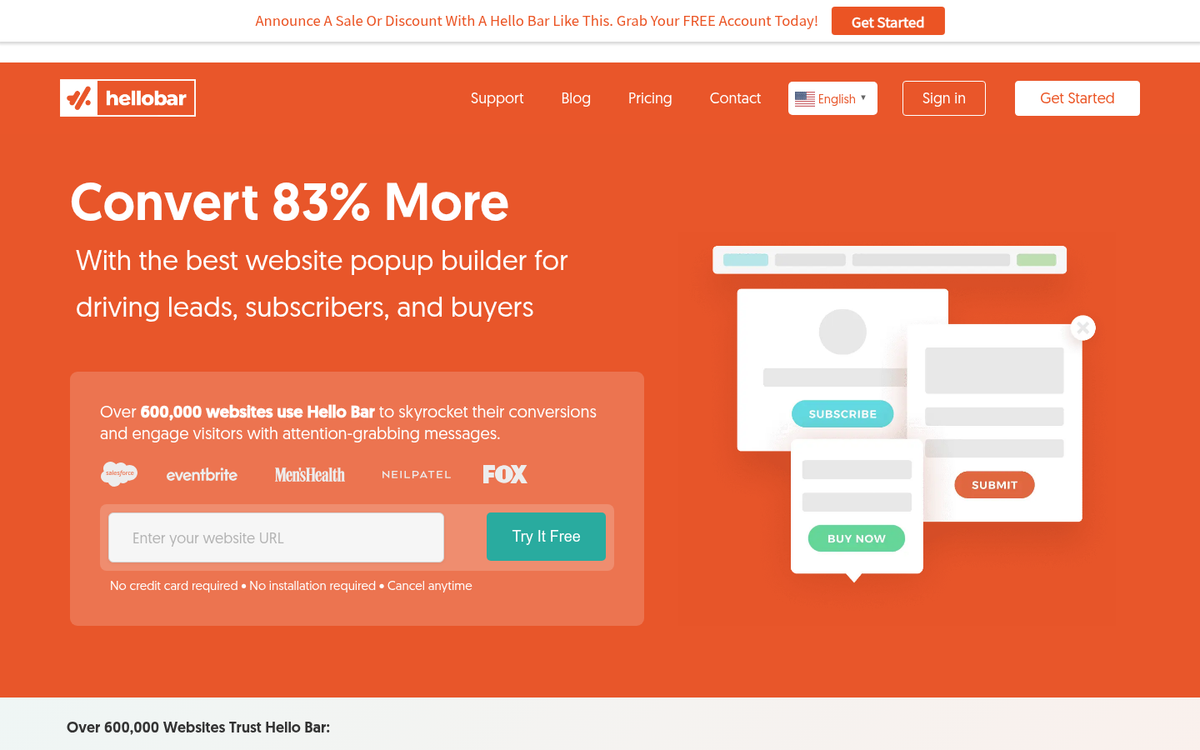
You get two kinds of value from this. First, every new visitor to your site sees the bar and has the opportunity to claim your offer, which either hooks them into your ecosystem or nets you their email address. Second, Hello Bar's built-in analytics let you measure how views convert to clicks, giving you a direct read on how strong your offer actually is. You can also check your social media traffic in Google Analytics alongside this data to see where your best visitors are coming from.
If your offer is strong enough, people will talk about it, share it, and link to it; that's where Hello Bar goes from being a simple conversion tool to a genuine driver of inbound links to your blog posts.
Related Posts Widgets
There are two types of related posts widgets worth discussing, and ideally you'd have both working in tandem. The first is a simple internal related posts widget - a bar of images, titles, or cards that appears within or below a blog post, pointing readers toward other content on your site. Done well, it extends time-on-site and cuts back on bounce rate by giving curious readers a natural next step.
The second type is native advertising - paid placements that look and feel identical to your internal related posts but link out to external websites. Platforms like Outbrain and Taboola have been the dominant players here for years. These widgets display sponsored content that blends seamlessly into the "you might also like" style format readers are already accustomed to.

The revenue you generate from outbound native ad clicks may be modest depending on your traffic volume. But it can be reinvested into other value-adding improvements on your site. More importantly, running your own native ad campaigns through these platforms puts your content in front of readers on high-traffic publisher sites - readers who are already in a content-consumption mindset and likely to engage, share, or link back to something that legitimately interests them.
The combination of internal related posts and external native advertising gives you a content loop that keeps readers engaged longer and extends your reach well past your existing audience. Native advertising effectiveness has been well documented across multiple industry studies, making it a reliable complement to organic content strategies.
Reddit Ads
Reddit remains one of the most powerful and underutilized places for content marketers. Its community structure - built around thousands of highly specific subreddits - means you can get your content in front of invested niche audiences instead of a large, disengaged general public. And unlike most social platforms, Reddit's user base skews heavily toward curious, informed, and very vocal participants - including a disproportionate number of content creators, journalists, and industry pros.

Reddit's advertising platform has matured considerably since its early days and now has more precise targeting options - like interest-based targeting, keyword targeting within feeds, and lookalike audience features. Ads blend into the feed with a "Promoted" label, but otherwise look and work just like organic posts - meaning the same rules apply. Treat your ad like a genuine contribution to the community instead of a hard sell, and it can generate engagement, upvotes, comments, and clicks.
Links from Reddit carry their own SEO value, and the traffic quality is usually high. Redditors who click through to your content and find it legitimately helpful are among the most likely visitors to share it, embed it, or reference it in their own work - the downstream link activity you're trying to attract. Pairing this approach with advanced methods to promote content on social media can help you maximize reach well beyond Reddit alone.
Content Syndication
Content syndication allows your posts to be republished - in full or in part - across a network of other websites, usually with a canonical tag or attribution link pointing back to your original. Major platforms like Medium, LinkedIn Articles, and industry publication networks have made syndication more accessible than ever - even for independent bloggers and small business sites.
The core benefit of syndication is reach. Your content - with links back to your site - appears on platforms that carry far more domain authority than you currently do. When handled correctly, with canonical tags in place, the SEO value stays with your original post while you benefit from the extra exposure and referral traffic.
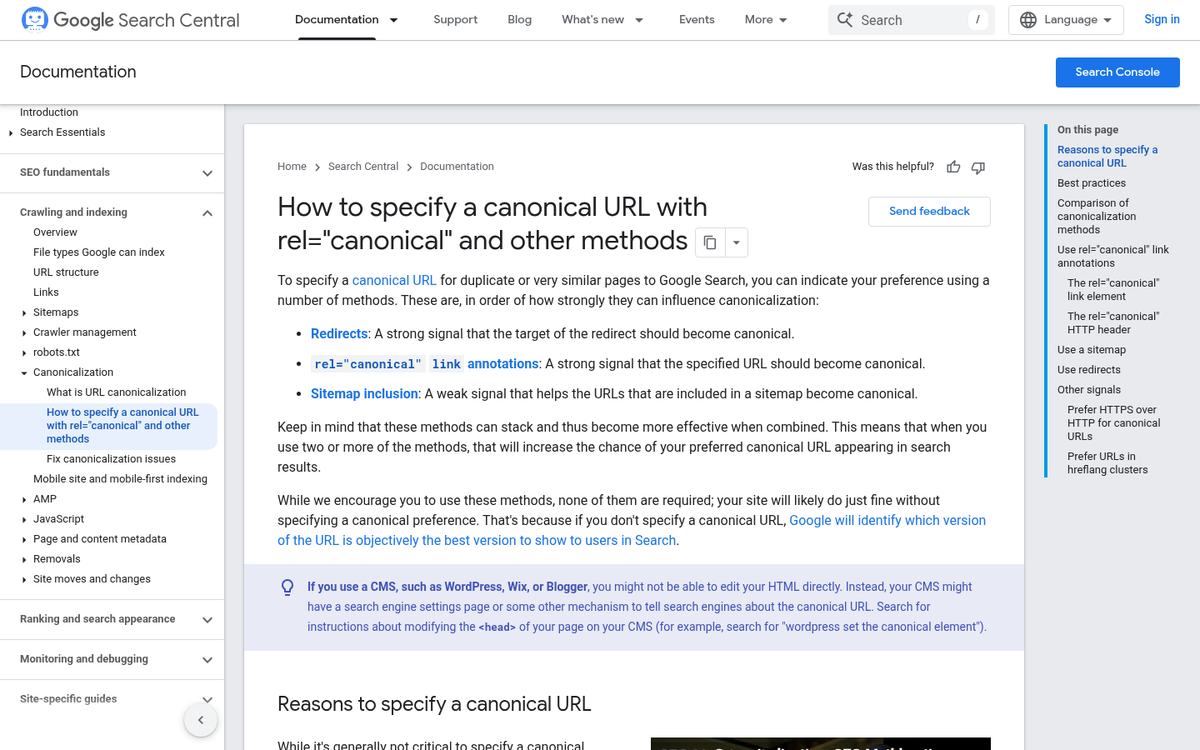
The danger, however, is real and worth understanding. If the syndicating platform doesn't use canonicals, or if you syndicate too aggressively, you can dilute the authority of your own pages instead of improving them. Google has become increasingly refined at recognizing thin or over-syndicated content, and in an era where AI-generated content has already flooded the web, anything that makes your site look like a content mill is a liability.
Syndication works best as a selective strategy for your strongest, most evergreen content. Pick your best pieces, syndicate them to relevant, high-authority platforms, and make sure the canonical setup is airtight. Trying to syndicate everything defeats the purpose and can actively undermine your organic performance.
Embedded Content
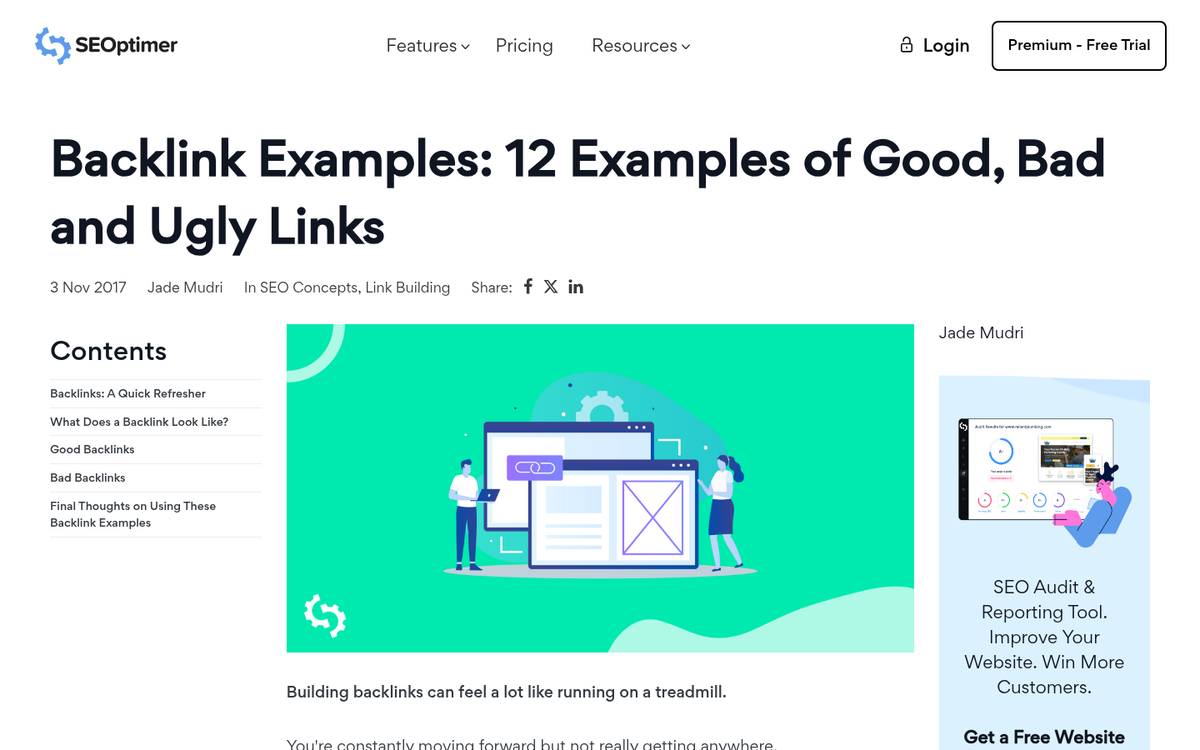
Embedded content is one of the most passive and scalable link-building strategies available. When you create something legitimately helpful - an infographic, an interactive tool, a data visualization, a calculator, a chart - and make it easy for other sites to embed it with a snippet of code, every embed can become a backlink pointing to your site. The creator does the work once, and the links accumulate over time with no extra effort.
Infographics were the classic example of this for years, and they still work when the data is original and the design is clean. But in 2026, the most effective embeddable assets tend to be interactive tools and original research. A well-designed ROI calculator, a proprietary survey with findings, or a data report that journalists and bloggers want to cite - these generate far more sustained link activity than a static image ever could.
Beyond your own embeddable assets, embedding curated social content on your own site can add a layer of freshness and credibility. Platforms like X (formerly Twitter) still allow embedding of individual posts or full feeds, which can supplement blog posts with real-time commentary or expert perspectives - this works in two directions - it can add value for readers on your site, and it gives you a natural reason for the people whose content you've featured to take notice of you and potentially link back.
The thing that matters with all embedded content, whether you're creating it or curating it, is that it needs to serve the reader first. In a web increasingly crowded with AI-generated filler, content assets that are visually engaging, legitimately informative, and easy to reference are the ones that earn links organically - and keep earning them long after they're published.