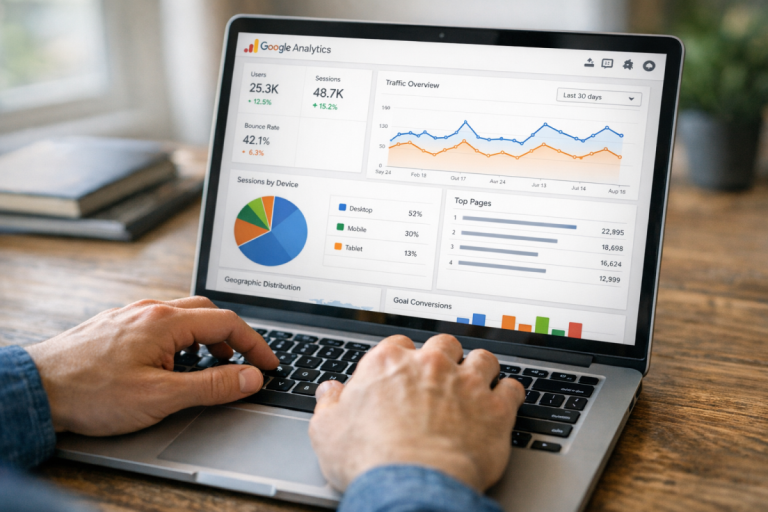
When you're looking into your analytics data, something in your traffic sources may give you pause. "Unknown traffic." Isn't the whole purpose of analytics to let you know where your traffic is coming from and what it's doing? What's the use, if your traffic source is unknown?
Fortunately, it's not all doom and gloom. Unknown traffic is typically good traffic, you just aren't told where it's from. There are a number of reasons for this, stemming from different types of traffic. It's worth noting that the problem has grown significantly over time - what used to account for 25-30% of total traffic for many sites now regularly exceeds 70% as privacy tools, app-based browsing, and tracking restrictions have become more widespread.
Key Takeaways
- Unknown traffic has grown from 25-30% to over 70% as privacy tools, app-based browsing, and tracking restrictions have become widespread.
- Dark social traffic originates from messaging apps like WhatsApp and Slack, which don't send referral data but represent valuable word-of-mouth traffic.
- Google's 2013 search encryption caused most organic keyword data to appear as "not provided," significantly contributing to unknown traffic totals.
- In-app browsers within Instagram, TikTok, and Facebook frequently suppress referral data, making app visits a major source of untracked traffic.
- Almost all unknown traffic is considered valuable; the core problem is difficulty identifying which platforms deserve more marketing investment.
Unknown Traffic - Direct Traffic
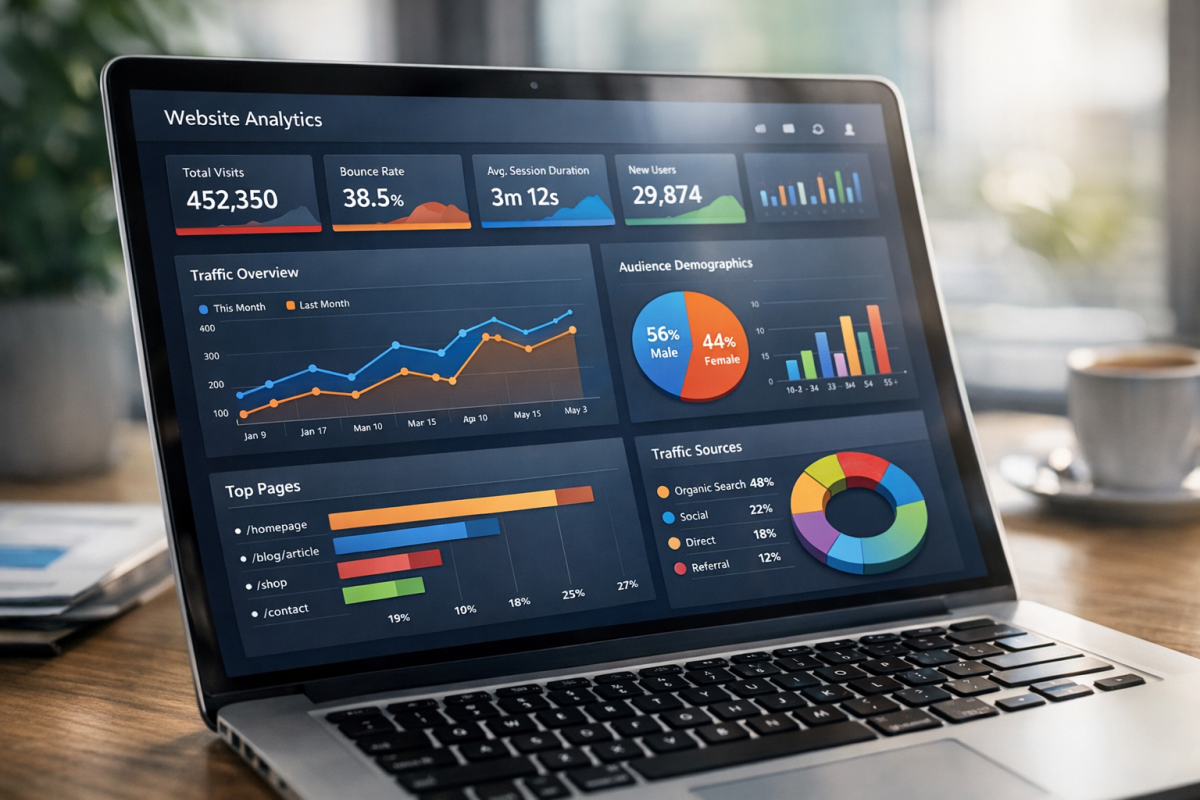
Direct traffic can show up in your analytics in one of two ways; either as listed Direct Traffic or as traffic from an Unknown Source.
Direct traffic that is actually labeled as direct traffic has to meet a specific set of criteria. The visitor must not have a Google Analytics cookie with any campaign information. They must also arrive from a source that does not have an HTTP referrer. Google Analytics cookies last six months by default, so users who show up as direct have either cleared their cookies, blocked cookies, or haven't been to your site in six months or more.
Direct traffic that does not meet the criteria, but does not have a referrer listed, will be labeled as traffic from an unknown source. For example, it's possible that the user has visited your site before and bookmarked a subpage. The next time they return to that subpage, the traffic will be labeled as unknown.
Direct traffic is generally good traffic. However, if direct traffic exceeds roughly 30% of your total traffic, it is often considered a red flag for potential analytics configuration problems rather than a sign of healthy organic engagement. In some cases, it can also be a sign of bots hitting your site and causing a higher volume of refreshes, which you can often spot through bounce rate anomalies in your analytics data.
It's also worth noting that GA4 has introduced additional complexity here. Research comparing GA4 data across dozens of accounts found that GA4 underreports conversions by approximately 15% compared to tools like HubSpot, meaning some of your "unknown" traffic may simply be traffic that GA4 is failing to record or attribute accurately at all.
Unknown Traffic - YouTube Embeds
This unknown traffic source is specific to YouTube in the YouTube Analytics menus. YouTube records two types of unknown traffic: direct and embedded.
YouTube Direct traffic is traffic that can come from any of the other unknown sources on this list, which include bookmarks, mobile apps, and cookieless traffic. Embedded traffic comes from plays of your videos when those videos are embedded into another website. You cannot view embedded traffic from your traffic sources report. You can view it on a per-video basis on the playback locations report.
The playback locations report will show various locations in a chart. The majority of the chart will likely be consumed by the YouTube Watch page. The channel page is the other major on-YouTube source. YouTube categorizes other traffic from browsers it can't record as YouTube Other. You can see embedded players on a per-website basis for individual video views here, as well as app plays. Mobile plays are divided between browser-based watch page plays and mobile app plays.
Obviously, this sort of traffic is good. It's also specific to YouTube, so if you aren't focused on YouTube analytics, this won't be a factor in your direct traffic sources.
Unknown Traffic - Dark Social Traffic
Social traffic is well-known. It includes traffic from recognized social media platforms such as Facebook, X (formerly Twitter), LinkedIn, Pinterest, Instagram, TikTok, and Reddit, among others. Notably, Google+ was shut down in 2019 and is no longer a source, and platforms like StumbleUpon and Myspace are essentially defunct. The definition of social traffic remains fairly broad according to analytics platforms, but the landscape of which platforms matter has shifted considerably.
Dark social traffic is traffic that comes from social sources that aren't quite trackable. When you examine your direct traffic, you see traffic coming to two different sorts of landing pages. One sort is the basic landing page that might appear on a business card or a print advertisement - these are short, simple URLs very likely typed in by the visitor, and are considered direct traffic.
The other sort is traffic that lands on long, complex URLs with number strings, URL parameters, and other modifiers that are very unlikely to have been typed by a human hand. It can be assumed that this traffic comes from a clicked link, but no referral appears. Messaging apps, email clients, and private channels such as Slack, WhatsApp, iMessage, and similar platforms won't send referral data, and that's where this dark social traffic originates.
Dark social traffic is obviously very good. It's traffic that comes from direct word of mouth in a digital age, and its share has only grown as private messaging has become the dominant mode of online communication.
Unknown Traffic - Blocked Analytics
Google Analytics, and most other tracking software, relies on code that executes in the browser - most commonly JavaScript. Browsers give users the option to block JavaScript, and tools such as uBlock Origin, Privacy Badger, and similar extensions have become mainstream. Browser-level privacy protections have also expanded significantly, with Firefox and Safari both implementing aggressive tracking prevention by default as of recent versions.
When a user visits your site with these protections active, your server may record a hit, but little else. No detailed information can be collected because the scripts responsible for that collection are blocked. This affects both direct and referred traffic equally.
This category has grown substantially since Google encrypted its search results back in September 2013, which prevented analytics tools from identifying the keywords driving organic search traffic. Visits from most Google searches are now bucketed under unknown or "(not provided)" in analytics reports rather than attributed to a named keyword or search source. This masked organic traffic, sometimes called Dark Search traffic, has contributed heavily to the rise in unknown traffic across the board over the past decade. If you've noticed your referring keyword showing "not provided" in your reports, this is precisely why.
Additionally, GA4 allows a maximum of 50 unwanted referral exclusions per data stream, meaning misconfigured exclusion lists can quietly push legitimate referred traffic into the unknown bucket. Learning how to accurately track users and visitors on your site can help you minimize these gaps and keep your data reliable.
Unknown Traffic - App Visits
When a mobile or tablet user visits your site through some form of web browsing app, there's a chance their information will not be tracked. Sometimes this is due to the browser being used - some block cookies, some don't execute scripts, some strip all referral data. In-app browsers, such as those embedded within Instagram, TikTok, or Facebook, are a particularly significant source of this untracked traffic, as they frequently suppress or alter referral data in ways that standard browsers do not. Sometimes it's due to the data reported by the device itself.
All forms of app traffic are typically good traffic. Very few traffic-boosting bots simulate realistic mobile user agents, so mobile traffic is generally considered legitimate. In fact, almost all traffic from an unknown source is valuable. The core challenge remains the same: without a known source, it's harder to identify which platforms deserve more investment and which can be deprioritized in your marketing efforts.