Key Takeaways
- FeedBurner is free and easy to use, making it accessible for non-technical publishers needing a basic RSS feed quickly.
- Google abandoned FeedBurner over a decade ago, stripping features without replacement and making no public commitment to its future.
- Subscriber counts are notoriously inaccurate, and link tracking is incomplete, making analytics unreliable for informed decision-making.
- Subscribers are tied to FeedBurner's URL, not yours, meaning migration risks inevitable subscriber loss without careful redirect planning.
- Modern alternatives like Feedpress, Feedblitz, and Beehiiv offer significantly better capabilities at comparable or modest price points.
FeedBurner was launched in 2004 and acquired by Google in 2007 for a rumored $100 million. In the years since, it accumulated nearly two million feeds - peaking at over 1.9 million feeds for more than 1.1 million publishers as of 2008 - reached new heights of RSS feed distribution and slowly fell out of favor. These days, if you look up their name, most of what you see is list after list of alternatives, nostalgic retrospectives and questions about if it still exists at all.
In this area, it seems as though a pros and cons list would be almost all cons. Rumors of FeedBurner's demise have circulated for well over a decade and Google has quietly stripped away features instead of investing in the platform. That said, it still has value - especially if you're currently using it and trying to choose whether to finally make the move away.
Pros of FeedBurner
It's free. A lot of RSS tools have moved to paid tiers or shut down entirely. FeedBurner, somehow, still exists and still costs nothing. For an easy, low-maintenance RSS feed with no budget, it remains a functional option in a narrow set of use cases.
It's easy to use. There's not quite a bit to it and for users who just need a basic feed up and running, that simplicity is legitimately helpful. You can go from no RSS to a working FeedBurner feed in just a few minutes, with no technical knowledge.
It integrates with WordPress. Various plugins have historically added and expanded FeedBurner functionality within WordPress blogs, which makes it accessible to a number of non-technical publishers.
It gives basic subscriber analytics. You can see how many people subscribe to your feed, which feed readers they use, how many click through to your content and how many subscribe via email. At its peak, this was legitimately competitive analytics data. Today it's fairly bare-bones by modern standards. But it exists.
You can choose between syndicating snippets or full posts. This gives publishers some control over whether readers need to visit the site to read content, or if the feed itself can be the primary delivery mechanism.
It can syndicate content via email. FeedBurner's email subscription feature lets it work as a basic newsletter digest, delivering your latest posts to subscribers without requiring a separate email marketing platform - this was a well-known feature in its era, though dedicated email platforms have long since surpassed it in capability.
Subscriber counts can serve as social proof. If you've accumulated an actual subscriber count and want to display it publicly, FeedBurner provides a widget for that - though accuracy has been a longstanding concern (more on that below).
Cons of FeedBurner
The cons list is long and in 2026, it has only grown. If you're looking at FeedBurner as an option, these problems are worth considering.
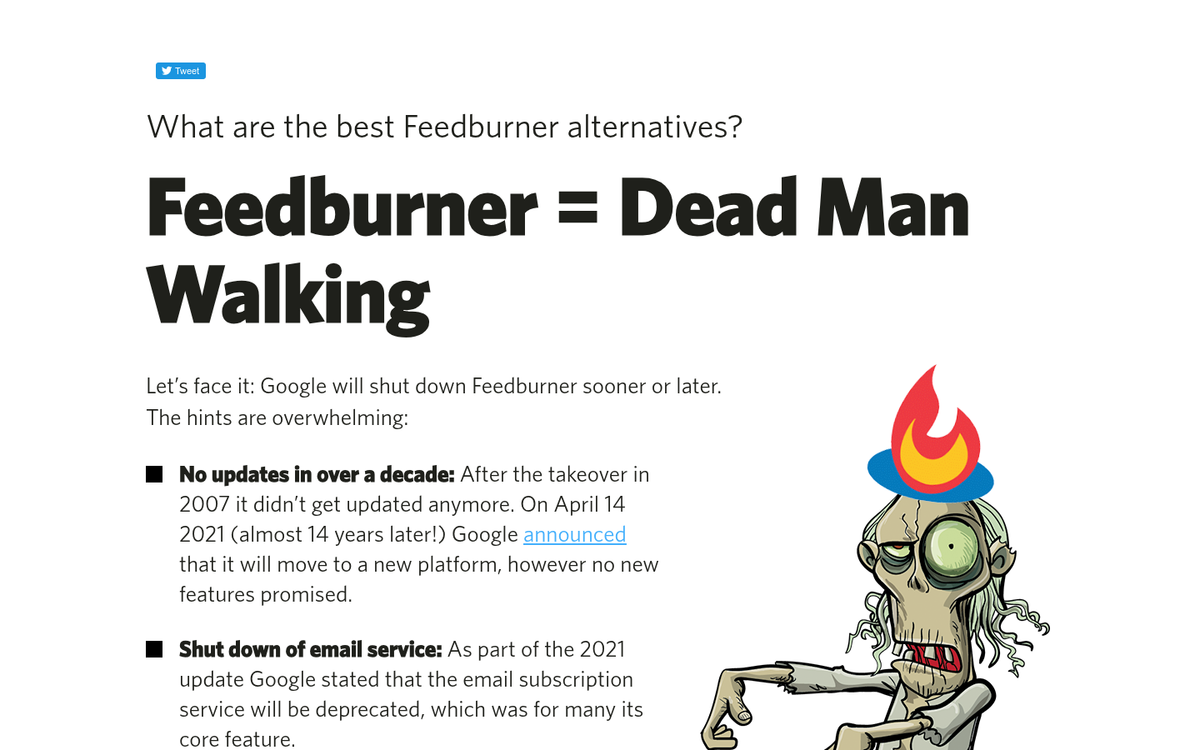
It's been abandoned by Google for well over a decade. The FeedBurner API was deprecated in May 2011 and shut down in October 2012. AdSense for Feeds was terminated in October 2012 and shut down in December 2012. The platform has not received an actual feature update in years. Google has stripped away functionality repeatedly without replacing it and has made no public commitment to the platform's future.
It uses Google's proxy URLs to serve your feed. This means your RSS subscribers are tied to a FeedBurner URL - not your own domain. If you ever migrate away - which, at this point, you should - those subscribers don't automatically follow you. You'll need to set up redirects and accept that some subscriber loss is likely inevitable.
Redirect problems can break feed delivery. Some feed readers and aggregators don't resolve redirects cleanly, which means users may see Google's proxy page instead of your content - an artifact of how FeedBurner was architected for a very different web and it hasn't been fixed.
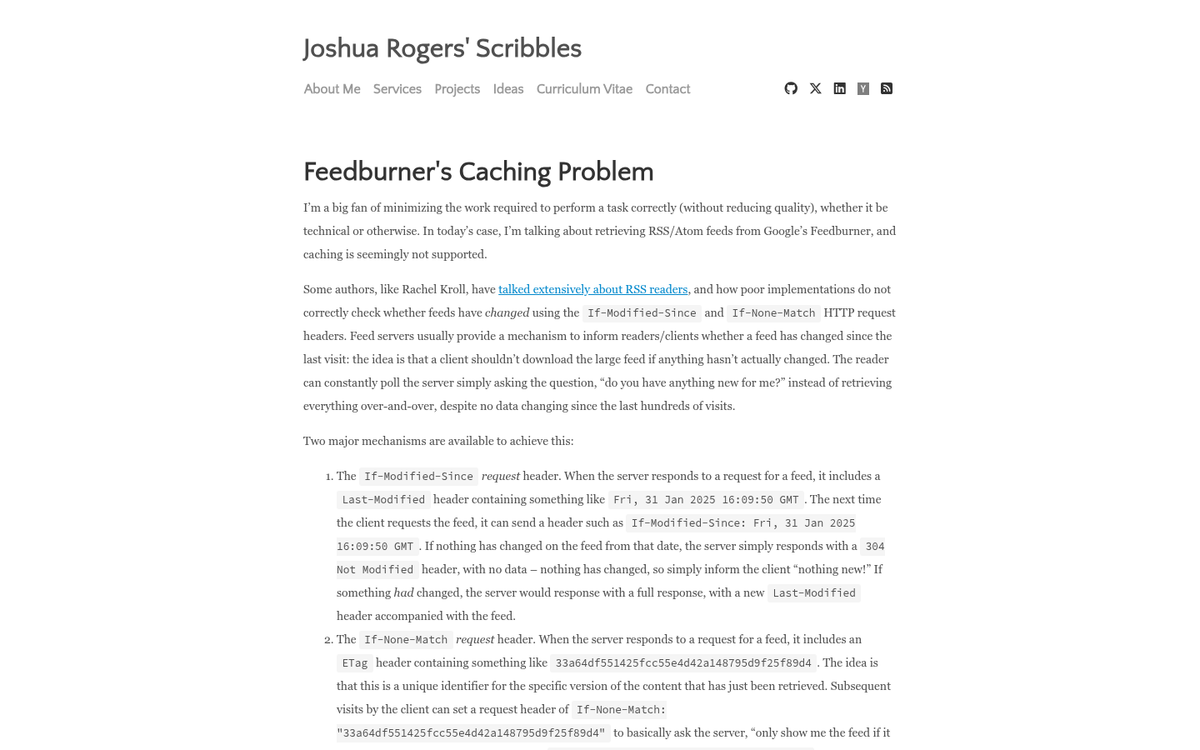
Link tracking is incomplete and unreliable. FeedBurner doesn't tag all links in your content for analytics tracking. The result is that a portion of RSS-referred traffic shows up as direct traffic in Google Analytics, which makes it invisible as a traffic source. For anyone who relies on accurate attribution data, this is a deal-breaker.
Statistics and subscriber counts are notoriously inaccurate. This has been a known issue for years. Subscriber counts have historically inflated or deflated without explanation, which is why virtually no one shows the FeedBurner subscriber widget on their site anymore. Basing decisions on this data is not advisable.
AI-powered content distribution has fundamentally changed the landscape. Since 2023, AI-driven content aggregation, summarization tools and personalized feed systems have influenced how people consume content. Platforms like Feedly's AI layer and tools built into AI assistants that can pull and summarize content on demand, have made traditional RSS management tools feel increasingly dated. FeedBurner has no response to any of this - it's the same product it was fifteen years ago, minus a few features.
Modern alternatives are dramatically more capable at comparable or modest price points. Email-first platforms, newsletter tools and dedicated RSS managers now give you features that FeedBurner never had and never will have, given its development freeze.
Its reputation makes it a liability. A FeedBurner URL in your feed signals to technically-savvy readers that your infrastructure hasn't been touched in years. While this could seem cosmetic, it does affect credibility with certain audiences.
Shifting Away from FeedBurner
If you're still on FeedBurner in 2026, migrating away is overdue. The core challenge remains the same as it has always been: your subscribers are tied to a FeedBurner URL - not your own. The most important thing you can do, before anything else, is set up a feed URL on your own domain - this way, any future migrations don't require your subscribers to do anything - you control the redirect at your end.
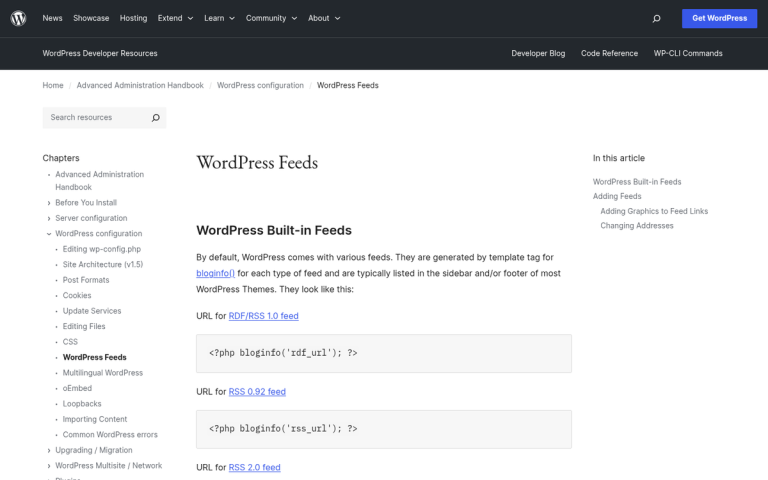
For the migration, you'll want to set up a 301 redirect from your FeedBurner URL to your new feed URL. Most modern feed managers and WordPress setups make this easy. Some dedicated tools like Feedblitz and Feedpress have historically offered FeedBurner migration wizards that manage this automatically.

If you've been using FeedBurner's email subscription feature, export your subscriber list from within your FeedBurner account before doing anything else. You can then import that list into an email marketing platform - Mailchimp, ConvertKit, Kit, Beehiiv, or similar - and set up a newsletter workflow. In 2026, email newsletters have seen a resurgence and any of these platforms will give you capabilities that FeedBurner never could.
Publish a dedicated post about your migration, push it through your existing FeedBurner feed so active subscribers see it and point readers to your new subscription URL. You will lose some subscribers in the transition - it's unavoidable - but staying on a deprecated, analytically unreliable platform with an uncertain future costs you more in the long run.
Do not simply delete your FeedBurner account without a plan. Doing so leaves your old FeedBurner URL available for anyone to register. A competitor or malicious actor could claim it and gain access to your former subscriber base. Make sure redirects are in place before making any changes.
FeedBurner Alternatives
The RSS and newsletter tool landscape has matured considerably. Here are some strong options depending on your preferences:
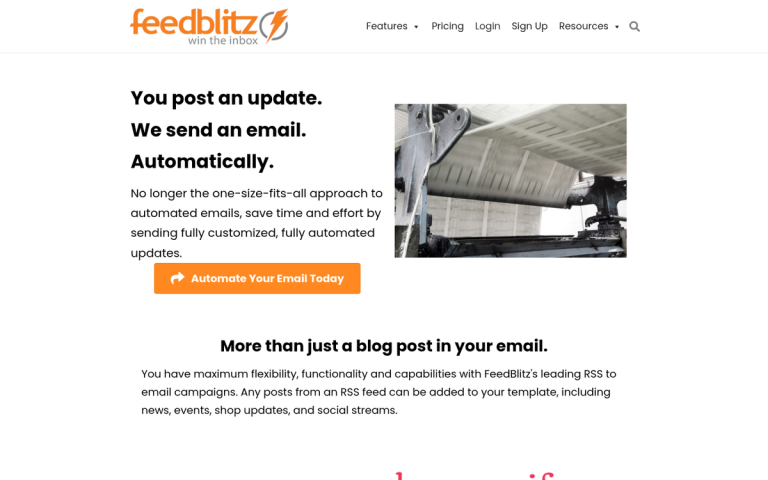
- Feedblitz - A dedicated RSS and email newsletter platform with robust analytics, branded feed URLs, and an automatic FeedBurner migration wizard. Pricing is based on list size and features, but it's purpose-built for exactly what FeedBurner used to do, and then some.
- Feedpress - A clean, reliable RSS management platform with solid analytics and MailChimp integration for email digests. Starts at around $4-5 per month and includes the FeedBurner migration path. A strong choice for bloggers and podcasters who want accurate data without complexity.
- Beehiiv - If email newsletter distribution is your primary goal, Beehiiv has become one of the most capable and fastest-growing platforms as of 2025-2026. It's built around newsletter growth with analytics, monetization options, and a clean subscriber experience. Not a traditional RSS manager, but worth considering if email is your main channel.
- Kit (formerly ConvertKit) - A well-established email-first platform popular with content creators. Supports RSS-to-email automation so your feed posts can be delivered as newsletters automatically. Generous free tier available.
- Substack - Worth mentioning for publishers who want to combine blogging, newsletters, and RSS in a single hosted platform, though it comes with trade-offs around ownership and branding.
FeedBurner had its moment and for millions of publishers it was legitimately helpful. But that moment has long passed. Whether you migrate now or wait to see if Google ever formally retires the service, the case for staying has grown thinner every year - and in 2026, it's hard to make a strong argument for staying with it under any circumstances.