Key Takeaways
- Feedburner's main problems include poor tracking, locked-in Google URLs, constant analytics issues, and no active support.
- FeedBlitz and FeedPress are the closest direct Feedburner replacements, offering RSS management with reliable analytics and custom hostnames.
- MailChimp, Kit, Beehiiv, and Substack all support RSS-to-email, each with free tiers and stronger features than Feedburner offered.
- Zapier and Make can connect RSS feeds to multiple marketing tools, replacing what previously required several stitched-together platforms.
- AI-powered tools like Mailmodo and Brevo now handle content formatting, scheduling, and segmentation that previously required manual effort.
We previously published a post about Feedburner and the many problems associated with it. Here's a quick summary of the main problems that made it worth abandoning:
- By using Google proxy servers, it hampers direct scrapers that base themselves on RSS feeds.
- The Google URL makes it difficult to maintain your current subscriber list when you want to change platforms.
- Only some of the links in your content are tagged with tracking code when pushed via RSS, making tracking ineffective.
- It has constant issues with analytics and stat reporting.
- It has no active support - Google announced a migration to a stripped-down platform back in April 2021, with no new features promised and minimal functionality retained.
- AI-powered email and content distribution tools have largely made it obsolete even for users who stuck around.
Below is an updated list of the best alternatives available. The community has shifted significantly, and that's also the case with AI-driven tools now taking care of what used to need multiple places stitched together. That said, there are still traditional options if that's what you need.
FeedBlitz
FeedBlitz remains one of the most direct Feedburner replacements available. They give you RSS management and email delivery in one platform, with reliable support and deliverability. They even have a content-only delivery and stat-tracking plan starting at just $1.40 per month, which makes it one of the most affordable paid options on this list if you just need the basics.
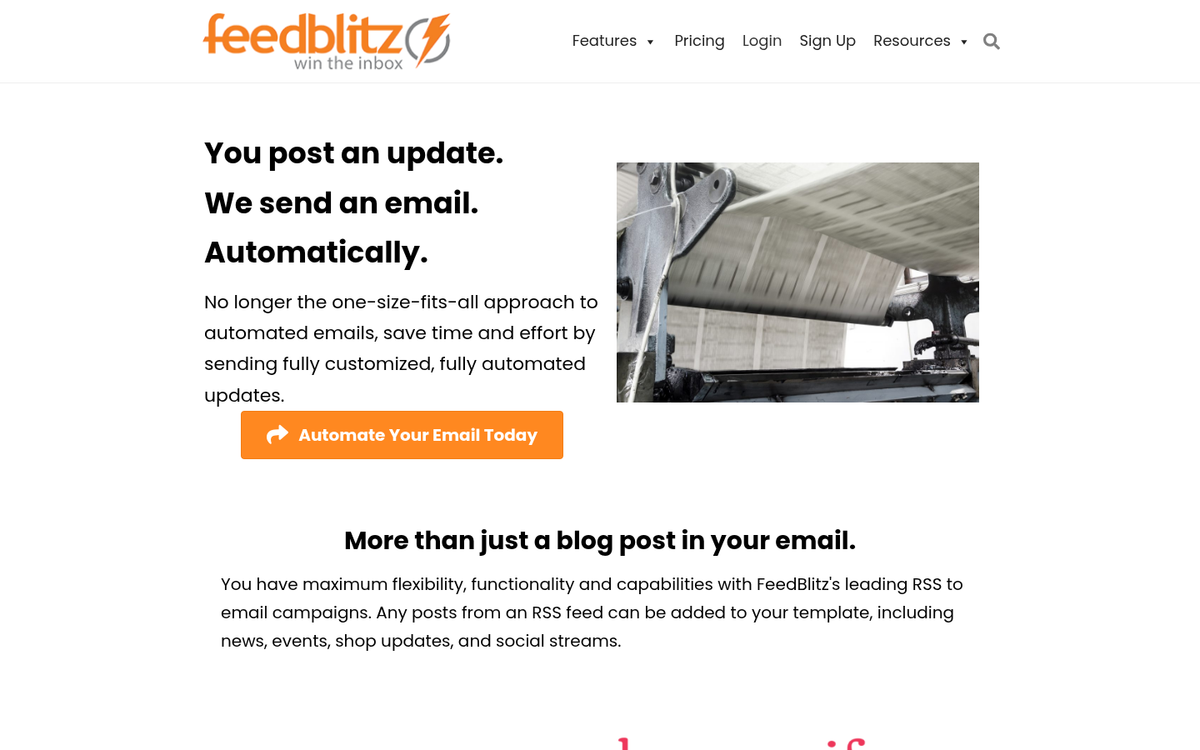
Their pricing scales based on the size of your email list, which if you experience a sudden surge in subscribers means you'll want to have had a chance to monetize that growth. That said, the transparency of their pricing tiers is much better than it used to be, and their platform has matured considerably. For bloggers who want an easy, no-fuss Feedburner alternative with support, FeedBlitz is still a strong choice.
MailChimp
MailChimp remains a household name in email marketing and has only grown more capable over the years - it supports RSS-to-email campaigns, which means you can automatically send new blog posts to your subscriber list without lifting a finger after the first setup. Their analytics, design tools, and automation workflows are among the best in the industry.

The free tier is still available, though its limitations have tightened over the years. For most bloggers running a modest list, the paid plans are reasonably priced and well worth the features you get in return. MailChimp doesn't manage your raw RSS feed the way Feedburner did - if you need help with that, check out how to locate your feed URL on WordPress. But for the RSS-to-email use case specifically, it's one of the cleanest and most reliable options out there.
Kit (formerly ConvertKit)
ConvertKit rebranded to Kit in 2024, and it has become one of the most popular email platforms with bloggers, content creators, and podcasters - it works with RSS-to-email beautifully, with clean templates and strong automation features. If you're a creator who wants more control over your email sequences and subscriber segmentation than MailChimp offers, Kit is worth a look. If you're also thinking about converting your feed from Atom to RSS, Kit handles either format without issue.

There's a free plan available for smaller lists, and paid plans scale based on subscriber count. The interface is clean, support is responsive, and the platform is actively developed - all things that were sorely lacking with Feedburner. Pairing Kit with an RSS aggregator for traffic generation can help you get even more mileage out of your content.
Beehiiv
Beehiiv has emerged as one of the most talked-about newsletter and RSS-to-email platforms of the mid-2020s - it was built from the ground up by former Morning Brew team members and it's designed specifically for content publishers - it has a generous free tier, robust analytics, monetization tools, and a clean editor that makes sending content a legitimately pleasant experience.
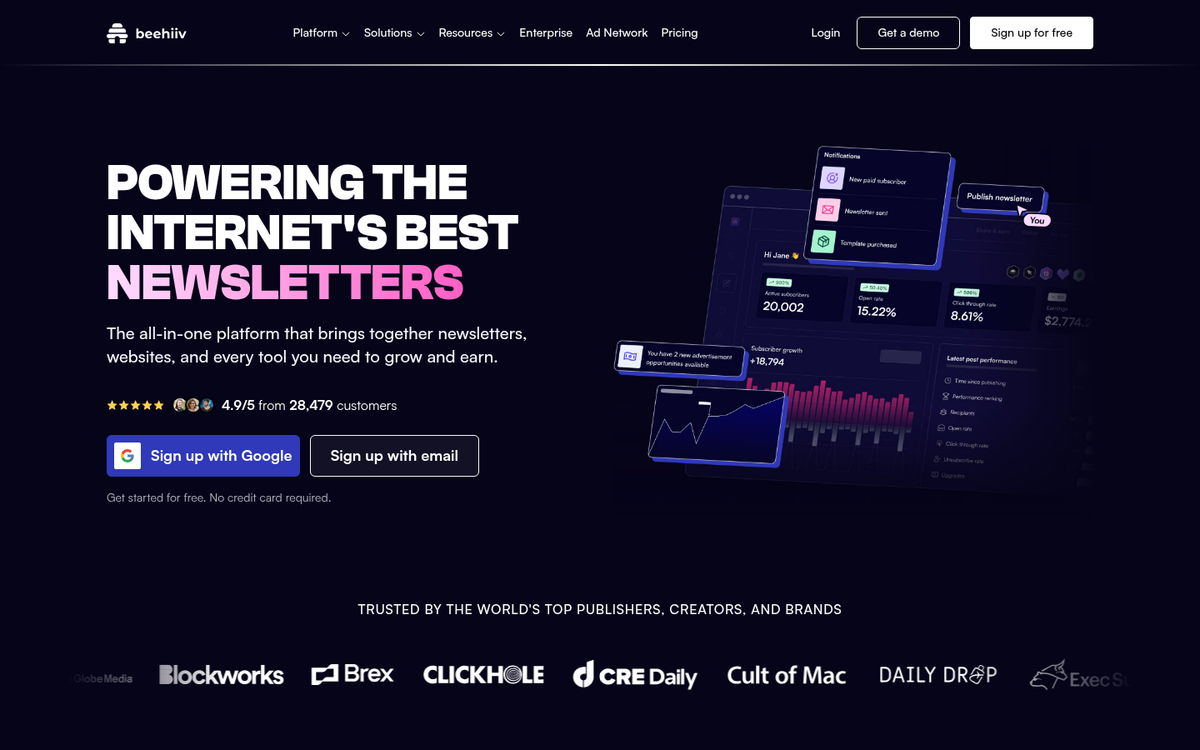
If you're a blogger who wants to grow a newsletter audience alongside your RSS feed, Beehiiv has tools that go well past what Feedburner ever did - it's especially strong for creators who want to eventually monetize through paid subscriptions or sponsored content.
Substack
Substack has become one of the dominant platforms for writers who want to distribute content via RSS and email - it's free to use, and they take a percentage cut only if you enable paid subscriptions. For bloggers who don't plan to charge for content, it's free forever.
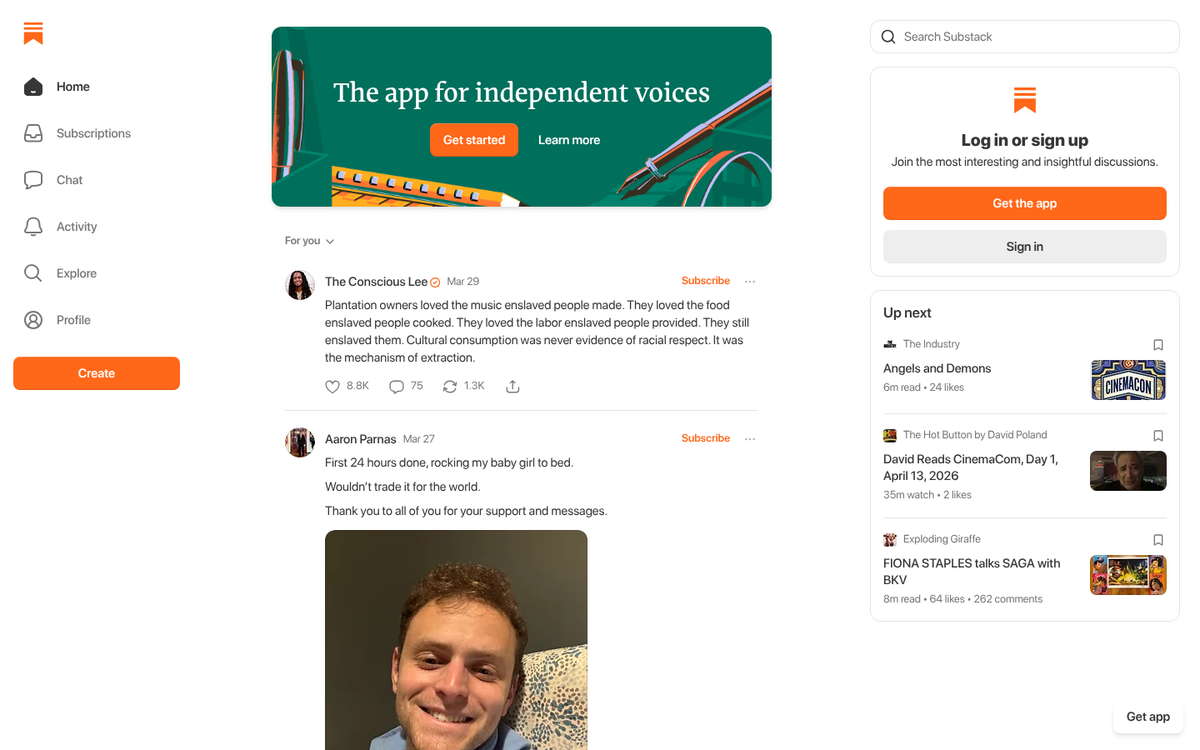
The trade-off is that Substack is more of an all-in-one publishing platform than a pure RSS management tool. If you want to keep your existing blog and just pipe content out via email, it might not be the cleanest fit. But if you're open to moving some of your publishing workflow onto Substack directly, the audience-building tools are hard to beat.
FeedPress
FeedPress is one of the most direct structural replacements for Feedburner on this list - it manages your RSS feeds, provides analytics, supports podcasters, and lets you use a custom hostname - which matters so you don't get locked into another platform's URL the way Feedburner users were locked into Google's.
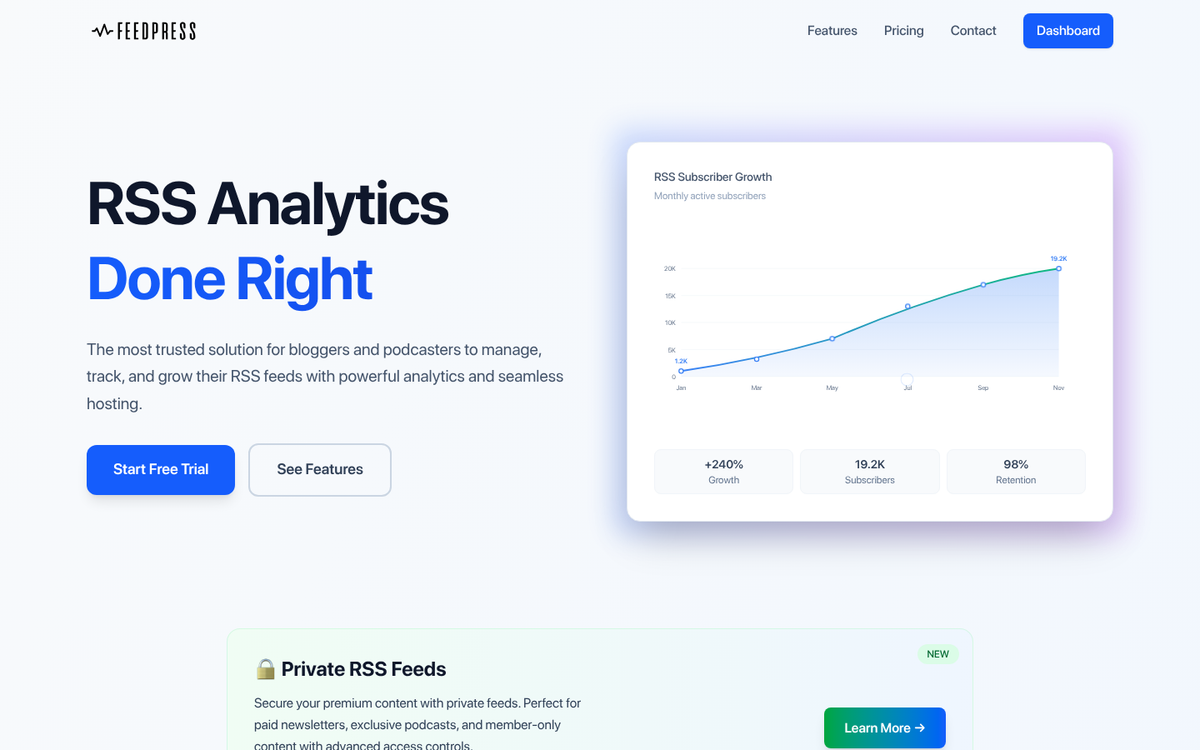
The analytics are legitimately helpful, tracking subscriber counts, feed readers, and referral data in a way that Feedburner never did reliably - it's reasonably priced and actively maintained, which puts it ahead of older tools that have gone stale. If you want something that feels familiar to Feedburner but actually works, FeedPress is worth your attention.
Jetpack
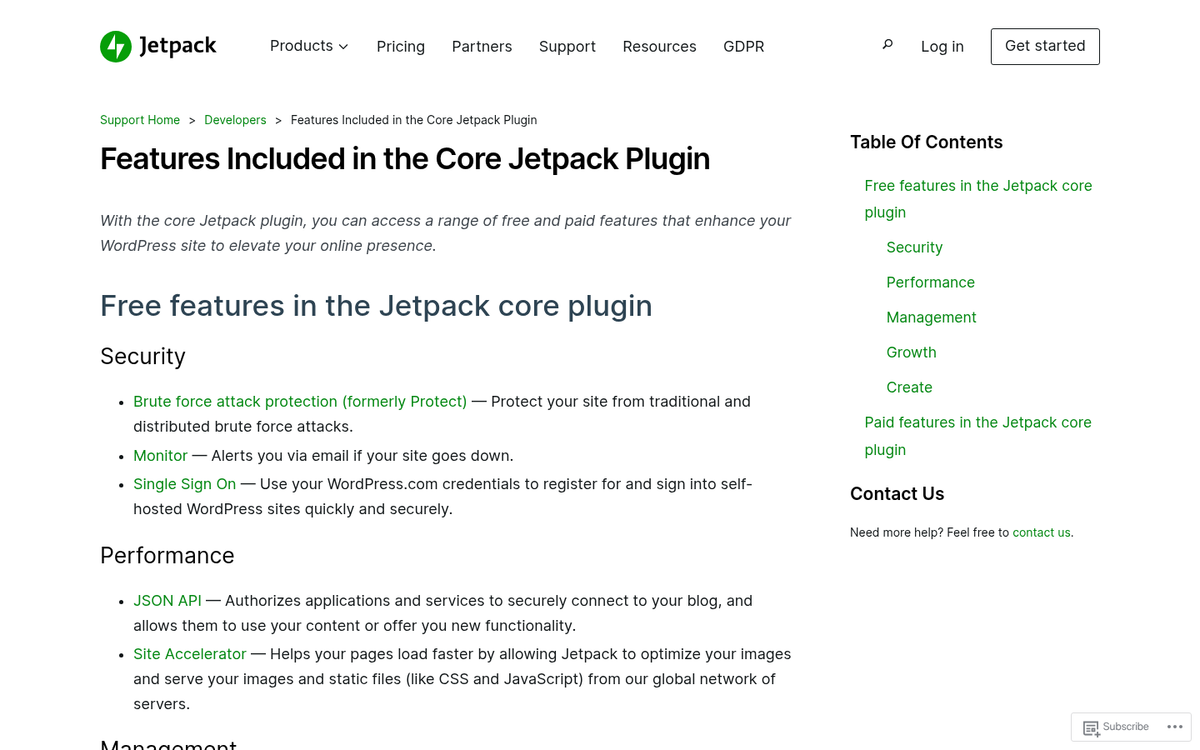
Jetpack is still around and still bundling a number of WordPress features into a single plugin - like RSS and email subscription management - it's free at the basic level, which is hard to argue with. However, the same caveats apply as always: it does many things without excelling at any of them, and it has a well-documented reputation for slowing down WordPress sites.
In 2026, there are also ongoing concerns in the WordPress community about Automattic's direction with Jetpack following the publicized disputes between Automattic and WP Engine in late 2024. Depending on how that situation continues to evolve, it may be worth keeping an eye on before committing to Jetpack as a long-term answer.
Zapier and Make (formerly Integromat)
For those who want more control and flexibility, automation platforms like Zapier and Make have largely replaced IFTTT as the favorite tools for connecting RSS feeds to email services, social platforms, and beyond. Both platforms allow you to build workflows - just to give you an example, triggering an email campaign in MailChimp or Kit whenever a new post appears in your RSS feed.
They're more complex to set up than a dedicated RSS tool. But they're also far more flexible. If you're already using multiple marketing tools and want them to work together intelligently, either of these platforms can serve as the connective tissue. Zapier tends to be more user-friendly; Make is better suited for complex multi-step workflows.
AI-Powered Alternatives Worth Considering
It's worth saying that the community in 2026 looks very different from when Feedburner was in its prime. AI writing and distribution tools like Mailmodo, Brevo (formerly Sendinblue), and built-in AI features within Kit and Beehiiv now manage the content formatting, scheduling, and segmentation that used to need manual effort or third-party plugins.

If you're starting fresh and looking at options from scratch, it's worth looking past pure RSS tools and thinking about platforms that combine RSS-to-email with AI-assisted content delivery, personalization, and analytics. The difference between what a small blogger can do today versus five years ago is significant.
Simple Feed Stats
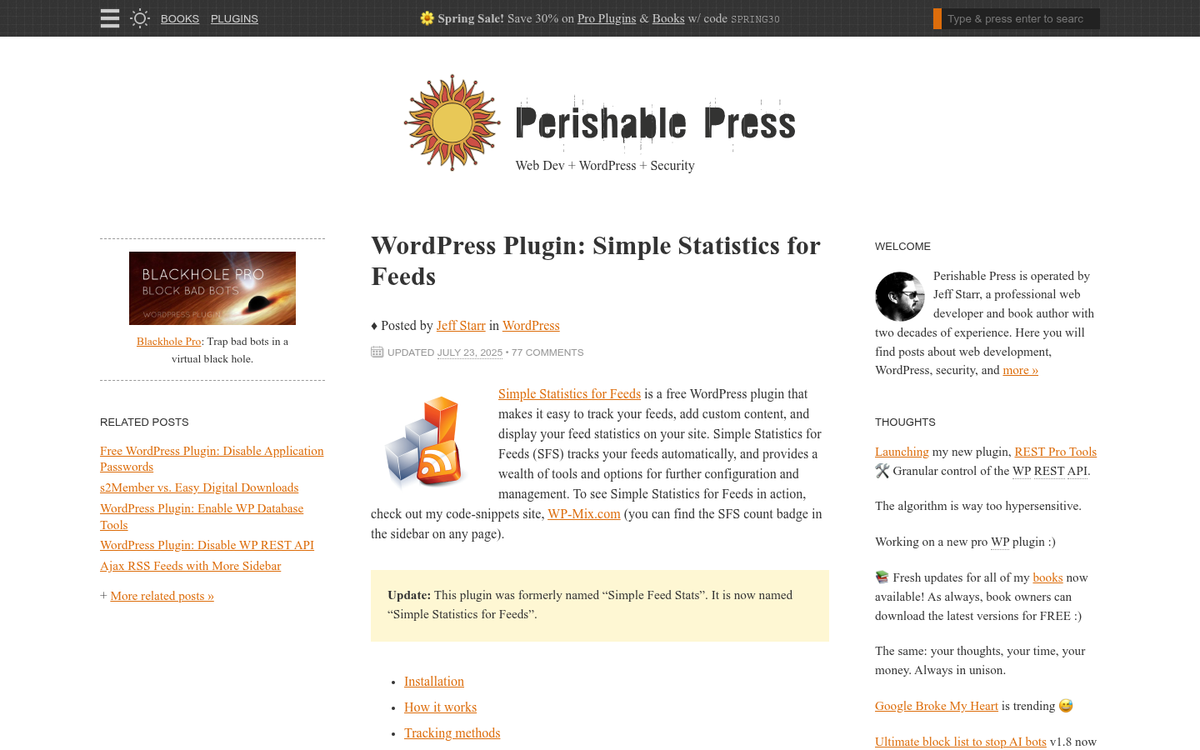
If all you need is better visibility into your existing RSS feed without switching platforms entirely, this WordPress plugin is still worth a look - it tracks feed type, IP address, referrer, requested URL, user agent, date, and user statistics - it won't replace a full email platform. But if raw RSS data is what you're after, it does that job cleanly and for free.
Basic RSS
Finally, it's still worth saying that if all you need is a functional RSS feed without any email or analytics layer on top, you don't need a service at all. WordPress generates RSS feeds natively. You don't get subscriber tracking, email delivery, or analytics. But for some use cases - especially if your audience uses RSS readers directly - it's good enough and free. If you're focused on growing your blog, you may eventually want more robust tools, but a native feed is a perfectly valid starting point.