





Key Takeaways
- Bad bots account for 37% of all internet traffic in 2024, making fake traffic increasingly difficult to detect when buying websites.
- Advertisers wasted over $71 billion on fake or invalid traffic in 2024, showing individual website buyers face significant financial risk.
- Always request live, read-only analytics access before purchasing; sellers who only offer screenshots or refuse access are major red flags.
- Key fake traffic indicators include abnormally high bounce rates, very short session durations, and sudden traffic spikes before listing.
- Cross-reference seller analytics against third-party tools like Semrush or Ahrefs; major inconsistencies likely signal inflated or fabricated traffic.
Buying Websites: How to Spot Fake Traffic in 2026
Much of the information about web marketing online is geared towards a familiar cast of characters. You have your business owners looking to expand their physical business into the digital space. You have your entrepreneurs looking to monetize blogs they're building from scratch. You have your content creators looking to build businesses based on an audience. You have affiliate marketers looking for niches to expand into, preferably with minimal competition.
What's often forgotten in the shuffle is the concept of buying existing websites. Too often, people overlook the fact that it's entirely possible to approach a webmaster with an offer and buy their site instead of creating your own from scratch. This sidesteps a lot of the problems that come with starting from zero - the initial investment of building a website, creating content, and grinding through the long process of growing from nothing to your first few thousand visitors.
Sites like Flippa have established themselves as marketplaces for buying and selling websites, operating on an auction model. They sell fully established websites, newer sites still finding their footing, and even standalone domain names. The platform has also expanded significantly into apps and even SaaS businesses over the years.
One thing you'll notice immediately if you browse Flippa and similar marketplaces is just how central traffic is to valuations. A site with established, verifiable traffic will command a significantly higher price than one with little or no traffic at all. And that's where the trouble starts. If you're considering a purchase, it helps to understand how sellers maximize their returns before putting a site on the market.
Traffic Control
There are a few serious problems with taking traffic numbers at face value. For one thing, the numbers listed in a marketplace auction are often self-reported by the seller. Without independent verification, you have no reliable way of knowing whether those numbers are legitimate, inflated, or fabricated entirely.
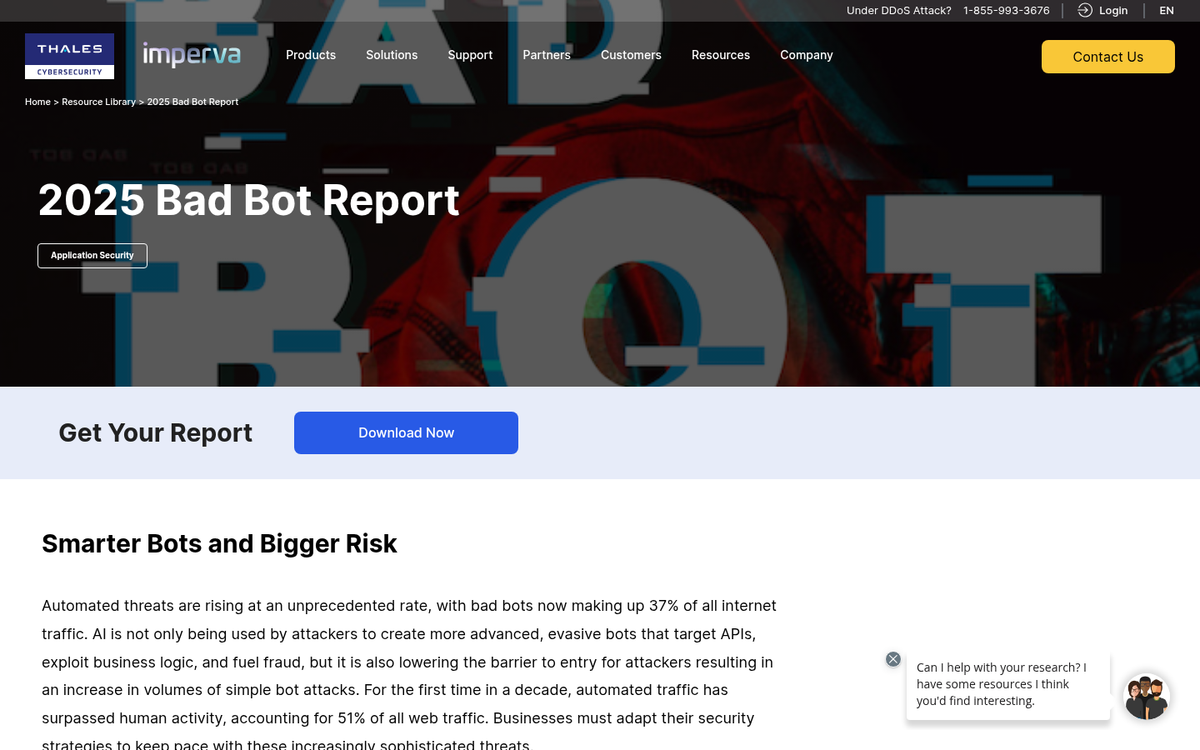
The problem has gotten dramatically worse in recent years. According to the 2025 Imperva Bad Bot Report, malicious bots now account for 37% of all internet traffic - up from 32% in 2023 - marking the sixth consecutive year of growth in bad bot activity. Automated bot traffic as a whole surpassed human-generated traffic for the first time in a decade, making up 51% of all web traffic in 2024. Meanwhile, Akamai Technologies reported that bots compose roughly 42% of overall web traffic, with 65% of those bots classified as malicious.
In other words, the internet is crawling with fake traffic, and a significant portion of it will show up in a site's analytics looking completely real. Advertisers wasted over $71 billion on fake or invalid traffic in 2024 alone - a 33% increase from the $36 billion wasted in 2022. If the ad industry with all its sophisticated tools is getting burned at that scale, individual website buyers are even more exposed.

Beyond outright fake traffic, there are additional factors that influence whether traffic is actually worth anything:
- If the traffic isn't stable over the long term, the numbers mean very little. It might be seasonal inflation, a viral moment that's already passed, or temporary purchased traffic designed to make the site look more attractive right before listing.
- All the traffic in the world is useless if it can't be monetized. The visitors need to be the kind of people who would buy something, click an ad, or convert in some meaningful way. According to Orbit Media's analysis of 65 client websites, organic search traffic produces engagement rates of 62.2%, while paid social traffic sits at just 24.1% - a massive difference in quality. There are legitimate ways to monetize website traffic, but only if the audience is real and relevant.
- Bounce rate still matters. If the overwhelming majority of visitors are leaving within seconds, there's either something wrong with the site itself or the traffic is simply not real, not relevant, or not human.
- The geographic source of the traffic is critical. Traffic concentrated in regions that don't match your target market, or in countries associated with click farms, should raise immediate red flags. This is especially relevant if you're wondering whether traffic from international sources is even viable for your intended use case.
- The cost behind the traffic. Some sellers are actively running paid campaigns on Google or Meta to inflate their numbers before listing. Once they pocket your money and kill the ad spend, you're left holding a site whose traffic falls off a cliff.
Buying a site with fake or artificially inflated traffic is buying a very expensive lesson. The potential profits you imagined evaporate quickly, and you're left trying to rebuild from almost nothing - possibly while dealing with algorithmic penalties if the previous owner was doing anything shady to generate those numbers.
Identifying Fake Traffic
The most direct way to evaluate a site's traffic before purchasing is to request read-only access to their analytics data. Whether they're using Google Analytics 4, a third-party platform like Fathom or Plausible, or another tool, access to live data is non-negotiable for a serious buyer.
If the owner refuses outright, treat that as a significant warning sign. A seller with nothing to hide generally has no reason to keep you out. If they offer screenshots instead of live access, be skeptical - screenshots are trivially easy to fabricate or manipulate.
If they grant you access, look carefully for the following:
- An abnormally high bounce rate. If the site itself looks well-designed and functional, a very high bounce rate often points to low-quality or non-human traffic rather than a content problem.
- A suspiciously low pages-per-session ratio. Sophisticated bot operators have learned to program their bots to visit more than one page to look more convincing, but most cheap traffic still shows up as very shallow sessions. Even one or two pages per session can be a warning sign if other indicators are off.
- Extremely short session durations. Legitimate users who find what they're looking for tend to spend more than a few seconds on a page. If the average session duration is under 30 seconds across the board, something is wrong.
- Sudden, dramatic traffic spikes shortly before the site was listed for sale. This is one of the clearest red flags. Organic growth tends to be gradual. A vertical spike in the weeks before listing almost always points to purchased traffic.
- Traffic concentrated in unusual geographic clusters. Click farms tend to be concentrated in specific countries. If you see disproportionate traffic from locations that have no obvious connection to the site's content or niche, dig deeper.
- Invalid traffic in paid channels. Research suggests approximately 4.9% of paid ad traffic and 5.7% of organic traffic is invalid on average - but on sites that have actively been gaming their numbers, those figures can be dramatically higher.
On the other hand, healthy signs include varied session lengths, solid pages-per-session numbers, gradual and consistent growth over months or years, engagement metrics that align with the niche, and traffic sources that make sense for the type of content on the site.
Cross-referencing analytics data against third-party tools like Semrush, Ahrefs, or SimilarWeb is also a smart move. These tools won't give you perfect accuracy, but they'll give you an independent data point to compare against what the seller is showing you. If the numbers are wildly inconsistent, that tells you something important.
So what do you do if you spot a site with clearly inflated or faked traffic? The simple answer is: don't buy it. Unless you have a very specific and reliable plan to make the site work with almost no traffic from day one, it won't be a worthwhile investment. If for some reason you're still interested, make a dramatically lower offer that reflects what the site is actually worth - which is almost nothing if the traffic disappears the moment you take ownership. Knowing when a site has run its course is something even legitimate sellers often struggle with.
And regardless of whether you proceed, report the listing to the marketplace. Platforms like Flippa have fraud protection policies, and flagging these sellers helps protect other buyers from making the same costly mistake.


1 response
Thoughtful replies only - we moderate for spam, AI slop, and off-topic rants.
Thank you for your post, James, it is very informative and useful