Key Takeaways
- Facebook Instant Articles shut down in April 2025, ending a program that ran since 2015.
- At peak, Instant Articles content received 30% more shares and 20% more clicks than standard mobile articles.
- Publishers criticized Instant Articles for limiting conversions, audience relationships, and control over surrounding navigation.
- WordPress plugins built for Instant Articles are now obsolete and potentially dangerous; delete them immediately.
- Focus instead on page speed, mobile optimization, email newsletters, and proper Open Graph metadata.
Facebook Instant Articles was a system Facebook had in place for publishers to put their content, mostly blog posts, directly on the Facebook platform. However, as of April 2025, Facebook officially shut down Instant Articles, ending a program that had been running since 2015. If you were using Instant Articles or thinking about it, this post is now largely of historical interest - but it's still worth understanding what it was, why it mattered, and what you should be doing instead.
What Instant Articles Was
Instant Articles allowed publishers to host their blog content directly on Facebook's servers. Articles loaded almost instantly regardless of connection speed or device, worked well on desktop and mobile, and used rel=canonical tags to avoid duplicate content penalties by pointing back to your original post.
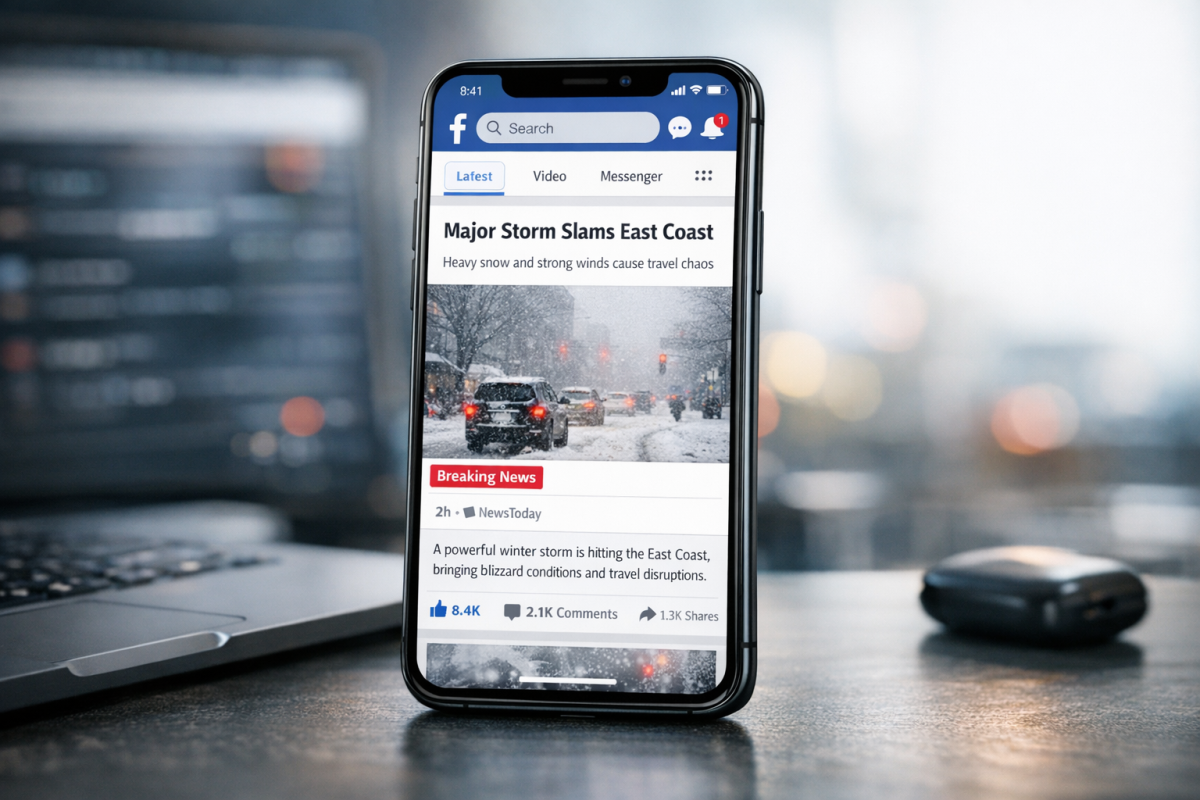
The system supported author bylines, in-content links, and monetization through Facebook's display network. On the downside, you lost control over navigation surrounding your content - no pop-overs, overlays, sidebars, or custom calls to action - making it difficult to drive conversions or direct readers to landing pages.
At its peak, Instant Articles showed promise. Articles were shared 30% more than standard mobile web articles and received 20% more clicks. Despite this, publishers increasingly criticized the platform for limiting their ability to build direct audience relationships, and Facebook's own algorithm deprioritized Instant Articles content over time, steadily eroding the traffic benefits that had made it desirable.
What You Should Do Instead
With Instant Articles gone, the goals that once drove publishers toward it - fast mobile load times, readability, strong engagement - haven't gone away. Here's where to focus your energy instead:
- Core Web Vitals and page speed: Google's ranking signals heavily reward fast-loading pages. Use tools like PageSpeed Insights or GTmetrix to identify and fix bottlenecks on your site. A well-optimized WordPress site on a solid host can rival the load times Instant Articles once offered.
- A strong mobile experience: If your theme isn't fully responsive and mobile-optimized in 2026, this is your single highest priority. Mobile traffic continues to dominate, and a poor mobile experience will cost you far more than any distribution shortcut could ever gain back.
- RSS and newsletter distribution: Rather than handing your content over to a platform you don't control, invest in owned channels. An engaged email list gives you direct access to your audience without algorithm interference.
- Open Graph and structured data: Make sure your WordPress posts are properly tagged with Open Graph metadata so that when content is shared on Facebook, it renders attractively with the correct image, title, and description. Plugins like Yoast SEO or Rank Math handle this well.
A Note on the Plugins Listed in This Post
I reviewed five WordPress plugins for creating Facebook Instant Articles. Since the platform itself has been discontinued, those plugins are now obsolete. Most had already been abandoned by their developers well before Facebook pulled the plug - a few hadn't been updated in three or more years and carried known compatibility and security issues with recent WordPress releases. There is no reason to install any of them.
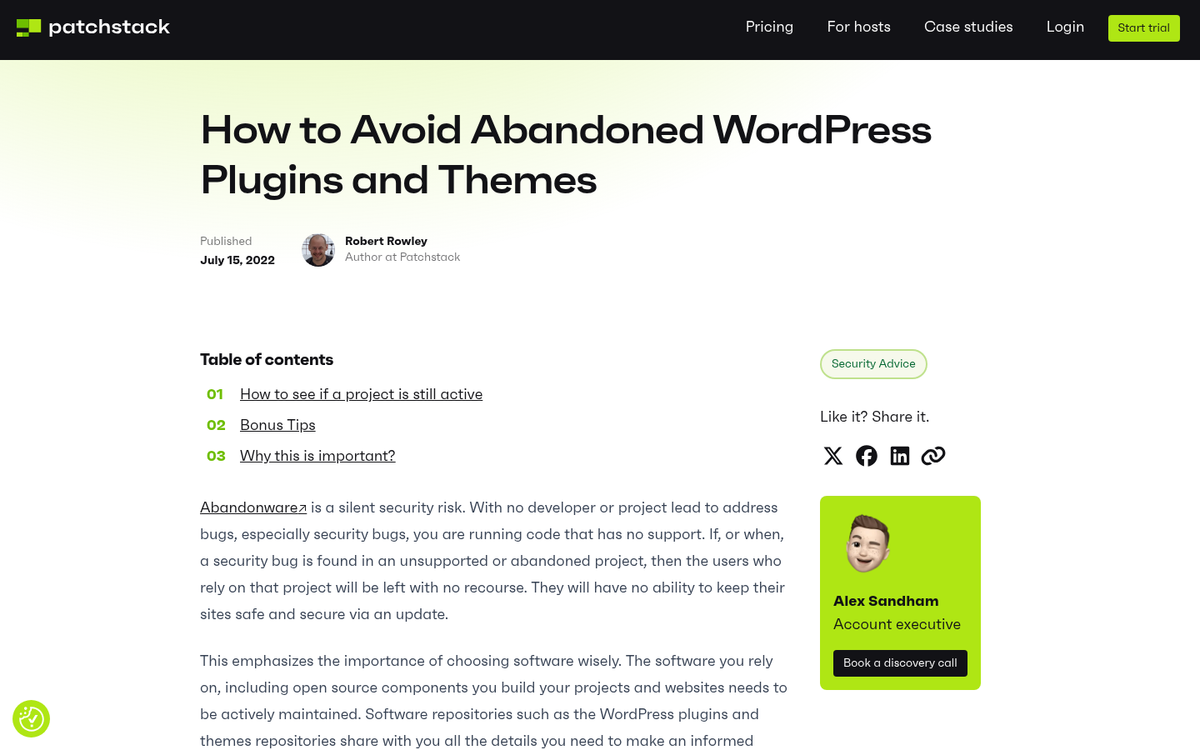
If you previously had any of these plugins installed, it's worth deactivating and deleting them promptly. Abandoned plugins with no active maintenance represent a genuine security danger on WordPress sites, and with the underlying platform gone, there's no upside to keeping them around.
The wider lesson here is one worth carrying forward: building your content strategy around third-party platforms always carries risk. Own your own site, your own speed, your own audience - those are the assets that don't disappear when a tech company changes direction. Knowing which plugins are actually worth installing on a self-hosted WordPress site is a good place to start, and understanding why it can take years to see results from blogging will help you focus on building assets you truly control.