Key Takeaways
- CTAs serve diverse goals: driving comments, growing email lists, boosting social shares, generating leads, or making direct sales.
- Language matters hugely - power words like "free," "instantly," and "guaranteed" can increase conversion rates by up to 12.7%.
- Slide-in and pop-up CTAs outperform traditional sidebar banners, converting at 1-8% versus just 0.5-1.5%.
- Segmented CTAs letting users self-select their path improve relevance and conversions, especially for products serving multiple audience types.
- Offering exclusive incentives like early access or free resources - particularly on exit-intent pop-ups - effectively re-engages hesitant visitors.
Your call to action is the driving force behind your conversions. It is, literally, a call for your audience to take an action.
A great orator gives you a speech and has you rallying for their cause. Martin Luther King's I Have a Dream, Lyndon Johnson's We Shall Overcome and more are all examples.
A poor speaker can bore an entire audience and the only call to action they'll take away is "can I leave yet?" It's obvious which of the two you want to be.
The issue is, you don't have the length of a speech. You don't have a captive audience. You don't have a one-time-only opportunity like the setting for a speech. You have a passive website that sits on the web, viewed whenever a user comes along from one of your traffic streams. You have a very limited amount of space, usually little more than the span of a button or a sentence. If you tried to write a speech and post it on a landing page, you'd probably see a 0% conversion rate.
On this blog we have covered calls to action before, focused largely on the types of language you can use - this post is meant to expand upon the concept and give you a series of examples you can use and adapt for your own CTAs.
1. "Have you put any of these methods into action? Tell us about your success in the comments!"
This CTA is focused on getting users to comment on a blog post or social media post. The idea is easy; you want comments, so you're prompting for them. You're not going out and saying "hey can you comment on my post? Thanks in advance." Instead, you're being a little more active about it - it's not a question, it's a command - it relates to the content at hand, something like this post itself. I could write "what are your favorite CTAs? Let me know in the comments!" for the same effect.

One interesting thing about the language in this particular CTA example is that it implies that you've had success with the methods mentioned. That expresses confidence in the quality of the content. I'm asking you to tell me about how successful they made you - not whether or not they worked. the language in this particular CTA example is that it implies that you've had success with the methods mentioned. Comments can also improve your blog post rankings and traffic, so encouraging them is well worth the effort.
2. "What do you think? Is AI-generated content killing organic search?"
This is another CTA focused on driving engagement through comments. But it does it with a different angle. Rather than asking you to share your experiences with a particular strategy, product, or what have you, it tries to spark a debate.
This CTA is usually best used when following an opinion piece that has data supporting it. Ideally, that post will profess some uncommon opinion. You couldn't write a post about how Google is a big search engine and ask readers whether or not they agree; of course they do - it's not something that's up for debate. Start a debate with an uncommon opinion supported by data and keep the conversation going in the comments by engaging more there.
It's a slightly dangerous CTA, though. Sparking a debate is one thing. But if you touch upon a polarizing issue, you can incite harsh feelings and drive away users. This is especially relevant today with how divisive topics like AI, data privacy and automation have become. Tread carefully, stay grounded in facts and stay away from taking positions that might alienate your core audience.
3. "Subscribe now to receive our free ebook with 10x more tips!"
This CTA isn't focused on engagement. Rather, the goal is to grow your mailing list - it's best used at the end of a long post with useful information. People who liked that information and want more will be likely to subscribe to get more. According to HubSpot's research, eBook CTAs remain one of the most effective lead-generation tools available and that hasn't changed in 2026.
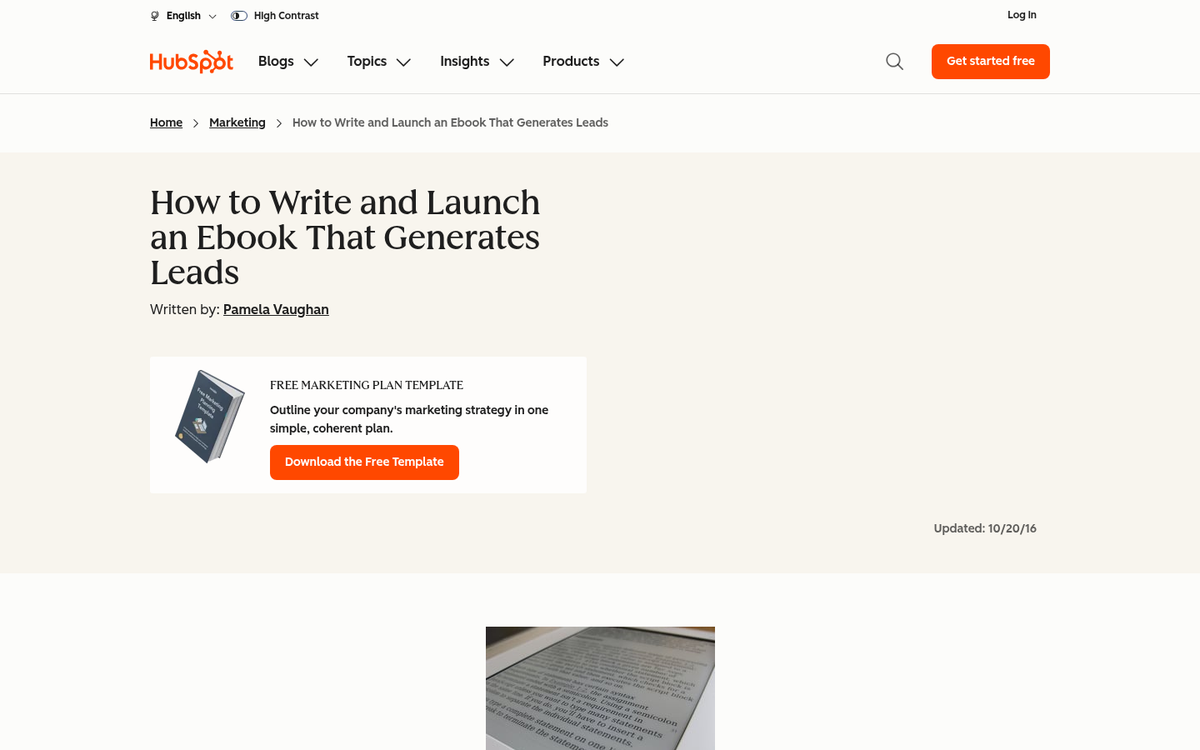
What matters with this example specifically is that you have an ebook with an expansion on the same topic. If I give you 15 examples of CTAs, I might then try to give you an ebook with 100 more examples contained within. The value of the ebook, coupled with giving it away for "free," means that more readers will probably register just to get it.
Of course they aren't getting it for free. They're just paying with personal information, i.e. whatever the form you're having them fill out requires. Keep your form short; the more fields a user has to fill out, the less they'll want to finish the process and so the less effective your CTA can become. With AI tools now capable of auto-filling forms intelligently, the bar for friction is even lower than it used to be - readers expect speed and simplicity. You can also explore tips to make your blog posts more effective to ensure the content preceding your CTA is compelling enough to drive conversions.
4. "This is a great quote from our post. Click to share on X!"
Social sharing CTAs remain a way to extend your content's reach, though the landscape has shifted considerably. Twitter rebranded to X in 2023 and while the platform has gone through changes under its latest ownership, it still carries value for certain niches and audiences. The classic ClickToTweet strategy still works in principle - you make a pre-formatted message and let readers share it in a single click - though you'll want to consider whether X is still the right platform for your audience in 2026.
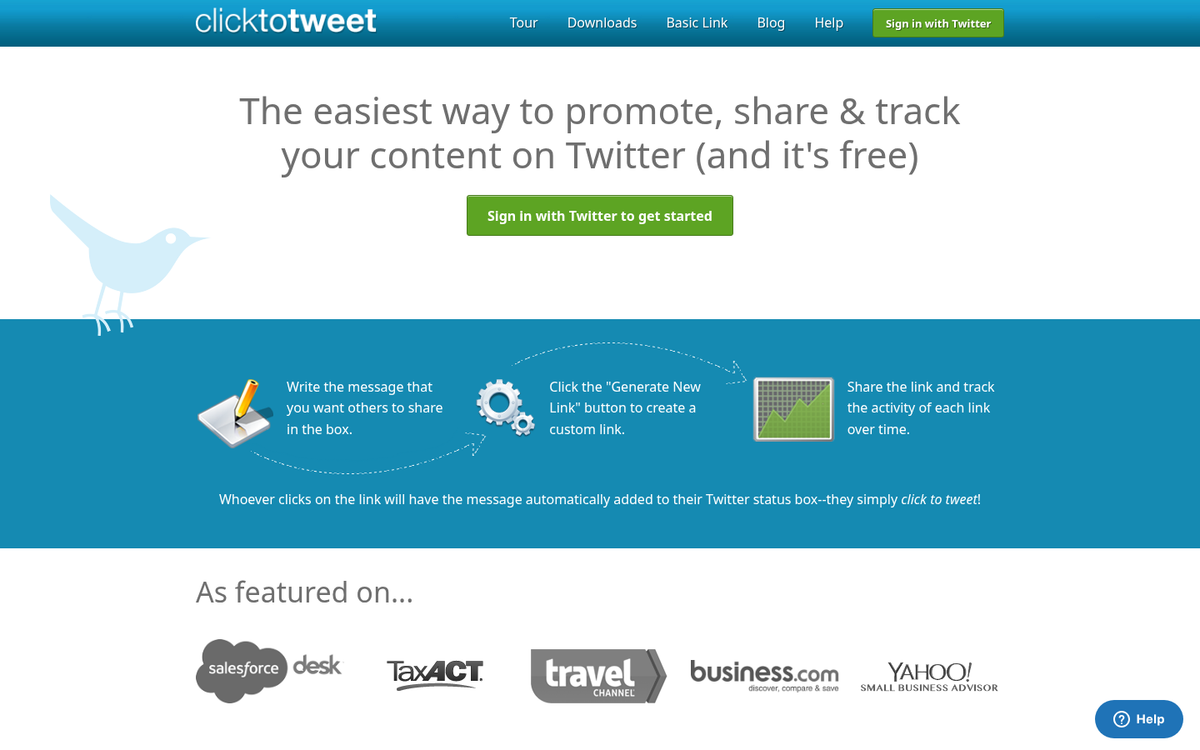
The perfect sharing CTA guarantees that the message you want goes out, formatted just right, instead of something composed by a reader who doesn't have your marketing goals in mind. Beyond X, consider giving click-to-share options for LinkedIn, Threads, or Bluesky depending on where your audience actually spends their time. Don't default to platforms out of habit - go where the engagement actually is.
There are also tools that allow users to highlight any section of text and share it directly, with your chosen hashtag or handle appended automatically. It's a slightly less controlled strategy. But it still outperforms generic social sharing buttons by a wide margin.
5. "Interested to see how our services can boost your business? Contact us today!"
This is the first more obviously sales-oriented CTA on this list. In 2026, the best-performing contact CTAs usually route users into a live chat powered by AI, a short intake form, or a direct calendar booking link - instead of a phone number alone. Tools like Calendly, HubSpot's meeting scheduler and AI-powered chat widgets have largely replaced the cold phone call as the preferred first point of contact and that's also the case in B2B contexts.
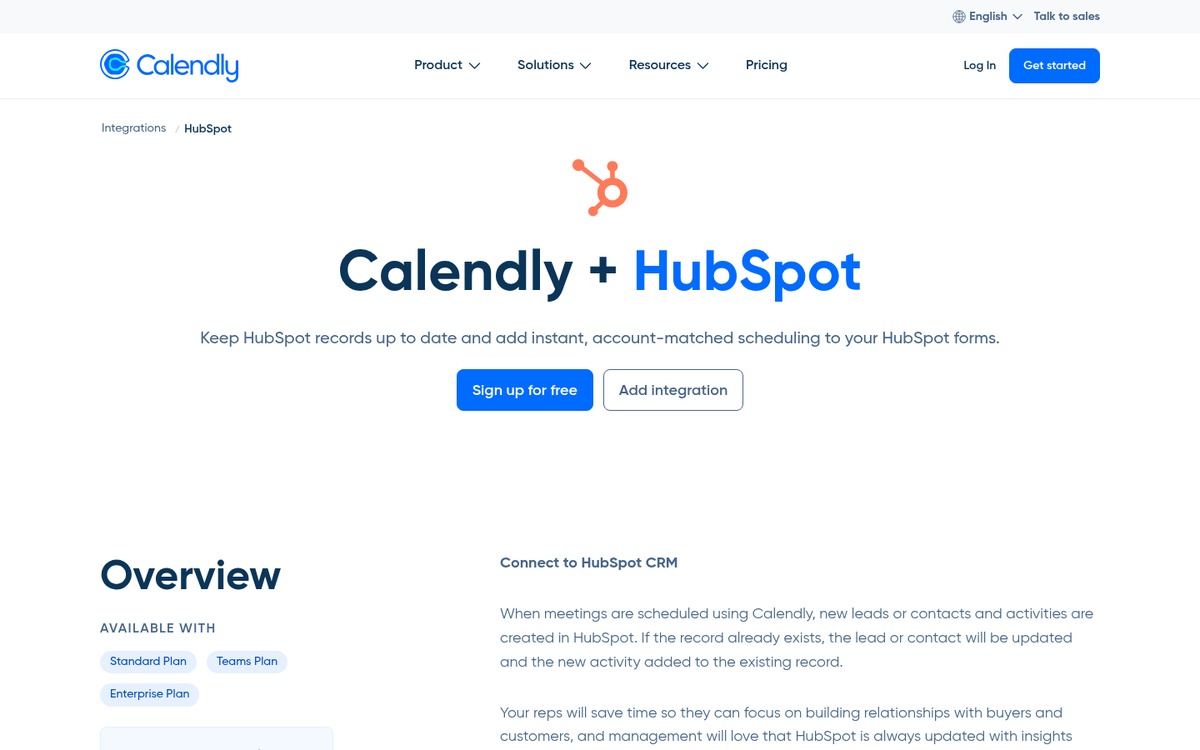
That said, phone numbers still matter for local businesses and certain industries. Do your research to find which 2-3 contact options best match your audience's preferences. Avoid overloading users with options; too many options creates choice paralysis and cuts back on conversions.
Some businesses do quite a bit better with lead generation than with direct sales. You can change the phrasing to solicit users for a free consultation, a downloadable resource, or a short demo call instead of a hard sales pitch - this helps capture users who aren't quite ready to buy yet but are moving in that direction. If you're looking to strengthen your overall strategy, business blogging can be a powerful complement to your contact-driven CTAs.
6. "Featured Product: This Awesome Red Widget! Click Here to Buy"
This example doesn't make sense on its own - it's formatted like a headline instead of something you'd include in a landing page or blog post and it wouldn't work as a headline either. What matters is its positioning.
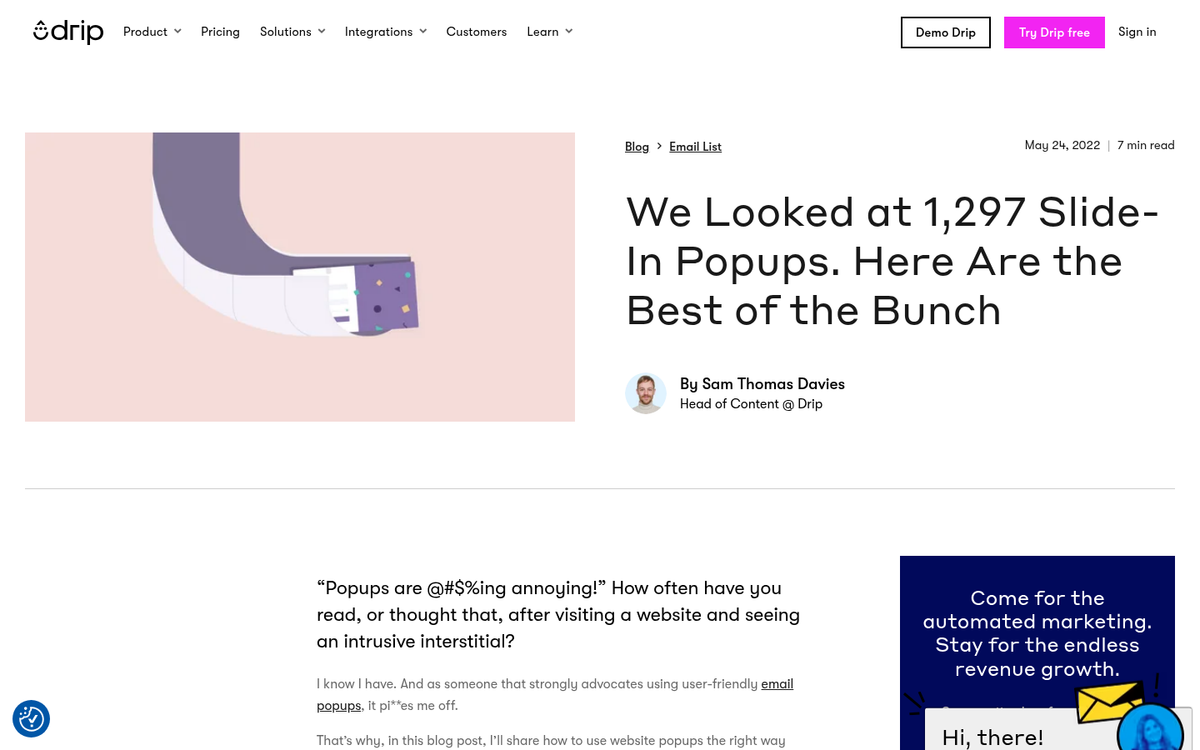
In this case, the positioning is a slide-in or pop-up corner box. These slide-in CTAs are boxes that appear on screen via an animation triggered when the user has scrolled some distance down a page. You usually set the trigger point so the reader is nearly finished with the post but hasn't quite left, and they still have their attention on the page. Slide-in CTAs have an estimated conversion rate of 1-5%. But pop-up CTAs can reach 1-8% depending on targeting and timing. Both outperform traditional sidebar banner CTAs which usually convert at just 0.5-1.5%.
7. "In fact, you can read a tutorial about them on HubSpot's blog here."
Did you catch that one? It's called an in-line call to action, though most of you probably just think of it as a link.
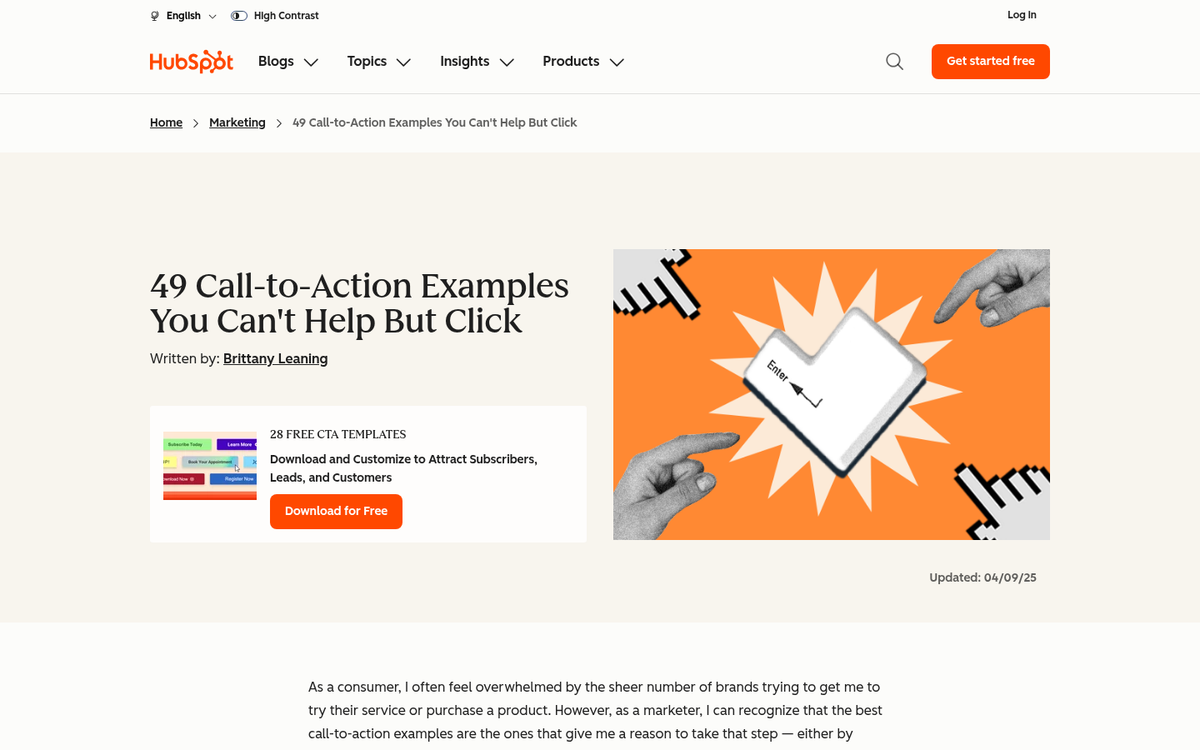
The link above was a CTA to get you to check out a particular resource. Other links on other posts may carry more of a commercial motive - and that's perfectly fine, as long as you're transparent about it.
It's the same in-content CTA you'd want to use for affiliate links, sponsored content, or linking to your own related products and services. The link carries your tracking tag, so users who click through are measurable, attributable and monetizable. In an era where AI-generated content is flooding the web, genuine editorial in-line CTAs with honest recommendations carry more trust and authority than ever.
8. "Do we have you convinced? If so, click here to make your first purchase today!"
This might be one of the easiest CTAs in the world - it's a simple question: are you ready to convert? If you are, click the link and you're taken right to a product page, a signup portal, or whatever step begins your purchasing process.
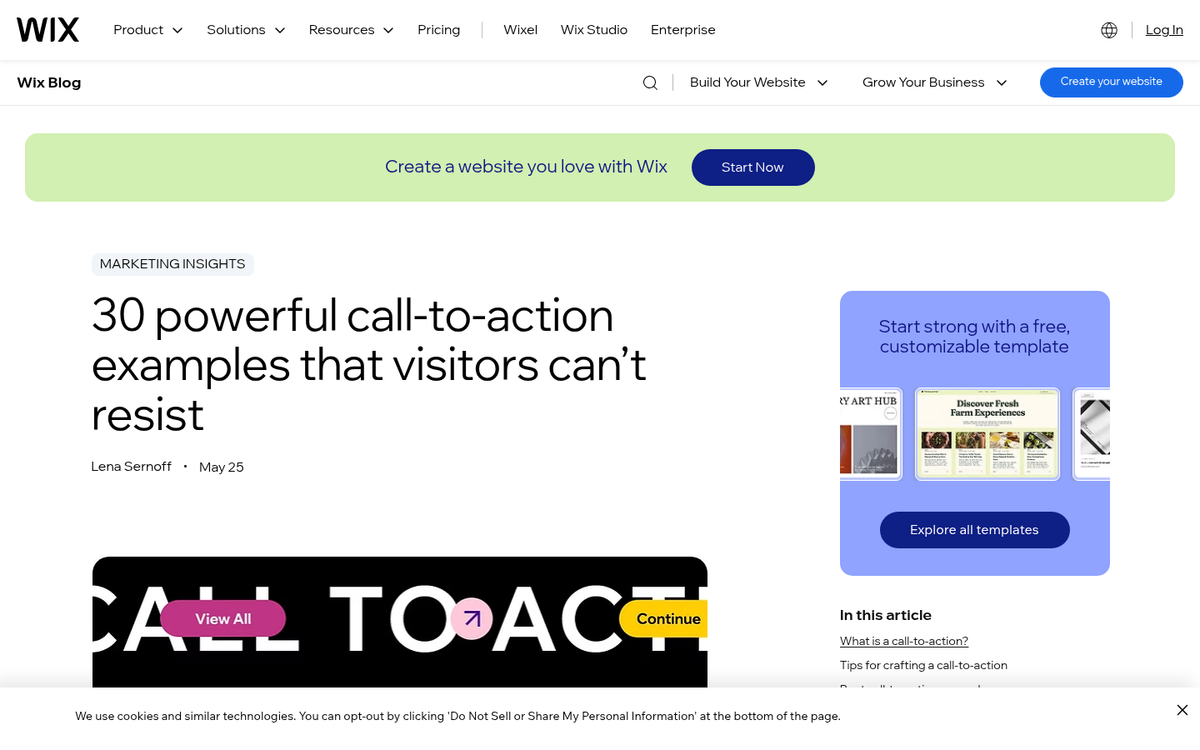
It's a very up-front version of the CTA. But you can achieve the same goal with softer language. Studies show that power words in your CTA copy - words like "free," "instantly," "guaranteed," or "exclusive" - can increase conversion rates by as much as 12.7%. Feel free to experiment to see what resonates best with your audience. You might also consider a low-commitment angle like "just take a look, no obligations," especially if you have a free trial, a money-back guarantee, or a freemium tier to offer.
9. "Remember Everything"
This phrase alone means nothing and isn't a CTA in isolation. And yet it was the top headline for a well-known Evernote landing page. Dropbox did something similar with "Your stuff, anywhere." These short, punchy CTAs are quick ways of conveying what a product does and why it matters. They work because the audience arriving on that page already has context - they've heard about the product elsewhere and are ready to learn more or convert.

In 2026, this minimalist CTA strategy has become even more common with AI-powered tools and SaaS products. Think of how AI products launch with a single strong line and a waitlist button. The copy doesn't sell the product - the product's reputation, word of mouth and surrounding content do that. The page itself just needs to close the deal cleanly.
What matters with this CTA is not the words themselves - it's the visual design, the surrounding context and the confidence to keep it simple.
10. "Did you love this post? Want to see more? Follow us on Instagram!"
This is the social media follow CTA - you want readers to follow your accounts on a given platform. In 2026, the platform you name here matters more than ever. Facebook has lost its edge as an organic content channel for most niches. But Instagram, LinkedIn, YouTube, TikTok, Threads and Bluesky have each carved out distinct audience segments.
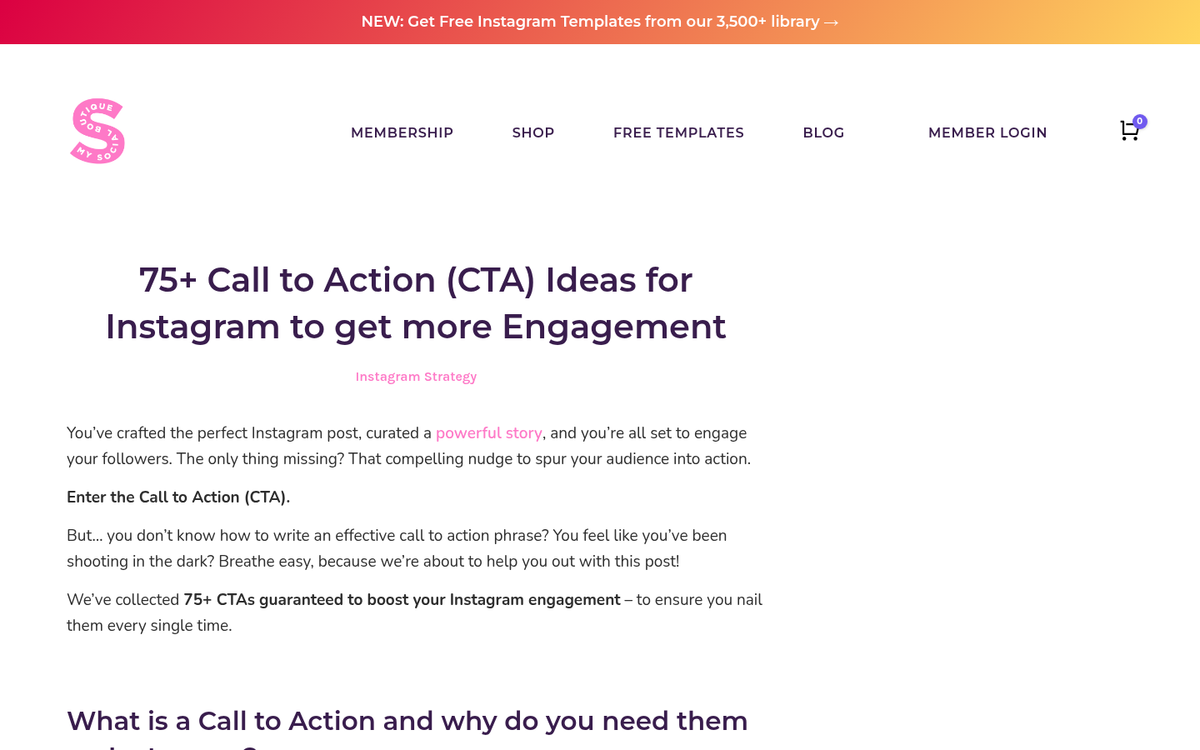
Choose the platform where your audience is most active and where your content format performs best. A visual brand should push Instagram or TikTok. A B2B service should push LinkedIn - and it's worth learning how to promote and grow your blog posts on LinkedIn to get the most out of that channel. A news or commentary site might find more traction on Threads or Bluesky. Don't default to Facebook out of habit - go where the engagement actually lives.
As with other CTAs, focus on one platform at a time. Asking readers to follow you in five places at once produces far fewer follows than a single, direct ask. If you're still building out your overall strategy, this list of advanced methods to promote content on social media is a strong place to start.
11. "Do you think X or Y is more valuable? Vote in our poll so we can help you in the future!"
This is a poll-focused CTA and it has only become easier to execute well in 2026. Native polling features are now available directly on platforms like Instagram Stories, LinkedIn, X, Threads and YouTube Community posts - meaning you can run polls without ever sending your audience off-site. For deeper survey needs, tools like Typeform, Tally and Google Forms remain reliable options.
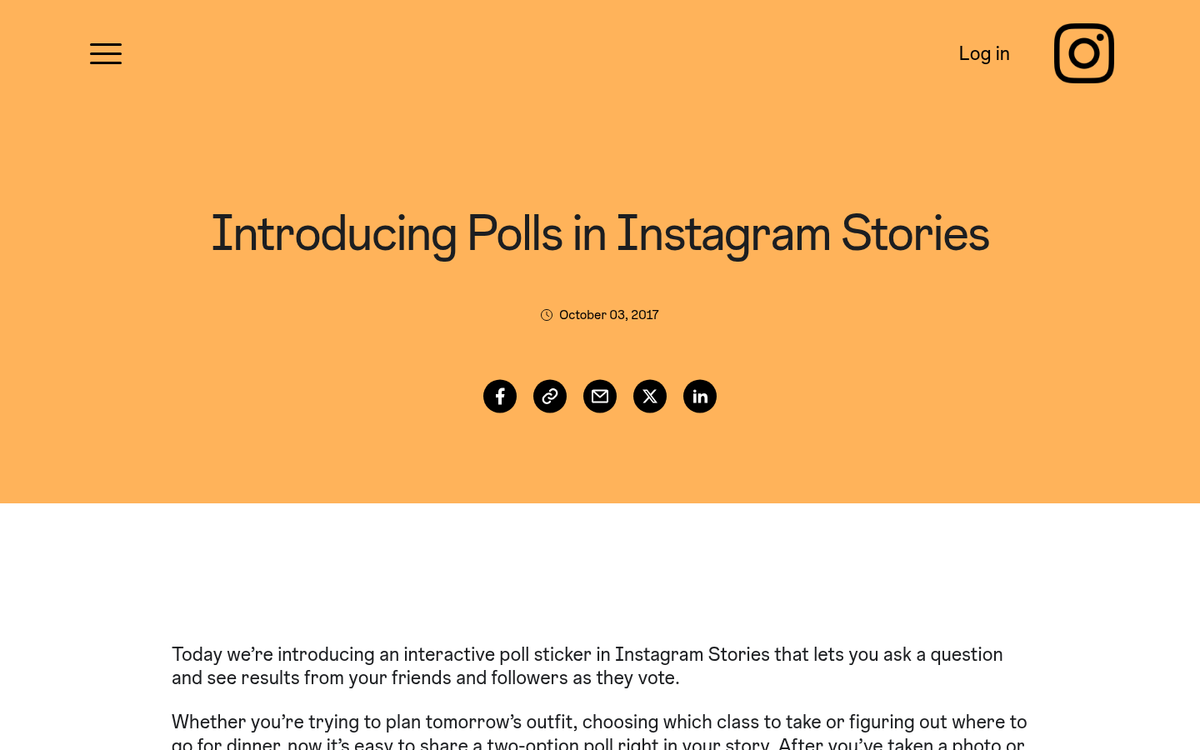
If you're crafty, you can tie an optional mailing list opt-in to the end of your survey and hit two birds with one stone. AI tools can also help you analyze poll and survey responses at scale, which turns audience feedback into useful content ideas or product decisions faster than ever before.
12. "Check out our live demo for a deeper look!"
This CTA works especially well for SaaS products, web apps and online tools - and in 2026, it's more relevant than ever. With AI-powered products proliferating across every industry, an interactive preview has become a standard and expected part of the conversion funnel.

Sandbox environments, interactive demos and "try before you sign up" experiences have replaced the old static screenshot tour for most modern software products. Tools like Arcade, Navattic and Storylane now make it easy to build clickable product demos without any engineering work. If your product can be shown in action, show it. A user who has already experienced your product - even in a limited way - is far more likely to convert than one who has only read about it.
13. "Available for businesses of all sizes. Click here if you're a small business, or here for enterprise-level organizations"
This is a long CTA. But it has quite a bit going for it because it's actually two CTAs at once - this format works especially well if you have one product or service that serves multiple customer types - freelancers, small businesses and enterprise clients, just to give you an example. Rather than forcing every visitor through the same funnel, you let them self-select into the experience most relevant to them. Improving user engagement on your blog often comes down to exactly this kind of thoughtful segmentation.

In 2026, this segmented CTA pairs well with AI-powered personalization. Many modern landing pages now dynamically adjust their CTAs based on detected user signals like company size, industry, location, or referral source. If you have the tools for that, it's worth exploring - but even a simple manual version of this "choose your path" CTA can meaningfully improve relevance and conversion rates. The placement of key interactive elements on a page plays a bigger role in guiding visitors than most people realize.
14. "Want early access before the official launch? Click here to find out how."
This is the incentivized, exclusive CTA and it remains one of the most effective formats in the playbook - it works especially well on exit-intent pop-ups - the kind that trigger only when a user appears to be leaving the page. Offering something tangible like early access, exclusive content, a limited-time discount, or a free upgrade gives hesitant users a concrete reason to stay involved.
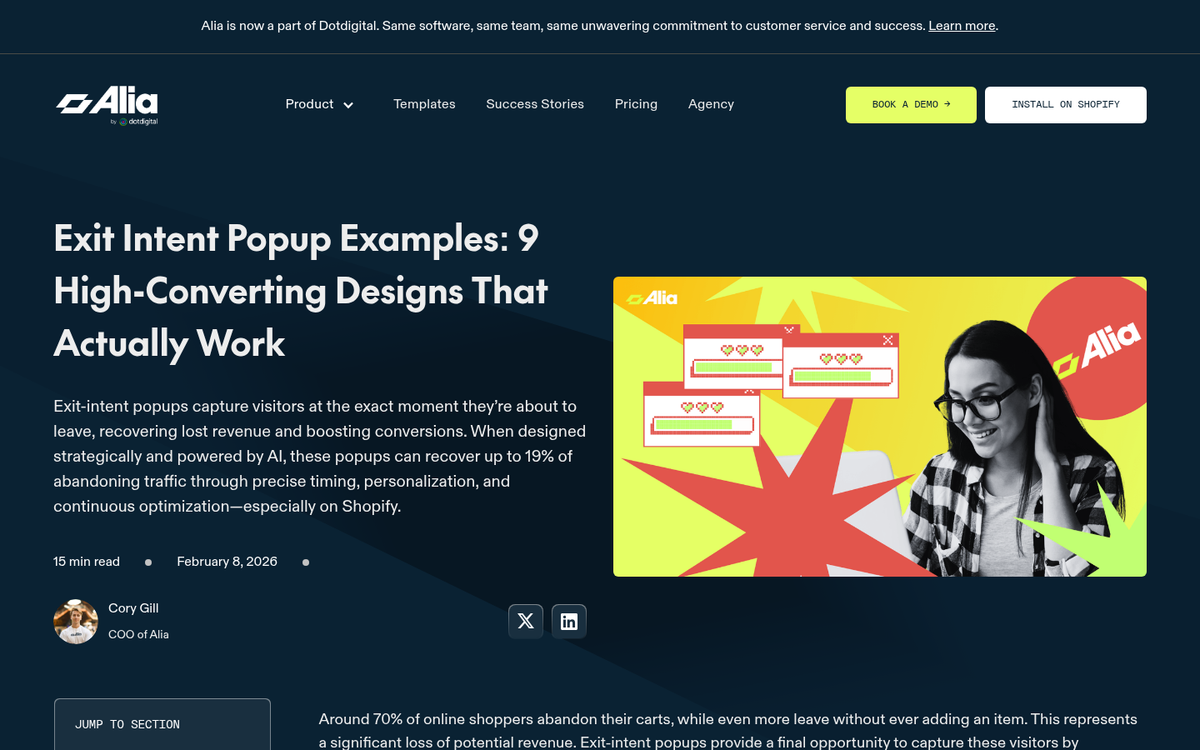
In today's landscape, AI tools have made it easier to personalize these offers. Rather than showing every departing visitor the same generic pop-up, you can now serve different incentives based on what content they viewed, how long they stayed, or where they came from. The more relevant the offer, the more effective the CTA.
15. "Do you love having low sales and negative reviews? If not, click here to find out how to get rid of them."
This is what I call the reverse psychology CTA. Rather than promoting yourself directly, you surface a pain point your reader is likely experiencing and immediately offer a way out. You're not putting anyone down - you're naming a frustration they already have and positioning yourself as the answer.
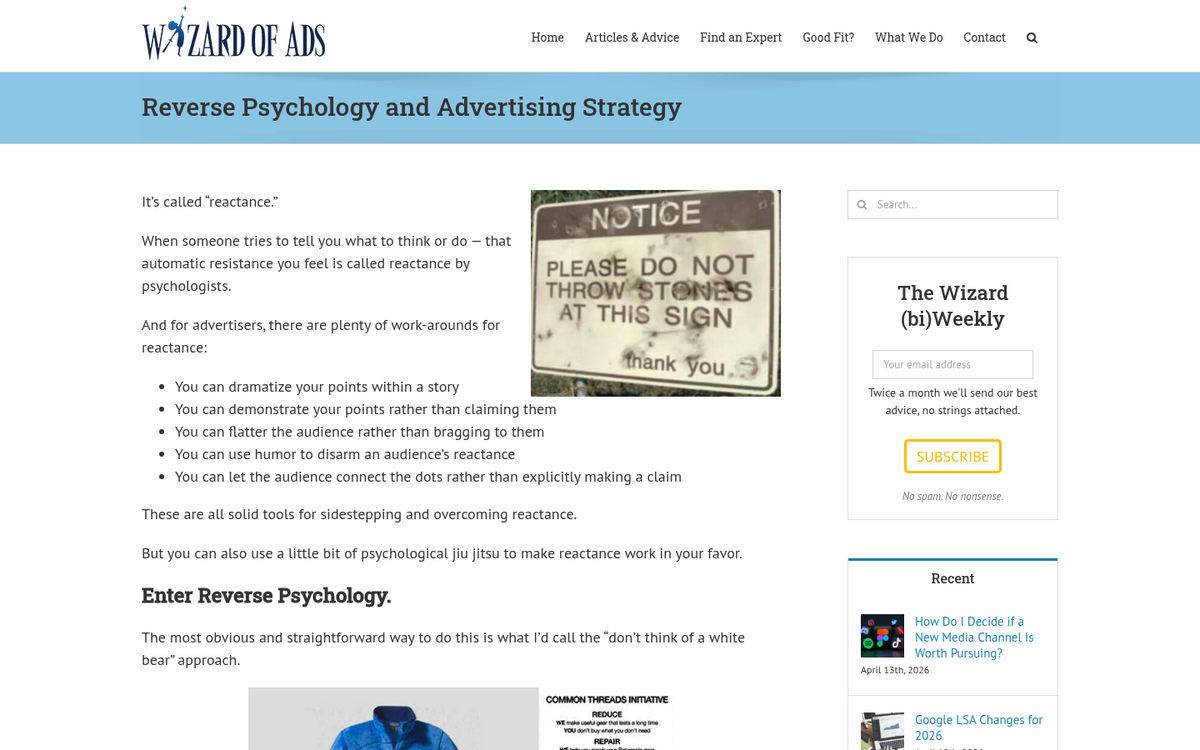
It works best when used sparingly and paired with content that directly addresses the problem. If readers landed on your post because they're struggling with low sales or poor reviews, this CTA meets them where they are. Be careful not to lean too hard into negativity - the goal is empathy and problem-solving in your content strategy - not shame. Keep it light, keep it relevant and make the answer feel easy to reach.