Key Takeaways
- Place prominent shop buttons, hello bars, and exit-intent popups strategically to convert readers into buyers without overwhelming them.
- Capture undecided visitors via email subscriptions using lead magnets, content upgrades, and AI-personalized opt-in offers tied to specific content.
- Use heat maps and split testing to identify where attention lands and optimize CTAs and landing pages accordingly.
- AI-powered chat assistants and product recommendation engines can personalize the shopping experience and significantly increase conversions in real time.
- Retargeting past visitors through Google remarketing, social ads, and personalized email sequences remains one of the highest-ROI re-engagement strategies.
You've got your storefront set up. You've got a blog up and running, and you've been posting to it regularly. You're seeing traffic coming in, and you're ranking in the top few results on Google's search for your keywords. You've even had some success with running ads.
Now it's time to kick things into high gear. You want to take this success and swing it directly into profits. Get this traffic to actually buy something! Here are my tips - updated for 2026, where AI has fundamentally changed how smart store owners convert traffic.
Get Sales Directly
First up, let's talk about ways you can convert your traffic directly from your site into purchases. You're going to want to have a good number of these implemented, though if you have too many little widgets and pop-ins you might annoy some users.
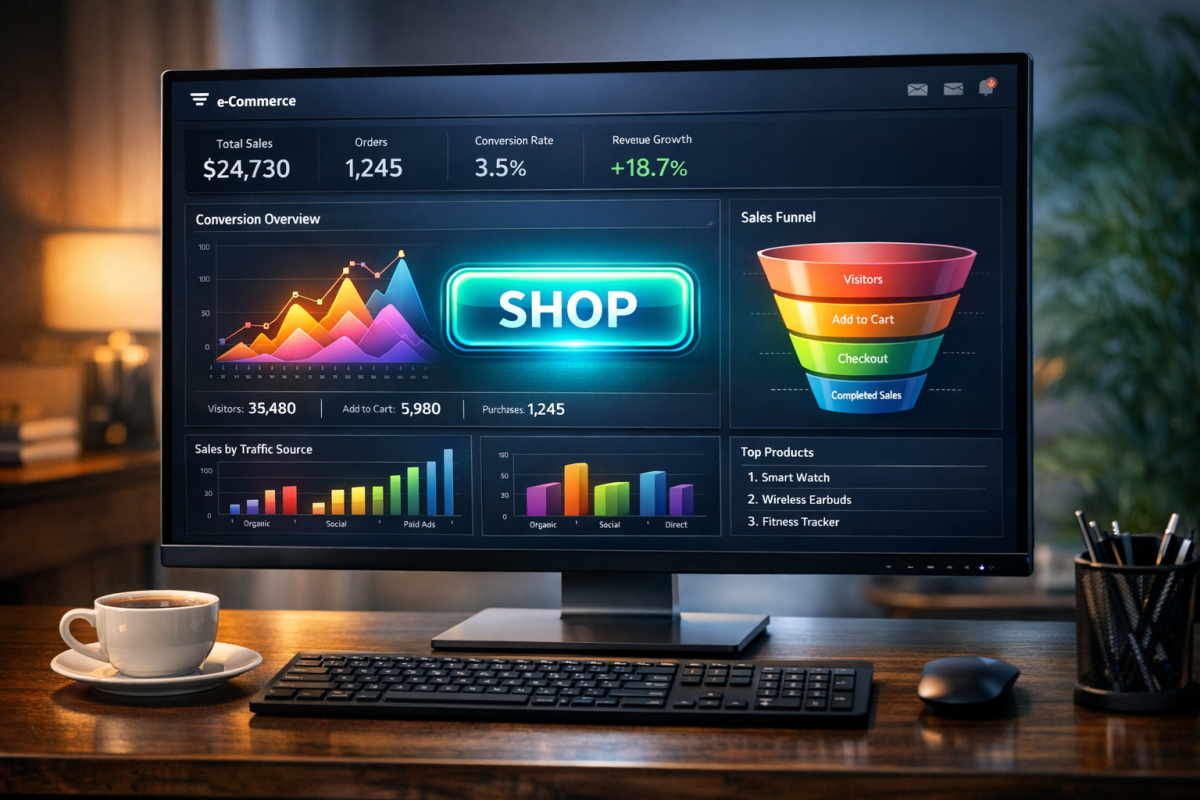
Test them to figure out which ones work best for you.
- Put a shop button in your navigation. A nice big shop button, preferably in a color that stands out, is pretty much essential. If your traffic doesn't know you have a shop - and you'd be surprised how many people will miss a simple button that doesn't stand out - you'll lose a lot of possible conversions. Don't forget to optimize that button.
- Use a hello bar to promote a deal. You've seen a hello bar before; it's that banner that appears at the top of a page when you arrive. You don't have to use the Hello Bar brand specifically, though; there are plenty of alternatives offering similar sticky-banner functionality. The key is to have a compelling call to action in that bar.
- Use an exit intent pop to promote a product. Exit intent pop-up lightboxes remain very effective. They interrupt a user who's about to leave and can capture a conversion simply by presenting an offer the user hasn't seen yet. It doesn't even necessarily need to be a special offer, though that can definitely help.
- Use a large CTA box at the end of posts. A lot of blogs put a big box at the bottom of their blog posts, typically above the comments and sometimes above the related post boxes. This acts as a call to action for users who make it through the full post, and can be very effective for the right offers.
- Use a heat map to identify hot spots for attention. Heat maps can show you where users are looking and clicking on your site, giving you valuable insight into how people are actually using your pages. Tools like Hotjar or Microsoft Clarity (which is free) are great options. Look for opportunities to place new calls to action, buttons, and offers where they'll naturally get attention.
- Use split testing to try different landing pages and CTAs. Split testing is hugely important for making the most out of every visitor you get. Here's a good guide on split testing landing pages, which can give you ideas for other testing you can do as well.
- Give users fewer choices for what to do. Sometimes less is more. Ever heard of decision paralysis? If a user has too many choices, they often make no choice at all. Instead, funnel your users toward a single action - your landing page or product page. This is harder to do with blog posts, but easy with dedicated landing pages.
- Make use of social proof to encourage sales. "150,000 customers can't be wrong" - that element of social proof on your landing page can definitely help convince a hesitant buyer that you're the real deal. Reviews, testimonials, case studies, and trust badges all contribute here.
- Capture FOMO with urgency and scarcity signals. Showing real-time purchase notifications, countdown timers, or low-stock warnings can nudge hesitant buyers into action. This works best with limited quantity products or time-sensitive offers, and there are plenty of WordPress plugins and Shopify apps that handle this natively now.
- Add an AI chat assistant to guide buyers. This is one of the biggest conversion opportunities of 2026. AI-powered chat tools - like those built into Shopify or standalone tools like Tidio AI or Gorgias AI - can answer product questions, recommend the right item based on a user's needs, and even close sales in real time, 24/7, without you lifting a finger. Shoppers who get their questions answered instantly are dramatically more likely to convert than those who leave to find the answer elsewhere.
- Use AI-powered product recommendations. Gone are the days of simple "customers also bought" widgets. Modern AI recommendation engines analyze browsing behavior, purchase history, and session data to surface highly relevant products at exactly the right moment. Tools like Rebuy (for Shopify) or LimeSpot dynamically personalize what each visitor sees, lifting average order value and conversion rates simultaneously.
- Write content that draws people in. The more people you have coming to your site, the more people will become paying customers. Growth is the name of the game, and by writing content that establishes you as an authority - and targets the right search intent - you can attract both more visitors and more trust. With AI tools now flooding the internet with generic content, well-researched, genuinely helpful writing stands out more than ever.
Convert Traffic to Subscribers
Sometimes - most of the time, in fact - people on your site aren't going to be ready to make a purchase. They might not have the money on hand, they might need to run it by a boss or a family member, or they might just not want to do it at work or on their phone.
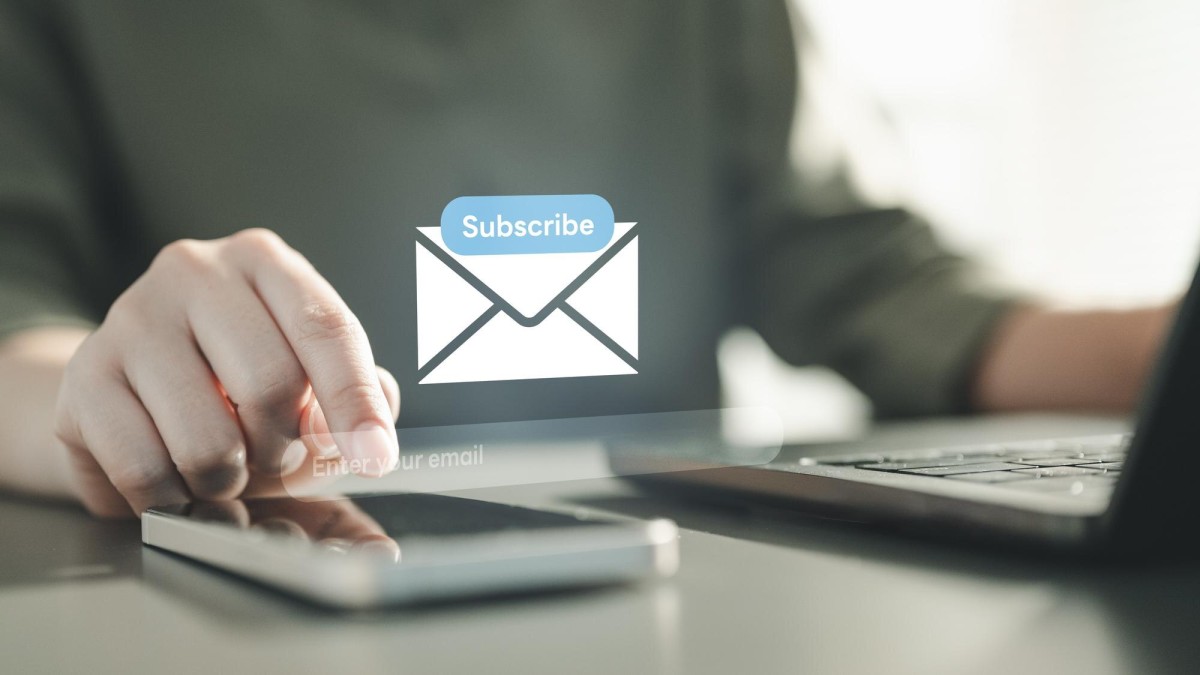
Your job is to capture as much value as you can from these users with a lower buy-in conversion - namely, getting them to sign up for your mailing list. Otherwise, who knows if they'd ever come back?
- Use a slide-in box to promote a mailing list. A slide-in widget can be a great little promotional tool to capture attention from people who make it far enough down your page to trigger it. Just be careful using one in conjunction with too many other widgets - you'll slow your page down and hurt the user experience, which can negatively affect both conversions and SEO.
- Offer a free lead magnet in exchange for a subscription. This is exceedingly common with ebooks and PDF guides, but can also be used to give away free tools, templates, checklists, or other resources. The user pays you with their contact information, which you can then use to bring them back once they've experienced the value you provided. In 2026, AI-generated lead magnets are easy to produce - but the ones that convert best are still the ones that offer genuinely unique insight or tools your audience can't easily find elsewhere.
- Offer "content upgrades" to people who subscribe. You see this a lot on blogs - a post like this one is followed by an offer for a longer, more in-depth guide, a mini-course, or a companion resource. Because the reader already knows they like the content, they're much more inclined to hand over their email address to get more of it.
- Keep users around with related post links. Either manual links within each post or a related posts widget that pulls them automatically - both work well. Keeping users in your ecosystem builds trust and gives them more exposure to your CTAs, making conversion more likely.
- Put a large banner above the fold. Similar to the hello bar but more prominent and persistent, this is common on sites where selling is the primary focus and the blog is secondary. Dedicating the top section above the fold to a rotating or static CTA keeps your offer front and center for every visitor. Just be mindful of how many ads and banners you put on your blog before it starts to hurt the reader experience.
- Use AI to personalize your opt-in offers. Newer email platforms like Klaviyo and ActiveCampaign now use AI to dynamically adjust which opt-in offer a visitor sees based on the page they're reading, their referral source, or whether they've visited before. Showing someone a highly relevant lead magnet tied to the exact topic they're already reading about is significantly more effective than a one-size-fits-all popup.
Convert Traffic to Social Followers
Just like you want to get people to subscribe to your mailing list, you want to get people to follow you on social media. Typically either one works, and getting both is a bonus.
Plus, you can engage with your social followers to bring them back repeatedly.
- Use floating social media share buttons. Giving your users a quick way to share your content - or find your social profiles - at any point while they're reading is easy to implement and consistently useful. A floating tray of share buttons keeps your social presence accessible without interrupting the reading experience.
- Embed social posts in blog posts. Most major platforms allow you to embed posts directly into your blog content, which is a great way to highlight something relevant you've shared recently. Use it contextually and consider keeping screenshot backups, since embedded posts can disappear if the original is deleted.
- Embed a social media feed widget. You can embed a feed from platforms like Instagram, TikTok, or Pinterest in a sidebar or footer to show visitors you're active and give them a taste of what they'd see if they followed you. It's a low-friction way to showcase your social presence without asking for anything upfront.
- Encourage social follows with exclusive content or giveaways. Using an app like Gleam is great for tying together your website and social media. You can run contests and giveaways that require both site visits and social interaction as entry options, encouraging people to engage across all your channels at once.
- Use a social locker widget. Social lockers can be worth testing - you lock a bonus resource or extended content behind a social follow or share action. The key is making whatever's behind the lock genuinely worth the ask, otherwise users will simply leave rather than engage.
Get Your Traffic to Come Back
All that traffic you've been capturing as subscribers and social media followers needs to pull its weight. Otherwise, why bother maintaining those profiles at all?
Here are tips to get those followers to come back and convert.
- Run ads on social media targeting your existing audience. This is one of the easiest kinds of social media ads to run, since you already know your audience. You can also use tracking pixels - Meta's Pixel, TikTok's Pixel, and others - to retarget people who visit your website across multiple platforms. Different audiences require different messaging, so tailor accordingly.
- Run Google remarketing campaigns. Google Ads can target people who have previously visited your site, reaching them across Search, YouTube, Gmail, and the broader Display Network. Reminding past visitors about a product they viewed or a deal they nearly took advantage of is one of the highest-ROI ad strategies available. If you want to explore calculating the ROI of your blog content, it's worth understanding how remarketing fits into the bigger picture.
- Link to posts, offers, and deals from your social profiles regularly. Make use of those social media followers by consistently reminding them that you have a site and products worth checking out. Just avoid being too overtly promotional - most platforms algorithmically deprioritize posts that feel like pure sales pitches, so mix in genuine value.
- Make your newsletter worth reading. Remember all those steps that got people to sign up for your newsletter? You need to make that newsletter worth opening. Pack it with real value - not just upsells. A weekly digest, exclusive tips, behind-the-scenes content, or subscriber-only deals all give people a reason to stay subscribed and keep opening. AI tools can now help you write and personalize these emails at scale, but the human voice and genuine insight is still what makes people actually look forward to your emails.
- Use AI to personalize your email sequences. Modern email platforms now allow you to trigger highly targeted follow-up sequences based on exactly what a subscriber did or didn't do - which products they viewed, which emails they opened, how long they've been on your list, and more. Automating emails to your blog subscribers has never been more powerful, with platforms like Klaviyo leaning hard into AI-driven flows that automatically adjust timing, messaging, and offers for each individual subscriber, which dramatically improves re-engagement rates compared to sending the same blast to your entire list.
- Send lapsed customers reminders or special offers. Subscribers who haven't opened your emails in a long time should eventually be removed from your list to protect deliverability, but not before you give them one last re-engagement sequence. Customers who haven't purchased in a while can be nudged back with a well-timed, personalized message or exclusive returning-customer discount.
- Optimize for AI search and answer engines. This is brand new territory that didn't exist even two years ago. A growing share of shoppers in 2026 are using AI tools like ChatGPT, Google's AI Overviews, and Perplexity to research products before buying. If your content answers specific product questions clearly and authoritatively, it's more likely to be cited or recommended by these tools - driving a new stream of high-intent traffic that's primed to convert. Structure your content with clear headings, direct answers, and factual specifics to maximize your chances of appearing in AI-generated responses. Using content title idea generators can also help you craft headings that align with the kinds of questions people are asking these AI tools.
What about you guys and gals? What are your favorite tips for converting your blog traffic? Come up with something clever and I might just add it to the list.