




As a website owner or manager, you may have started hearing terms like AIO (AI Overviews) and AEO (Answer Engine Optimization) and wondered what they actually mean for your site and your content strategy. Conversational queries sit right at the heart of both. When AI-powered search tools and voice assistants pull answers to serve users directly, they are usually responding to questions phrased in this longer, more natural way.
This page walks you through the term and connects it to the decisions you make about your website every day.
Quick Answer
I need the article content to generate an answer. You mentioned "the article below" but no article text was included in your message. Please share the article content and I'll provide a concise answer based on it.
What Makes a Query "Conversational"
A conversational query is the question you'd ask a friend.
Consider the difference between typing "best pizza NYC" and asking "what's the best pizza place near me that's open right now?" The first is a keyword search. The second is a conversational query - it has context, it has urgency, and it's something a person would actually say out loud.
That distinction matters because the two strategies tell a search engine very different things. A keyword search signals a general interest. But a conversational query tells a situation. The more detail a query has, the easier it is for a search engine or AI tool to figure out what you need.
Voice search played a big part in pushing this change forward. When people started talking to their phones and speakers instead of typing, full sentences became the norm. You don't say "weather London" to your voice assistant - you say "what's the weather like in London today?" That habit has carried over to text-based searches too, which have grown longer and more natural over time.
Chatbots and AI assistants have pushed this even further. Tools like AI chat interfaces are built around conversation, so users write to them the way they'd write to a person. That has trained people to phrase their searches differently - even when they head back to a traditional search engine. This shift is closely tied to the rise of zero-click search, where users get answers without ever clicking through to a website.
| Keyword Query | Conversational Query |
|---|---|
| best pizza NYC | What's the best pizza place near me open right now? |
| flight deals Miami | How do I find cheap flights to Miami in December? |
| headache remedy | What can I take for a headache without a prescription? |
At its core, a conversational query aligns with how people actually think and speak - and that's what sets it apart from traditional search input.
How AI and Search Engines Interpret Conversational Queries
When someone types a natural, full-sentence question into a search bar or asks an AI assistant something out loud, quite a bit happens silently before any result appears. The technology at the center of this is natural language processing, or NLP.
That distinction matters more than it might feel. Two people can ask about the same thing in different ways, and a system built on keyword matching alone would treat those as separate topics. NLP lets AI tools group those questions together because it reads for meaning and context instead of exact phrasing.
Is the user trying to learn something? Buy something? Compare options? Find a local service? A search engine that gets the intent right can point the user to what they need. One that gets it wrong sends them somewhere irrelevant.

According to Salesforce, 69% of service agents use NLP tools to automatically convert customer requests into structured answers. That tells you something about why it matters: businesses are already betting on this technology to manage conversations at scale.
Search engines like Google have moved in the same direction. Updates like BERT and MUM were built to help Google read full sentences the way a person would instead of scanning for specific keywords. These updates changed how pages get matched to queries because they changed how intent gets read.
When AI misreads the intent behind a conversational query, the result is a bad match between what was asked and what the user receives. For a user that's just frustrating. For a website, it can mean missing out on traffic that should have been theirs. The intent layer is where the work happens, and it's where the difference between a well-optimized page and an ignored one can quietly grow.
Why Website Owners Should Care About Conversational Search Behavior
This shift matters to website owners. When someone asks an AI chatbot a question and gets a full, satisfying answer, they don't need to click anything. No visit. No page view. No conversion opportunity. It's not a hypothetical - it's happening at scale right now.
Juniper Research found that 75% of queries handled by AI assistants get resolved without any human intervention at all. That means three out of four questions get answered before a user ever has a reason to visit a website. If your content is the source but the AI is the delivery mechanism, you get the effort without the traffic.
The type of queries involved matters too. OpenAI data showed that informational searches grew from 14% to 24% of total query volume in a pretty short window. Informational searches are the thing website owners have traditionally relied on to bring in organic traffic. People asking "how does this work" or "what's the difference between X and Y" used to land on blog posts and resource pages. Now they land in a chat window and leave satisfied.
A lost click carries a cost - it's a missed chance to build brand familiarity, collect an email address, or move toward a buy. A user who gets their answer from an AI and never visits your site doesn't know you helped them.
This creates a tension for content creators. Writing content that AI systems can use is what gets you referenced and surfaced. But being referenced doesn't automatically translate to being visited. The two results used to be the same thing and now they're not. Understanding how to bring a website back to life when traffic patterns shift is increasingly relevant in this environment.
Website owners who understand conversational query behavior are in a much better position to adapt their content strategy around this reality. The old rules aren't gone. But the game has added new layers that reward a different kind of thinking.
The Role of Conversational Queries in AEO and AIO Strategy
Both AEO and AIO are built around one core idea: give a direct, helpful answer as fast as possible. Conversational queries are what make that possible because they carry enough context for an AI tool or search engine to know what the user actually needs.
| Strategy Type | What It Targets | How Conversational Queries Fit |
|---|---|---|
| AEO (Answer Engine Optimization) | Featured snippets, AI answers | Optimizing content to directly answer natural-language questions |
| AIO (AI Optimization) | AI-generated responses | Structuring content so AI tools surface it as a reliable source |
The table above shows two different goals but the same entry point. A person types or speaks a full question and an AI tool needs somewhere to pull an answer from. Your content is either structured to be that source or it gets passed over.
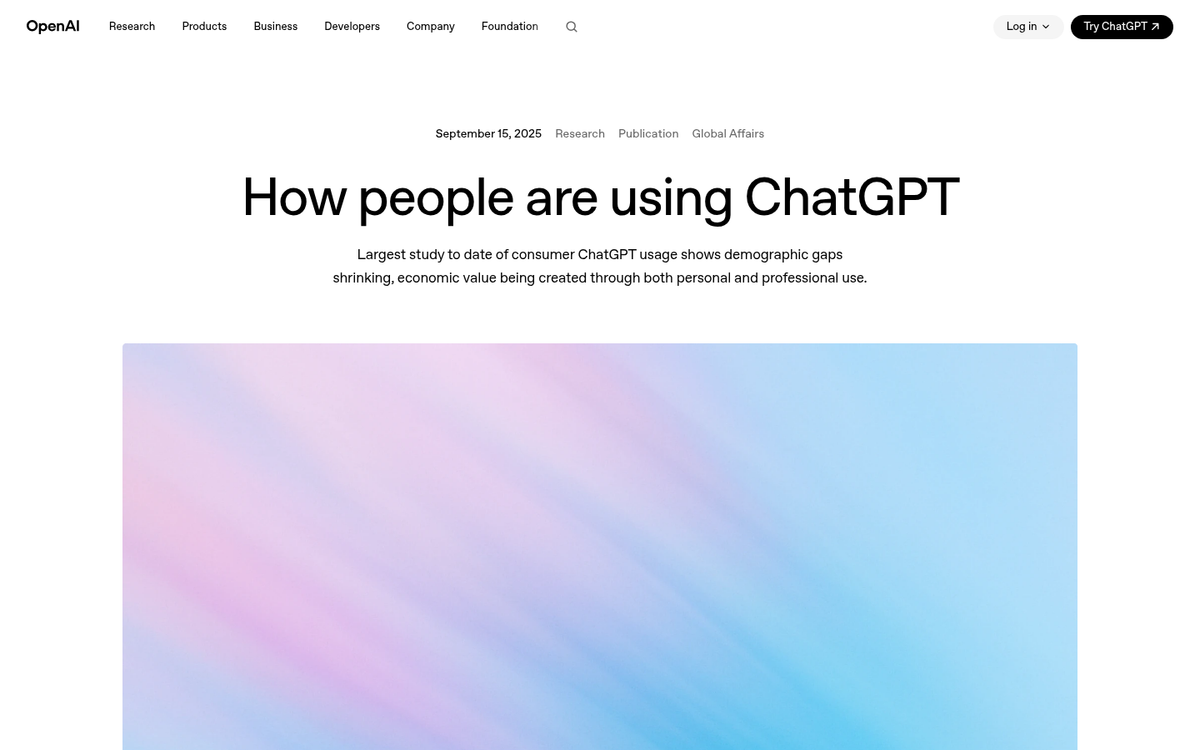
Content written for AEO should answer a question the same way a knowledgeable person would answer it out loud. That means using the language your audience uses and putting the answer near the top instead of burying it at the end of a long introduction. Short, direct replies to questions tend to get picked up as featured snippets or quoted in AI-generated summaries. You can use an AEO content grader to see how well your pages are set up to earn those placements.
AIO goes a step further. You want to be a source that AI tools return to across multiple related queries, which happens when your content is well-organized, factually grounded, and written in a way that maps closely to how people phrase their questions.
Consider whether your content is written for a search engine crawling keywords or for a person asking a question. Those two things used to look similar but they don't anymore. AI tools are now smart enough to tell the difference. It is also worth thinking about how you handle nofollow on your blog posts so your internal and external linking signals stay clean as you build out your AEO and AIO content strategy.
Common Conversational Query Patterns and What They Signal
Most conversational queries fall into a small number of recognizable patterns. Research from OpenAI found that helpful input, information gathering and writing tasks make up around 77% of ChatGPT conversations. That tells you quite a bit about what people actually want when they try AI.
Each query pattern tells something different about where a person is in their thinking. Someone asking "how do I fix my boiler pressure" is ready to take action. Someone asking "what's the difference between a heat pump and a gas boiler" is still weighing things up.
Here are the main patterns to watch for and what they tell you about intent.
"How do I..." and "How to..." queries signal that someone wants a path to a result. They know what they want to achieve and they need input to get there. That's your chance to be the most helpful, direct voice in the room.
"What's the difference between..." queries come from people who are comparing two or more things. They haven't made a choice yet and they're trying to understand trade-offs. Content that gives a balanced comparison works here - much like comparing tools such as Buffer vs Hootsuite for cost and effectiveness.
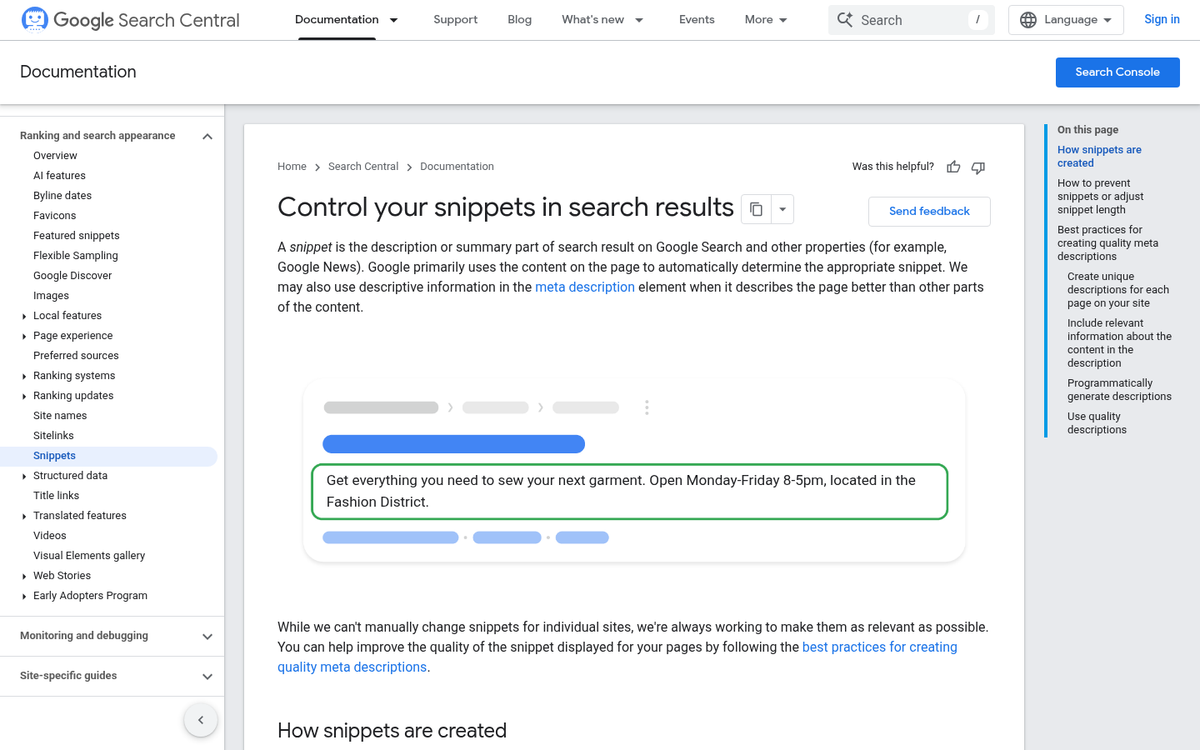
"Which is better for..." queries are a step further along. The person has context about their own situation and wants a recommendation that fits it. These queries are a sign that someone is close to a choice, similar to readers asking about which platform is better between two competing options.
"What is..." and "What does... mean" queries are purely about understanding something. The user isn't ready to act yet and they're building a foundation of knowledge first.
"Can I..." and "Is it possible to..." queries signal uncertainty. People asking these questions want reassurance or a straight yes or no before they move forward.
When you look at your own content, it's worth thinking about which of these patterns your pages actually address. A page that only explains what a product is won't connect with a person who's already past that stage and asking which version is right for them.
Structuring Your Content to Match Conversational Intent
Once you know how to phrase conversational queries, the next step is to make sure your content aligns with that - this doesn't mean rebuilding your site from scratch. A few targeted changes to how you write and format content can make a difference.
Start with your headers. Instead of writing "Refund Policy," try "How do I get a refund?" That small difference mirrors the way a person would ask the question and makes it far easier for search engines to match your content to a conversational query - it also helps readers scan your page and find what they need faster.
The structure that works best is a short, direct answer first - then the detail. Give the answer in one or two sentences, then follow up with context for anyone who wants to go deeper. Bank of America's virtual assistant Erica is a helpful benchmark here - it resolves around 98% of user queries in roughly 44 seconds, which shows what it looks like to answer well and fast at scale. Your written content can follow the same logic.
FAQ sections are one of the most helpful tools you have. They map directly to conversational query patterns and give you a natural place to use question-based headings with focused answers underneath. If you haven't built one, it's worth doing. You might also want to scan your posts for spelling errors while you're making updates, since clean writing reinforces credibility with both readers and search engines.
Content Adjustments to Make Right Now
Here are some concrete changes to put into action on your site.
- Rewrite at least a few page headers as full questions using natural language.
- Lead each answer with a direct one or two sentence response before expanding.
- Add or update an FAQ section to reflect the questions your audience actually asks.
- Use plain, everyday language - the kind you'd use to explain something to a friend.
- Check that your meta descriptions answer a question rather than just describe a page.
None of this needs to happen overnight. Pick one page and apply these changes to see how it performs, then bring your team up to speed as you work through the rest of your site.
Making Your Content Ready for the Way People Actually Ask Questions
A good place to start is closer than you might think. Pull up your FAQ page, your service pages, or your most recent blog posts and read them the way a curious person would - not a search engine. Are the questions phrased the way a person would ask them? Are the answers direct, confident, and easy to parse in seconds? If the content sounds more like it was written for a crawler than a conversation, that's your opening to make actual improvements that will compound over time. Check out these tips to make your blog posts more effective and start closing that gap.
FAQs
What is a conversational query?
A conversational query is a full, natural-language question typed or spoken to a search engine or AI assistant, such as "What's the best pizza place near me open right now?" Unlike short keyword searches, conversational queries include context and intent, mirroring how people actually speak.
How do conversational queries differ from keyword searches?
Keyword searches are short and general, like "best pizza NYC." Conversational queries are longer, more specific, and reflect a real situation or need. Search engines and AI tools use this extra context to better understand what the user actually wants.
Why should website owners care about conversational search?
AI tools often answer conversational queries directly, meaning users never visit a website. This reduces traffic, page views, and conversion opportunities. Website owners who understand this shift can adapt their content strategy to remain visible and relevant in AI-powered search environments.
How do AEO and AIO relate to conversational queries?
AEO (Answer Engine Optimization) and AIO (AI Optimization) both rely on conversational queries as their entry point. Content optimized for these strategies is structured to directly answer natural-language questions, making it more likely to be surfaced by AI tools and featured snippets.
How can I structure content for conversational queries?
Rewrite headers as natural questions, lead with a short direct answer before expanding, and build FAQ sections that mirror how your audience actually asks questions. Using plain, everyday language also helps search engines and AI tools match your content to relevant conversational queries.