




For AI-powered answer engines like Google's AI Overviews, ChatGPT, or Perplexity, this process happens constantly and at scale. That means they depend heavily on contextual tells, structured data, and the wider web of information surrounding your brand, product, or content to have figured out who or what you are - and if you're worth surfacing in a response.
If you manage a website, entity disambiguation can directly affect whether AI systems understand your brand enough to reference it accurately. A business with a common name, a niche that overlaps with other industries, or a thin business website is far more likely to be misidentified - or ignored entirely - by these systems. The good news is that there are concrete steps you can take to help AI engines disambiguate your entity correctly.
This glossary entry breaks down what entity disambiguation means in practice, why it matters for Answer Engine Optimization (AEO), and how you can strengthen your site's tells so AI systems can find out who you are.
Quick Answer
Entity disambiguation is the process of determining which specific real-world entity a mention in text refers to when multiple possibilities exist. For example, "Apple" could mean the tech company or the fruit, and "Paris" could refer to the city in France or a person's name. It typically involves analyzing surrounding context, linking mentions to a knowledge base (like Wikipedia or Wikidata), and resolving ambiguity using semantic similarity, co-reference, and contextual clues. It is a core task in natural language processing and information extraction.
How AI Answer Engines Use Entity Disambiguation to Understand Your Content
AI answer engines do more than read words - they try to map those words to real-world entities stored in knowledge graphs like Google's Knowledge Graph or Wikidata.
The word "Apple" is an example to work with here. That single word could point to a piece of fruit, a record label, or one of the world's largest technology businesses. If you don't have extra context, an AI system has to make a judgment call about which entity you mean - it uses tells from the surrounding text, your site's topic, and known relationships between entities to land on an answer.
This process of connecting a word to a known entity is entity disambiguation in action. The AI is basically asking which version of this thing the content is about, and it does that across every entity on your page - places, products, organisations, and more.
When that process goes wrong, the consequences are worth noting. Your content about Apple's latest MacBook could get interpreted in the wrong context if the page doesn't have enough tells. That means your content might not appear in relevant answers, or worse, it gets connected with the wrong topic entirely.
Large language models go a step further than older search systems. They don't look for keyword matches - they build a semantic map of your content and check it against what they already know about the world. An entity that appears in their training data with strong associations will get resolved confidently. An entity that's vague, ambiguous, or poorly supported on your page may get skipped or misread.
That is why the words around an entity matter just as much as the entity itself. If your page mentions "Jobs" without enough context, an AI might connect it to employment instead of to Steve Jobs. Strong contextual tells - related names, dates, industries, and descriptions - help AI systems land on the right interpretation and attribute your content accurately. This same principle applies to how Google interprets signals on your pages, including metadata and structural cues that shape how your content is understood.
Structured Data Markup and Its Role in Resolving Entity Ambiguity
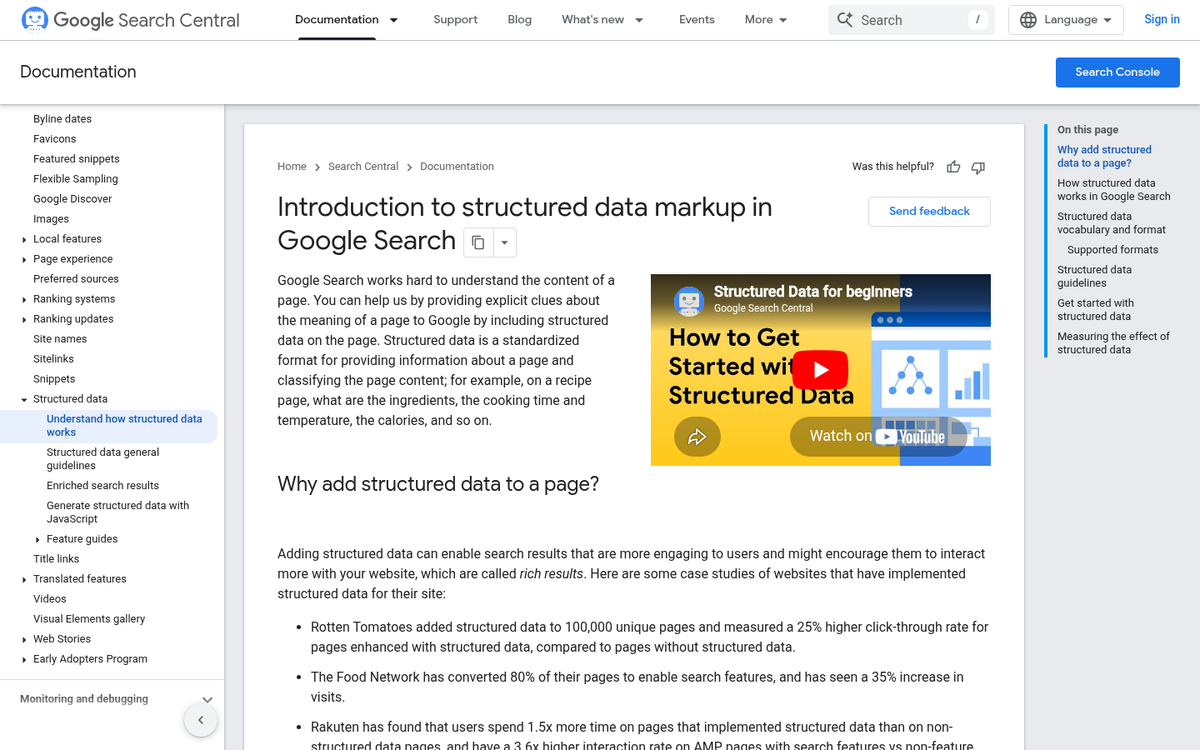
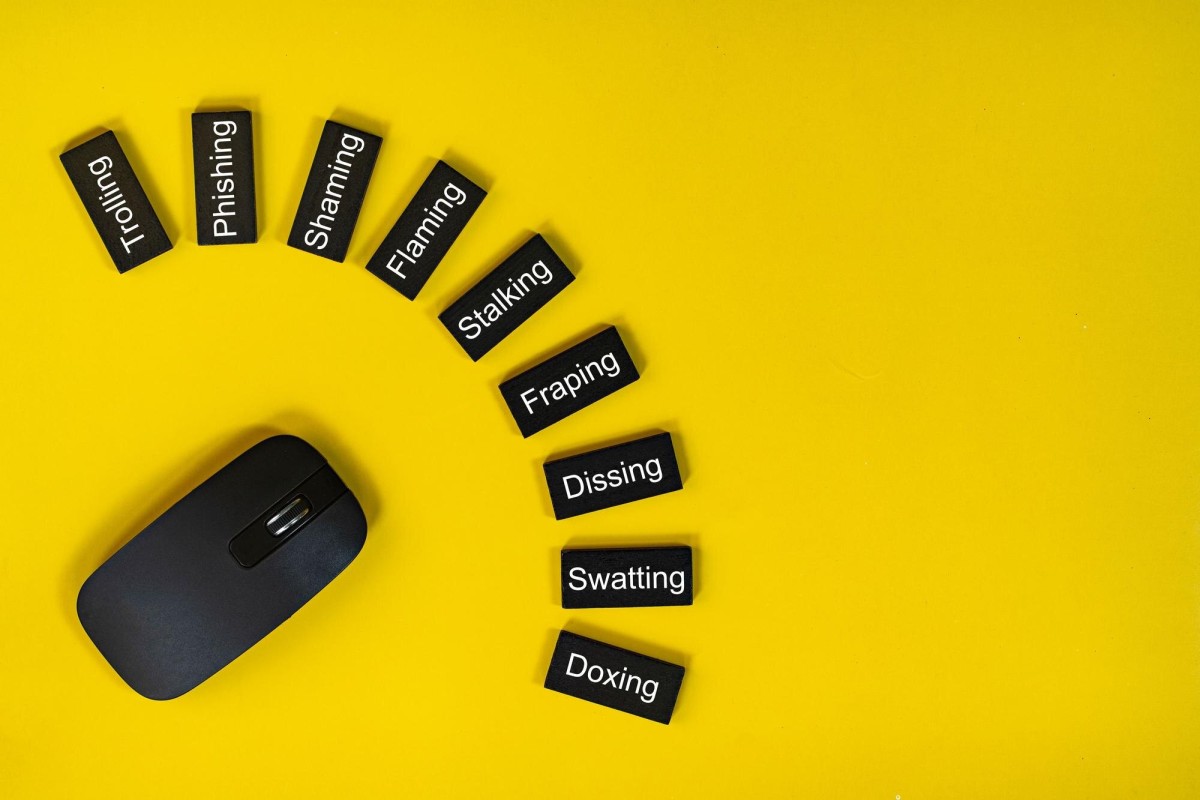
One of the most direct ways to tell AI systems who or what your content is about is structured data markup. Built on the Schema.org vocabulary, it lets you attach machine-readable labels to your content so an AI doesn't have to guess.
Without structured data, an AI reads your page and draws its own conclusions about the entity involved. With it, you're giving the AI a declaration - this is an Organization, this is a Person, this is a Product - and backing that up with supporting facts like names, URLs, and identifiers.
The most used schema types for entity disambiguation are Organization, Person, LocalBusiness, and Product, and each one carries different properties that help an AI connect your entity to an established record in its knowledge base. A Person schema with a name, job title, and link to a verified profile is far more helpful than a bio paragraph on its own.
| Schema Type | What It Clarifies | Example Use Case |
|---|---|---|
| Organization | Distinguishes a business entity from a person or place with a similar name | A software company named "Apex" separating itself from other entities called Apex |
| Person | Identifies an individual by name, role, and associated credentials | An author page for "James Cook" that isn't about the historical explorer |
| LocalBusiness | Anchors an entity to a physical location and service area | A plumbing business in Austin, TX distinguishing itself from similarly named businesses in other cities |
| Product | Separates a specific item from generic category terms | A product page for "Nova Gel Pen" made clear as a distinct SKU rather than a general pen type |
Adding a sameAs property is especially helpful here - it lets you link your entity to external references like a Wikipedia page, a Wikidata entry, or an official social profile. That connection gives AI systems a way to cross-reference your entity against sources they already trust.
You don't need to mark up every page on your site. Focus on the pages that introduce or describe your core entities - your about page, author bios, product pages, and location pages. Those are the places where disambiguation matters most.
Signals Beyond Schema That Strengthen Entity Clarity
Structured data does heavy lifting. But it doesn't work alone. AI systems and search engines cross-reference other tells to confirm which entity they're dealing with, and inconsistency across those tells creates doubt.
One of the easiest tells is NAP data - your Name, Address and Phone number. When these things appear in different formats across directories, review sites and social profiles, it can become harder for automated systems to confidently match the references to a single entity. A business listed as "ABC Consulting LLC" in one location and "ABC Consulting" in another isn't automatically treated as the same entity.
Anchor text patterns matter too. When other websites link to you using steady, descriptive language - your brand name, your location, your specialty - it reinforces a coherent picture of who you are. Random or mismatched anchor text across inbound links can dilute that picture instead of build it.
Internal linking plays a supporting role that's often underestimated. When your own site links between pages in a way that ties your brand name to your products, your location and your services, you're basically building a web of context that helps crawlers map your entity more accurately. Getting listed across free directory submission sites with high PR can also reinforce that consistent entity footprint.
Why Wikipedia and Wikidata Still Matter
A presence on Wikipedia or Wikidata gives AI systems a structured, neutral reference point to anchor your entity to. Not every business qualifies for a Wikipedia article. But Wikidata entries have a lower bar and can still connect your entity to a wider knowledge graph. If you're eligible, it's worth pursuing.
Brand mentions across authoritative sources work in a similar way. When respected publications reference your brand name in context - even without a link - those co-occurrences help systems understand what your entity is about and confirm its legitimacy.
A helpful question worth sitting with: how consistent is your brand's entity footprint? Check how your name appears across your Google Business Profile, industry directories, social accounts and press mentions. Look at whether the language used to describe you lines up or fragments into different versions of your identity.
The more coherent and consistent your entity looks across the web, the less room there is for an AI system to get it wrong.
Where Entity Disambiguation Breaks Down and What It Costs You
When an AI system cannot confidently identify an entity, it fills that gap with whatever information fits the closest match - and that match is not necessarily you.
A local business that shares a name with a national brand is an example of how this plays out in practice. An AI pulling answers for a search query might attribute the national brand's hours, location, or services to your listing. Your information gets buried or ignored - not because it's wrong, but because the system couldn't tell you apart from a more prominent entity with more tells pointing to it.
Attribution errors like this have a direct cost. If an AI-generated answer references your industry but connects it to a competitor's entity, you lose visibility at the exact moment a possible customer was ready to engage. Visibility in AI-generated answers is not about ranking in a traditional sense - it's about whether your entity gets surfaced at all, and in the right context.
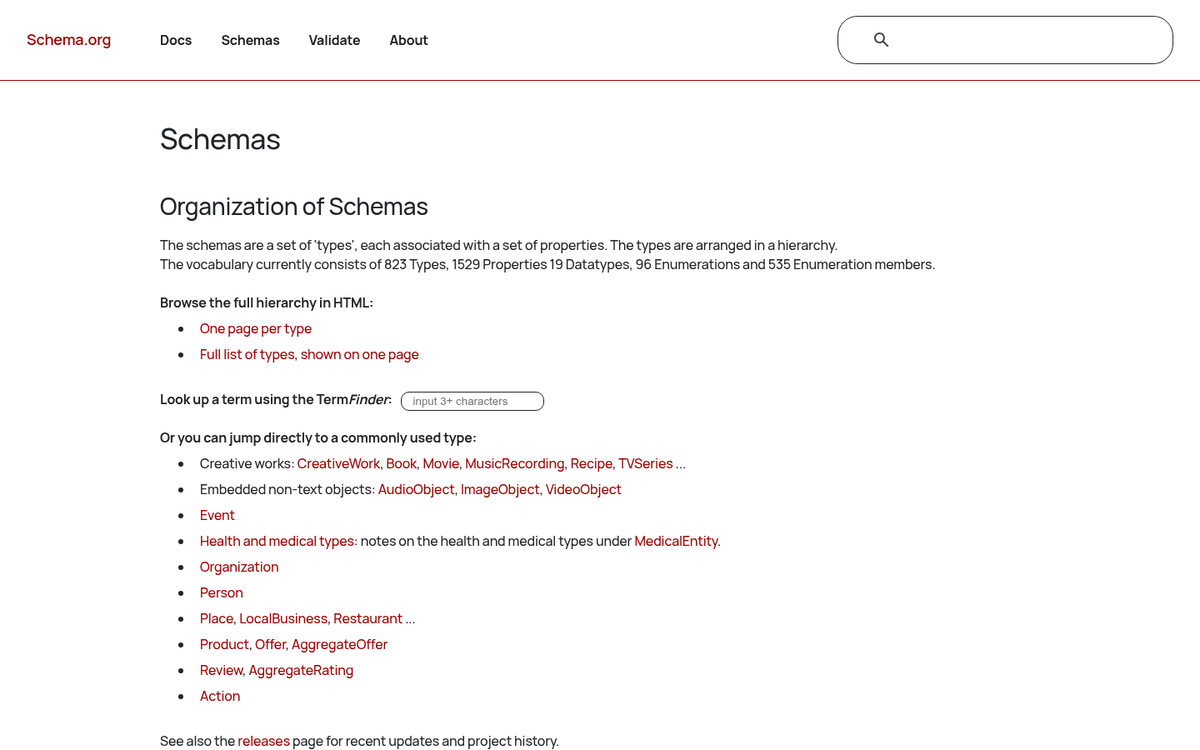
The AI research community takes disambiguation accuracy very seriously. GERBIL, an evaluation framework used to benchmark entity linking systems, has processed over 24,000 evaluations across 46 datasets. That scale reflects how much work goes into getting entity resolution right - and how many ways it can still go wrong across different systems and data sources.
Content attribution is another failure mode worth noting. When your content gets picked up and cited by an AI, the credit may go to a different entity if the system can't confidently connect that content to you. You did the work, but someone else gets the association. This is especially likely when your entity doesn't have enough steady tells across the web, or when your name is generic enough to match multiple entities in a knowledge graph. Understanding how ownership and identity signals are tracked online can help you think through where those gaps might exist.
Context errors are just as damaging. An AI might correctly find your entity but place it in the wrong category or connect it to an unrelated topic cluster. A consultant named after a historical figure, or a brand name that overlaps with a medical term, can surface in the wrong contexts. If you've ever changed a domain or URL structure, recovering your content's attribution signals becomes an added layer of this same challenge.
These failures compound over time because AI systems reinforce patterns. The longer a misattribution sits unchallenged in training data or knowledge graphs, the harder it can become to correct.
Make Your Entity Unmistakable to AI
Here are the three areas that move the needle most:
- Schema markup: Make sure your structured data clearly defines who or what you are, using the most specific entity type available.
- Consistent brand signals: Your NAP data, author profiles, and brand descriptions should match across every platform where you have a presence.
- External entity references: Pursue mentions and links from authoritative sources - Wikipedia, Wikidata, industry publications - that help knowledge graphs connect the dots back to you.
As AI-powered answer engines take on a bigger share of how people find information, being identified as a clear, honest entity is the price of admission. Systems that can't confidently find who you are won't confidently surface what you have to give. The work you put into entity disambiguation is what earns you a seat at that table tomorrow. Go get started at your site with fresh eyes on your blog's link strategy - you could be closer than you think.
FAQs
What is entity disambiguation in simple terms?
Entity disambiguation is the process AI systems use to identify which specific real-world thing a word or name refers to. For example, "Apple" could mean a fruit or a tech company - disambiguation uses context to determine which one is meant.
How does entity disambiguation affect my website's visibility?
If AI answer engines can't confidently identify your brand, they may ignore your content or attribute it to a different entity. This directly reduces your chances of being surfaced in AI-generated answers.
What is the best structured data type for entity disambiguation?
The most useful schema types are Organization, Person, LocalBusiness, and Product. Using the most specific type available, combined with a sameAs property linking to trusted sources like Wikidata, gives AI systems the clearest possible signal.
Why does NAP consistency matter for entity disambiguation?
Inconsistent Name, Address, and Phone data across directories makes it harder for AI systems to confirm multiple references point to the same entity, increasing the risk of misidentification or being overlooked entirely.
Can entity disambiguation errors be permanent?
Not necessarily, but they can compound over time. AI systems reinforce patterns from training data, so a misattribution left unchallenged can become harder to correct the longer it persists across knowledge graphs and indexed sources.