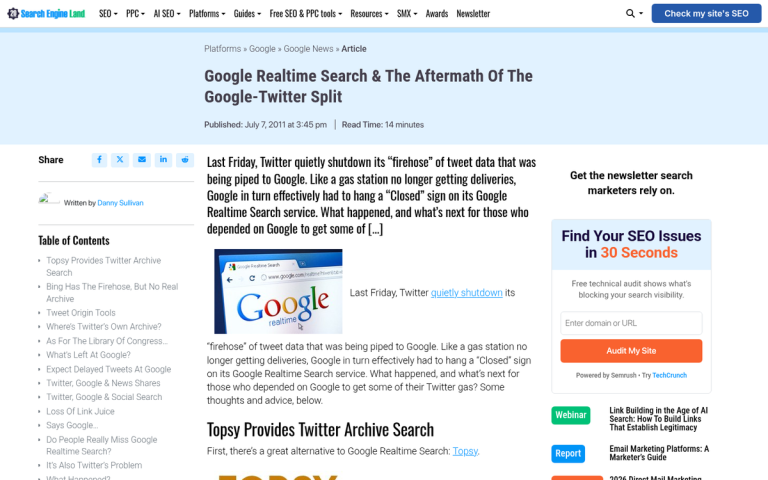
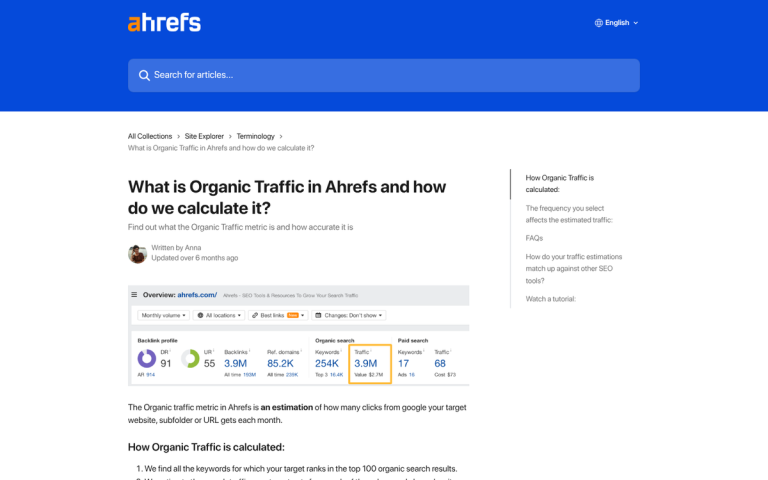
Look, I get it. SEO is a lot of work. There are a million different factors you have to keep in mind at all times. On top of that, the rules are always changing - algorithm updates, AI-generated content flooding the SERPs, and Google's ever-shifting stance on what actually deserves to rank. One day you're riding high on a content strategy that's working, and the next you're staring at a traffic cliff after a core update. Even the best well-intentioned sites get hit from time to time. It's just the nature of the game.
So why not skip the SEO? There has to be a way to succeed without it, right?
Key Takeaways
- Running a site without SEO is possible but costly and labor-intensive, requiring significant money or time investment instead.
- Organic search drives 53% of all website traffic, making SEO avoidance mean ignoring the single largest available traffic source.
- Paid advertising guarantees traffic but stops working the moment you stop paying, making it unsustainable as a sole strategy.
- Email marketing converts at double the rate of other channels and, unlike social media, is an audience you fully own.
- Many non-SEO strategies - readability, quality content, link-building - are actually core SEO principles in disguise.
The Case for SEO
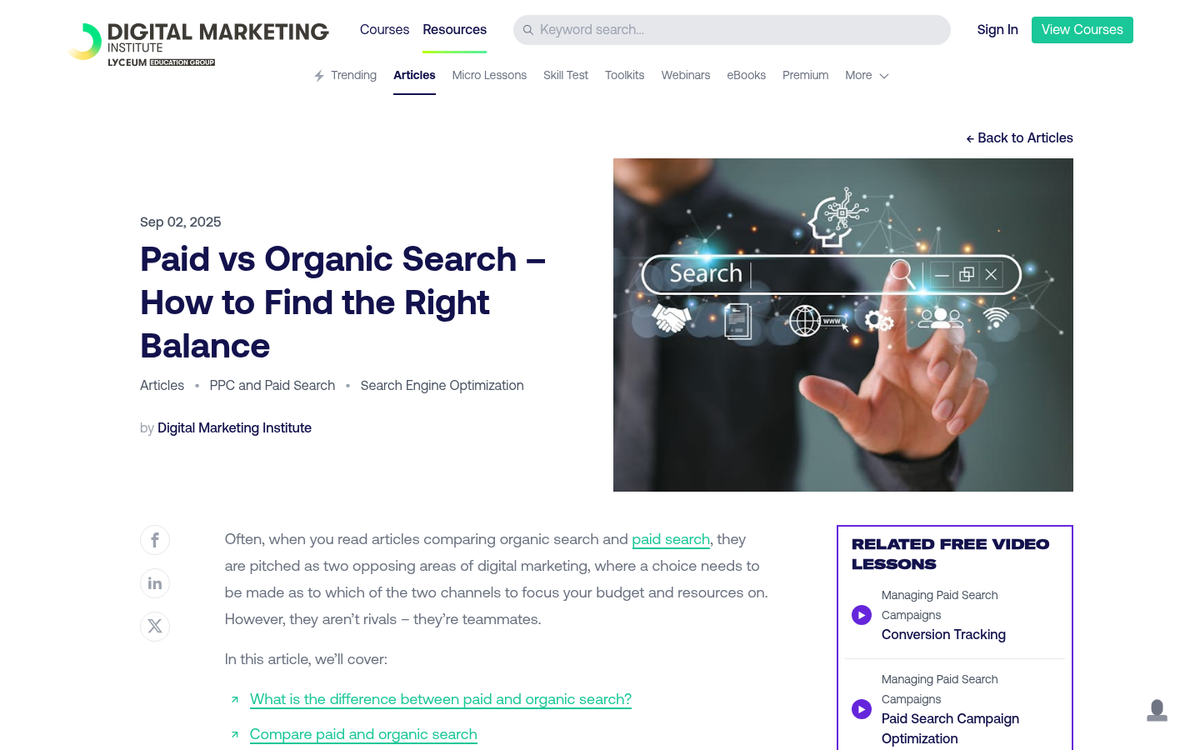
I'm going to start by saying yes, you can run a website without SEO. If you do things right, you can even run a successful site without SEO. However, there are two things to say as huge caveats to this.
- A website without SEO is going to be a lot of work and very expensive.
- You'll never be able to completely avoid SEO, as many principles for SEO are required for alternative methods as well, or are simply tenets of modern communication.
For example, do you proofread your content before you post it? Typo-free content is an SEO factor. Do you break up your content into paragraphs with headings, subheadings, and bullet points? Readability is an SEO factor. Does your site have easy internal navigation? That's an SEO factor. A lot of SEO is just basic common sense.
SEO is a way to turn work into profit without the investment of money. It's the same dichotomy you find everywhere. You can take the time to do something without spending money on it, or you can spend money to save the time. The trick is to find growth strategies that are cheap in both time and money for big results, and to learn where to most effectively spend your budget.
It's also worth understanding just how dominant organic search still is in 2026. 53% of all website traffic comes from organic search, compared to just 5% from paid and 4% from social. If you're deliberately ignoring SEO, you're turning your back on the single largest source of traffic available to you.
SEO and non-SEO growth strategies are two sides of the same coin. You can make do with just one, but by leveraging both, you can have more growth faster. So keep that in mind while you read the rest of this post - ignoring SEO is almost certainly holding you back.
What follows are a series of methods you can use to get traffic to your site without the typical actions we associate with SEO. That means no real attention paid to keyword research, no metadata optimization, and no attention paid to Google's organic search results.
One problem you'll face is that of links. SEO is all about getting Google to rank your site highly for queries related to your content. One of the biggest factors influencing your search ranking is the number and quality of links pointing at your site. However, every single traffic generation method below relies on a link to your site from an external source. This means one of the core elements of SEO is also one of the core elements of non-SEO marketing. I am intentionally limiting our definition of SEO to one that doesn't include links so we can discuss non-SEO methods without avoiding links entirely.
Frankly, there's no way to get an active, visited, and money-making site without links. Sooner or later, you need a link, if for no other reason than that people won't be able to visit your site without one.
With all that said, let's take a look at the methods.
1: Paid Advertising
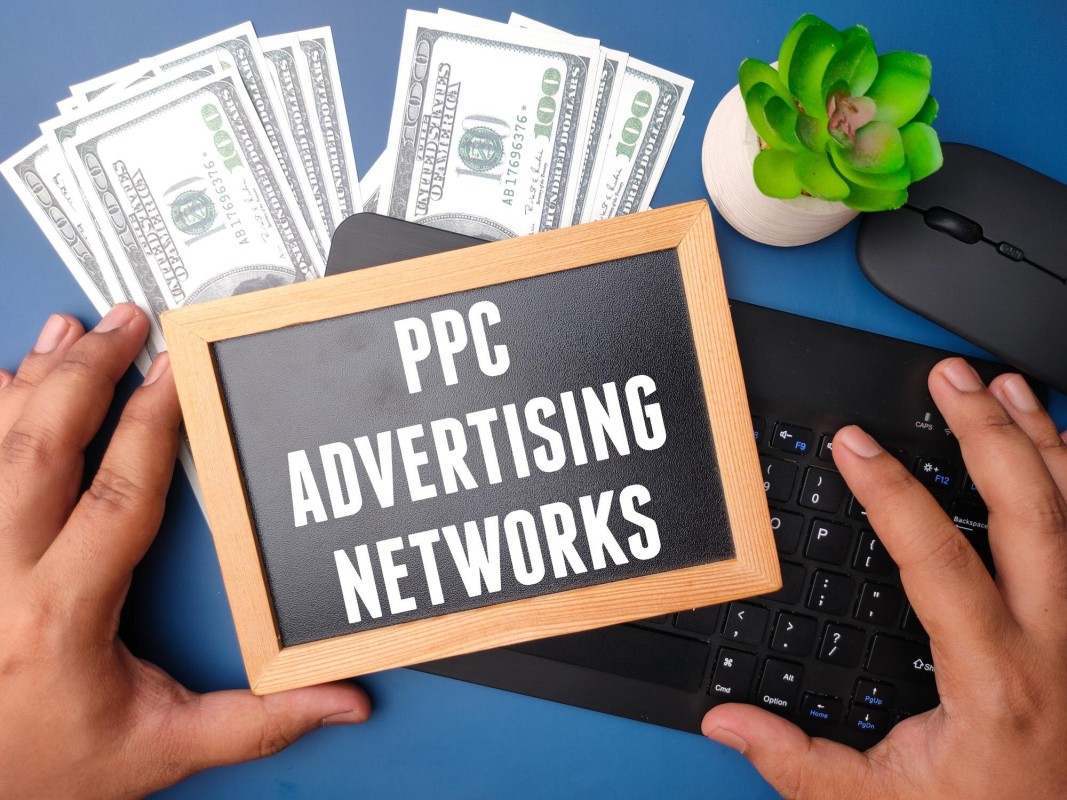
The first and most obvious alternative to organic traffic generation via SEO is paid advertising. You can set up your site, then go to Google, Meta, or TikTok and pay for ads that send people to your site. Ads are links, of course, but they aren't counted towards organic search ranking.
The biggest advantage to paid ads is the guaranteed traffic. You know you're getting traffic, you can see tangible numbers through the analytics you get, and you can easily measure the cost versus the profits of your paid ads. For eCommerce in particular, the numbers can be compelling - paid search represents around 23% of total eCommerce traffic while driving a disproportionate 57.5% of revenue, which tells you that paid visitors often have strong purchase intent.
You also get a lot of targeting options, particularly with Meta's ad platform. You're able to carefully narrow your audience so you're reaching exactly the people you want. You can simultaneously lower your ad costs and raise your conversion rates through careful application of targeting factors. If you're looking to promote affiliate offers, you might also want to learn how to run affiliate links through Facebook Ads.
There are, however, two major downsides to paid advertising as your sole traffic generation method. The first is that you can easily waste money with poor ads, poor targeting, or both. If you don't have data from organic traffic, you don't have a foundation to build your ad strategy on. You have to experiment until you find something that works, and that will cost money. It's also worth understanding how much to invest in SEO versus PPC so you can allocate your budget wisely.
The second drawback is that you have to keep paying to keep the traffic flowing. The moment you stop paying, your traffic slows to a trickle. You may have picked up a few loyal users, but you won't have steady traffic if you're not making steady payments.
This is why paid advertising is generally used in conjunction with SEO. SEO starts slow but builds and compounds over time. Paid advertising gets you an immediate kickstart and can fill the gap until your SEO has reached that compounding stage. They complement one another.
2: Email Marketing
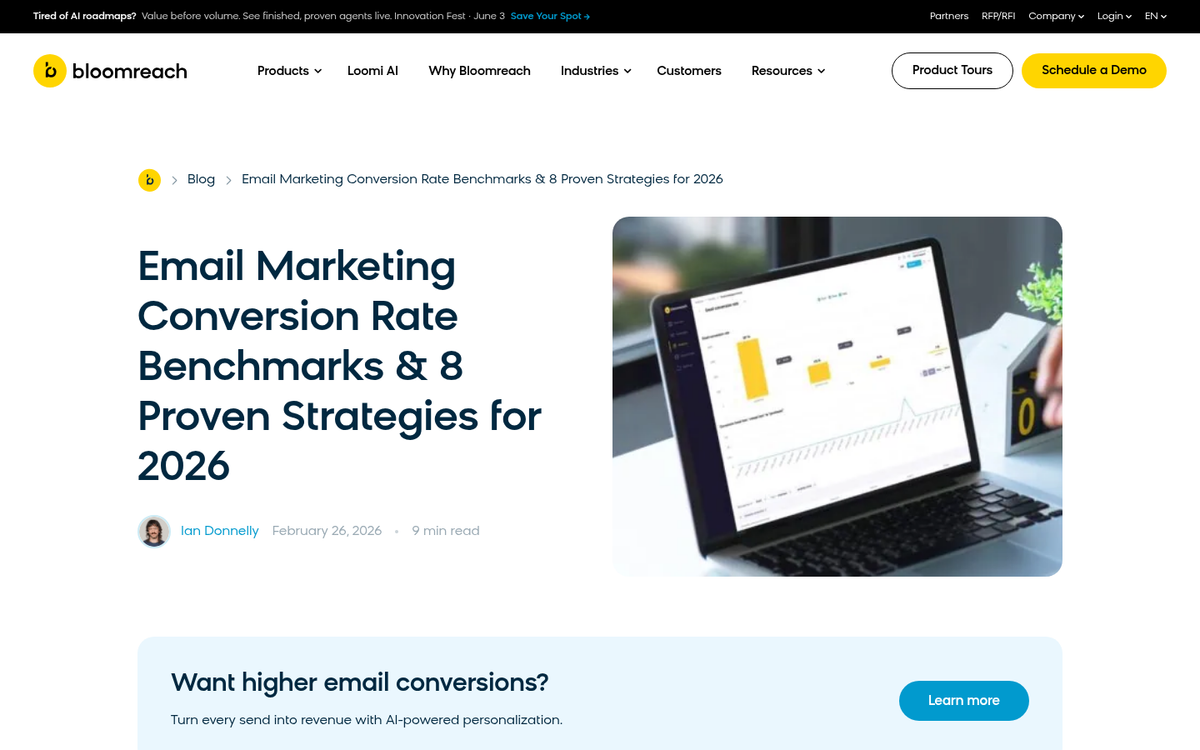
If there's one non-SEO channel that deserves far more attention than it typically gets, it's email marketing. While it only accounts for around 4.4% of website traffic on average, it generates approximately 9.6% of sales - a conversion efficiency ratio of more than 2x any other channel. In plain terms, email visitors convert at roughly double the rate of visitors from other sources.
The reason is simple: these are people who already know you, already trust you, and actively chose to hear from you. That's a completely different level of intent compared to someone who stumbled onto your site from a social post.
Building an email list takes time, but the mechanics are straightforward. Offer something valuable in exchange for a signup - a guide, a discount, a tool, or exclusive content - then consistently deliver value to your subscribers. Every email you send is a direct link back to your site, bypassing Google entirely.
The other major advantage is that you own your list. Unlike social media followers or paid traffic, no algorithm change or platform policy update can take it away from you. In an era where organic reach on social platforms has been squeezed to near zero and ad costs keep climbing, an owned email audience is one of the most resilient assets a website can have.
3: Social Media Marketing
Organic social media marketing sits somewhere between SEO and paid advertising. It takes many of the techniques that make SEO work - making your content genuinely useful and appealing - and applies them in a more direct, conversational context. You're networking directly with your audience, gathering data about what they care about, and sending traffic back to your site.
The reality check, though, is that social media only accounts for around 4% of overall website traffic industry-wide as of 2026. Organic reach on platforms like Facebook and Instagram has been compressed significantly over the years, and most platforms now openly prioritize paid content in the feed. That doesn't make social media useless - far from it - but it does mean you shouldn't be relying on any single channel as a primary traffic driver.
Where social really earns its keep is in brand building, community, and retargeting. Even if someone doesn't click through right away, consistent social presence keeps you top of mind and gives your paid advertising a warm audience to work with. Facebook retargeting is one of the more powerful ways to put that warm audience to use.
The tricky part is that social media marketing is an entire huge industry unto itself, and it's going to take as much effort to learn and master as SEO, if not more. It's not easy, not cheap to outsource, and of limited standalone utility. You still need to get people to follow your profiles, and those people have to come from somewhere. Understanding whether Facebook or Twitter works better for sending traffic to your site is a good place to start narrowing your focus.
4: Influencer and Creator Marketing

Influencer marketing has matured significantly since it first became a buzzword. In 2026, it spans everything from mega-celebrity endorsements to highly targeted micro-influencer campaigns with niche audiences in the tens of thousands. For most websites, the micro and mid-tier end of the spectrum is where the real value lies.
The general approach is to identify creators in your niche whose audiences overlap with your target customer, then find a way to get in front of those audiences - whether through sponsored content, product gifting, affiliate arrangements, or simple relationship building.
What's changed is that the landscape has expanded well beyond Instagram and YouTube. TikTok, newsletters, podcasts, and even LinkedIn have all become legitimate influencer channels depending on your industry. Podcasts in particular have shown strong conversion rates because the audience tends to be highly engaged and the host's recommendation carries real weight.
The fundamental limitation hasn't changed, though: influencer marketing isn't a stable, predictable traffic source on its own. It's spiky by nature - a big feature can send a wave of traffic, followed by silence. It works best as a complement to channels that provide consistent baseline traffic rather than a standalone strategy.
5: Guest Posting

Guest posting remains a content-based strategy for drawing in traffic, but its value proposition has shifted. In the early days, guest posting was largely treated as a link-building tactic. Google has since cracked down hard on low-quality guest post links, and many of those SEO benefits have been devalued or penalized outright.
What hasn't changed is the direct referral traffic and brand exposure you get from publishing on established sites in your niche. If you write something genuinely useful for a site that already has the audience you want, some percentage of that audience will click through to learn more about you. That's valuable regardless of what Google thinks about the link.
The process is straightforward: find influential sites in your niche, look for contributor or guest post guidelines, and pitch ideas that are genuinely useful to their readers. Quality matters more than ever here. Sites that accept guest posts are increasingly selective because they've been burned by thin, AI-generated submissions, which means a well-researched, well-written pitch will stand out.
Think of guest posting less as a link scheme and more as borrowed audience building - you're introducing yourself to someone else's established community and giving them a reason to come see what you're about. If you want to take this further, you might also explore getting well-known bloggers to write for you as a complementary approach to building that same credibility.
6: Direct Traffic and Brand Building
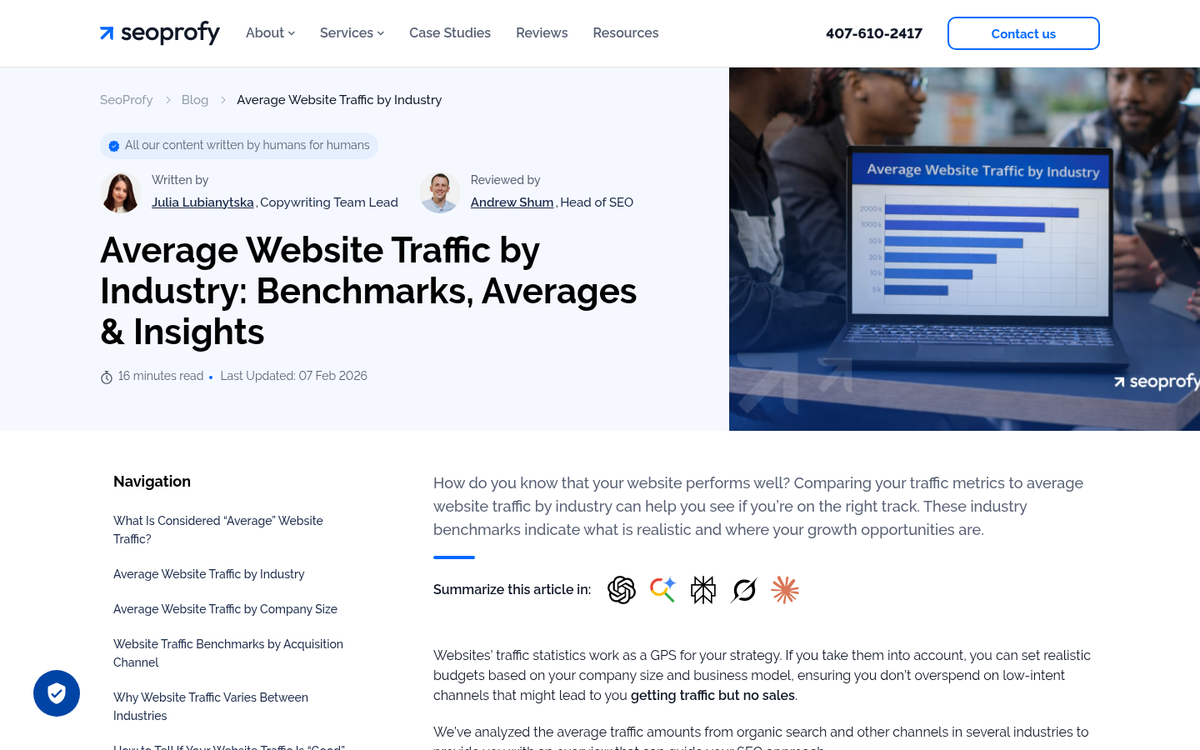
Often overlooked in these conversations is the value of direct traffic - people who type your URL directly into their browser or have you bookmarked. A healthy website should see around 20% of its traffic come from direct sources, according to industry benchmarks. That number is a proxy for brand strength: the more people who come directly to you, the more recognizable and trusted your brand has become.
Building direct traffic isn't a single tactic - it's the cumulative result of everything else you do. Offline marketing plays a role here. If you have a physical storefront, put your URL everywhere. Print ads, business cards, packaging, mailers, radio spots, and even TV ads can all drive people to type your address directly into a browser. These channels are harder to track than digital ones, but they contribute to brand recognition that compounds over time.
The challenge with offline marketing is that it's difficult to measure attribution precisely, and conversion rates from cold offline exposure tend to be low. That said, the brand equity it builds has real downstream value across all your other channels.
7: Community and Forum Participation
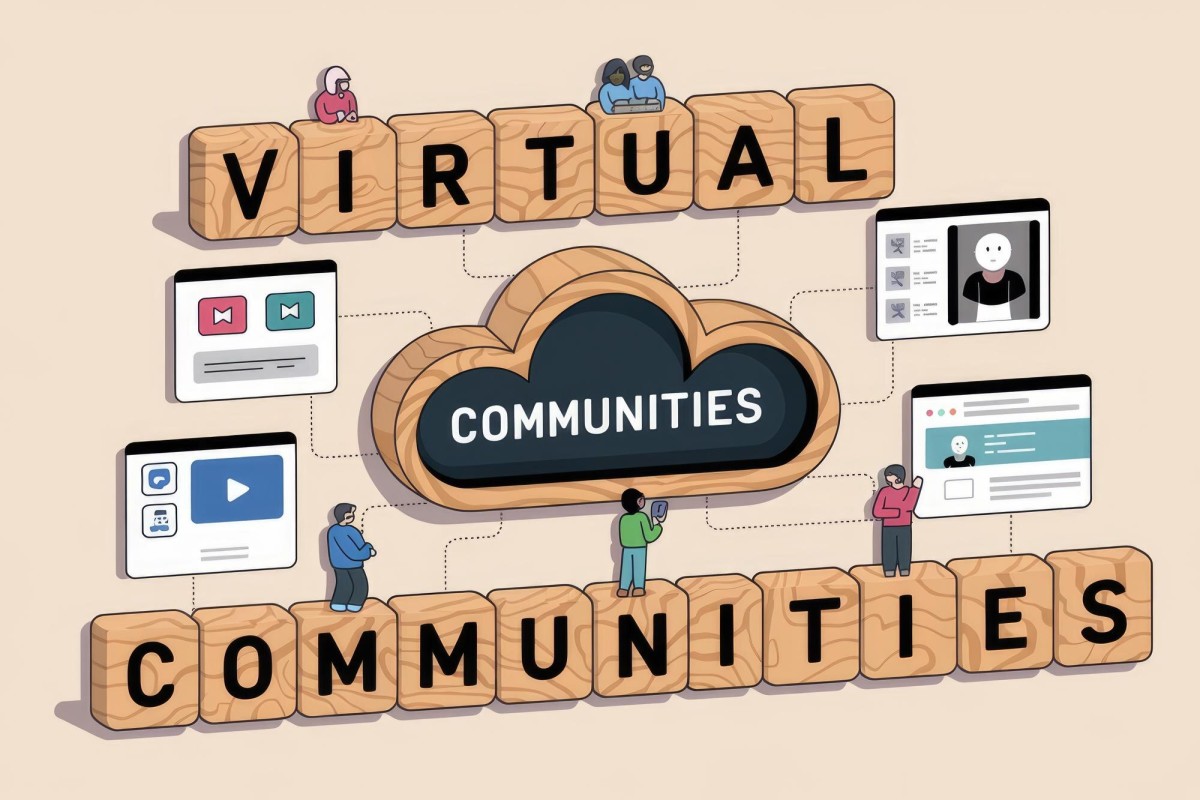
A final strategy involves building a genuine presence in online communities relevant to your industry. In 2026, this means Reddit, niche Discord servers, Facebook Groups, LinkedIn communities, Slack groups, and specialized forums depending on your vertical.
The approach that actually works is simple but requires patience: show up consistently, be genuinely helpful, and become a recognized voice in the community before you ever drop a link. Communities have become much better at sniffing out drive-by promotional posts, and moderators are quick to remove anything that smells like spam.
When you've built enough credibility that people actually want to know more about you, linking to a relevant piece of your content in the context of a genuine conversation feels natural - because it is. The key is always to be adding value to the discussion first, with the link as a useful resource rather than the point of the exercise.
Put together, all of these strategies combined can help you get steady traffic and income from a website without a primary focus on SEO. Just don't be surprised when you look back and realize you've been quietly building an SEO presence the whole time - because the things that make content worth sharing are the same things that make it worth ranking.