





Key Takeaways
- Over 60,000 WordPress plugins exist, but installing too many slows your site, harming Core Web Vitals and Google rankings.
- In 2026, AI has replaced dedicated plugins for tasks like SEO audits, spam filtering, and image optimization in many cases.
- SEO plugins like Rank Math, Yoast, and AIOSEO are mutually exclusive - choose one and stick with it.
- Privacy-focused analytics tools like Matomo and Fathom are gaining ground due to GDPR, CCPA, and other privacy laws.
- WooCommerce dominates WordPress eCommerce; the conversation has shifted to which extensions you need, not which plugin to use.
There are thousands of WordPress plugins out there, many of which do valuable things. With over 60,000 free and paid plugins available in the WordPress ecosystem - and WordPress itself now powering 43% of all websites - the options can be a bit stressful. Many plugins are redundant, out of date, overly expensive, or otherwise valueless to running a blog in 2026. That’s why I’ve compiled this list.
The plugins listed below are chosen for their potential to benefit your site’s search ranking. But! Some of them are redundant alternative options, of which you should only pick one. Additionally, you don’t need to install them all - you shouldn’t, because too many plugins will slow down your site. As you’re probably aware, site speed is a confirmed Google ranking factor - and with Core Web Vitals now playing a big part in rankings, anything that slows your site down is actively harmful. The idea is to strike the right balance between utility and value in plugins and site speed.
It’s also worth mentioning that in 2026, AI has dramatically changed the plugin community. Many tasks that once required dedicated plugins - basic SEO audits, content suggestions, spam filtering, image optimization - are now handled natively by AI-powered tools or built directly into premium themes and page builders. Keep that in mind as you review what you need.
Here are over 50 plugins that help you increase the usability, functionality and rankings of your blog:
The Essentials
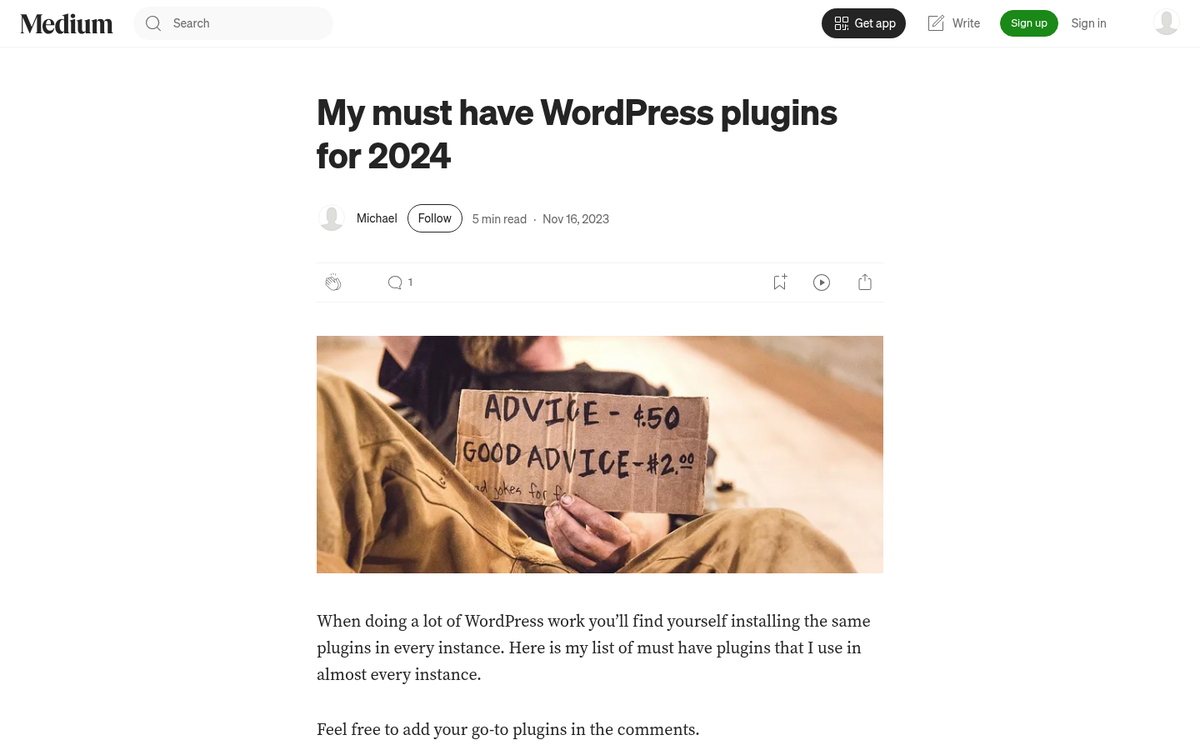
These are the plugins that matter most - the ones every WordPress site should have. If you don’t have them, you better have a pretty good reason not to. I’d venture to guess that every WordPress blog out there has at least half of these installed.
- Jetpack for WordPress - This plugin gives you a lot of basic features included in WordPress.com sites, including basic analytics, security, and performance features. It has grown significantly over the years and now includes AI-assisted writing tools and automated social sharing. It can still be replaced by several other plugins on this list if you prefer a more modular setup.
- Akismet - This plugin is comment spam filtering at its best. It uses cloud-based machine learning to identify new spam techniques as they emerge and helps block them on every WordPress blog using it. In 2026, with AI-generated spam comments becoming increasingly sophisticated, Akismet’s machine learning backbone makes it more relevant than ever.
- Wordfence Security - One of the most widely used security plugins available, Wordfence offers a robust web application firewall, malware scanner, login security, and real-time threat intelligence. It has largely become the go-to security plugin for serious WordPress site owners, offering both a solid free tier and a premium version with more advanced protection.
- WP Rocket - As of 2026, WP Rocket has firmly established itself as the leading caching and performance plugin for WordPress. It handles page caching, file minification, lazy loading, database optimization, and CDN integration in one clean package. It’s a premium plugin, but the performance gains - especially for Core Web Vitals - make it well worth it for any serious blog. You can find a full list of WordPress caching plugins reviewed and ranked if you want to compare your options.
- WP-Optimize - This plugin cleans up your WordPress database by removing drafts, spam, trash, and unnecessary post revisions. It also includes image compression and caching features, making it a solid all-in-one maintenance tool, particularly for those not using WP Rocket.
- Limit Login Attempts Reloaded - The original Login Lockdown plugin has largely been superseded by this actively maintained alternative. It records IP addresses and timestamps of failed login attempts and progressively locks out repeated offenders - essential protection in an era of increasingly automated brute force attacks.
- SmushIt / Imagify - Image optimization is critical for Core Web Vitals performance in 2026. Plugins like Smush or Imagify automatically compress and convert images to next-gen formats like WebP, dramatically reducing page load times without sacrificing visual quality.
- Google XML Sitemaps / Rank Math Sitemap - A sitemap remains one of the primary ways Google discovers and indexes your content. The classic Google XML Sitemaps plugin still works, but if you’re using a modern SEO plugin like Rank Math (see below), sitemap generation is already built in and you won’t need a separate plugin.
- Simple Author Box - Essential for multi-author blogs and increasingly important for Google’s E-E-A-T (Experience, Expertise, Authoritativeness, Trustworthiness) signals, this plugin creates rich author boxes with social links, credentials, and recent posts - all of which help establish author authority in search.
- YARPP (Yet Another Related Posts Plugin) - Still one of the best related posts plugins available, YARPP displays contextually relevant posts at the end of your content, improving time-on-site and internal linking - both important signals for SEO.
SEO Packs
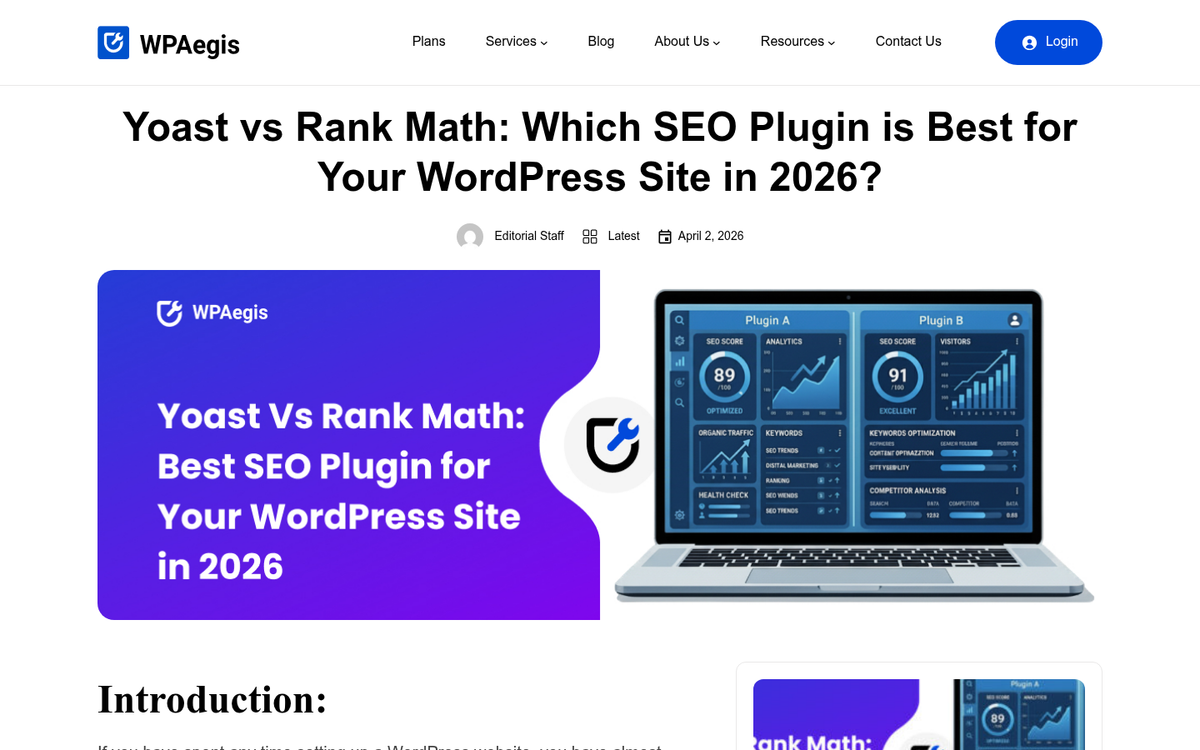
These are all-in-one SEO plugins, and as they are largely mutually exclusive - pick one and stick with it. They manage meta tags, sitemaps, schema markup, redirects and more. In 2026, the difference between the top options has narrowed. But there are clear leaders.
- Rank Math SEO - Rank Math has overtaken competitors to become arguably the most feature-rich SEO plugin for WordPress as of 2026. It includes built-in schema markup, AI-powered content suggestions, Google Search Console integration, keyword rank tracking, 404 monitoring, and redirects - all in one plugin. The free version is remarkably generous, and the Pro version adds even more. Highly recommended.
- Yoast SEO - Yoast remains a strong and trusted choice with a massive user base and a long track record. It’s particularly well known for its readability analysis and step-by-step content optimization guidance. If you’re already using Yoast and happy with it, there’s no urgent reason to switch - it continues to be actively developed and maintained.
- All in One SEO (AIOSEO) - AIOSEO has been significantly modernized in recent years and is a legitimate third option for those who find Yoast or Rank Math too complex. It includes a solid schema generator, local SEO tools, and WooCommerce SEO support.
- The SEO Framework - A lightweight, privacy-focused alternative to the above plugins. If you’re running a lean, speed-focused site and don’t need all the bells and whistles, this is worth considering. It’s fast, clean, and doesn’t nag you with upsells.
Analytics

Analytics tools don’t improve your SEO. But they give you the data you need to improve your site over time. In 2026, privacy laws (GDPR, CCPA and others) have meaningfully shaped which analytics tools bloggers use, with cookieless and privacy-first options gaining ground.
- MonsterInsights - With over 3 million active installs, MonsterInsights is the most popular Google Analytics plugin for WordPress, and for good reason. It surfaces the most important GA4 data directly in your WordPress dashboard, including real-time stats, top posts, referral sources, and eCommerce tracking. The Pro version adds even deeper reporting. Note that GA4 is now the standard - Universal Analytics is fully retired.
- ExactMetrics - A strong alternative to MonsterInsights, ExactMetrics also connects GA4 to your WordPress dashboard and offers custom dimensions, scroll tracking, and affiliate link tracking. Worth comparing the two before committing.
- Matomo Analytics - For those concerned about data privacy or looking to move away from Google’s ecosystem, Matomo is the leading privacy-focused analytics platform. You can self-host it for full data ownership, making it GDPR-compliant without cookie consent banners in many configurations.
- Fathom Analytics - A simple, privacy-first analytics tool that has grown substantially in popularity among bloggers who want clean, accurate data without the complexity of GA4. It’s a paid SaaS tool with a WordPress plugin for easy integration.
- WP Statistics - For those who want on-server analytics without relying on any third-party service, WP Statistics is a solid self-hosted option. It logs visits, browsers, referrers, and more - entirely within your own WordPress install.
- Google Site Kit - Google’s official WordPress plugin brings together data from Google Analytics (GA4), Search Console, PageSpeed Insights, and Adsense in a single dashboard. It’s the most direct way to get Google’s own data surfaced inside WordPress. Pairing it with efforts to improve your blog post rankings can help you act on what you find.
Regular Maintenance

These are plugins you can use for standard maintenance to keep your WordPress site in great shape at all times. They help keep security tight, data backed up, and SEO problems that develop over time resolved.
- Query Monitor - Query Monitor is the developer’s go-to diagnostic plugin for identifying performance bottlenecks, slow database queries, and PHP errors. Think of it as the modern, actively maintained replacement for the old P3 Profiler. Install it, diagnose, then deactivate when done.
- Broken Link Checker - Still highly valuable in 2026, this plugin scans your site for broken links, missing images, and redirects. With content aging across large sites, broken links are an ongoing SEO issue. Note: use the AIOSEO-maintained cloud version for better performance on larger sites, as the original can be resource-intensive.
- UpdraftPlus - The most popular WordPress backup plugin, UpdraftPlus backs up your files and database and sends them to remote storage (Google Drive, Dropbox, Amazon S3, and more) on a schedule you define. It also handles site migration. BackupBuddy remains a premium alternative worth considering for larger sites.
- WP Rollback - A simple but indispensable maintenance tool that lets you roll back any plugin or theme to a previous version with one click. Invaluable when an update breaks something on your site.
- iThemes Security (now Solid Security) - Rebranded as Solid Security in 2023, this remains one of the most comprehensive WordPress security suites available. It covers brute force protection, two-factor authentication, file change detection, and vulnerability scanning. A strong alternative to Wordfence depending on your preference.
Comment Plugins
These plugins are alternatives to or improvements of the basic WordPress comments system. Comment engagement has declined across the blogosphere over the past decade as conversation has moved to social media. But for communities where comments still thrive, these plugins add actual functionality.
- Comment Redirect by Yoast - This plugin redirects first-time commenters to a custom page of your choosing - a thank you page, a lead magnet landing page, or a social follow page. Simple and effective for growing your audience.
- Subscribe to Comments Reloaded - Adds email subscription functionality to comments, so users are notified when someone replies to their comment. Helps drive repeat visits and deeper engagement.
- Thrive Comments - A premium comments plugin that adds upvoting, featured comments, conversion-focused redirects after commenting, and social login. A solid modern upgrade to native WordPress comments for blogs focused on community building.
- Disqus - Still in widespread use, Disqus offers a familiar, feature-rich comment system with spam filtering, notifications, and a built-in community network. Be aware that it loads external scripts which can affect page speed, and review their current privacy policy if GDPR compliance is a concern for your audience.
- WpDiscuz - A powerful and fast native comment replacement that keeps all data on your own server (unlike Disqus). It supports real-time comments, threaded discussions, comment voting, and social login. A strong choice for those who want Disqus-style features without the third-party dependency.
Social Sharing

Social sharing plugins have consolidated since the early days of WordPress. Twitter’s rebranding to X, standard API access changes across platforms and the rise of newer networks have forced older plugins into obsolescence. Here are the latest best options.
- Social Warfare - One of the most performance-conscious social sharing plugins available, Social Warfare loads share buttons without slowing down your page and supports accurate share counts across major networks. The Pro version adds Pinterest-specific features and more customization.
- Monarch Social - Elegant Themes’ social sharing plugin remains a solid choice with a wide variety of display options including floating sidebars, inline buttons, and pop-up share prompts. Available as part of the Elegant Themes membership.
- Shared Counts - A lightweight, developer-friendly social sharing plugin focused on speed. If you’re a performance-obsessed blogger who also knows their way around WordPress, this is one of the leanest options available.
- Better Click to Tweet - Still a useful plugin for creating pre-written tweetable quotes within your content. Note that since Twitter’s rebrand to X and its API changes, verify current functionality before relying on it heavily.
- Novashare - A newer entrant that has quickly gained a strong reputation for being extremely fast and lightweight while still offering flexible display options and accurate share counts. Worth serious consideration for speed-focused sites.
eCommerce

If you run a storefront from your blog, you can do it with these plugins. In 2026, WooCommerce has become so dominant that the conversation has largely moved away from “which plugin to use” to “which WooCommerce extensions do you need” - but alternatives do exist for specific use cases.
- WooCommerce - The undisputed leader in WordPress eCommerce, WooCommerce powers a massive share of online stores worldwide. It’s maintained by Automattic (the company behind WordPress.com) and has a vast ecosystem of themes, extensions, and payment integrations. For most bloggers adding a store, this is the obvious starting point. You can also explore ways to integrate a shop and sell products on your blog beyond just plugin selection.
- Easy Digital Downloads (EDD) - Still the best dedicated plugin for selling digital products - ebooks, software, courses, templates, and more. Its streamlined focus on digital delivery makes it cleaner and simpler than WooCommerce for purely digital businesses.
- WooCommerce Subscriptions - For bloggers building membership or subscription revenue models, this official WooCommerce extension handles recurring billing, subscription management, and renewal emails seamlessly.
- MemberPress - One of the most popular membership site plugins, MemberPress lets you gate content behind paid subscriptions, create online courses, and manage members. Integrates well with WooCommerce and most email marketing platforms.
- WP Simple Pay - For bloggers who just want to accept one-time or recurring payments without building a full store, WP Simple Pay integrates directly with Stripe and keeps things elegantly simple. If you’re looking for more options, check out this list of shopping cart plugins to add products to your blog.
AI-Powered and Content Tools
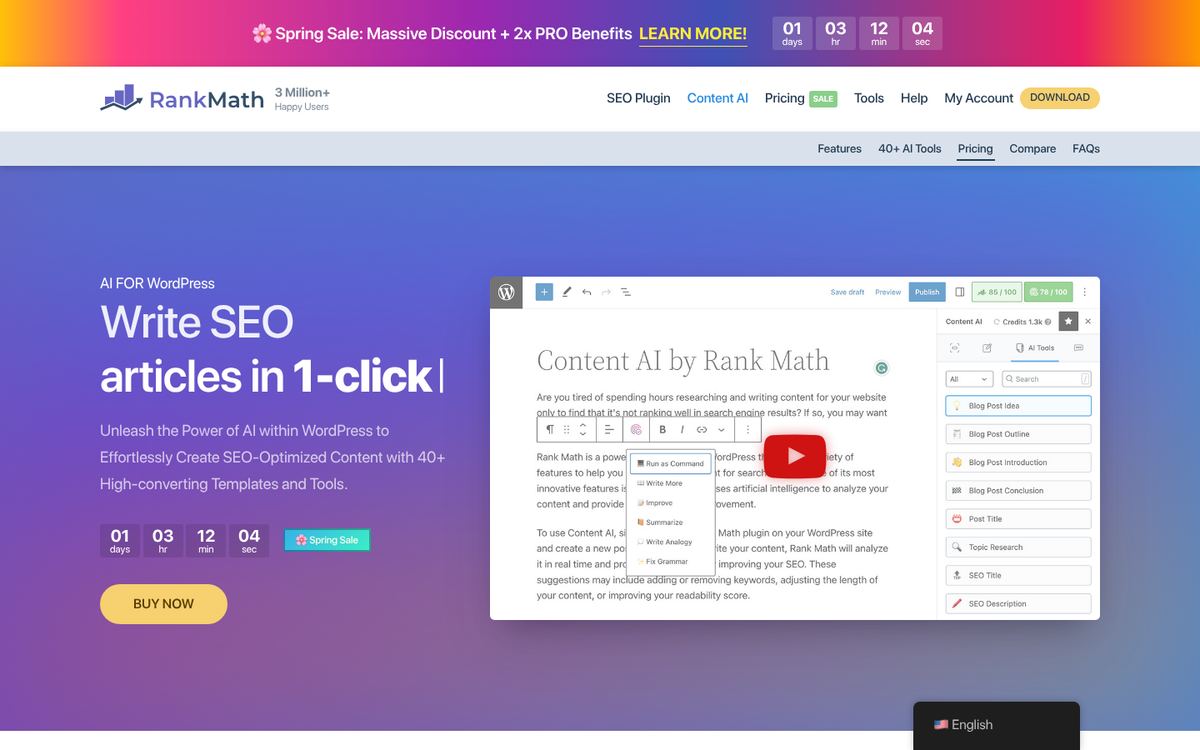
This is a category that barely existed a few years ago. In 2026, AI-powered WordPress plugins have become a legitimate and important part of the blogger’s toolkit, covering everything from content drafting to image generation to SEO optimization.
- Bertha AI - A WordPress-native AI writing assistant that integrates directly into your editor, helping you draft blog posts, meta descriptions, social captions, and more without leaving WordPress.
- AI Engine by Meow Apps - One of the most versatile AI plugins for WordPress, AI Engine lets you build custom chatbots, generate content, create images, and even build your own internal AI assistant - all powered by OpenAI or other AI providers of your choice.
- Rank Math Content AI - Built into the Rank Math SEO plugin, Content AI gives you real-time, AI-driven content suggestions based on what’s currently ranking for your target keyword. It recommends word count, head

1 response
Thoughtful replies only — we moderate for spam, AI slop, and off-topic rants.
Thanks for these! I had a lot of them already but theres quite a few good ones here. I can also recommend “Leverage Browser Caching”, “Merge + Minify + Refresh”, “Minify HTML”, and “Optimus”.