Web 2.0 was many things; it was a mock-worthy internet buzzword, it was a trend in website focus, and it was a link building strategy used by a surprising number of marketers. We don't think of it as web 2.0 these days, but the same principles apply, if you're able to take advantage of them.
Key Takeaways
- Web 2.0 link building involves creating content on free platforms like WordPress.com and Blogger to generate backlinks pointing to your main site.
- Standard web 2.0 link building no longer works as effectively; Google's algorithm updates increasingly detect and neutralize artificial link patterns.
- "Super 2.0" blogs require genuine, substantive content, unique personas, and staggered publishing schedules to appear organic and maintain indexing.
- A 2024 Ahrefs study found 66.5% of links built over nine years are already dead, highlighting serious platform instability risks.
- Digital PR ranked as the most effective link building tactic among SEO experts; web 2.0 methods offer diminishing returns by comparison.
What Specifically is Web 2.0?
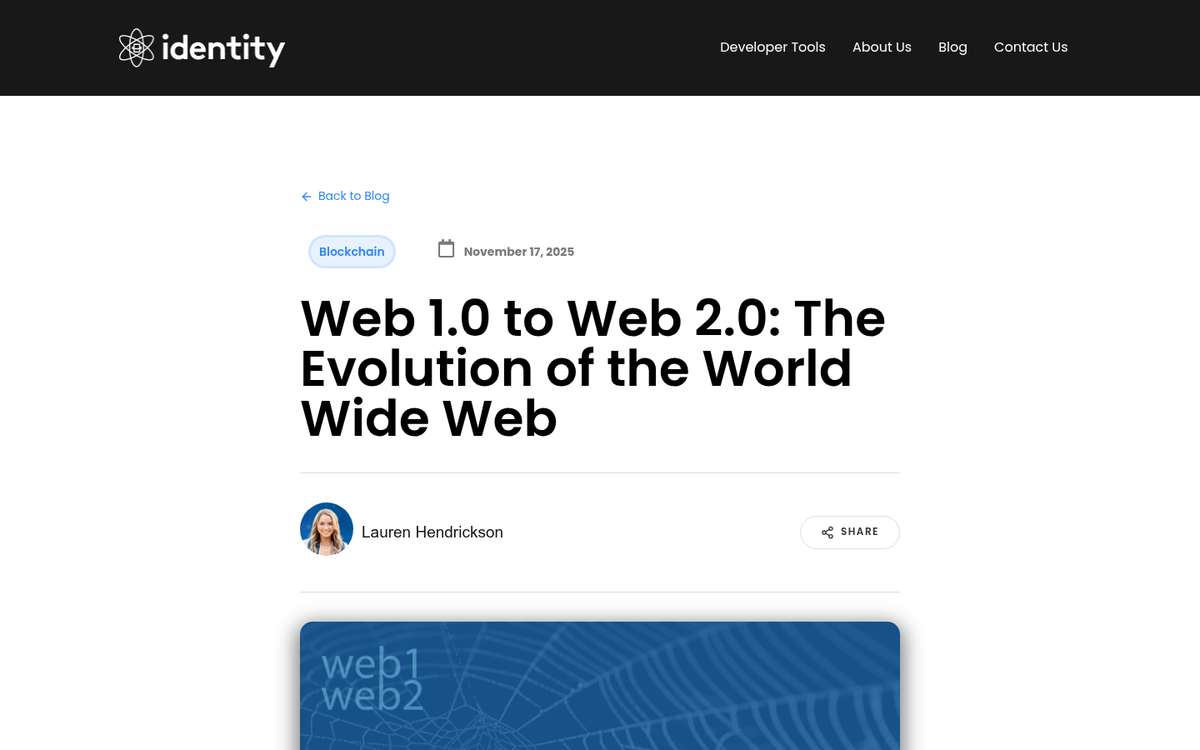
Web 2.0 is an interesting sort of category, because it marked a transition from the internet of old to the internet of today. In the old days, in the 80s and 90s, most websites were expensive or owned by private parties, companies, businesses, universities and the like. These sites were maintained by content owners and producers, and were viewed by consumers. There wasn't as much interaction between owners and users; if you wanted to participate, you had to contact the owner and figure out how you could contribute. Often this meant communication via email, a paper trail, and all the old fashioned trappings of an older era.
The internet of today is very different, with everything using social components or wiki-style user generation. Free blog sites allow anyone to be a content producer regardless of budget, and with a budget sites can spring up that put the majority to shame.
The transition was in the web 2.0 era, where people started making websites that focused on user generated content, or content that worked across sites, or sites that worked across content. Social networks, wikis, blog networks, web apps; all of these are technically web 2.0.
The fact is, we think of web 2.0 as an era that has passed, but the current web is very much powered by the underpinnings of web 2.0. The biggest sites in the world are still social networks, wikis, and forums - all built on user-generated content. According to Ahrefs, 96.55% of all pages on the internet receive zero organic traffic, largely due to having no backlinks at all. That alone illustrates just how much link authority still matters, and why marketers continue chasing it through any available channel, including legacy web 2.0 platforms.
Web 2.0 Link Building

Link building with web 2.0, then, doesn't seem to make much sense, right? If Facebook is web 2.0, if Wikipedia is web 2.0, if just about everything in operation today is some form of web 2.0, then what would web 2.0 link building be that is different from normal link building?
The answer is that web 2.0 link building is just a fancy way of talking about other forms of link building, most typically either private blog networks or tiered link building.
The idea works like this:
- Make a list of web 2.0 properties you want to target. These will be sites like WordPress.com, Blogger, Weebly, or even platforms within the Fandom/Wikia network. Note that some older standbys like Jimdo have shifted focus over the years, so always verify a platform is still active and accepting free content before investing time in it.
- Start creating sites on these properties, in moderation. Your goal with modern web 2.0 link building is to build natural-looking links, not links in bulk. 10 decent quality sites will be better than 1,000 spam sites. Automating this process is harder than ever, and Google has grown increasingly effective at detecting patterns of artificial link creation at scale.
- Populate your sites with some amount of relevant content. This content should not be scraped or stolen, and should not be spun. Spun content is still bad even if it passes plagiarism checks. Write it yourself or hire a writer through a platform like Upwork. Make sure all of this content is related to your primary site's content, but isn't directly referential or copied. You're looking for content that forms a natural link to your main site.
- You're looking for 3-4 posts per site, with a random assortment of images, videos, and media on each. They shouldn't look like copies of one another, so they shouldn't cover the same topics and they shouldn't have similar themes or layouts. The variation is important, because this all needs to look organic.
- Over the course of a month or two, publish posts to each of your sites that include links to your main site. You can continue to maintain these smaller sites, or let them sit as inactive but established blogs. Steady growth of around 5-10 quality web 2.0 backlinks per month is generally considered a healthy, low-risk pace.
The ideal result of this process is creating several backlinks pointing to your site. These links come from blogs that look more or less natural. The links, being relevant in topic and coming from sites that aren't obviously spam, can provide some incremental value. Research suggests web 2.0 backlinks typically contribute to gradual domain authority increases over 3-6 months, and ranking improvements may become visible within 4-8 weeks - though results vary widely depending on competition and overall site authority.
The problem, of course, is Google's ongoing algorithm evolution. Updates targeting low-quality links and thin content have made it harder than ever to rank with web 2.0 link building. There's also the issue of link rot: a 2024 Ahrefs study found that 66.5% of links built over the past nine years are already dead. That's a sobering reminder that web 2.0 platforms can disappear, change their policies, or strip outbound links without warning - meaning your investment can evaporate overnight.
The fact is, the standard method of web 2.0 link building doesn't really work the way it once did. It takes a lot more effort to pull off, and while it's not as catastrophically risky as it once was, it does require a meaningful investment of time and money for what is often a modest return. If your blog content still isn't ranking well, it may be worth reconsidering whether this approach deserves a place in your strategy at all.
Value and the Super 2.0

The concept of making a web 2.0 page for a link, but making sure it maintains genuine value and doesn't collapse after a minor algorithm update, is often called building a "Super 2.0." These blogs require enough real substance to remain indexed and stand the test of time.
Here's the process.
First, choose 5-10 blogging platforms you want to target and register accounts for each of them. Make sure you verify your email address, so you don't have your profiles deactivated a few months down the line. WordPress.com, Blogger, and Tumblr remain the most reliable options in 2026. Note that LiveJournal has declined significantly in relevance and TypePad shut down in 2024, so cross those off your list. Stick to platforms with strong domain authority and a track record of stability.
When you're creating the page you're going to use, feel free to use semi-relevant keywords in the URL or handle where the platform allows it. Exact match domains carry little weight today, but a naturally keyword-informed blog name like "thekeywordvariantspot" still reads as organic. Just make sure they aren't similar across your different platforms.
Customize each site in a different way. They should all have different titles and descriptions fitting the implied persona behind each blog. Create unique about pages for each of them, and contact pages even if those just route to a monitored junk inbox. Use author photos to give each persona more legitimacy - original or licensed stock images are the safer and more professional choice.
On each blog, create a basic welcome post, again befitting the persona. Some will feel like personal blogs. Others might look like a small business that started a free blog and later abandoned it. Publish them on different days to avoid creating an obvious pattern.
Once those are all up, start creating relevant filler content. You're looking for low-effort but genuinely useful topics. Beginner's guides, introductory explainers, and media-based posts all work well. You can curate videos or embed them with commentary, post image galleries with relevant descriptions, share niche-relevant infographics, or build simple resource lists. Just make sure any embedded media is stable and not likely to disappear - broken embeds are a red flag to both users and crawlers.
Don't publish all of this content at once. Use each platform's native scheduler or a third-party tool to spread posts across several months. You don't want everything archived in the same week. Aim for 4-10 filler posts per blog, published 1-2 per month with slight inconsistency. Think organic.
Now create seed posts. One per blog. These should be the most substantive piece of content on that site - not suspiciously polished, but clearly the standout post. Aim for at least 1,000 words, tightly relevant to your primary keyword, with unique images and ideally an embedded video. Link out to authoritative external sources, and include a contextual link to your primary site as a natural reference. Where possible, link to a specific post on your main site rather than just the homepage.
Schedule these seed posts somewhere in the middle of the rest of the content schedule. You don't want every dormant blog to end on a link pointing to your site - that's a pattern Google's systems are well-equipped to detect.
At this point you should have some incremental link value flowing toward your main site. It won't be dramatic, but that's fine - you're supplementing your broader link profile, not replacing it.
If you want to amplify the value, you have two options. The first is to build more web 2.0 sites pointing at your main site. The second is to build additional properties that link to your sub-sites, introducing a tiered structure where link equity flows upward. Just remember that every tier requires the same commitment to quality. Cutting corners at any level is how these networks get detected and devalued.
Is This Technique Effective?

This is the real question. Tiered link building through free blogging platforms has been in use for well over a decade, long before major algorithm updates began targeting it. Most of the prominent posts about web 2.0 link building date back to 2012 or 2013, and the landscape has changed substantially since then.
That said, it hasn't disappeared entirely. It has simply been put in proper context by the broader evolution of SEO.
For perspective: a May 2024 survey of 113 SEO experts by editorial.link ranked digital PR as the single most effective link building tactic, with 67.3% of respondents citing it as their top choice. Web 2.0 link building didn't crack the top tier. Ahrefs data from 2022 found a 0.68 correlation between the number of backlinks and Google rankings - meaning backlinks still matter, but the source quality increasingly determines how much.
Web 2.0 link building today sits firmly in the diminishing returns category. It can work, but it carries real drawbacks:
- Google may not penalize your main site outright, but it can quietly neutralize links from low-quality sources, meaning you get no value despite the effort invested.
- Platform instability is a growing risk. With 66.5% of links built over the past nine years already dead (Ahrefs, 2024), free blogging platforms that shut down or change their linking policies can wipe out your entire network.
- The setup costs are nominally low, but the time investment to do this correctly is substantial - and time spent here is time not spent on higher-ROI activities like digital PR, genuine content marketing, or outreach for editorial links.
- As a gray hat technique, being identified as a practitioner can damage relationships with legitimate publishers and influencers whose links would carry far more weight than anything a free blog network can provide.
So yes, the technique can still work in a limited sense, but the opportunity cost is significant. In 2026, the SEO practitioners seeing the strongest results from link building are overwhelmingly investing in strategies that earn links rather than engineer them. Web 2.0 link building can be a minor supplement to a healthy link profile, but it should never be the centerpiece of one.