




When an AI reads a page on your site, it isn't absorbing your words the way a human does. It's scanning for recognizable, structured pieces of information it can extract, verify, and use to answer a user's question. If your content makes that process easy, you're far more likely to show up in AI-generated answers. If your content is vague or unstructured, the AI may simply pass over it in favor of a source it can read more easily.
For website owners and managers, this distinction matters. Entity extraction is the mechanism behind that understanding, and learning about how it works gives you a helpful edge in how you write, structure, and publish your content.
This glossary entry will talk about what entity extraction is, why AI systems use it so heavily, and what you can do on your own site to make your content easier for answer engines to extract, trust, and cite.
Quick Answer
Entity extraction (also called Named Entity Recognition or NER) is a natural language processing technique that identifies and classifies key elements in text into predefined categories such as names of people, organizations, locations, dates, quantities, and monetary values. It works by scanning unstructured text and tagging specific words or phrases based on context and patterns. Common applications include information retrieval, content categorization, search engines, and data mining. Tools like spaCy, NLTK, and transformer-based models such as BERT are widely used to perform entity extraction automatically.
How AI Answer Engines Use Entity Extraction to Understand Your Content
When an AI answer engine processes a webpage, it's not reading the way a person would.
Two pages might use the word "mercury" but mean different things. One is about the planet and the other is about the ingredient. Entity extraction is how AI tells the difference, by connecting words to the concepts they represent in the world.
These concepts are anchors. Once an AI engine identifies them, it can start to build a map of your content - who or what it mentions, what it relates to, and how it all connects. That map is what lets tools like voice assistants and AI search results pull accurate answers from your page instead of just matching keywords.
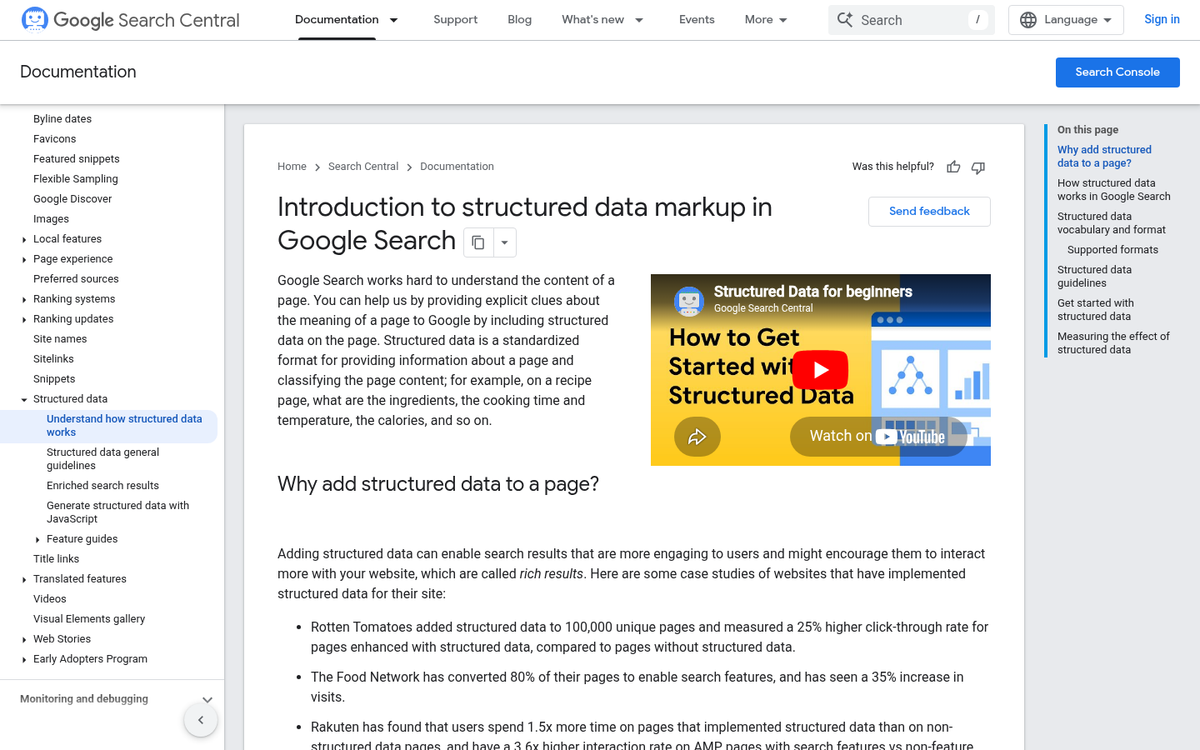
This matters more than you might expect. AI answer engines are not rewarding pages that repeat a keyword the most. They are looking for pages where the meaning is clear and the context is rich. Entities give them that context.
Chatbots and AI-powered search results also use entity relationships to rank confidence. If your content mentions a person by name alongside their role, their organisation, and a relevant location, that cluster of connected entities tells the AI that your page has substance. A thin page with vague references does not give the engine enough to work with. Tools like HubSpot's blog marketing tools can help you analyse and strengthen the depth of your content.
AI engines are trained on large amounts of structured knowledge. When your content aligns with the types of entities those systems already recognise, your page is easier to interpret and more likely to be used as a source. That alignment is not accidental - it comes from writing content that is clear and well-grounded in real-world detail.
Entity extraction is an active process happening every time a crawler visits your site. The AI is asking what this page is about at a conceptual level, and your content either answers that question well or leaves too much room for guessing.
The Main Types of Entities Your Website Should Signal
AI answer engines look for categories of entities when they process your content, and each category tells the engine something different about what your page is about and who it relates to.
People, organizations, locations, dates, products, and concepts are the six main entity types to remember. Not all of them will apply equally to your website, and that's fine. You want to find out which ones matter most for your goals.
| Entity Type | Example | Why It Matters for AEO |
|---|---|---|
| People | A named founder, author, or expert | Builds authority and connects your content to known figures in your field |
| Organizations | Your business name, a partner brand | Helps AI recognize your brand as a distinct entity, not just keywords |
| Locations | A city, region, or physical address | Essential for local relevance and geographic filtering in AI responses |
| Dates | A launch date, event date, or time period | Gives AI a timeline to work with and signals content freshness |
| Products | A software plan, a physical item, a service | Lets AI match your offerings to user queries about specific solutions |
| Concepts | A methodology, a topic, an industry term | Positions your content within a subject area and builds topical depth |
A local business will lean heavily on locations, people, and organizations. Your business name, your town, and the people behind the brand are the entities that make you findable in place-based queries.
A SaaS company, on the other hand, will get more value from signaling products and concepts. AI engines fielding questions about software categories need to connect your product to the problem it solves.
A news or media site lives and breathes on organizations and dates. Accurate, steady entity signals in that context directly affect whether AI engines treat your content as a reliable source for factual answers.
Concepts are worth a mention on their own. They are the entity type that websites most underestimate. But they're what link your content to a wider knowledge space. Naming the ideas, frameworks, and terms your audience actually uses helps AI place your content in the right context. Use our AEO Readiness Checklist to see how well your site is already signaling these entity types.
Structuring Your Content So AI Can Extract Entities Accurately
The way you write and organise your content can directly affect how well AI systems can pull out entities from it. You don't need to write for robots. But a few deliberate choices help determine how confidently a model can find who you are, what you do, and where you work.
Start with steady naming. If your business is called "Hartwell Studio" on your homepage, "Hartwell Studios" in a blog post, and "Hartwell Creative" in your footer, entity recognition models have a hard time connecting those references into one coherent identity. Pick a name and use it the same way every time across every page.
Proper nouns do heavy lifting here. Use full names, places, and organisations instead of pronouns or shorthand. Instead of writing "our founder launched it in 2018," write "Sarah Hartwell founded Hartwell Studio in 2018." That sentence gives an AI three entities to work with in one go.
Sentence structure matters too. Short, direct sentences with a subject and a verb are easier to parse than long compound ones with multiple clauses - this doesn't mean your writing has to feel flat - it just means being intentional about where you place important information.
Using Schema Markup to Reinforce What You've Written
Schema markup, and JSON-LD in particular, is one of the most reliable tools you have - it lets you label entities explicitly so there's no guessing involved. A JSON-LD block can tell a search engine that your business is an organisation, here is its name, here is its address, and here is the person who runs it.
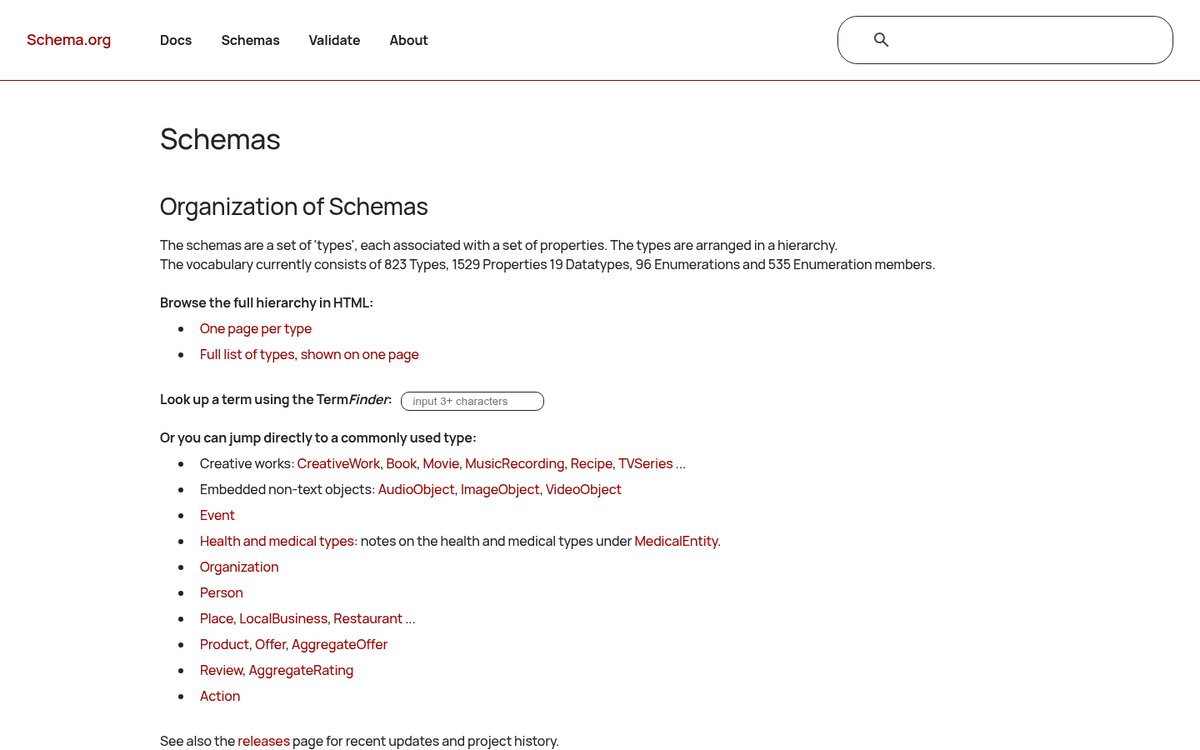
JSON-LD sits in the <head> of your HTML and doesn't get in the way of your visible content at all. You can use it to mark up your business, your team members, your products, your articles, and more. Schema.org has a full list of entity types you can reference when building this out.
The combination of well-written prose and structured data creates two separate signals that point to the same truth. When layers agree, AI systems can extract and classify your entities with much greater confidence. Structured data works like a label on a box - the contents are still the same. But now it's much easier to sort.
Page-level consistency matters just as much as site-wide consistency, and each page should reinforce the same core entities instead of introducing new variations that contradict what you've established elsewhere. If you use WordPress, managing footer links and branding details is one area where naming inconsistencies often slip through unnoticed.
Entity Extraction Mistakes That Confuse AI and Hurt Your Visibility
A lot of website managers assume AI will piece things together on its own - it won't, at least not reliably. When your content leaves gaps, AI systems fill them with guesses - and those guesses affect how your pages get understood and surfaced.
One of the most common problems is overusing pronouns instead of repeating names. Writing "she founded the company in 2010" means nothing to an AI that hasn't confidently identified who "she" is. The more you replace names with "they," "it," or "the organization," the harder it is for entity extraction to anchor facts to the right subject.
Missing context is a close relative of this problem. You might name a person or place once and then move on, assuming the reader - human or AI - will carry that context forward. But AI systems parse content in chunks and look for tells that confirm what each entity actually is. A name without a title, location, or role attached to it is a weak signal.
Thin content is another liability. A paragraph with one vague sentence about a product, service, or person gives AI almost nothing to work with. Entity recognition can depend on repetition, context, and surrounding text to build confidence. Short, sparse sections get skipped or misread.
Ignoring schema markup is a mistake that compounds these issues. Even well-written content benefits from structured data because it removes ambiguity. If you don't have schema, AI has to infer entity types from language alone, and language is messy. Schema tells the system what something is instead of leaving it to interpret clues.
It's worth taking a hard look at your own pages with this in mind. Read a paragraph and ask: if someone pulled this sentence out of context, would they know who or what it's describing? If the answer is no, AI probably can't tell either. This kind of audit pairs well with thinking about how you structure and tag your content across your site.
| Mistake | Why It Confuses AI |
|---|---|
| Overusing pronouns | Breaks the link between facts and named entities |
| Missing context around names | AI can't confirm what type of entity it's reading |
| Thin content sections | Not enough signal for confident entity recognition |
| No schema markup | Forces AI to guess rather than read structured data |
Tools and Methods for Testing Entity Recognition on Your Pages
Understanding what can go wrong is useful, but the next step is to test what Google and other AI systems actually pull from your content. Several free tools make this easy for anyone without any technical background.
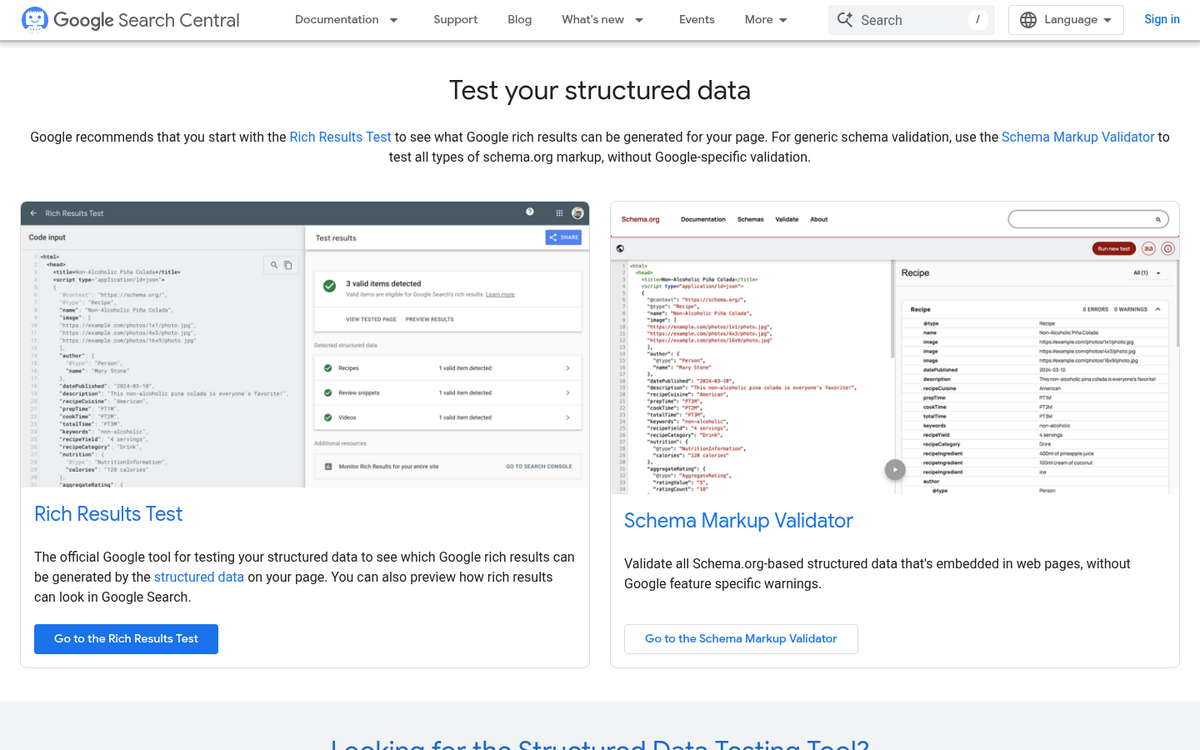
Google's Rich Results Test is a starting point. You paste in a URL or code snippet and it will show you how Google reads your structured data - it won't show you every entity Google extracts. But it does confirm if your markup is valid and readable.
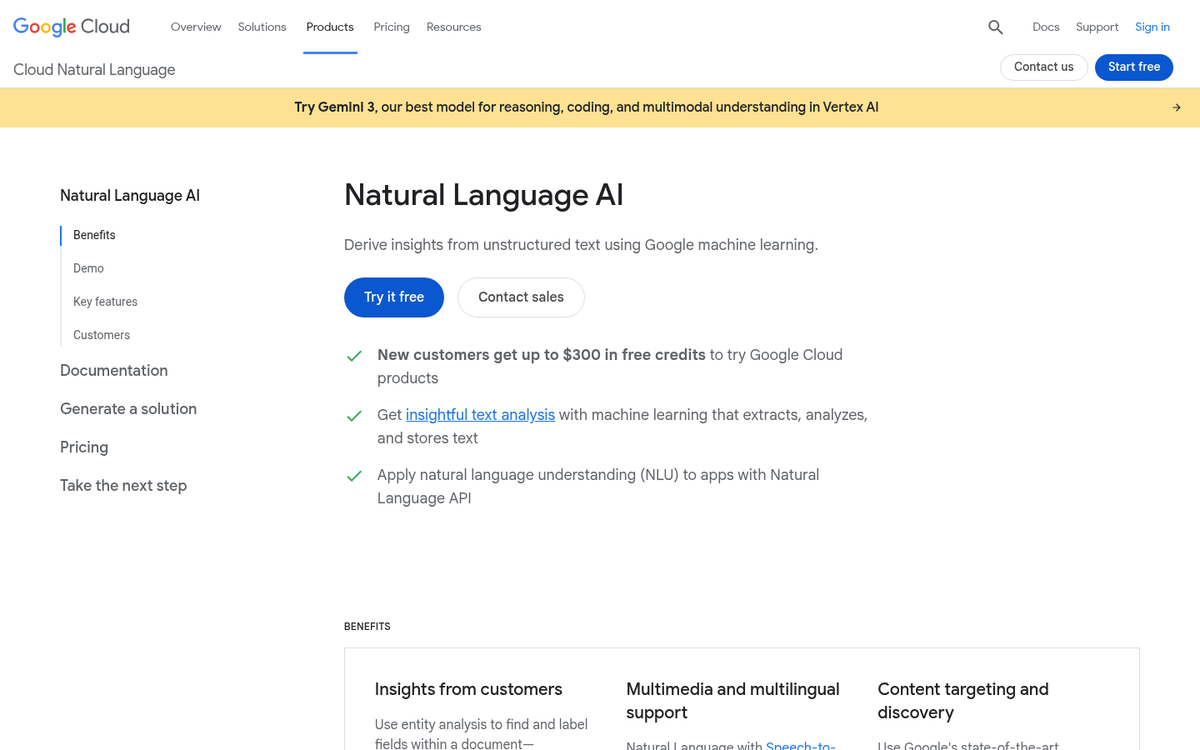
For a deeper look at entity extraction itself, free NLP demos are helpful. Tools like Google's Natural Language API demo let you paste in a paragraph and see which entities get identified - places, organizations, and more - it's a fast way to check if your content is communicating what you think it is.
If important entities aren't being picked up, that's a signal your content may be too vague or your structured data too sparse. Running this check on your most important pages is worth the few minutes it takes. If rankings have dropped on key pages, it may also be time to scan your posts for errors that could be undermining your content quality.
| Tool | What It Checks | Best Use Case |
|---|---|---|
| Google Rich Results Test | Structured data validity and readability | Checking schema markup on key pages |
| Google Natural Language API Demo | Entities extracted from raw text | Testing how well content defines your entities |
| Schema Markup Validator | JSON-LD and microdata errors | Fixing structured data formatting problems |
| Manual content audit | Clarity, context, and entity mentions | Reviewing pages where rankings have dropped |
A manual audit is also worth doing alongside any automated tool. Read through a page and ask yourself if someone unfamiliar with your brand could find who you are, what you do, and where you work. If the answer is no, the page likely needs more context before any tool can help. One related factor worth checking is whether you've installed SSL on your blog, since a missing certificate can affect how Google evaluates your site's trustworthiness.
You don't need to test every page at once. Start with your homepage, your about page, and any service pages that are central to how you want to be found.
Make Your Content Legible to Both Humans and Machines
The sites that will grow in an AI-driven search environment aren't necessarily the ones with the most backlinks or the highest keyword density. They're the ones written with clarity and intent - where people, places, organizations and concepts are introduced in context, connected to each other logically and presented in formats that machines can parse as well as humans can read; it's a writing and editorial discipline as much as a technical one.
The next step is to look at a part of your existing content through this lens. Are your key entities named explicitly? Are relationships between them clear? Would an AI confidently extract the who, what and why from your page? Small adjustments made over time add up to a content library that AI answer engines can trust - and that's where you want to be. If you're also thinking about how to start and name your blog with this kind of clarity in mind, getting the foundation right matters just as much as the content itself.
FAQs
What is entity extraction in AI search?
Entity extraction is the process AI uses to identify and classify real-world concepts in your content, such as people, places, organizations, and dates. It helps AI understand meaning rather than just matching keywords.
Why does entity extraction matter for my website?
AI answer engines use entity extraction to decide if your content is clear and trustworthy enough to cite. Structured, entity-rich content is more likely to appear in AI-generated answers.
What are the main entity types I should use?
The six main entity types are people, organizations, locations, dates, products, and concepts. The most relevant types depend on your business, such as locations for local businesses or products for SaaS companies.
How does schema markup help entity extraction?
Schema markup explicitly labels entities in your content, removing ambiguity for AI systems. It works alongside well-written prose to create two aligned signals, helping AI extract and classify your entities with greater confidence.
How can I test entity recognition on my pages?
Use Google's Natural Language API demo to see which entities are extracted from your text, and Google's Rich Results Test to validate your schema markup. A manual content audit is also recommended for your most important pages.