





Key Takeaways
- Choosing a memorable, distinctive blog name is critical-generic names require significantly more effort to build into recognizable brands.
- Before committing to a name, search Google, USPTO trademark database, state business registries, and social media platforms for conflicts.
- Secure a .com domain if possible-users default to .com, and losing traffic to another site owning it is a real risk.
- Your blog name should hint at your topic, reflect the right tone, and resonate with your specific target audience.
- Generate 20-30 candidate names before narrowing down, then verify URL availability, trademarks, and social handles for each.
Perhaps one of the most formative and pivotal decisions you can make when you're starting a blog is the choice of name. Blogs all throughout the Internet have all sorts of names, from firstnamelastname.com to brandname.com to acronyms to nonsensical phrases and mashups of words. With over 600 million blogs on the web - and less than 10% actually generating revenue - standing out starts with a name that's worth remembering.
There's power in a name and it's a choice you want to make correctly. With that in mind, I've compiled a list of problems you should think about when you're coming up with a blog name. Some of them might not apply to you and some of them can be overridden with a good enough blog, design and high quality content.
Others are more critical to the success of your blog.
Brand Recognition
The first concern is your ability to build a brand around the name you choose.
This is why you can't usually choose a generic name. If you were to try to build a brand around the blog name "Content Creator" you could probably do it - see sites like ProBlogger - but it would take a heck of quite a bit of effort and energy. A more distinctive brand name gives readers something memorable to latch onto and come back to later. Making something memorable matters.
Think of any big name site that exists. Reddit, Substack, Medium, Beehiiv - they're all short, memorable names. Think about large blogs and media businesses like The Hustle, Morning Brew and The Verge; still memorable, original names. You don't see ultra-generic names on that list. There's one related concern and it's a big one: what's the name of your company going to be, assuming you create a company to manage your blog? Are you just going to go with your name as an LLC, or are you going to make your blog name the company name?
You can go with a third option and make an unrelated LLC. But that tends to make things more complicated - it means you need to do some research into existing businesses. You never know what has already been registered as an LLC somewhere, which as you might expect makes you unable to claim the name as your business name.
While this doesn't necessarily stop you from naming your blog the same thing, it does open you up to trademark infringement, which would force you to make changes to your business, or at least defend it in court. Having a custom domain tied to your brand name makes this even more important to get right from the start.
Unfortunately, no single database for everything exists. You'll have to follow a multi-step process to search.
- First, just do a simple name search on Google. If the company exists publicly, chances are they'll show up in search results.
- If you need to dig deeper, you'll want to go to your county clerk or check your state's official business registration portal online. Many states now offer this digitally. The clerk or portal will help you find fictitious name registrations - this tells you if a company name is registered but not actively in use, or if it's claimed by a larger company.
- While you're at it, run a search in your state's LLC or Limited Partnership database. If your proposed name shows up there, you can't use it.
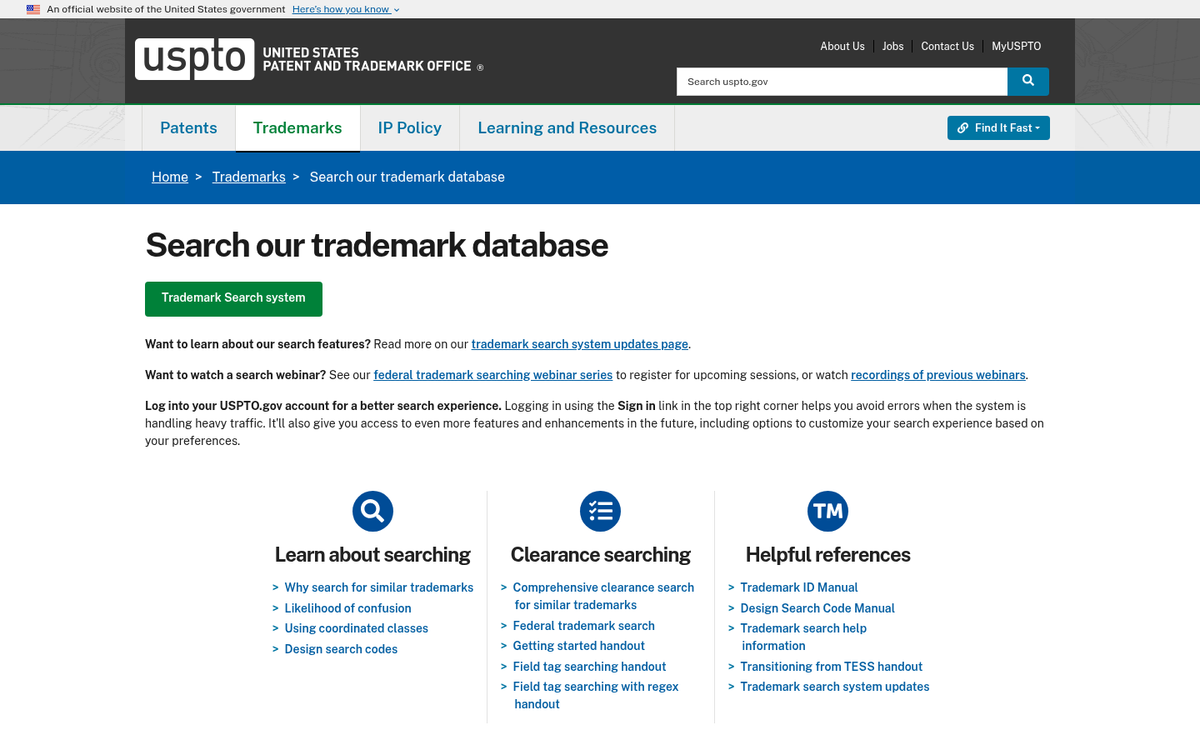
- You can also search the United States Patent and Trademark Office (USPTO) database, which maintains a relatively complete list of registered trademarks. You don't want to be the target of legal action for using a trademark you could have found through this public search.
- Additionally, search social media platforms - Instagram, X (formerly Twitter), YouTube, TikTok, and LinkedIn - to make sure your desired name isn't already taken or closely associated with another brand. In 2026, your social handle availability matters just as much as your domain.
URL Concerns
Another concern you should keep in mind is your URL.
Just like brand names can be subject to trademarks, URLs can be registered and unavailable. Sometimes they're parked and available for sale if you pay enough. Sometimes they're registered and protected specifically to prevent anyone else from obtaining them. In other cases, the domain you want might redirect to a different domain entirely.
Google owns www.gooogle.com, just to give you an example, so no one can poach traffic caused by a typo. Moz still owns www.seomoz.com from their rebrand years ago and it redirects to their latest site. These kinds of protective registrations are all too common with established businesses.
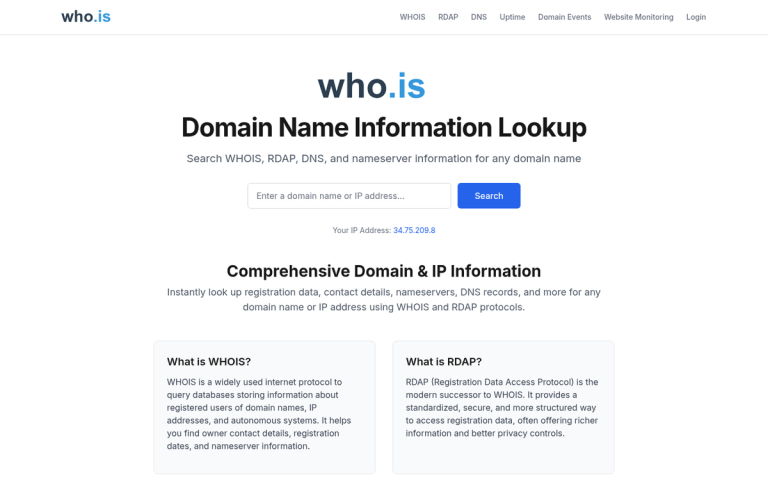
When shopping for a domain, tools like Namecheap, GoDaddy, or Google Domains (now managed through Squarespace) will quickly show you what's available and what existing parked domains are listed for sale. Prices can vary from a few dollars to tens of thousands depending on the domain's perceived value and age. If you're planning to use Squarespace, you may also want to read up on how to properly build and grow a Squarespace blog.
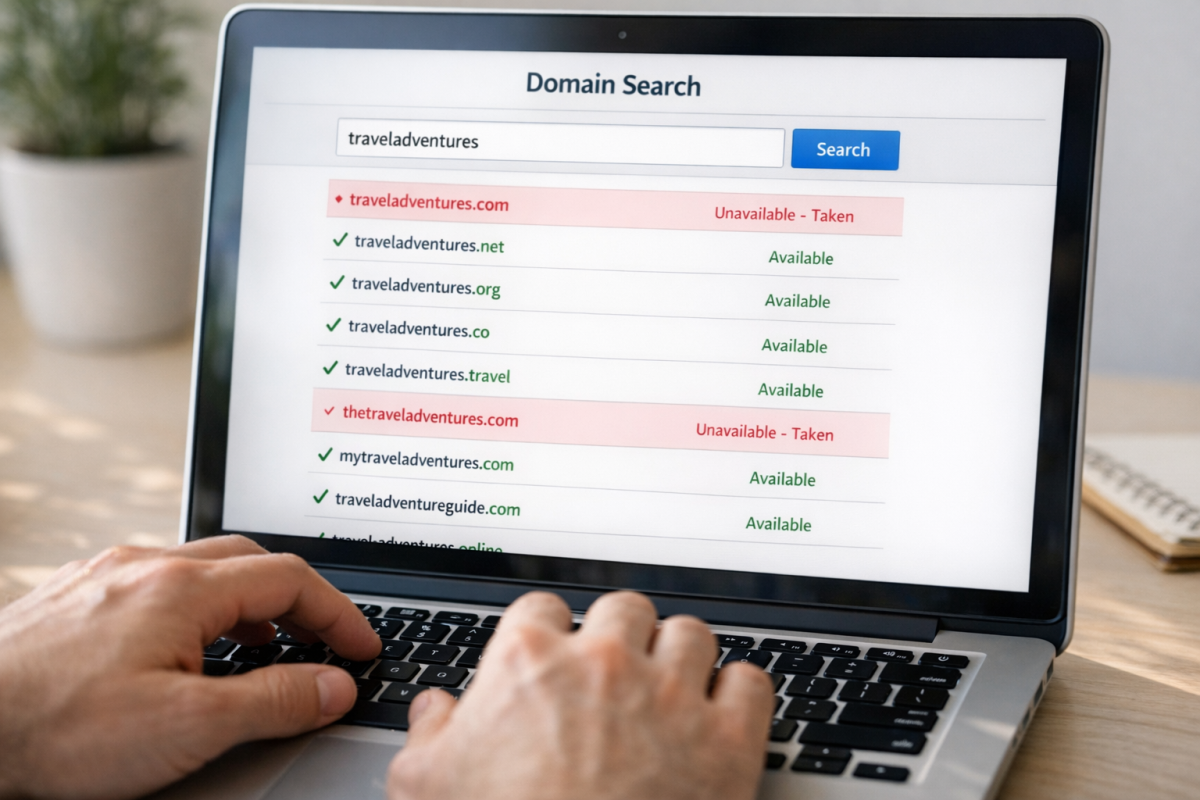
Another concern with URLs is top-level domain (TLD). You'll find these like .com, .org, .net and the rest. What you might not know is that there's now well over 1,000 of these - everything from .blog and .media to .io and .co country-code TLDs like .us, .ca and .co.uk.
Is www.blogname.com taken? You could be tempted to go with www.blogname.blog or www.blogname.co - and in some niches that's also the case; in tech, .io and .co have become legitimately respected alternatives. However, the honest reality is that .com still dominates. Most users default to typing .com out of habit and most browsers still autocomplete to it. If someone else owns the .com version of your name, then you'll lose traffic to them - whether you like it or not.
Then there's the issue of exact match domains (EMDs). An exact match domain is one that mirrors word-for-word the keyword you're targeting - think "www.bestsurvivalknives.com" for an affiliate knife site. For a long time, EMDs were an SEO benefit. Google has long since cracked down on this. Having an EMD carries little to no SEO benefit and signals low-quality intent to users and search engines. Build a brand - not a keyword string.
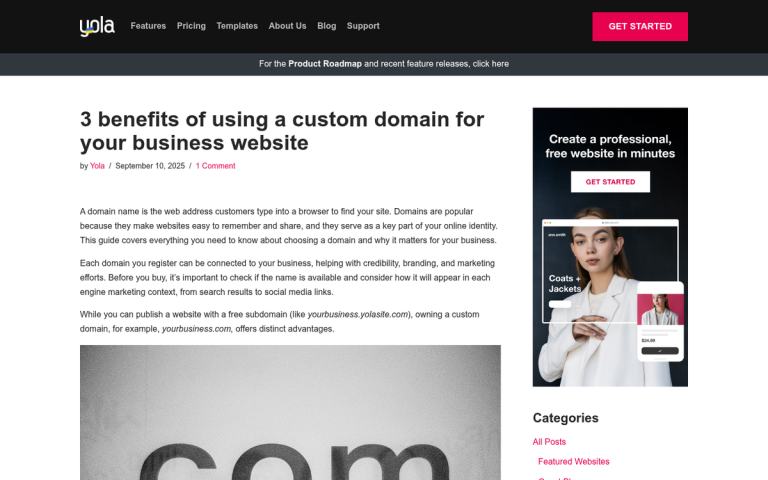
To recap: you want a blog name that can become a catchy, easy-to-remember URL, that's not an exact keyword match, that's available as a .com (or a credible alternative). That doesn't tread too closely to an existing brand - while still conveying the feel and voice you want. It's also worth considering whether to install your blog on a separate domain entirely.
Simple enough. Right? In the words of the immortal Billy Mays:
Relation to Topic
Here's a quick point to keep in mind: your blog name should be related in some way to your topic.
It sounds logical. But plenty of blogs launch with names that have nothing to do with their content - and then wonder why new readers can't figure out what they're about. Would you name a food blog The Wretched Hive? Would you name a personal finance blog Going Swimming? The name should give at least a little hint of what they're about. If you're unsure whether your concept is connecting, it helps to understand what makes a blog suddenly become popular.
You have a bit more flexibility with a personal brand blog; your name itself can become the brand. In 2026, personal brand blogs and newsletters have seen a resurgence - especially on places like Substack, where personal voice and perspective drive subscriptions. If you're building around your personal brand, your own name or a personal moniker can work. Otherwise tie it to your niche - and consider the business model you plan to use when deciding how specific or broad that niche should be.
Appeal to Target Audience
Another consideration is how your target audience will perceive your name.
You need to look at it from multiple angles. You never know what connotations a word carries that won't land the way you intended - this extends past obvious dangers - think about how a name sounds when spoken aloud, how it reads as a URL without spaces and if it might be misread or misheard. The classic example remains penisland.net, a well-meaning innocent pen retailer that... didn't think that one through.
It also just needs to be desirable to the right crowd. Niche language can work brilliantly within a tight community but doesn't work outside of it. Know your audience before you finalize anything.
Indication of Tone
Tone matters when writing a blog or running a business - it shapes how users perceive you from the first impression - which, increasingly, is your name itself appearing in a search result or social media post.
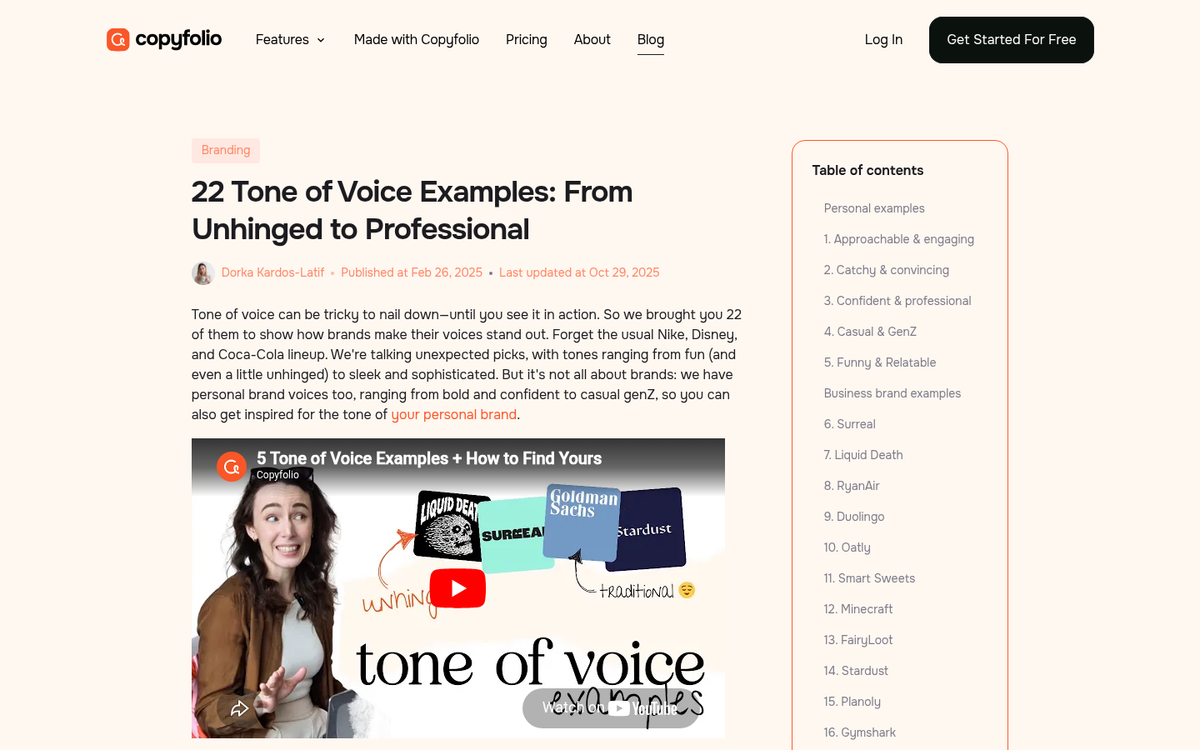
A dry, authoritative name conveys expertise and formality. A playful, punchy name conveys personality and accessibility. Neither is universally better - it depends entirely on what you're writing about and who you're writing for. A childcare blog and a Wall Street financial analysis blog should feel different in name and voice. Make sure your name sets the right expectation before a single word of content is read.
Competitive Analysis
You need to look into the names of other blogs and publications in your niche before committing to anything.
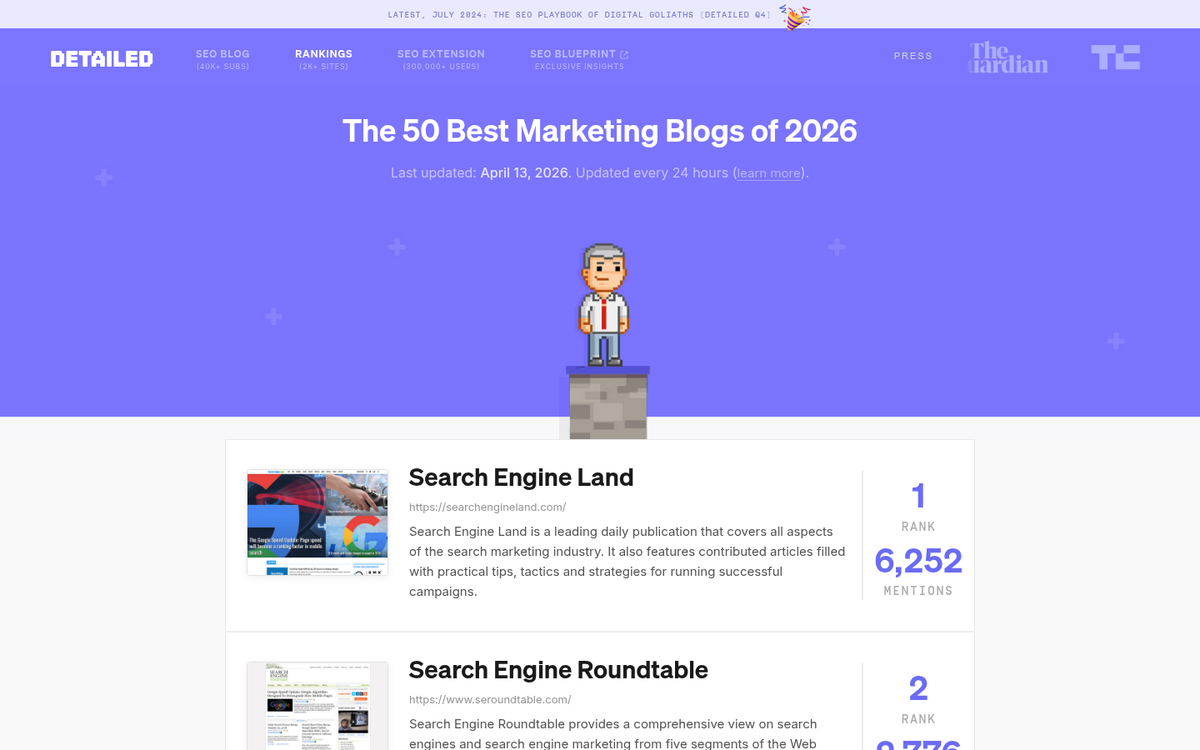
If you're blogging about marketing and SEO in 2026, you're operating in a space populated by names like Ahrefs Blog, Backlinko, Search Engine Journal, Search Engine Land and Moz. That gives you a sense of what's already dominant - and what naming convention feels fresh versus derivative. Newer entrants in this space have leaned toward punchy single-word or compound names that feel more like media businesses than topic descriptors.
Look at the top 10 to 20 blogs in your niche. Analyze what their names have in common. Then figure out how to position yours differently - not so different that it feels out of place, but enough to be remembered.
Foreign Languages
One interesting option is to translate a common concept into another language to find a name that's novel in English-speaking markets but carries meaning.
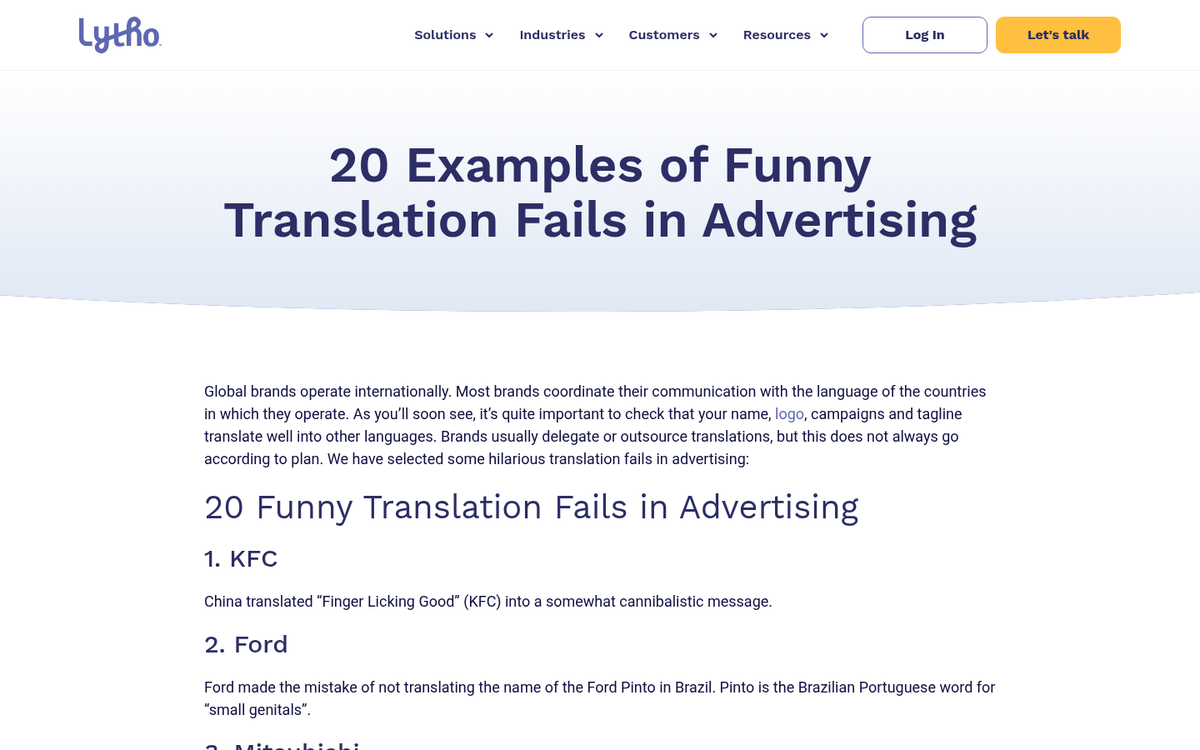
This can work beautifully - but proceed carefully. The Internet is global and what sounds interesting and refined in one language can be embarrassing, offensive, or just plain confusing in another. Do your research across multiple languages and dialects before committing. The Ford "corpse" translation story is the classic cautionary tale. But new examples surface every year.
The bigger danger is user uncertainty and unintended meaning. If visitors can't easily understand or remember your blog name, you may find yourself struggling to get readers no matter how good your content is.
Future Rebranding
Even with careful planning, circumstances can force a name change. Focus changes, competing businesses emerge, mergers happen, or you simply grow out of an early name that no longer fits who you are.

Rebrands are expensive, time-consuming and usually cause some audience loss - even when handled well. One thing to be aware of is getting your shares back after changing a URL, as social proof can take a hit during a rebrand. The best way to avoid one is to put thought into your name before launch.
You should also take the time to register your trademark once you've committed to a name. That way, if a bigger company launches something that shares your name, you have legal standing to push back - or to negotiate a settlement that compensates you for the change.
A Sample Process
Here's a quick brainstorming framework that has worked well in practice. Feel free to adapt it to your own style.

- Boil your topic down to one word. Say you're blogging about home cooking with an emphasis on simple, healthy meals. Core words might be "nourish," "wholesome," or "fresh."
- Brainstorm 20-30 related words. Use a thesaurus, but also think about feelings and associations - "sizzle," "harvest," "pantry," "plate," "ritual."
- Think about your audience and your own identity. Are you a home cook, a nutritionist, a busy parent? Layer in words that reflect who's writing and who's reading.
- Start combining words. The Wholesome Plate, Harvest Kitchen, Simple Nourish, Daily Pantry.
- Play with variations and formats. Maybe it's shorter - just "The Pantry" or "Harvestable." Maybe it's a made-up compound word.
- Consider inventing a non-word. Sizzletastic is a bit much, but something like "Nourishly" or "Forkful" might work perfectly.
- Check your shortlist against everything above - URL availability (especially .com), trademark searches, USPTO database, social media handle availability, and a quick competitive scan of your niche.
Come up with at least 20-30 candidate names before you start removing. The more options you generate, the more likely you are to land on one that's available and legitimately resonant. Brainstorming with one or two others - especially people in your target audience - is well worth the time. A name that excites you might not land the same way with the people you're actually trying to reach.

1 response
Thoughtful replies only - we moderate for spam, AI slop, and off-topic rants.
Excellent, informative advice, thanks Kenny.