




For website owners, NLU is no longer just a technical curiosity. It sits at the core of how modern answer engines - think Google's AI Overviews, ChatGPT, Perplexity and similar tools - choose which content deserves to surface as a direct answer to a user's question. When an AI pulls a response from your site instead of a competitor's, NLU is doing the heavy lifting behind that choice.
This is where Answer Engine Optimization (AEO) comes in. AEO is the practice of structuring and writing your content so AI-powered systems can read, interpret and trust it as a credible source of answers. To do that well, you'll have to know how NLU works - because an AI that comprehends language will reward content that communicates clearly - not content that basically repeats keywords.
This entry breaks down what NLU means in practical terms, how it shapes the way answer engines review your content and what you can do as a website owner to match your content strategy with how these systems think. No deep technical background required - just a willingness to look at your content through the lens of a machine that's trying to understand what you're saying.
Quick Answer
Natural Language Understanding (NLU) is a branch of artificial intelligence that enables computers to interpret, analyze, and derive meaning from human language. It goes beyond simple speech recognition to understand intent, context, sentiment, and semantics. NLU powers applications like chatbots, virtual assistants, search engines, and sentiment analysis tools. Key tasks include named entity recognition, intent detection, and semantic parsing. It relies on machine learning, deep learning, and linguistic rules to bridge the gap between human communication and machine comprehension.
What Natural Language Understanding Actually Does
At its core, NLU is what lets an AI system do more than scan for matching words - it reads language the way a person would - picking up on intent, context and meaning instead of just looking for a string of characters that fit a query.
Consider the difference between a basic search engine from 20 years ago and something like ChatGPT or Google's AI Overviews. The old strategy was basically pattern matching. You typed "best running shoes flat feet" and the engine looked for pages with those exact words.
To make this concrete, imagine asking a colleague "can you handle the Tuesday meeting?" A keyword-based system reads "Tuesday" and "meeting" and calls it relevant. A system with NLU understands you're asking to take responsibility for something and that the answer can depend on availability and context. That distinction matters enormously when AI systems try to interpret content on the web.

NLU breaks language down into a few layers. Intent tells the system what a person is trying for - get an answer, find a product, or learn how something works. Context fills in the gaps that words alone don't cover, like knowing "it" refers to the product mentioned two sentences ago. Sentiment picks up on tone, so the system can tell the difference between a glowing review and sarcasm.
These layers work together to help AI engines move past surface-level text and get to meaning. A page that says "this product changed my life" reads very differently depending on if the surrounding text is enthusiastic or dripping with irony.
This is why NLU matters for anyone creating content that AI systems need to read and interpret. They're drawing on content where the intent is clear, the structure makes sense and the meaning holds up without the reader needing to fill in blanks.
Keyword stuffing used to work because the systems reading your content weren't reading at all. NLU changes the game because the AI is legitimately trying to know what your content means and if it answers the question at hand.
How NLU Powers Answer Engines and AI Search
Answer engines don't scan pages for matching keywords and return the closest result. They use NLU to read content the way a person would - weighing what a question actually means before picking which page earns the answer.
This distinction matters quite a bit for website owners. Two pages can have the phrase "how to lower blood pressure" but one might explain causes, one might list helpful steps, and only one actually answers what the user wanted to know. NLU is what helps the engine tell the difference.
When a query comes in, AI search systems break it down into layers. Intent is the first layer - is this person trying to learn something, do something, or find a place? Entity recognition comes next; the system identifies the products, topics, and relationships mentioned in the query and the content it's looking at. Semantic relevance ties it together by measuring how well the meaning of a piece of content lines up with what the user was after.
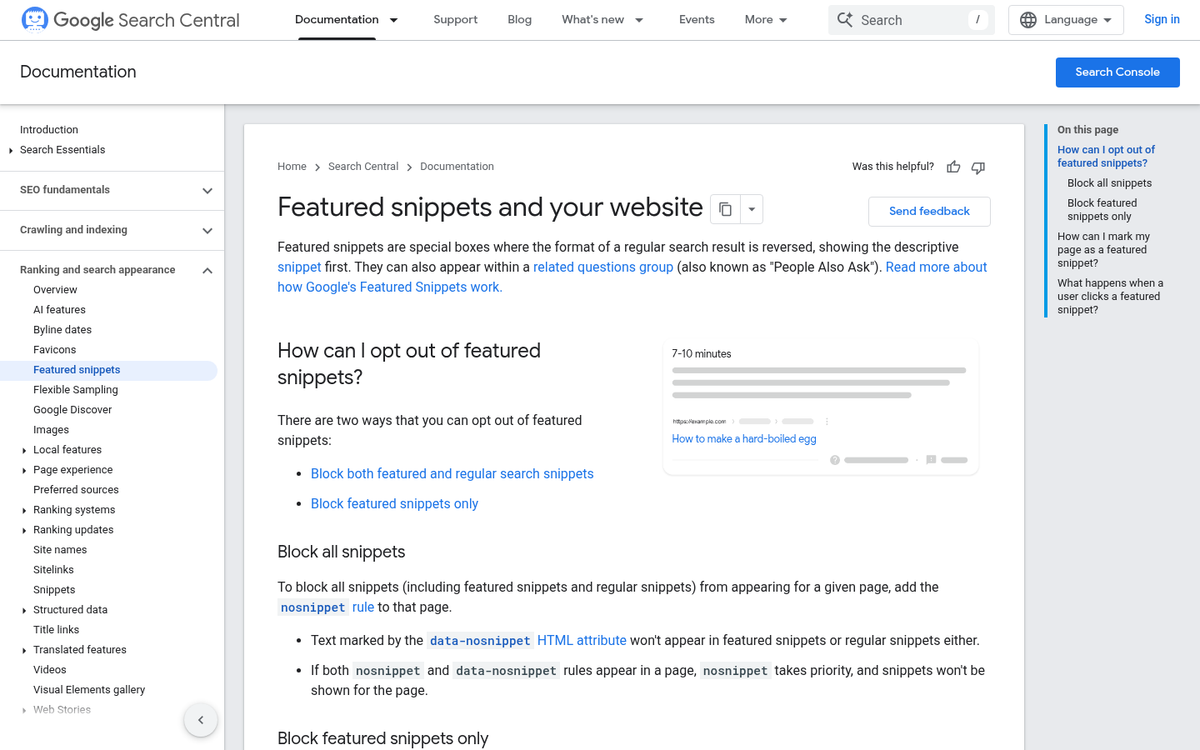
Google's Search Generative Experience works this way under the hood. Rather than surface a list of links and let the user do the reading, it pulls together a synthesized answer from sources it considers relevant to the intent behind the search. That entire process is powered by NLU.
The same thing goes for tools like Perplexity, Bing Copilot, and other AI-assisted search products.
When your page gets chosen as a source, it's because the system read your content and judged it to be a strong match for what was needed. When your page gets passed over even though it's on-topic, it's usually because the language model found the meaning vague, the intent poorly matched, or the entities too loosely connected to the query.
This is why the old strategy of repeating a target keyword throughout a page has lost its edge. NLU doesn't reward repetition - it rewards relevance. A page that closely addresses a topic in natural language will outperform a page that packs in keywords but never gets to the point. This applies whether you're blogging in your native language or not - what matters is that your meaning comes through clearly.
You're writing for a system that reads for meaning and makes judgment calls about what your content is actually saying.
The Signals NLU Picks Up From Your Content
When an answer engine reads your page, it isn't scanning for keywords the way older search algorithms did - it's reading for meaning - and there are a few things it pays close attention to.
Entity naming is one of the first things NLU systems check. An entity is any named thing: a person, place, product, organisation, or concept. When your content names these things consistently, the system can build a reliable picture of what your page is actually about. Switching between "Google Search", "the search engine" and "the platform" in the same post makes that harder than it needs to be.
Sentence structure matters too. NLU models parse the grammatical relationships between words to know who is doing what to whom. Short, direct sentences with a subject and verb are much easier to interpret than long tangled ones with a few clauses fighting for attention.
Topical depth is another strong signal. A page that covers a subject closely - touching on related ideas, answering follow-up questions, and using the natural vocabulary of that topic - tells the system that this content legitimately knows its territory. Thin content that repeats one idea in slightly different words does the opposite.
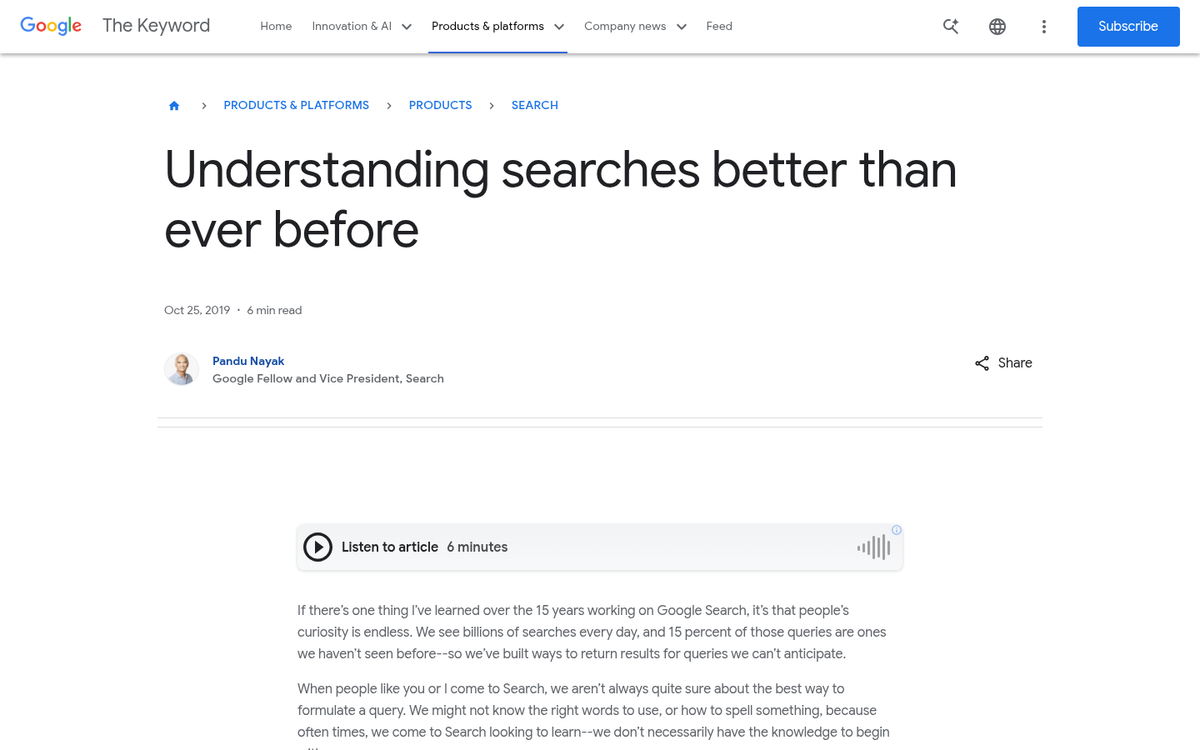
Question-and-answer formatting is worth mentioning. When a heading has a question and the paragraph underneath answers it directly, NLU systems can match that content to user queries with more confidence. That's part of why FAQ-style sections get pulled into featured snippets and AI answers so frequently.
Contextual consistency ties this together. If your page title, headings, body text, and image alt text all point to the same topic, that coherence reinforces every other signal. Contradictions or sudden topic jumps create noise that makes the content harder to interpret.
| NLU-Friendly Content | Keyword-Stuffed Content |
|---|---|
| Uses consistent entity names throughout | Switches between synonyms to "vary" keywords |
| Answers a question directly under a clear heading | Buries the answer in unrelated filler text |
| Covers a topic with relevant supporting detail | Repeats the target phrase with little added context |
| Uses natural sentence structure with clear subjects | Forces awkward phrasing to include exact-match terms |
| Maintains topical focus from title to conclusion | Drifts into loosely related territory to add word count |
These tells aren't independent from each other. They work together to give NLU systems a confident read on what your content means and who it should be shown to.
Structuring Your Content So NLU Can Read It
The good news is that you don't need a developer or a big budget to make your content easier for NLU systems to interpret. Most of what helps is writing practice - and a few small habits that go a long way.
Start with your headings. A heading like "Our Services" tells a system very little. But "Accounting Services for Small Businesses in Leeds" gives it something to work with. Be direct and descriptive with every heading on your page, because NLU uses them to know what each section is actually about.
Write in natural question-and-answer patterns where it makes sense. If someone is likely to ask "How long does delivery take?", answer that question directly in your copy - use that phrasing, then give a plain answer right after it. This mirrors the way conversational search works and helps NLU connect your content to user intent.

Define your terms explicitly instead of assuming the reader already knows what you mean. If your business uses industry-specific language, write out what it means the first time you use it. NLU systems are good at context. But they work best when the content itself is self-explanatory.
One thing writers forget is pronoun ambiguity. Sentences like "it works with the system and connects to it" are hard for a human to parse, let alone a machine. Use the names of things instead of leaning on "it", "they", or "this" too much. A little repetition is fine - it adds meaning.
Schema markup is worth mentioning here because it acts as a direct layer of meaning on top of your content - it's code you can add to your pages (or ask a developer to add) that tells search engines what type of content they're reading - a product, a review, a local business, a FAQ. You don't have to know the code yourself to benefit from it, and places like WordPress have plugins that manage it.
Keep your page structure steady across your site too. When every page follows a recognisable pattern - heading, explanation, supporting detail - NLU systems can move through your content more reliably. Consistency tells them that your site is well-organised, and that the content in each section means what it says it means.
Where Most Websites Fall Short With NLU
You can spend time on your content and still have NLU systems have a hard time with it; it's not a reflection of effort - it's a reflection of how easy it is to write in ways that feel natural to humans but leave machines without enough to go on.
One of the most common problems is vagueness dressed up as writing. Phrases like "we take a tailored approach" or "our process puts clients first" sound polished. But they don't tell NLU anything concrete. There's no entity, no action and no outcome to extract. The content reads well on the surface but carries very little meaning underneath.
Jargon is another problem - and it cuts both ways. Industry language without any surrounding context leaves NLU unable to categorize the topic accurately. At the same time, some writers go the opposite direction and use overly simple language that strips out the specifics NLU relies on to know what a page is actually about.
Then there's the structure problem. A lot of websites bury the answer. The most important information sits three paragraphs down, wrapped in background context that felt necessary to include. NLU systems do weight content that appears earlier and prominently, so pages that take a long time to get to the point tend to underperform.

Here are some of the patterns that come up most:
- Headlines that hint at a topic without naming it directly
- Answers placed at the end of long explanatory blocks
- Product or service descriptions that focus on tone instead of facts
- Pages that mix multiple unrelated topics without clear separation
- Images or graphics that carry information which should be in text - the same principle applies when you add an embed code to an infographic page rather than leaving meaning locked inside a visual
That last one trips people up. A chart or diagram might communicate something well to a human reader. But if the same information isn't in the surrounding text, NLU has nothing to work with.
It's also worth naming something that doesn't get said enough: most of this content was written with care. The problem isn't laziness - writing for human readers and writing for machines pull in slightly different directions. Recognizing where those gaps show up is the first step to closing them. If you're looking to promote a new WordPress blog, making sure your content is machine-readable from the start will save you a lot of rework later.
NLU Across Different Content Types on Your Site
Most people think about NLU in the context of blog posts. But it touches every page on your site, and each content type carries a different intent, and search engines read them differently because of it.
Blog posts tend to have the most room to work with. You can build context slowly, you can use natural language to cover a topic from multiple angles, and let related ideas reinforce each other. That depth gives NLU systems quite a bit to work with when they try to understand what your content is about.
FAQ pages are a different story. The structure is tight, and each answer needs to stand on its own. Short answers that don't have much context can leave NLU systems without enough signal to match your content to the full range of questions people actually ask. A little more detail in each answer goes a long way.
Product pages are usually the weakest link. Descriptions get stripped down to specs and bullet points, which makes them harder to interpret. When you add natural, contextual language around what a product does and who it helps, you give search engines something more substantial to work with. If you sell products directly, it's worth looking at shopping cart plugins that work with your blog to make sure your product pages are set up well.
Landing pages have a focused job to do, and that focus can help with NLU if the language stays steady. The problem is when landing pages get too vague in an attempt to appeal to everyone. A page that tries to say everything ends up telling very little.
Meta descriptions are easy to forget here. But they still influence how your content is understood at a glance. They're not the place for keyword stuffing - they tend to be more helpful as a plain-language summary of what visitors will actually find on the page. Tools like Answer The Public can help you write summaries that reflect how people actually phrase their searches.
| Content Type | Primary Intent Signal | Key NLU Consideration |
|---|---|---|
| Blog posts | Informational | Build context and let related ideas connect naturally |
| FAQ pages | Conversational / question-based | Give answers enough detail to stand alone |
| Product pages | Transactional | Add descriptive language around specs and features |
| Landing pages | Conversion-focused | Keep messaging focused so intent stays readable |
| Meta descriptions | Navigational / summary | Write plain summaries, not keyword lists |
The same principles you apply to your best blog content apply everywhere else too. Every page type is an opportunity to communicate intent more clearly to users and search engines.
Making Your Website a Language AI Can Trust
Ask yourself: Does this page answer a question directly? Is the language precise and well-structured? Would a reader - or a machine - walk away with a clear understanding of the topic? That single audit can show more about your content's NLU readiness than any keyword report. Consider using an AEO readiness checklist to evaluate where your pages stand.
The trajectory is clear: answer engines are becoming the dominant way to find information online, and the websites that adapt to how AI reads and interprets language will have a real advantage. Start small, stay consistent, and think of every content update as another opportunity to communicate with more clarity and intent. The future of search rewards meaning - it's something worth building toward.
FAQs
What is Natural Language Understanding (NLU)?
NLU is technology that allows AI systems to interpret language by understanding intent, context, and meaning - not just matching keywords. It enables answer engines like Google AI Overviews and ChatGPT to determine which content best answers a user's question.
How does NLU affect which content answer engines choose?
Answer engines use NLU to assess intent, identify entities, and measure semantic relevance. Content that clearly communicates meaning and directly answers questions is more likely to be selected as a source than keyword-heavy content that lacks clarity.
What content signals does NLU look for on a page?
NLU evaluates consistent entity naming, clear sentence structure, topical depth, question-and-answer formatting, and contextual consistency across headings and body text. Pages where all these signals align are easier for AI systems to interpret accurately.
Why does keyword stuffing no longer work for SEO?
Modern AI systems use NLU to read for meaning, not keyword frequency. Repeating a target phrase adds no interpretive value - content that addresses a topic naturally and completely will outperform pages built around keyword repetition.
How can website owners structure content for better NLU?
Use descriptive headings, write direct question-and-answer sections, name entities consistently, avoid pronoun ambiguity, and consider adding schema markup. Keeping a consistent page structure across your site also helps AI systems navigate and interpret your content reliably.