More and more these days, websites are adopting plugins and tools that allow visitors to connect directly to a web-based live chat agent. This agent is there to answer questions, ranging from customer support to sales. A skilled live chat agent can dramatically increase your conversion rates just by being available to answer questions without the delay of email or the hassle of a phone call. On the other hand, a "live" chat agent that's really a mask for an offshore call center worker or a chatbot can drive people away when they realize they're not getting the real help they were promised.
The problem with a live chat operator is, well, it needs to actually be a live person. You need a real person on the other end of the line, available to answer any questions that may come up. If you're hiring people to do this internally, you're going to be paying for 24/7 coverage through several people, which can get very expensive. Domestic U.S. operators typically run $25-$30/hour, which adds up quickly around the clock. So where is the middle ground? How can you manage a live chat operation that's both affordable and effective? The solution, as you may have guessed, is careful outsourcing.
Key Takeaways
- Domestic live chat operators cost $25-$30/hour, but outsourcing to places like the Philippines dramatically reduces costs.
- Outsourced live chat services can provide 24/7/365 coverage for as little as $185/month, far cheaper than in-house hiring.
- Successful live chat requires well-trained agents with genuine conversational ability, sales experience, and some decision-making authority.
- Freelancers via platforms like Upwork are an option, but avoid the cheapest rates as quality typically suffers accordingly.
- Always test potential hires with realistic customer scenarios before going live, including situations requiring escalation or uncertainty handling.
Why Outsource?
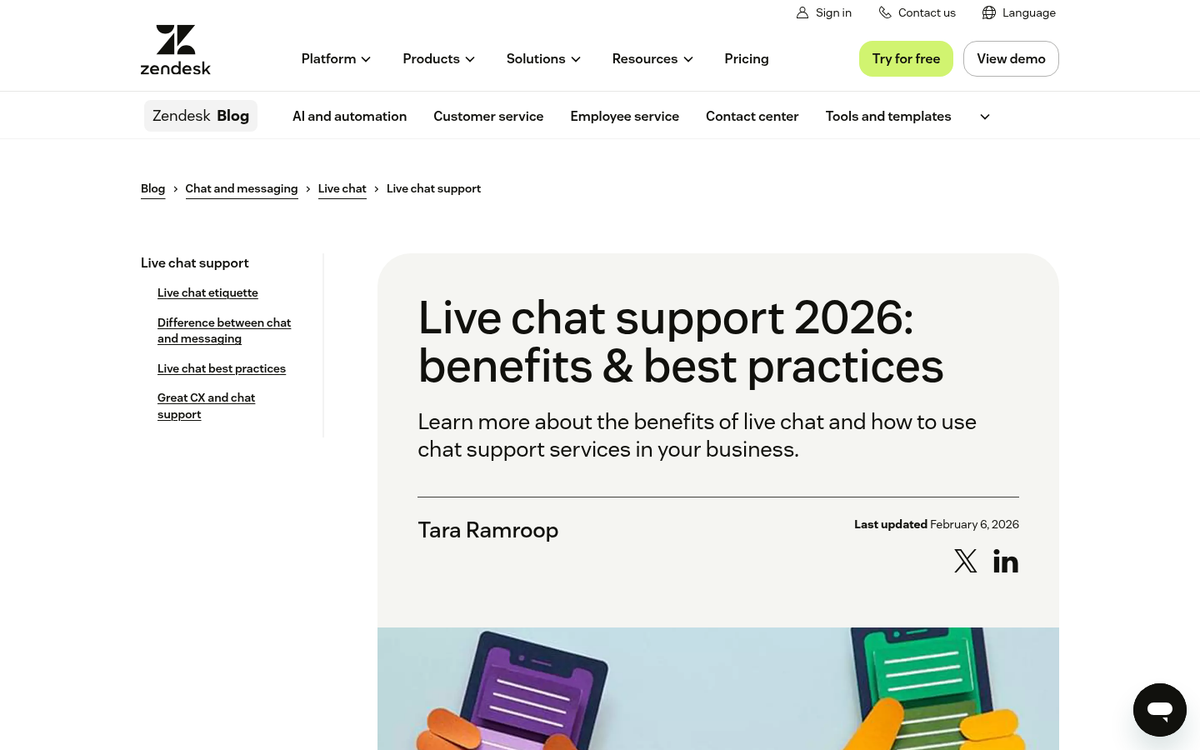
There are a number of great reasons to outsource your live chat, most of which are great reasons to have live chat in the first place.
- 79% of customers prefer live chat for getting instant answers, making it one of the most in-demand support channels available today.
- Chat is faster and more responsive than email, call centers, or other forms of communication - response times can drop dramatically with the right team. CloudTask, for example, helped one client reduce average response time from 6.7 minutes to just 1.8 minutes in seven weeks.
- Live chat is cheaper than a dedicated business phone line, and with the right setup, the cost per interaction can be as low as $1 per contact.
- One chat agent can manage multiple conversations at once, which isn't possible with phone lines, though if multiple complex conversations are active simultaneously, quality can suffer.
- Live chat helps people get immediate support if they encounter a problem mid-purchase, where they would otherwise abandon their cart and shop elsewhere.
- Live chat can boost lead generation by 20-40% compared to traditional web forms, giving you a real competitive edge.
- At targeted places in the conversion process, with known pain points, live chat can offer customized introductions in order to ease those pain points before they cost you a sale.
- Outsourcing gets you all of this cheaper than hiring in-house agents to work around the clock - services like HelpSquad offer 24/7/365 live chat staffing for as little as $185/month.
The Keys to Successful Live Chat

So what makes a live chat agent successful?
- Training. Even if you're outsourcing, the agent on the line needs to be extremely well informed about your brand, your products, and your processes. Deep documentation is helpful, but you also need to empower them with at least some minor decision-making authority to help close sales or resolve support issues on the spot.
- Hours. Unless you're limiting your live chat operation to business hours, you're going to need coverage during the hours your customers are actually buying. For many online businesses, this means evenings, weekends, and odd hours driven by international customers. Outsourcing to regions outside of America - like the Philippines - allows you to get that coverage affordably.
- Humanity. If your agents are copying and pasting from a rigid script, they're going to come off as robotic. The power of live chat is the connection with a real human being. Allow your agents to flex genuine conversation skills rather than forcing them into a template that feels hollow.
- Sales ability. It's entirely possible to hire live chat agents with real sales experience who are capable of closing deals that a less experienced agent would let slip away.
- Transcripts. A good chat platform will allow the user to save or receive a transcript, so they can reference any information or commitments made during the conversation.
Tips for Cheap, Good Chat Operators

You have three main options when it comes to hiring a chat operator.
The first is to hire staff for your existing customer service team. Do not make the mistake of simply piling live chat onto your current team unless they are genuinely under-worked. One skilled chat operator working full time can handle approximately 800 support chats in a month. Depending on your traffic volume, that may be more than enough - or nowhere near enough. Either way, you don't want to overload an already stretched customer service team with live chat duties on top of everything else. It will be neglected, 100%.
The second option is to hire freelancers. Platforms like Upwork make it relatively straightforward to find freelancers willing to handle customer support and live chat. Rates vary widely - outsourced live chat support generally runs anywhere from $10 to $45 per hour depending on experience, location, and skill level. The best freelance chat agents will bring both deep product knowledge and sales experience, which is what really makes live chat shine. These agents are worth paying for if you can afford them. That said, avoid the cheapest options available - while the occasional bargain exists, most rock-bottom-priced freelancers will deliver rock-bottom-quality results.
The third option - and often the best value - is to hire in a country with a lower cost of living but high standards for outsourced business work. The Philippines remains one of the strongest choices here. Agents there typically speak and write fluent English, are experienced with American business culture and outsourcing norms, and are available at rates that reflect a significantly lower local cost of living. Fluent English is a real advantage in this market. Managed services like HelpSquad also operate in this space, giving you a more turnkey solution if you'd rather not recruit and vet individual agents yourself. Per-agent monthly plans from various providers generally range from $15-$60/agent, and traffic-based plans typically run $40-$600/month depending on volume.
Regardless of which route you choose, always test your potential hire before going live. Give them your product documentation, access to any knowledge base or FAQ you have, and then have a colleague pose as a customer with a handful of realistic questions - including at least one that would require them to escalate or ask you for more information. Pay attention to whether they handle uncertainty honestly rather than guessing or going silent. If they pass that kind of test with flying colors, you may have a strong hire on your hands.