Key Takeaways
- Google doesn't penalize duplicate content unless it's intentionally deceptive; changing post dates won't fool search engines.
- Copyright determines whether you can legally repost content - own the copyright or get explicit permission first.
- Evergreen content can be reposted by bumping it to the top; changing its URL destroys existing SEO value.
- Syndication agreements are the primary legitimate way to repost content from or to other websites.
- When reposting to platforms like LinkedIn or Medium, wait at least one week so Google indexes your site as the original source.
As you run a blog, you accumulate content. Content stacks up day after day, week after week, year after year. Eventually, even a small, casual site can have hundreds or thousands of old blog posts.
The cruel fact of the internet is that, in most cases, most older content is basically worthless. Think about every pop culture news site; who wants to go back and read old articles talking about screenshots from an upcoming Game of Thrones episode, or rumors about the plot of Avengers Endgame, or articles announcing the release dates of movies from 2011?
Sure, some of that content may be of interest to pop culture historians. Other bits of it are not. Who needs old articles about movie release dates when they have Wikipedia and IMDB to give you that information? When it's news, it drives traffic. When it's not, it just takes up space on a hard drive somewhere.
But some of that old content isn't worthless. There's an argument to be made that the backlog of old content helps Google build an adequate index of your site and, more than that, lets them extremely accurately categorize your site as relevant for queries. Maybe your pop culture site hasn't written about books in a few months. But your backlog of book reviews lets Google know that you do cover those and movies and TV.
Some old content is helpful, as well. We marketers call it evergreen content, after the trees. Content that stays green all year 'round, even when winter relaxing is turning other trees brown and barren.
The question is, can your old content be used for something else? Can you repost it for value, or is that something Google will see as a spam technique and penalize you for trying?
Content Reposting Factors
First, let's look at a few things. These help you choose if it's okay to repost a piece of content, or if it isn't.
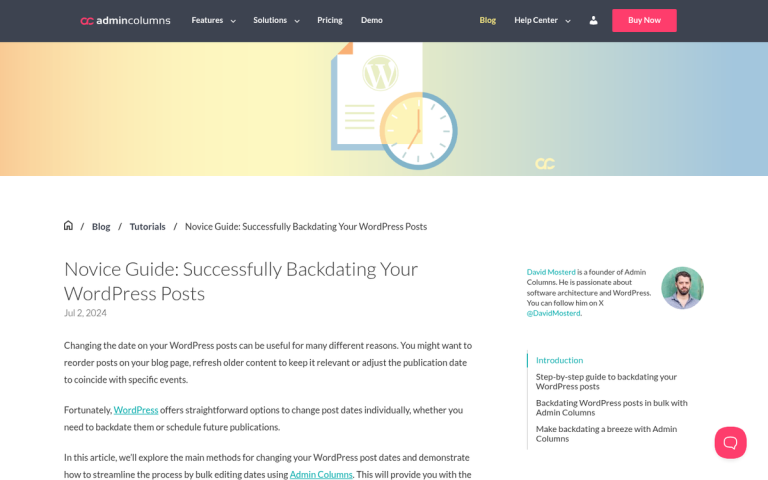
Before we start, I will note that Google does not care if you repost content within parameters. Google has explicitly stated that duplicate content is "not grounds for action...unless the intent...is to be deceptive and manipulate search engine results." With Google holding over 81% of the widespread search market share, their policies on this matter carry significant weight. That said, Google is aware when all you do is change the date on a piece of content. They know it's old, because it's been in their index for as long as it has existed. Changing the date might fool web users. But it won't fool search engines.
Is the content yours, or someone else's? That is the first question you'll have to answer. If the content is yours, you can usually repost it without problems. If the content is not yours, you might need permission from the person who created it. If they're a writer who wrote it under contract for you, chances are you own the copyright for it and can do whatever you want with it. If it's not written under contract, chances are you don't have the rights to do anything with it.
I've seen a few business owners hire a writer and then try to use everything the writer has ever written, even when that content was written for someone else. Freelancers usually have multiple clients, and those clients are very separate. What matters here is always going to be copyright; if you don't own the copyright to a piece of content, you can't do anything to it outside of the dictates of fair use. Fair use is a tough subject. But then again, if you're thinking in terms of "repost" and not "parody", you're probably not in the arena of fair use.
Is the content on your website, or someone else's? This may seem like it's the same question as the above. But it has some slight differences. There can be content on your site that was written by someone else, like in the case of guest posts or posts from writers who have since left the site. There can also be content you wrote that's on other websites, as in guest posts again.
Again, whether or not you can repost a piece of content here mostly depends on copyright. Do you own the copyright to the material? Or, does your business? Content written for your website is usually owned by your website. Content you write and submit as a guest post to another website is usually owned by that other website.
So, no, usually you can't publish guest posts you wrote for other sites on your own site, at least not without permission. Those sites may have a clause in their contract saying you can do whatever you want with it after a year. But those are rare in comparison to those that basically own rights in perpetuity. Always make sure that you read your contracts, friends!
Is the content evergreen or deciduous? You can repost both kinds of content. But you have a choice to make with them.
For evergreen content, remember that it's evergreen because it still has value. Reposting it might not do anything. If all you're doing is bumping it to the top of your feed and giving it a new date, sure, you might bring in an influx of new readers with it. But if you intend to publish it on a new URL to make it look like new content, you're removing the existing value from the old content. All the existing links and traffic will disappear, and it's worth mentioning that redirect strategies carry their own dangers - according to SEMrush, 8.58% of all websites have redirect loops, which can silently drain SEO value if you're not careful.
For deciduous content, you can assume that the old version of the content has no existing value. The question becomes: is it something you can repost that will have value, or will you have to add new value to it?
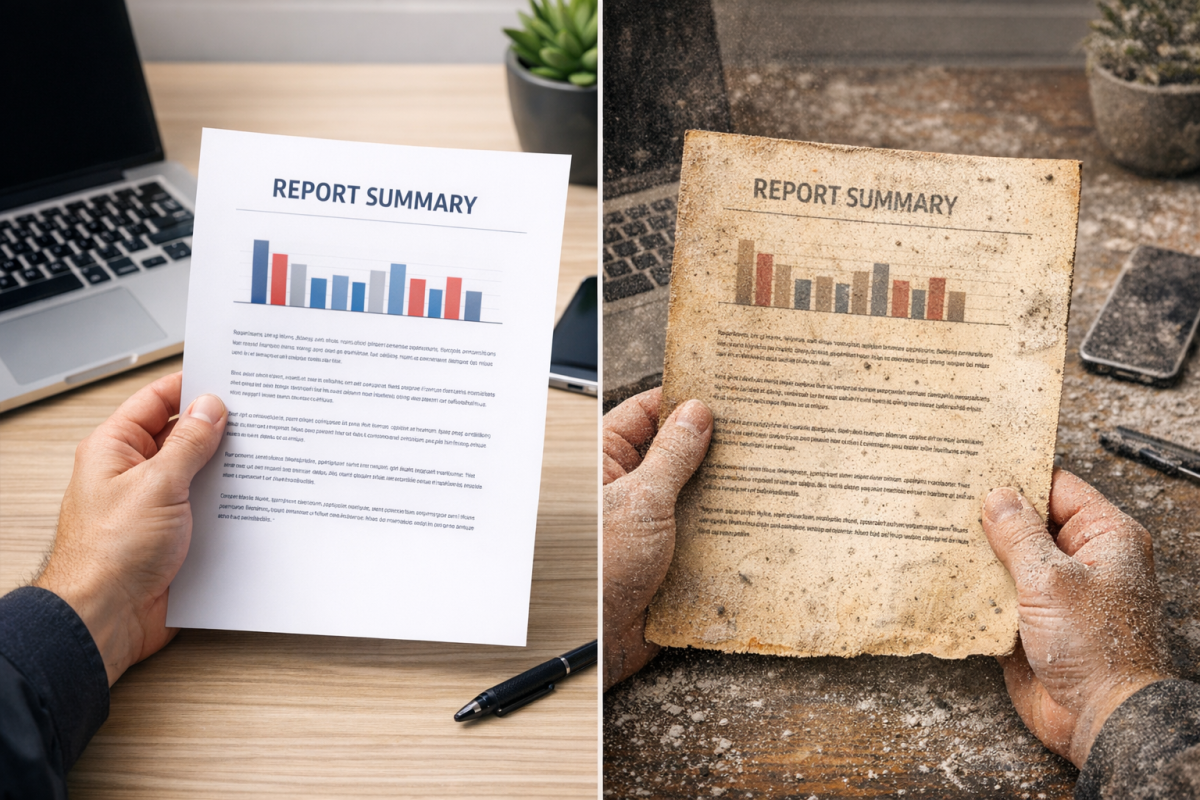
For example, if I had a blog post talking about the release of Avengers Endgame and I reposted it as if it was news, it would just look dumb. People would wonder what system glitched and why I was posting this worthless post; it would take effort to edit that post into something worth seeing. The Onion has a particular post they repost with regularity, and it has value every time they do it. All they do is change a few names, numbers, and a photo, and it's as relevant now as it was when it was first written. The information isn't evergreen. But the post is, in a distressing way.
Do you intend to refresh the content or post it unchanged? That is one of the main questions you have to answer, and it's what makes the difference between reposting content and repurposing content. It's very possible, and a good idea, to repurpose old content to refresh it for a new audience.
Types of Reposts
There are a few ways you can repost content on the web, so it's a good idea to know what strategy you want to use.
The first option is to repost your own old content. This works best with evergreen content, to get a new wave of promotion and exposure. With evergreen content you don't need to change anything; all you do is bump it to the top of your blog feed and send it through your promotion engine again. If the content has maintained enough value, then you'll build your audience and your traffic with another round of exposure.
Another way to think of this is a "social repost" since, usually, there's not much need to change or actually repost the content. All you're doing is posting it on social media again. If you do plan to repost to places like LinkedIn or Medium, a recommended best practice is to wait at least one week after your original publication before doing so. This gives Google adequate time to index your site as the original source, which matters considerably given that Google commands over 81% of widespread search market share.
The second option is to enter into a syndication agreement. This is, in fact, the only way you're going to be able to repost content from other sites without an issue.

Syndication agreements are agreements you make with other sites to share content. Typically, they will post the post first, and you'll come in and repost it word for word on your website, usually anywhere from a week to a month later. Some syndication sites repost almost immediately, as they work with news.
The way it works is that a bigger site doesn't want to produce their own content, so they enter into syndication agreements with other sites, blogs, and newspapers. Those sites publish content that's also published on the bigger platform. The bigger site reaps the benefits of having that content for their audience. But the source site gets the SEO value and, usually, a link or mention in the syndicated version of the post.
Syndication agreements are usually best handled between equals, because if a small site tries to be syndicated by a big platform, the platform will get the attention. A nofollowed link isn't worth much, and even if Google recognizes the canonicalization, it's not going to do much for the smaller site.
Another way to repost content is to repurpose it, as I mentioned above. You can take an older piece of content and refresh it to be relevant to a modern audience. You can edit information to make it more accurate in a new era. You can even take old list posts and expand each item on the list to be a full article, and use the old one as a table of contents.
The trick is to learn about what content is worth updating and what isn't. There's content that just isn't helpful enough to be worth the effort. Right now, I wouldn't go back and try to refresh a post about, say, Google Authorship, because the system is long dead and there's no value in writing about it.
A Note on Canonicalization
Canonicalization is the act of recognizing multiple copies of a piece of content and flagging them all so search engines can find which one is the "real" one. In SEO terms, it means the HTML attribute in your meta data that looks like this:
<link rel="canonical" href="www.originalsource.com">
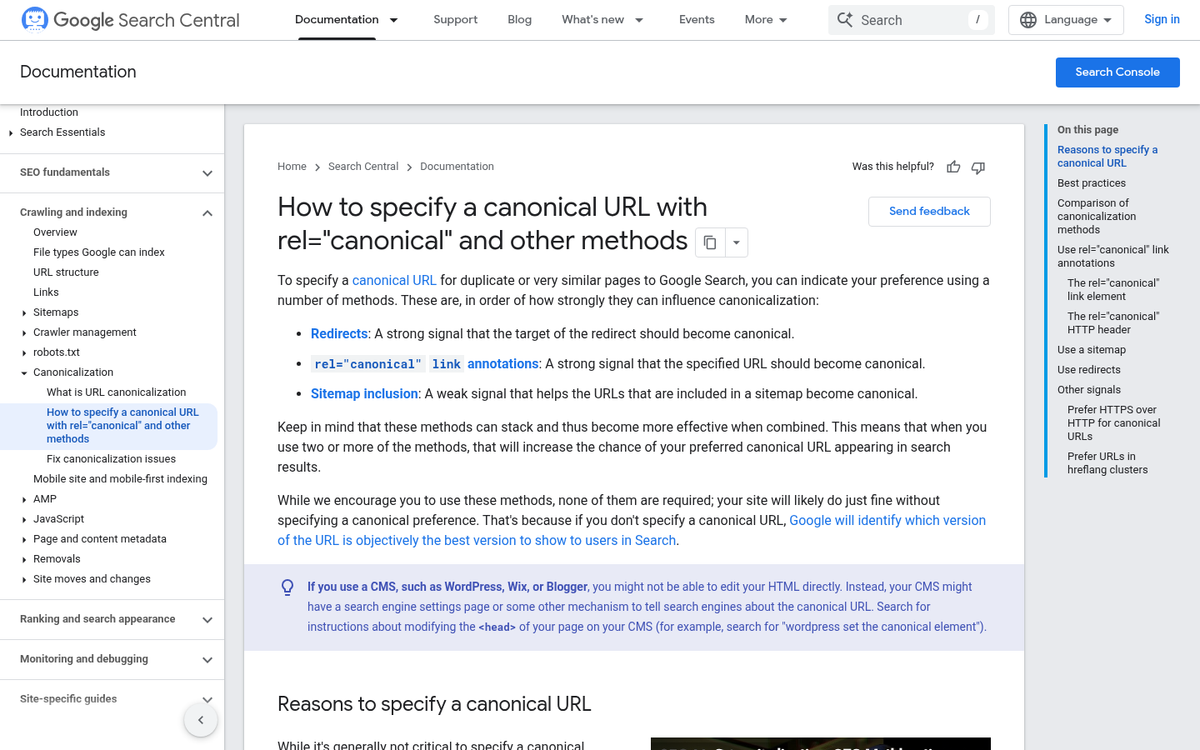
This bit of code will tell Google and anyone who looks that the link specified is the original source of the content. If you syndicate something, you should canonicalize the original source in your meta data.
You don't need to canonicalize anything that you aren't duplicating, and you shouldn't duplicate anything you aren't updating. Canonicalization is helpful for preventing duplicate content problems and for flagging syndication. But otherwise it's mostly used for cases where one page may have multiple URLs, like dynamically generated pages. It's worth reiterating that, according to Google, duplicate content alone is very rarely penalized; penalties and deindexing are reserved for sites that are deliberately scraping or copying content with the intent to deceive.
Whenever you're planning to repost a piece of content, I recommend staying away from duplicating content at all. If you don't own the content, it's content theft. If you do own the content, you can either bump the old content without changing the URL and so preserve the SEO value, or you can delete the old content and post the new content at a new URL. There's no reason to have two copies of the same content.