





Key Takeaways
- Publishing alone isn't enough; active promotion across multiple channels is essential given today's AI-flooded, highly competitive content landscape.
- Repurpose content into videos, carousels, and infographics to reach different audiences across YouTube, TikTok, LinkedIn, and Instagram.
- Leverage relationships by notifying cited sources, soliciting expert quotes, and collaborating with other creators to expand your promotional reach.
- Email lists and niche communities like Reddit, Discord, and Facebook Groups remain high-value channels for targeted, engaged traffic.
- Use AI tools to scale promotional content across formats, but always add a human voice to stand out from generic AI-generated output.
Publishing your post is just the beginning of the adventure that is modern web marketing. There's basically far too much content published every day for any post to stand on its own merit. The concept of "if you build it, they will come" is long outdated. That was true even before AI content generators began flooding the internet with thousands of articles per minute. Today, with tools like ChatGPT, Gemini and Claude enabling anyone to produce polished, SEO-optimized content at scale, the competition for attention has never been more intense.
What that means practically is that you need - need - to actively promote any content you want to see get actual traffic. That's why I've compiled a large number of methods you can use for that. There are 25 on this list; you're probably going to be using about 10 of them for your average blog post and closer to 20 for the very pushed content, like a new eBook or lead magnet, you're trying to promote. If you can pull off all of them for one piece of content, I'll be legitimately impressed.
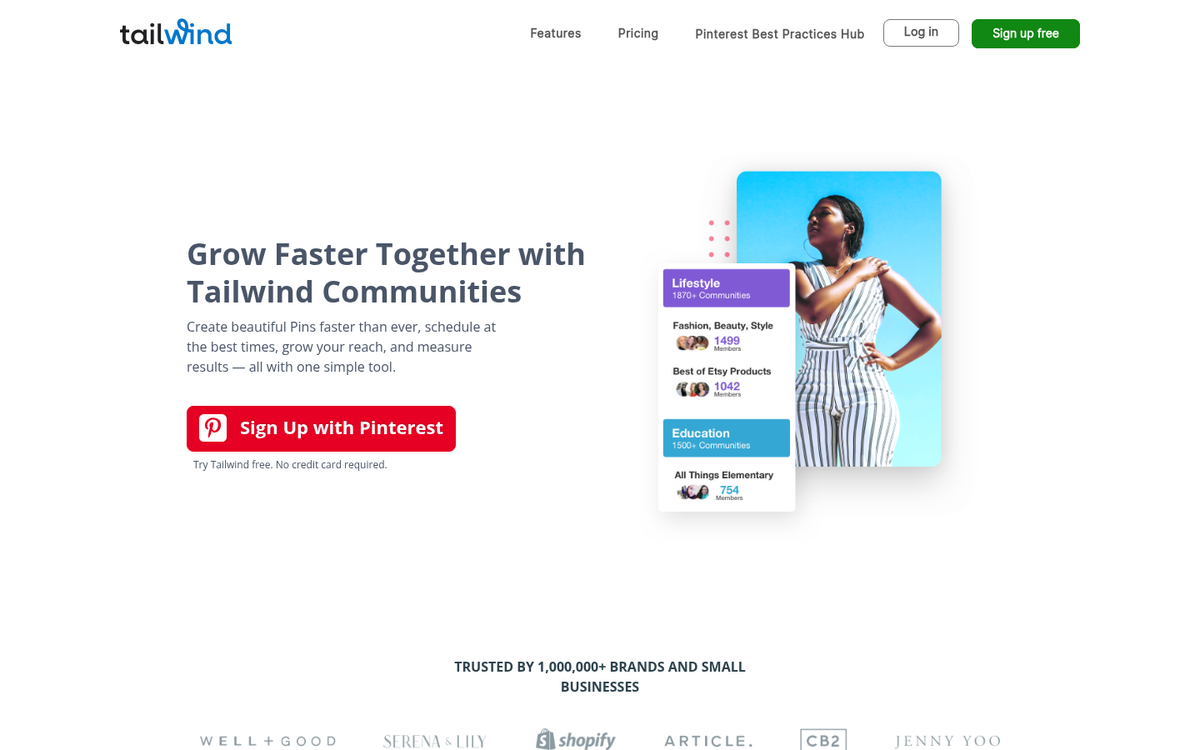
1. Share on Major Social Media Platforms
This one is obvious, and instead of having it take up eight places on this list by covering each network individually, I'm just covering them all at once.
My general advice is to limit your promotion to the networks you actually use and have an audience on. There's no sense in registering an account just to promote a piece of content with zero followers behind you. Build first, then use.
In 2026, your core places should be Facebook, Instagram, LinkedIn, TikTok and YouTube Shorts at a minimum. X (formerly Twitter) is still worth it depending on your niche, though its reach has declined for some content categories since Elon Musk's acquisition. Pinterest remains a sleeper hit for niches with strong visual content. Threads has grown into a legitimate traffic source for some verticals and it's worth testing. Google+ is long gone - don't let any outdated advice send you there. Prioritize platforms based on where your audience actually spends time.
2. Include in Email Content Digests
Your email stream should include a few different mailing lists. You'll have your new user welcome sequence, your standard newsletter, your sales messages and so forth. I also recommend a weekly or bi-weekly content digest that covers primarily the content you've posted and notable content from around the web.

Email remains one of the highest-ROI marketing channels available and with over 4 billion email users worldwide, your list is an asset that no algorithm change can take away from you. As you grow this digest, you can use it for other purposes beyond promoting your own articles - selling sponsored placements, sharing influencer content to build goodwill, or driving traffic to evergreen posts that need a boost.
3. Notify Influential Influencers
Influencer outreach is one of the most powerful levers in content promotion, because a single share from the right person can dwarf the combined results of dozens of smaller shares. That's not to say fans aren't helpful - social proof matters enormously - but influencers carry disproportionate reach and authority.
In 2026, the influencer landscape has shifted. Nano and micro-influencers (those with 1,000-50,000 followers in a niche) deliver better engagement rates and genuine audience trust than mega-influencers. LinkedIn now has over 1 billion users, which makes it a major influencer channel for B2B and professional content - don't overlook it. TikTok influencers can push giant traffic volumes almost overnight if the content is the right fit.
4. Submit to Bloggers who Write Top Lists
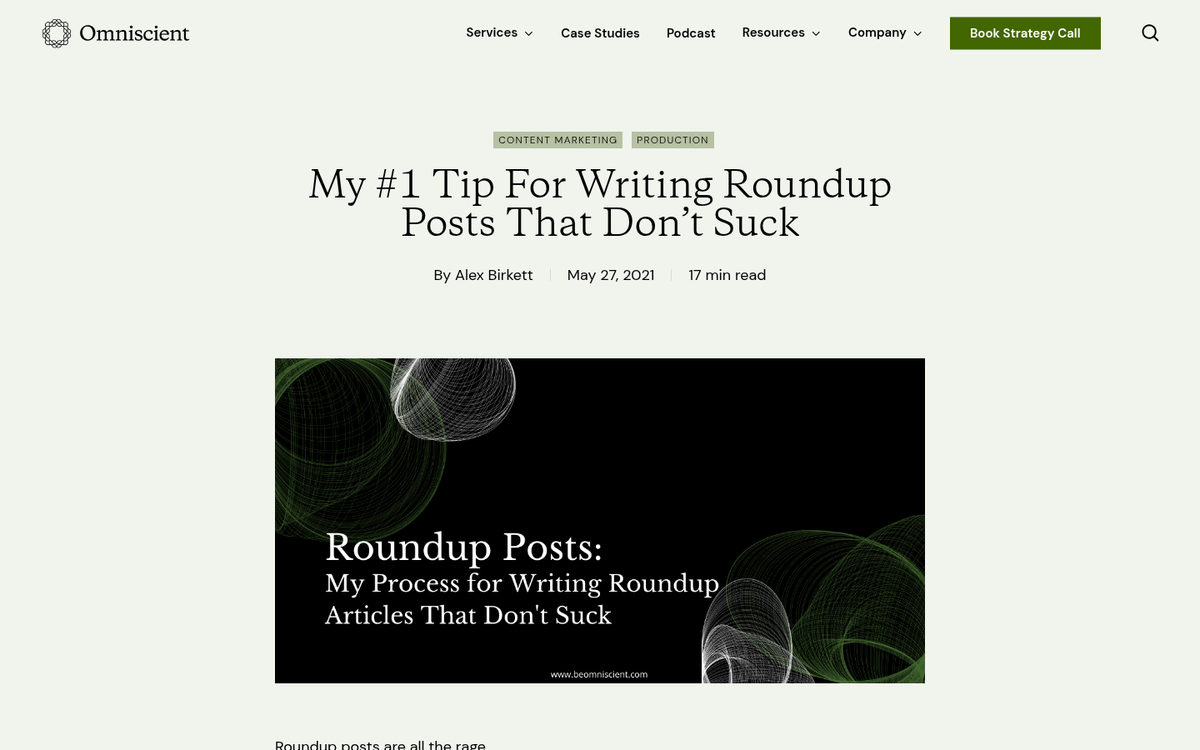
Every niche has a few of these - bloggers who do weekly or monthly content roundups, posting lists of the best new content to hit the community. It's a strategy on their end: they don't have to create original content, they just curate it. And it's a strategy on your end to get included.

If these bloggers don't know about you and your blog, they can't include your content in their roundup. That means it's your job to find who's writing these posts, figure out how they like to receive tips and make sure they know when you publish something worth featuring.
5. Update and Add Links to Older Content
A lot of bloggers treat their content as if it "dies" after about a month. The promotion cycle ends, traffic drops and the post gets forgotten. But you don't have to let your content fade away. You can fix it, expand it, update it and - critically - add internal links from older posts to your newest content so visitors reading older articles can find what you've recently published.
Internal linking passes authority around your site and tells Google which pages matter. Backlinko has publicly documented that updating old blog content improved their traffic by 25.71%, equating to over 410,000 extra yearly visitors; it's not a trivial number.
6. Search for Broken Links to Similar Content
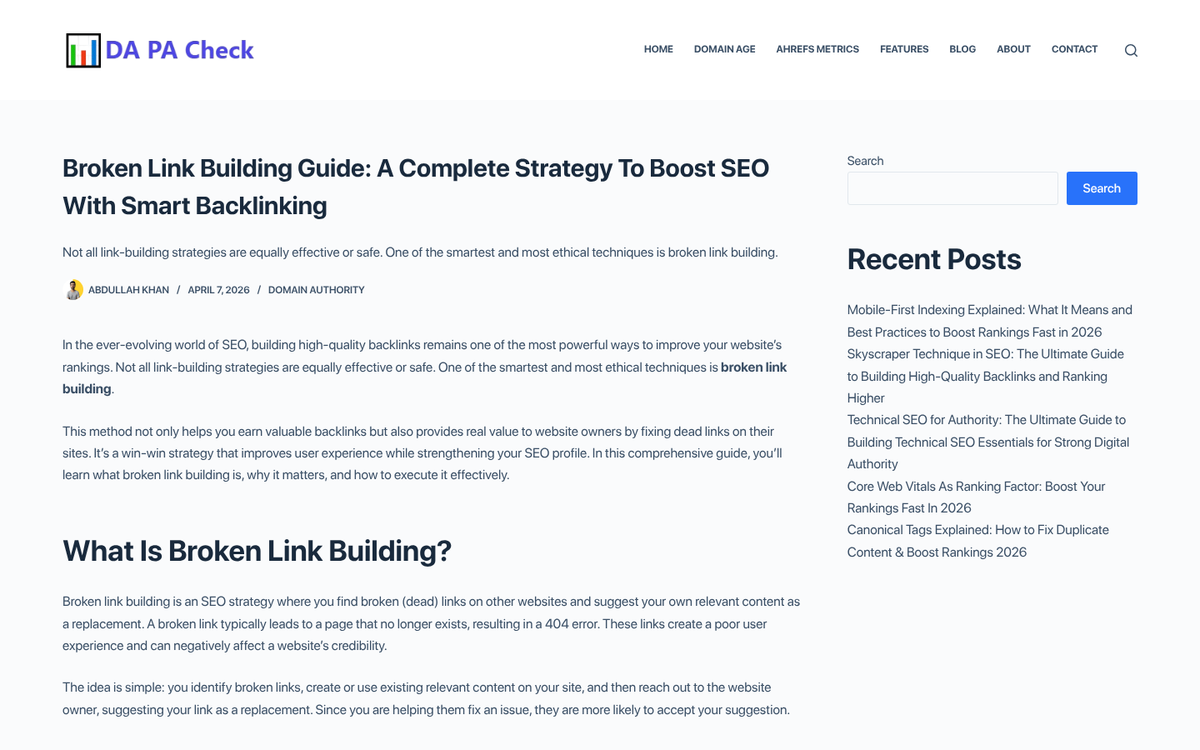
Broken link building remains one of the most quietly helpful strategies in the content marketer's toolkit. Webmasters don't want broken links on their sites - it's bad for user experience and bad for SEO. When content that used to exist out there gets deleted or moved, any sites linking to it are left with a dead link.

Most will thank you and update the link - it's a genuine win-win.
7. Search for Links to Worse Similar Content

This is a close cousin to broken link building, except the content still exists - it's just not very good. Often you'll find blogs and resource pages linking to weak, thin, or poorly-researched content simply because it was the first thing published on that topic. If you've created something meaningfully better, make the case to the linking site that their readers deserve the upgrade.
8. Search for Links to Outdated Similar Content
A variation on the same theme: instead of targeting missing or poor content, you're targeting content that was once great but is now out of date. This is especially common in fast-moving industries like tech, marketing, finance and AI. Resource guides and "best of" lists across the web link to posts that are years out of date. Get those links replaced with your fresher, more accurate content and you get the referral traffic and the SEO benefit.
9. Notify Sources You've Cited
Any time you cite a source in your post, it's a possible share from the person behind that post. The more prominently you feature their work - the more central their data or information is to your post - the more likely they are to share it with their audience.
A few caveats: if you're citing a massive, widely-known resource from a big publication or industry giant, don't expect a share just because you linked to them. Smaller creators genuinely like the exposure and are more likely to reciprocate. Also don't hammer the same blogger with this tactic repeatedly - once or twice is collegial, doing it every month can become transparent and annoying. If you want to see who has liked and shared your blog post, there are tools that can help you track that activity.
10. Convert to Video
The audience overlap between blog readers and video viewers is smaller than you'd assume. By converting a blog post into a video - whether a talking-head explainer, a screen-share walkthrough, or a short-form cut - you can reach an entirely different segment of your potential audience on YouTube, TikTok, Instagram Reels and Facebook.
In 2026, short-form video in particular has become indispensable. AI video tools like Synthesia, HeyGen and Pictory have made video production dramatically faster and cheaper than it used to be, so there's very little excuse not to experiment with this format. If you're looking for inspiration, check out these great ideas for a WordPress video blog.
11. Convert to a Presentation or Carousel
Slide-based content has evolved. While SlideShare still exists under LinkedIn's umbrella, the more popular format in 2026 is the carousel post - a swipeable series of slides native to LinkedIn and Instagram. These formats outperform standard link posts on platforms in terms of reach and engagement.
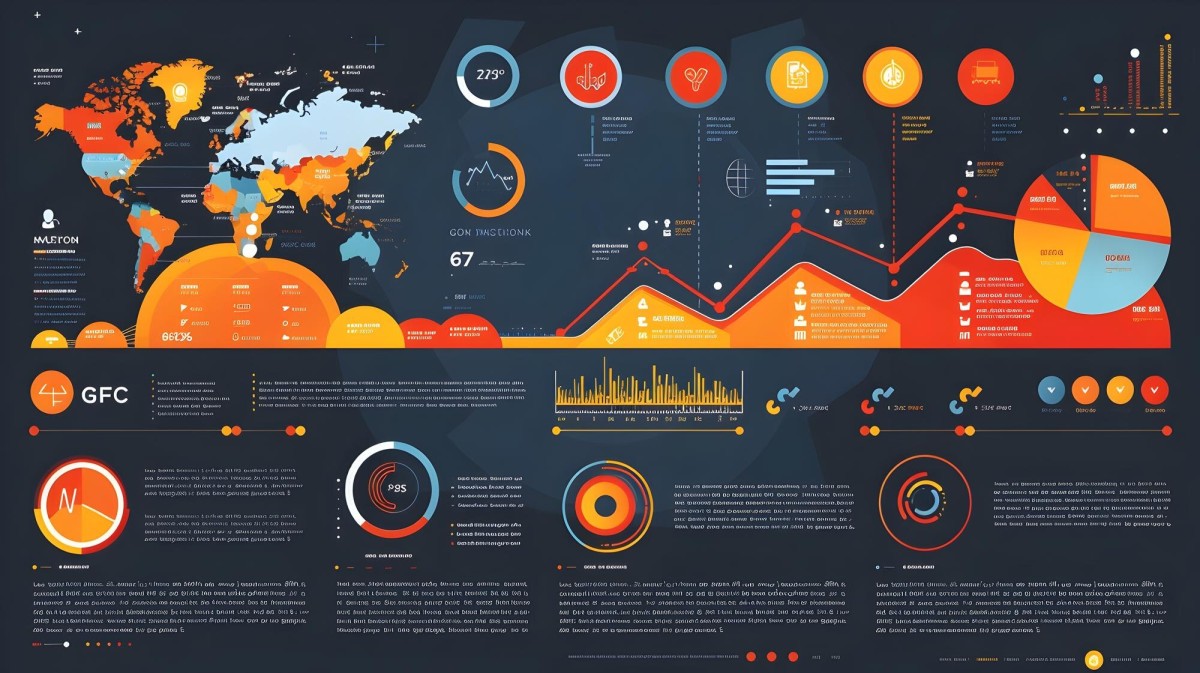
Take your blog post, pare it down to its key points, design clean slides in Canva or a similar tool and publish it as a carousel - it's shareable, digestible and generates saves, which feeds the algorithm on most platforms.
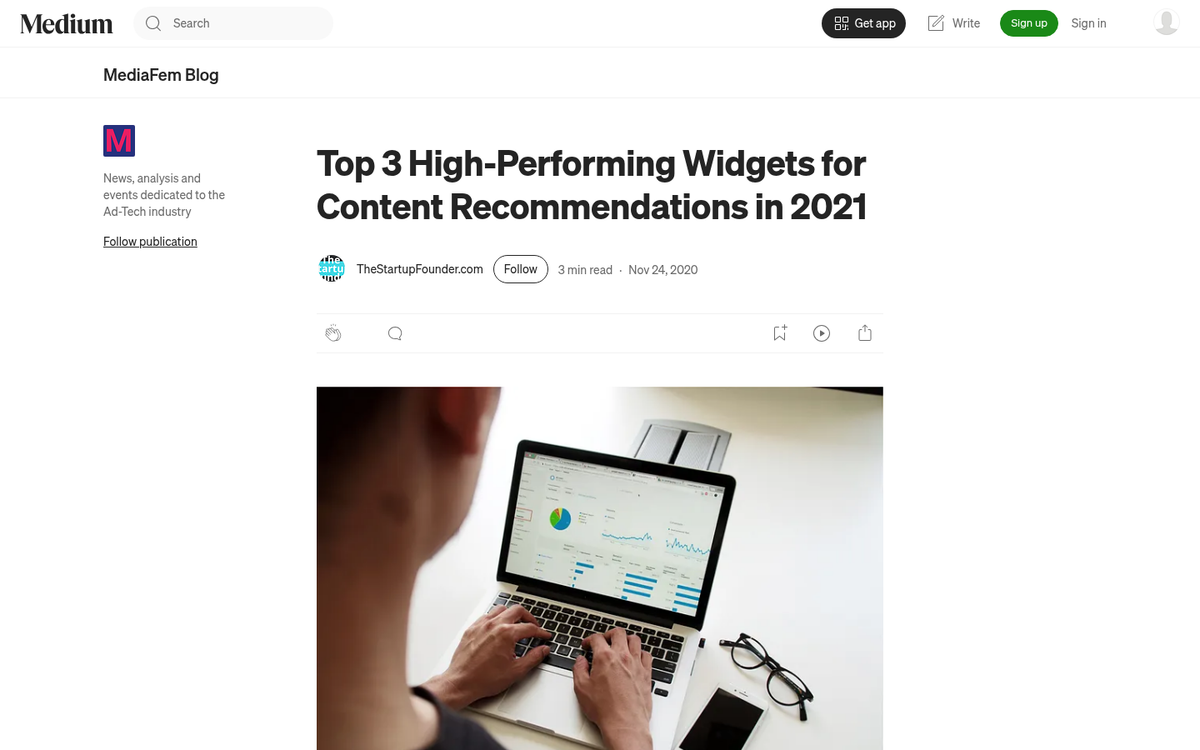
12. Convert to an Infographic
Infographics work best when your content has a narrative structure or presents data in a way that legitimately benefits from visualization. If you're just listing facts, you can still make it work. But the strongest infographics combine strong data with actual analysis and design.

If you don't have design skills, hire a freelancer - good design helps with data. But it can't rescue bad data. A well-executed infographic can earn backlinks and shares on its own long after your original post has stopped generating traffic.
13. Share with Social Media Groups and Communities
Groups and communities remain one of the best ways to put your content in front of a very targeted, interest-aligned audience. Facebook Groups, LinkedIn Groups, Reddit communities and Discord servers all represent concentrated pockets of people who care about specific topics.

The key is to be a genuine participant in these communities before sharing your own content. Nobody likes the person who shows up only to drop links. Contribute meaningfully, build credibility and your self-promotional posts will land much better - and be much less likely to get you banned.
14. Use Paid Advertising Strategically
There's nothing wrong with spending money on your marketing, especially when your content is part of a funnel that generates measurable returns. In 2026, the most effective paid channels for content promotion are Meta (Facebook and Instagram) ads and Google's Performance Max campaigns.
Meta's targeting has recovered and evolved following the iOS privacy changes that disrupted it earlier this decade, and Facebook retargeting in particular can cut back on your cost-per-click by 25-75% compared to cold audience campaigns. Google's AI-driven Performance Max campaigns have largely replaced the manual campaign structures that were standard just a few years ago. Together, these two platforms give you broad reach at a manageable cost - just make sure you're sending paid traffic to content that has a next step for the visitor, and consider running your content marketing campaign on a budget to keep overall costs in check.
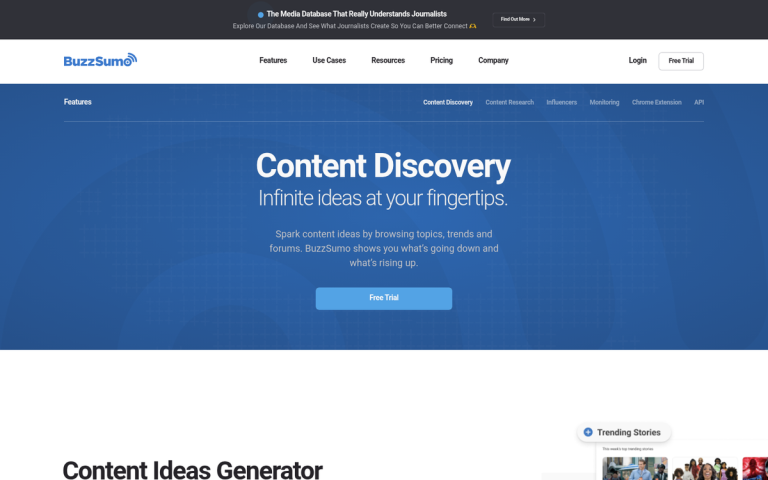
15. Use Content Discovery Networks
Networks like Outbrain and Taboola place your content in "recommended articles" widgets on publisher websites. You've almost certainly seen these without realizing it - they're the boxes of "you might also like" links that seem to be on news sites and large blogs. These networks can drive volume, though the traffic quality varies.

Treat them like pay-per-click traffic sources with a content-native wrapper. They work best for content at the top of a funnel where you're building awareness - not for content that is going to need a very intent-driven visitor.
16. Purchase Traffic Thoughtfully
Beyond the PPC platforms and content networks, there are other ways to buy traffic - sponsored newsletter placements, podcast ad reads, sponsored posts in niche publications and traffic from smaller ad networks. The key word in all of these is thoughtfully. Know what traffic you're buying, vet the source carefully and always verify that you're getting human visitors instead of bot traffic inflating your analytics.
17. Submit to Relevant Subreddits
Reddit is one of the most powerful and most dangerous places for content marketers. Done correctly, a well-received Reddit submission can send a wave of highly engaged traffic that dwarfs what most paid campaigns deliver. Done incorrectly - or seen as self-promotional spam - and you'll be banned from the community permanently with no recourse.
The rules are simple: participate legitimately and never post only your own content. When you do share it, make sure it's legitimately helpful to that community, frame it in terms of what it offers the reader instead of what you get from it and follow each subreddit's rules to the letter. Reddit has also introduced more monetization features - like official paid promotion options - which are worth looking at if organic posting feels too risky.
18. Investigate Niche Social Bookmarking and Aggregator Sites
There are Reddit-like communities and aggregator sites focused on specific niches, and becoming a respected contributor in one of them can be enormously helpful. Examples still active in 2026 include GrowthHackers for growth marketing, BizSugar for small business and entrepreneurship content, Hacker News for tech and startup topics and niche Discord communities that have taken on the role that old-school forums used to play.
Some of the older examples from years past - like Digg in its prime - have faded. But the ecosystem of niche aggregators is very much alive. Do some research to find where your audience congregates.
19. Write Related Guest Posts
Guest posting has had a tough relationship with SEO over the years. But in 2026 it remains a legitimate strategy when done with genuine editorial value in mind. The key is to write a post that stands on its own merit and include a link to your target content only where it's relevant and can add value for the reader.
Don't pitch guest posts to low-quality link farms - Google has become increasingly sophisticated at detecting and discounting these. Target publications with real audiences, write something legitimately useful and the traffic and link equity will follow. If you accept guest posts on your own site, be aware of why you shouldn't accept money for a guest post - it can put your site at risk.
20. Write Your Own Roundup Posts and Include Your Content
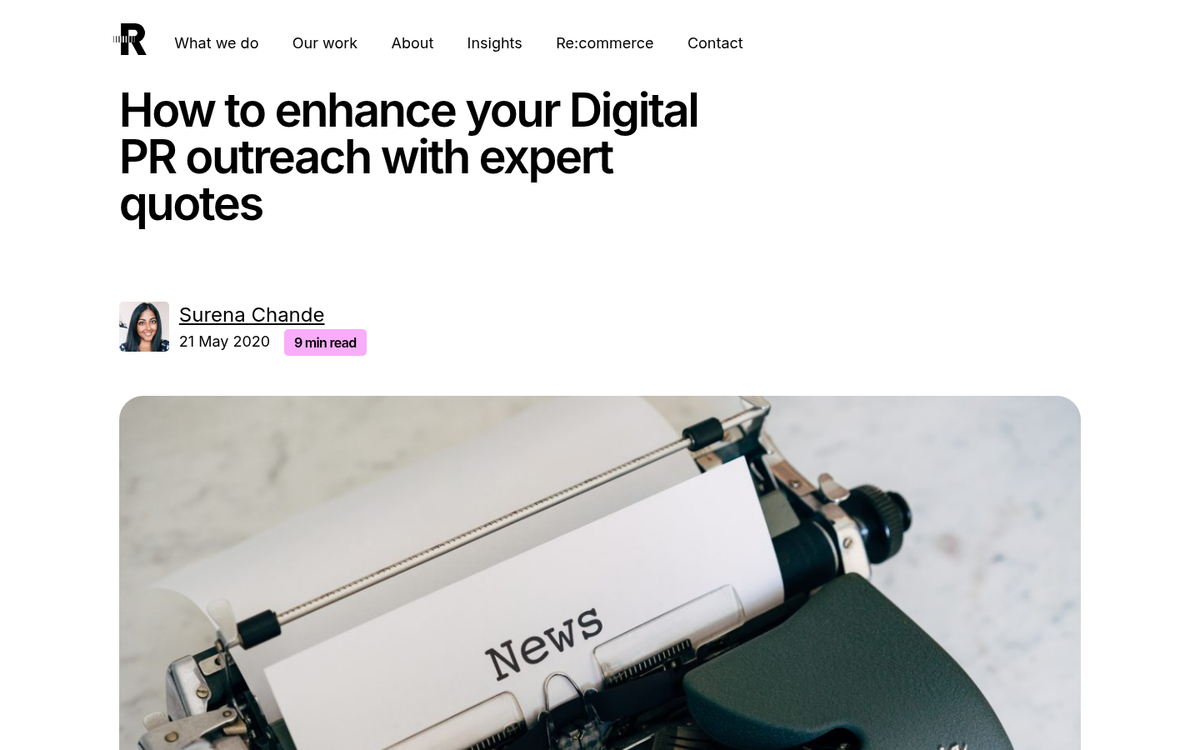
Earlier I mentioned submitting your content to bloggers who write roundups. You can also become the roundup writer yourself. Curating great content from a number of creators makes those creators happy and likely to share the roundup with their own audiences - which promotes you by association. Simply make sure your own relevant posts are included among the curated links and you get built-in promotion every time someone shares the roundup to show their own addition.
21. Solicit Expert Quotes from Other Creators
Reaching out to respected voices in your niche and asking for a short quote or perspective to include in your post accomplishes a few things at once: it helps with the quality and credibility of your content, it gives contributors a reason to share the finished piece with their own audience and it builds genuine professional relationships over time.
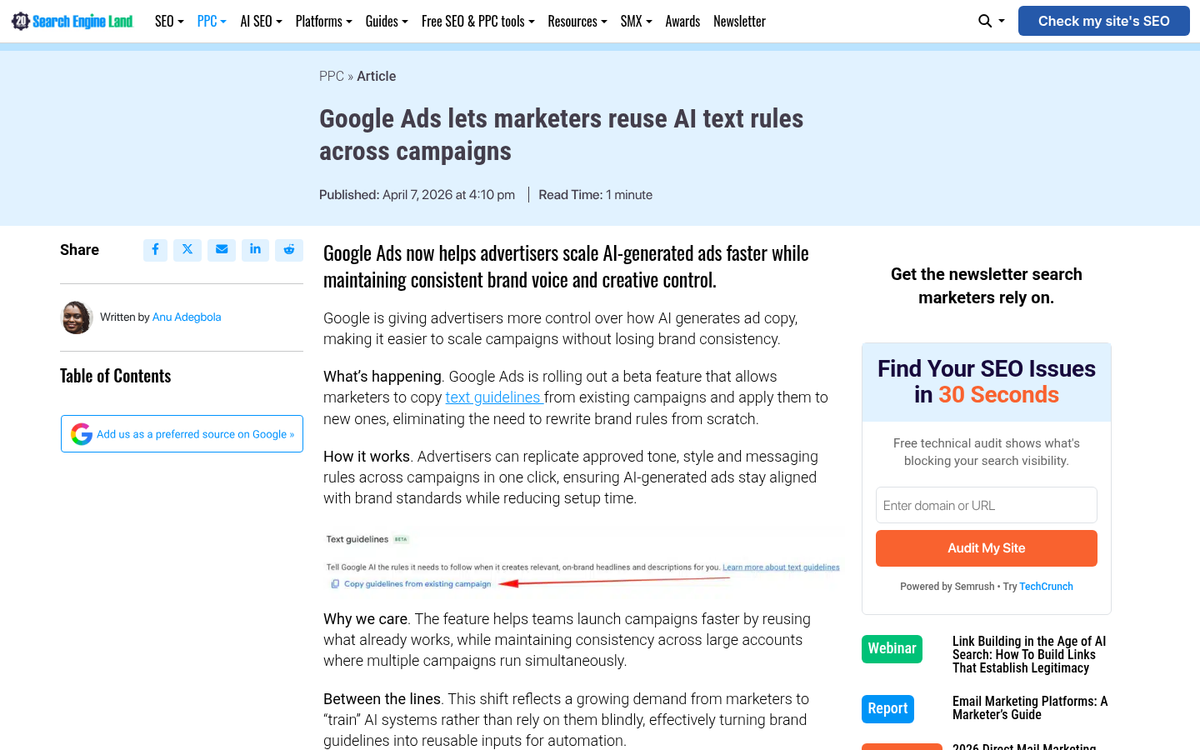
In 2026, this tactic has become even more valuable as readers have grown more skeptical of AI-generated content. A post featuring perspectives from named experts signals authentic human effort and expertise - something that's increasingly scarce and therefore increasingly valuable.
22. Leverage AI Tools for Amplification - But Smartly
This wouldn't be a current guide without tackling AI. Tools like Claude, ChatGPT and Gemini can help you repurpose a single blog post into a dozen different formats and distribution-ready pieces: social captions, email newsletter copy, video scripts, LinkedIn carousels, podcast talking points and more - this dramatically cuts back on the labor cost of multi-channel promotion.
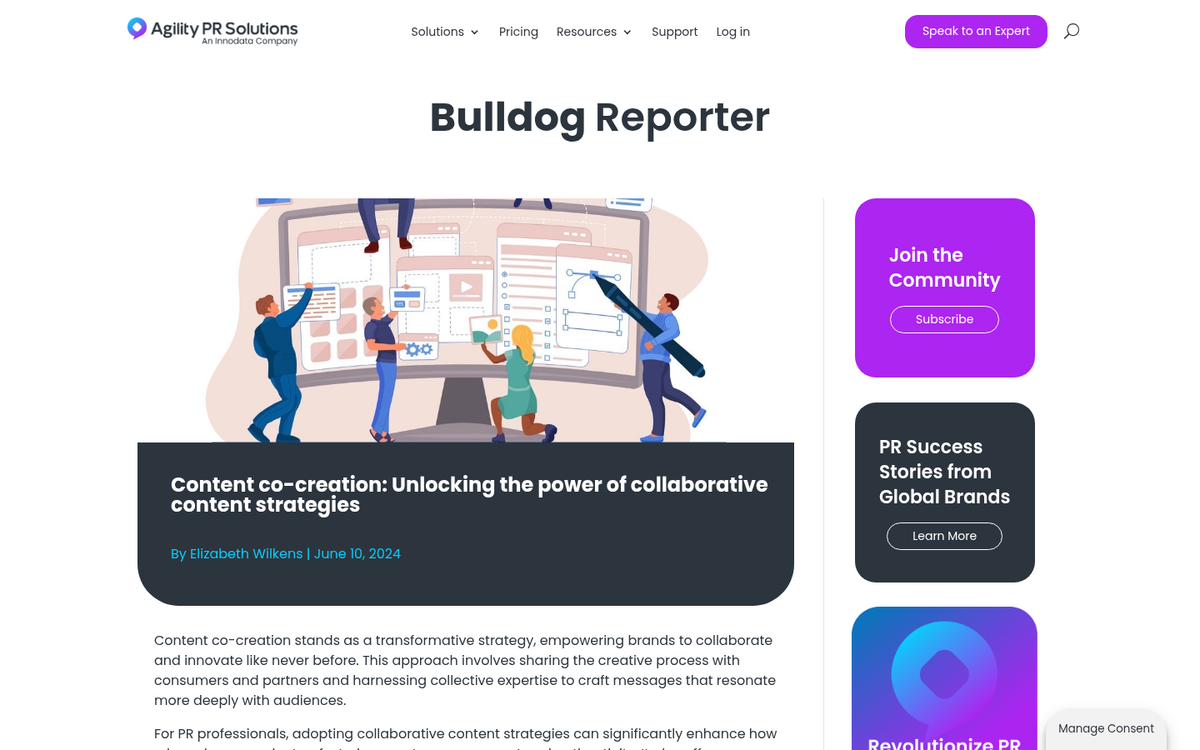
The caution here is that AI-generated promotional content is everywhere now and audiences are increasingly skilled at detecting it. Use AI to accelerate your output, but always add a layer of genuine human voice, judgment and specificity. Generic AI content that sounds like everyone else's generic AI content will not move the needle. Check out our content marketing and promotion checklist to make sure your human touch is applied at every stage.
23. Collaborate on Content Production
Rather than simply asking for a quote, you can take it a step further and propose a genuine co-creation partnership - this might mean producing a joint research report combining data from multiple organizations, co-hosting a webinar built around your shared content, or collaborating on an infographic that combines each party's data and expertise.
Co-created content means two audiences, two promotional networks and shared credibility - making it one of the highest-value content strategies available to independent bloggers and businesses alike.
24. Build an Exclusive Community or Membership Layer
Creating a members-only community around your best content - whether that's a paid newsletter, a private Discord server, a Slack group, or a dedicated membership site - gives your most loyal readers a reason to become active promoters on your behalf. People who have invested in membership feel a sense of ownership and tend to share and evangelize the content they helped, which is one of the key factors in what makes a blog suddenly become popular. To maximize that sharing, make sure you have share buttons placed in the right locations so members can easily spread your content across their networks.
3 responses
Thoughtful replies only - we moderate for spam, AI slop, and off-topic rants.
Hey James, thanks a lot for your ideas. Usually, I only share my post to my social networks and probably send an email broadcast to my list. I'm looking for ways to better promote my blog post and I found your article here. Thanks for the useful tips.
Hey Shawn, thanks for your kind words!
Nice one. Honestly, a post on how to use mix in promoting content brought me here, i loved it and couldn't help but view another post here. All great. These will really help me