The end result of any business or monetized website is to make money. To make money, that website needs to attract users who will eventually convert. To increase the chances of conversions, that website needs more traffic. Everything else - SEO, social media, PPC ads, AI-driven content, all of it - is about building up that traffic.
There are any number of reasons why your site may not be attracting the traffic it deserves, or at least the traffic you want. Here are 15 of the most prevalent and easiest to fix reasons.
Key Takeaways
- Genuine passion and expertise matter more than ever as AI-generated content floods the web in 2026.
- Site speed is critical - 53% of mobile visits are abandoned if pages take longer than 3 seconds.
- One well-researched, original article consistently outperforms ten shallow, generic posts in search rankings.
- Technical issues like broken links, crawl errors, and HTTPS problems silently kill traffic and rankings.
- Balance promotion carefully - too aggressive drives users away, but too subtle kills conversions entirely.
1. You Lack Passion
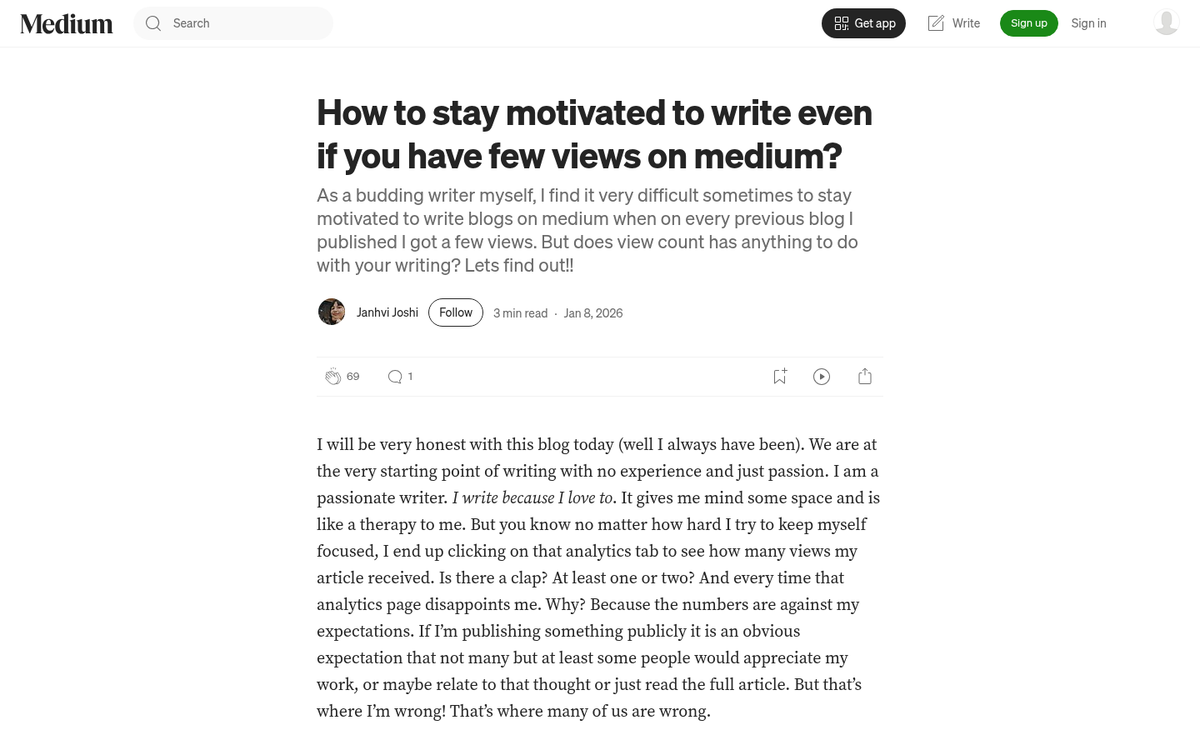
If you don't care about your topic, it's going to show in your writing. Everything you post will be superficial, you'll have nothing of real value to offer, and your publishing schedule will be inconsistent at best. Users - and search engines - can sense when content is phoned in. In 2026, with AI-generated content flooding the web, genuine passion and expertise are more important than ever. Google's helpful content systems actively reward content written for people first, not just traffic. Unfortunately, there's no shortcut to feeling passionate about a niche. The best you can do is find writers who genuinely care, or pivot to a topic you actually love.
2. Your Niche is Unfocused

One key to a powerful site is a deep focus on a specific subject. Topical authority has become a major ranking factor - Google wants to see that your site comprehensively covers a subject, not that it dabbles in everything. A focused niche allows you to dig deep into content, providing real value where broader sites fall short. Trying to compete across too many verticals leaves gaps in your coverage and dilutes your authority. Start narrow, build depth, and broaden only when your audience and authority support it.
3. You Have No Audience

This is a problem a lot of B2B suppliers in relatively obscure industries run into. Some topics just naturally have small audiences, and no amount of content marketing is going to change that. If you're selling industrial valves or highly specialized manufacturing components, the pool of people searching for that content is genuinely small. In these cases, the solution often isn't more content - it's better targeting. Invest in LinkedIn advertising, niche trade publications, and account-based marketing rather than trying to build mass organic traffic that simply doesn't exist for your topic.
4. Your Design is Unappealing

It's not just about looking outdated anymore - it's about looking trustworthy. Research shows that 38% of users will abandon a website if it looks unprofessional or unattractive. In 2026, users have higher expectations than ever. A cluttered layout, inconsistent fonts, low-quality images, or a design that clearly hasn't been touched in five years signals that your business may not be reliable. First impressions happen in milliseconds, and a bad one is nearly impossible to recover from. If your site looks like it belongs in a different decade, it's time for a refresh.
5. Your Site is Slow - Especially on Mobile
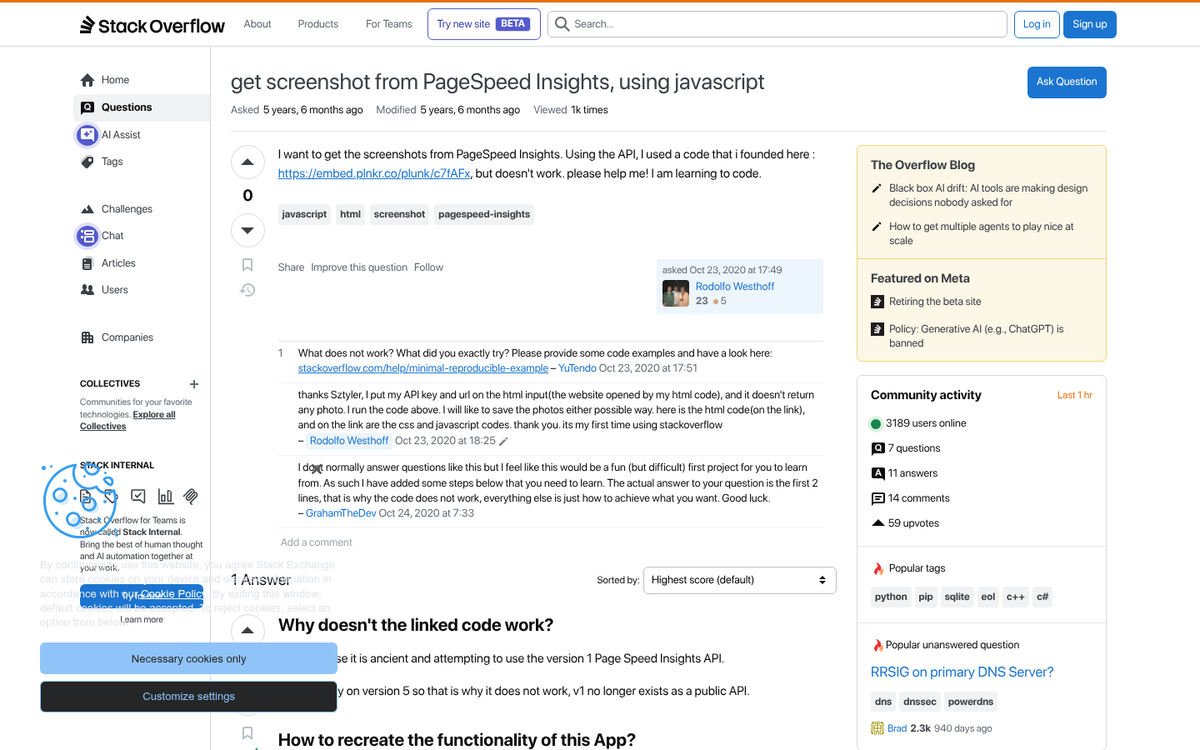
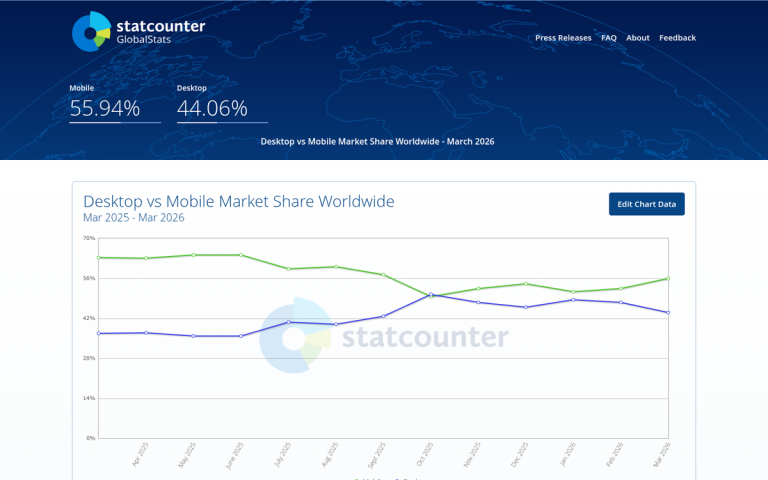
Speed is no longer a nice-to-have - it's a dealbreaker. 88.5% of people leave a website because it doesn't load fast enough, and 53% of mobile visits are abandoned if a page takes longer than 3 seconds to load. With over 61% of all web traffic now coming from mobile devices, a slow mobile experience is one of the fastest ways to bleed traffic. Google's Core Web Vitals are a confirmed ranking factor, meaning slow sites don't just lose visitors - they lose rankings too. Run your site through PageSpeed Insights and treat every second of load time as a conversion killer.
6. Your Content is Bland
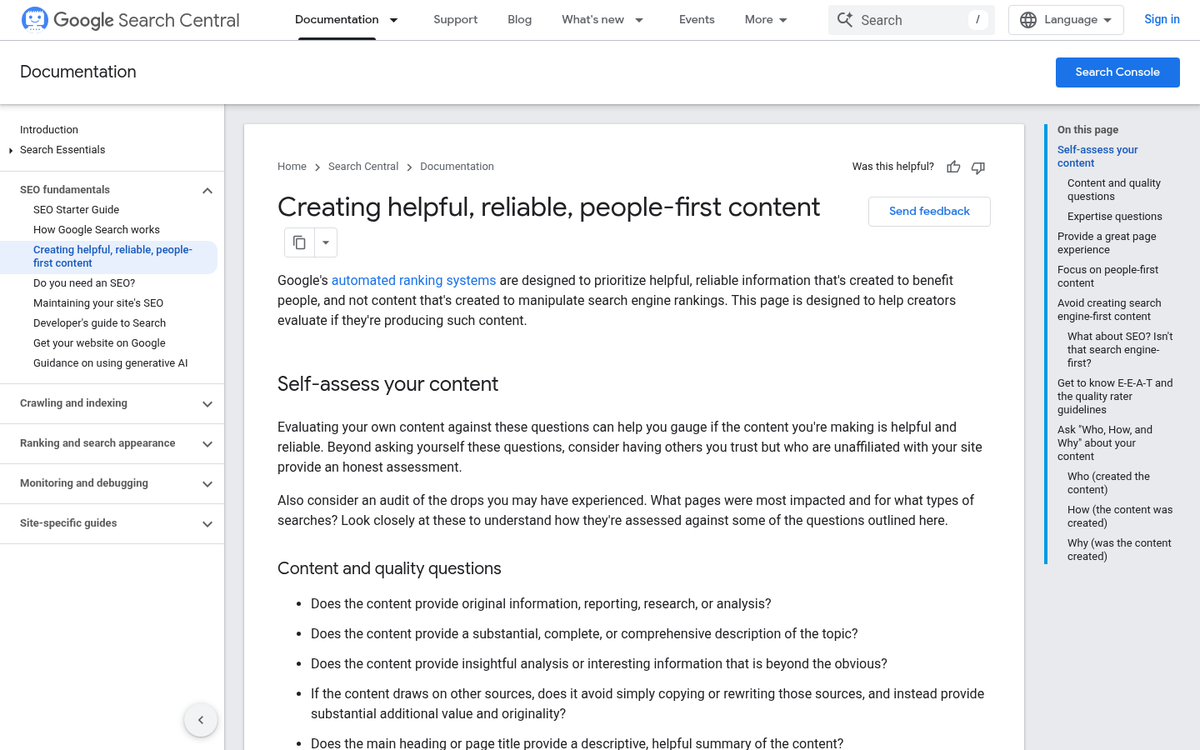
In the current search landscape, helpful, original content is everything. Google's helpful content updates have made it increasingly difficult for thin, generic, or AI-spun content to rank. The old advice of posting three times a week for the sake of posting has aged poorly - one genuinely useful, well-researched article will outperform ten shallow posts every time. With AI tools making it trivially easy to generate mediocre content at scale, the bar for what constitutes "good" has risen sharply. Original insights, first-hand experience, and expert perspectives are what set content apart in 2026. If your writing isn't adding something new to the conversation, it's noise.
7. You're Advertising in the Wrong Places
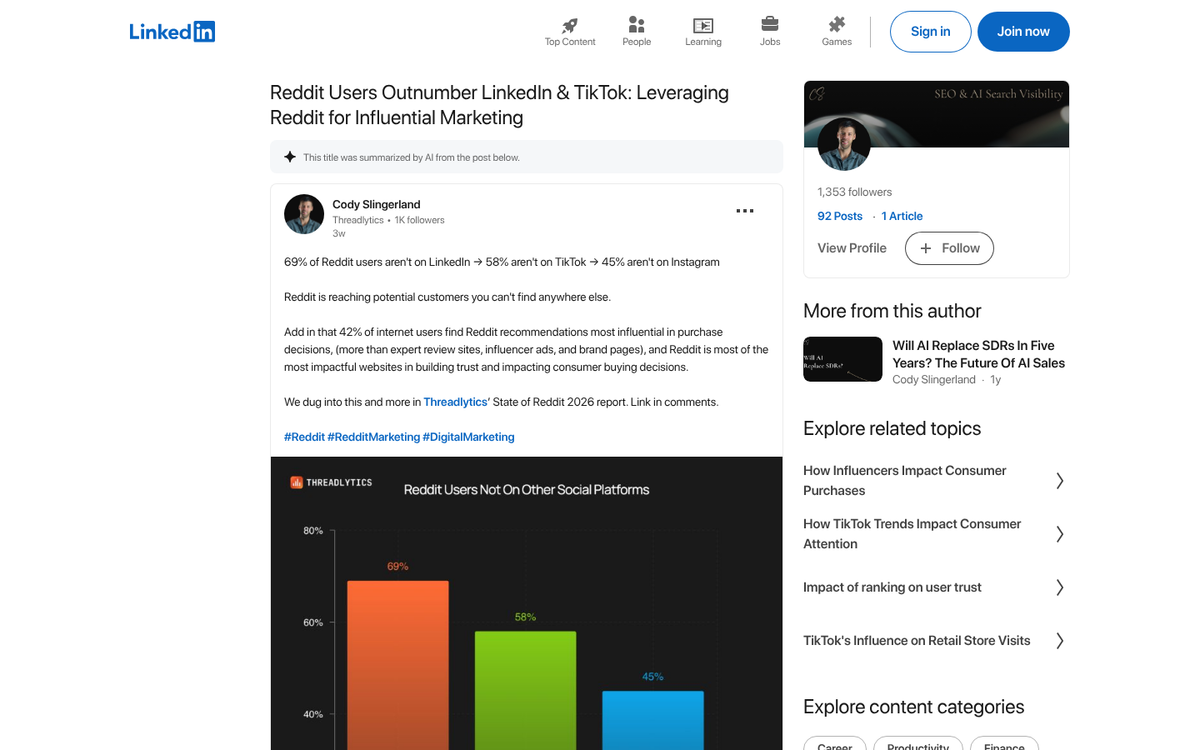
This has always been a problem, but the advertising landscape has fragmented significantly. Beyond the usual suspects like Google and Meta, platforms like TikTok, YouTube Shorts, Reddit, and LinkedIn have become major traffic drivers depending on your audience. Affiliate marketing and influencer partnerships have also matured - micro-influencers with highly engaged niche audiences often outperform broad campaigns. If you're running ads and not seeing returns, the problem may not be your budget - it may be your placement. Dig into where your actual customers spend time online, and go there.
8. You're Ignoring Your Site
This remains one of the most common mistakes small businesses make. A website left to stagnate sends bad signals to both users and search engines. Google favors sites that are regularly updated with fresh, relevant content. Users visit and find nothing they want to see - outdated blog posts, broken links, old promotions - and immediately lose confidence in the business. In 2026, your website is often the first and most important touchpoint a customer has with your brand. Treat it accordingly.
9. You're Ignoring Promotion
You can spend all of your time building a beautiful site and writing detailed content, but if nobody knows it exists, it doesn't matter. Organic SEO is valuable but slow. Social media, email marketing, paid distribution, and community engagement are what accelerate growth while your SEO compounds. There are good reasons to be selective about where you promote, but there are very few good reasons to avoid promotion entirely. The best content in the world still needs a distribution strategy.
10. You Aren't Linking Out

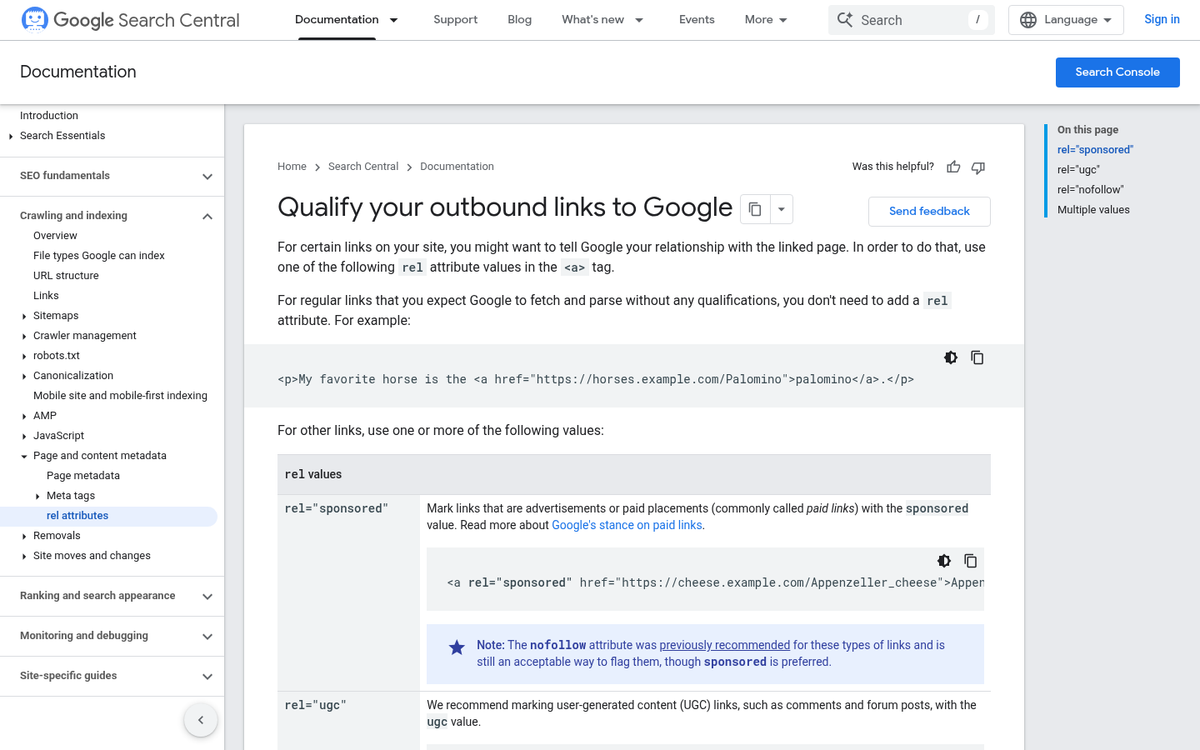
Linking to authoritative external sources does more than just help your readers - it signals to search engines that your content exists within a broader, credible ecosystem. Links to other sites as sources prove that you're not writing in a vacuum. It also gets you on the radar of other publishers and creators in your space, who may return the favor with mentions or backlinks of their own. Don't hoard your outbound links out of fear of sending traffic away. Users who find value in your recommendations will come back.
11. You Have No Industry Networking
In 2026, digital relationships matter more than ever. A backlink from a respected voice in your industry is worth far more than dozens of low-quality links. Reach out to other creators and publishers in your niche. Collaborate on content, pitch guest posts, offer expert quotes, and engage genuinely in your industry's online communities - whether that's LinkedIn, niche forums, Slack groups, or Substack. The sites that grow fastest aren't just producing great content in isolation; they're building real relationships that amplify that content.
12. You're Too Impatient
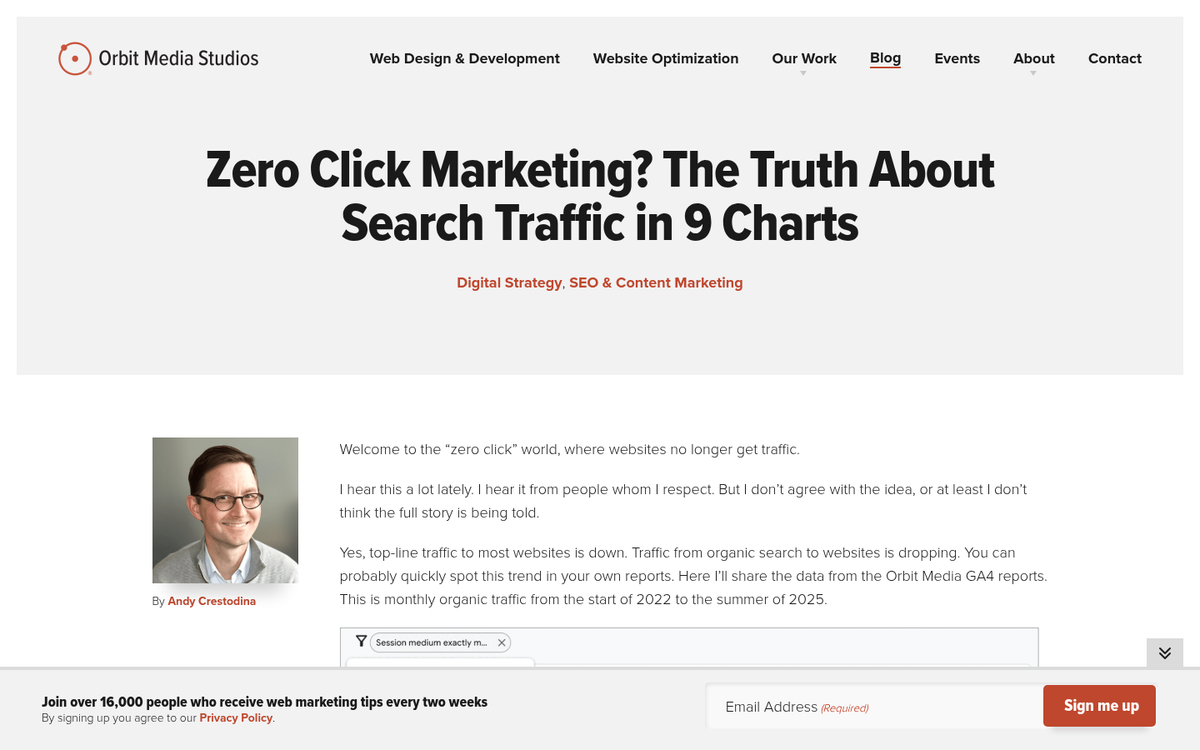
Organic traffic doesn't happen overnight - and that's truer now than it's ever been. In competitive niches, it can take six to twelve months of consistent effort before you see meaningful SEO traction. Google needs time to crawl, index, and evaluate your content against hundreds of ranking factors before deciding where you belong. PPC can bridge the gap, but it's not a substitute for long-term organic growth. Building consistent, sustainable traffic is a marathon, not a sprint. Set realistic expectations, track your progress, and don't abandon a solid strategy just because it hasn't paid off in the first ninety days.
13. Your Site Has Technical Problems

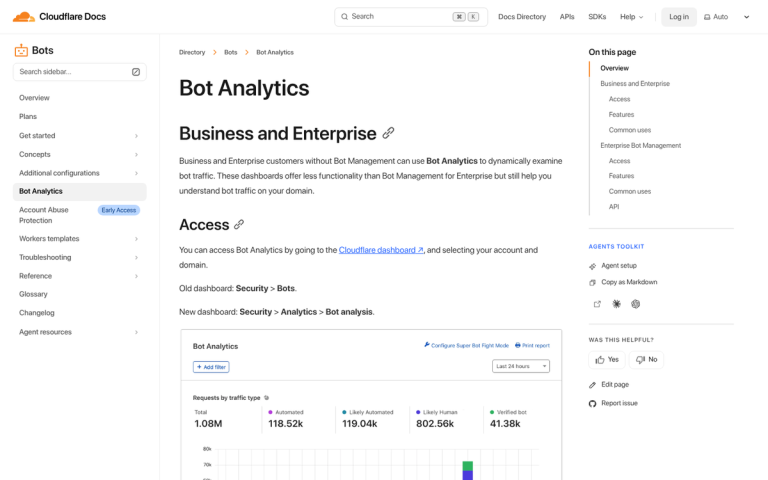
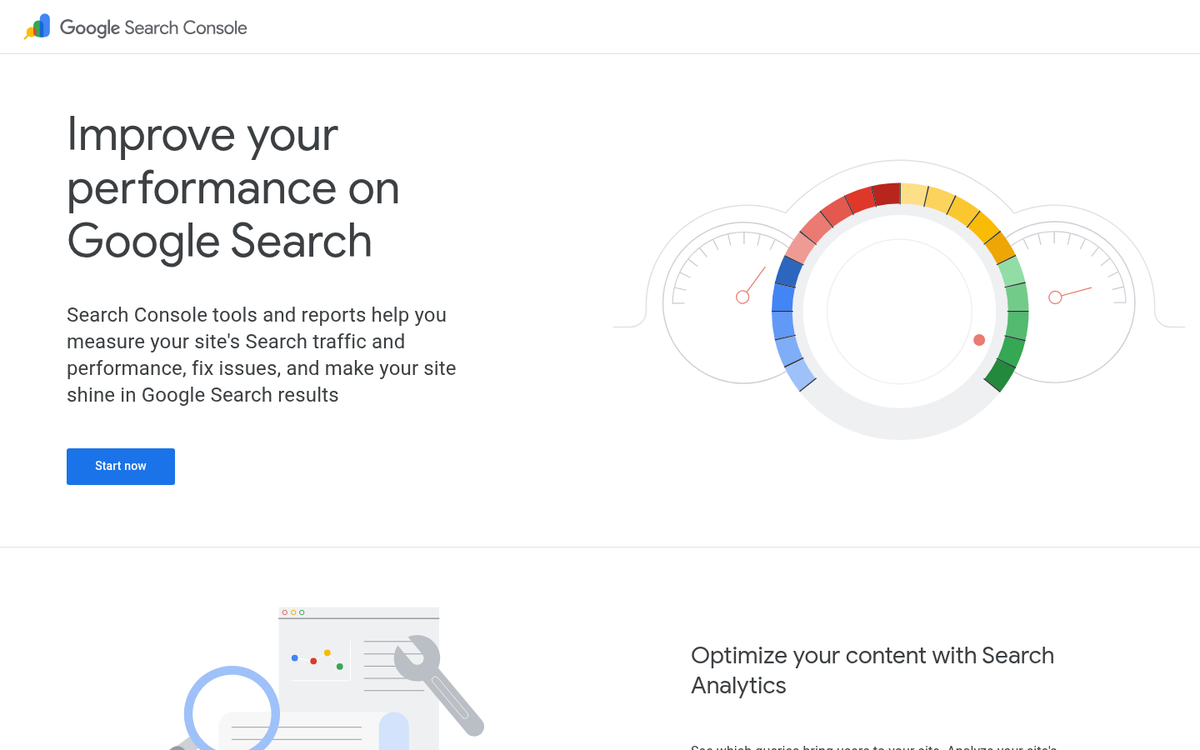
Technical issues are silent traffic killers. Broken links, crawl errors, misconfigured robots.txt files, missing sitemaps, duplicate content, and HTTPS issues (HTTPS has been a ranking factor since 2014) can all quietly tank your visibility. With Google factoring in over 200 known ranking signals, there are a lot of ways for technical debt to accumulate unnoticed. Run regular audits using tools like Screaming Frog, Ahrefs, or Google Search Console. And always double-check that your analytics are properly configured - sometimes what looks like zero traffic is just a broken tracking script.
14. You're Too Promotional
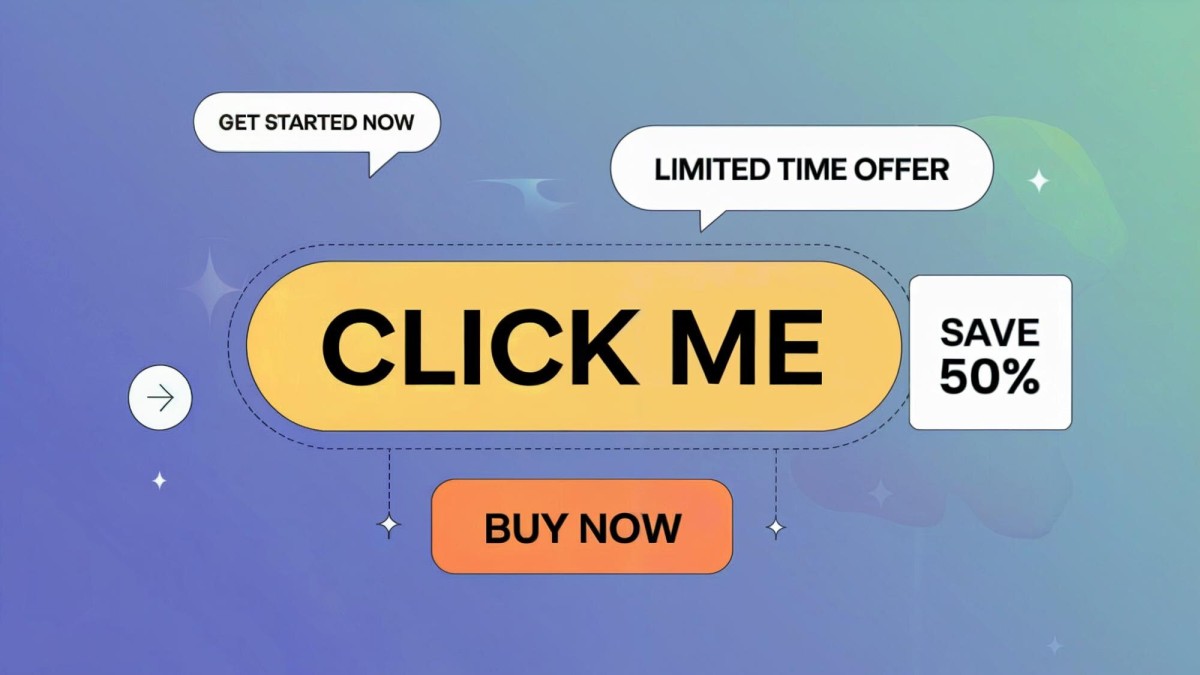
If a user lands on your site and is immediately hit with a pop-up, a cookie consent banner, an autoplay video, a top bar ad, a sidebar full of promotions, and multiple calls to action fighting for attention, they're going to leave. Obviously, you're trying too hard to monetize - and users can feel it. Google has also taken a harder stance on sites with intrusive interstitials and aggressive ad layouts, particularly on mobile. Streamline your monetization. A clear, well-placed call to action will outperform a page plastered with competing offers every single time.
15. You're Not Promotional Enough
The opposite problem is surprisingly common, especially among content-first creators who feel uncomfortable with selling. If a user can browse your entire site without ever understanding what you offer or how to buy it, you have a conversion problem. Every page on your site is an opportunity - make sure that opportunity includes a visible, low-pressure path to your product, service, or email list. You don't need to be aggressive about it. A clean call to action and an obvious navigation path are all it takes to turn a reader into a customer. Check out this list of services to boost your conversion rate and sales if you're looking for tools to help with this, and consider how to increase user signups on your website as a starting point for building that list.