Key Takeaways
- Bloggers who research keywords for all posts are three times more likely to report strong results than those who never do.
- Modern Google understands synonyms and intent, so obsessing over exact keyword phrases or density ratios is outdated and counterproductive.
- Publishing separate posts for keyword variations dilutes ranking value; consolidating related intent into one comprehensive post performs better.
- Including your primary keyword in the URL delivers a 45% higher click-through rate, making it an easy, high-value practice.
- AI-powered search rewards content that naturally answers questions, putting a premium on conversational writing over rigid keyword targeting.
Keywords remain a topic of debate in SEO. But the data is clear: they still matter. According to Semrush, 45% of surveyed marketers say that researching and adding keywords helps improve blog rankings. And bloggers who create keyword research for all their posts are roughly three times more likely to report strong results than the ones who never research keywords at all (37% vs. 11%). That said, how you use keywords has changed dramatically, and outdated keyword practices can hurt you just as much as ignoring them entirely.
What Are Keywords, Mechanically?
A keyword can be any word you use in your writing - it's only generic filler words, like "a," "be," and "any," that won't carry any actual weight in how Google interprets your content.
When Google reads your website, it scans and analyzes your content to understand what it's about. The words you use signal meaning, topic, and relevance - because at its core, Google is doing refined language interpretation.
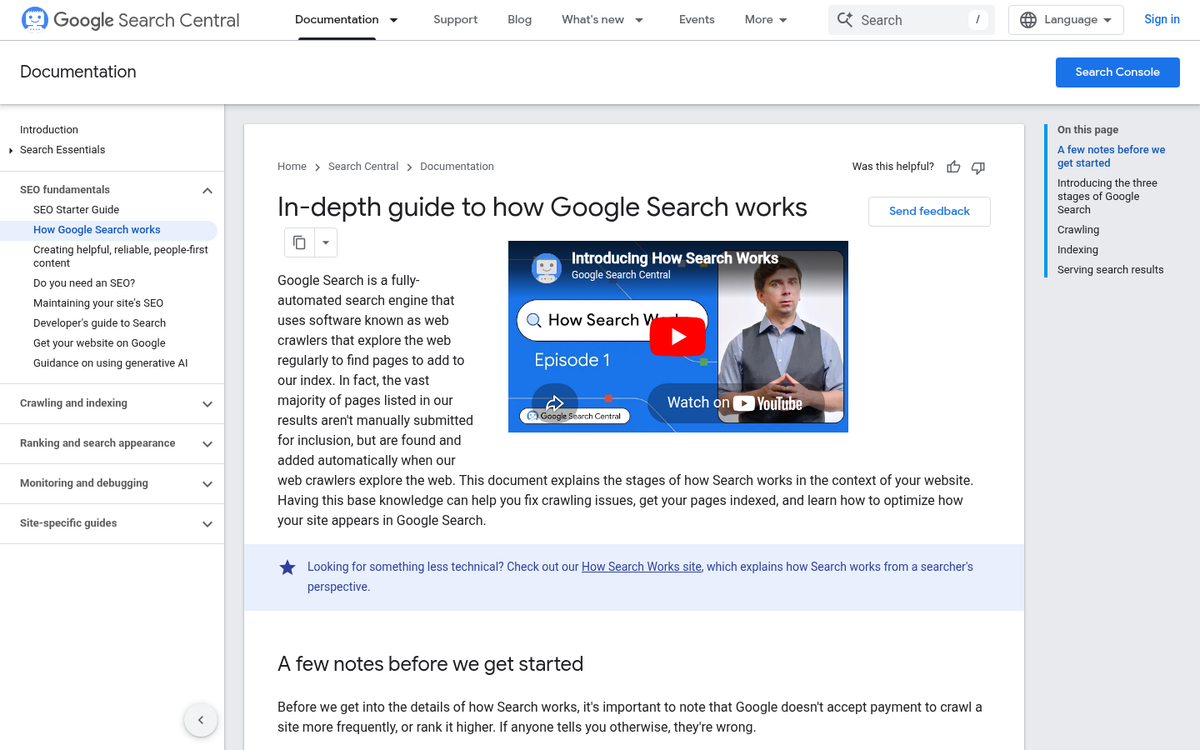
In the early days of search, Google was far less refined. You had to use exact keywords repeatedly so Google could associate your content with a given topic. If you were writing about a camera model, you'd want to mention that model name a few times throughout the text so Google would index you for that term.
When a user searched for that camera model, Google would scan its index for content mentioning it and rank results based on all available tells. Today, Google's understanding of language is vastly more nuanced - it grasps context, synonyms, and intent. But that doesn't mean keywords are irrelevant. Ahrefs data shows that 96.55% of pages get zero organic traffic from Google, and a contributor to that is failing to target the right keywords with the right content.
Keywords still give Google tells. If you never use a relevant term, you're not going to rank for it. The difference now is that you don't need to obsess over exact phrasing or keyword frequency - Google understands that "best time to fly," "optimal flight times," and "least crowded flights" are all pointing at the same intent.
How People Use Keywords
The "old way" of using keywords dominated SEO for decades and has only meaningfully shifted in the last few years - it makes sense that plenty of marketers are still operating on outdated assumptions.
Say you wanted to cover a topic like the best time to fly. Keyword research might surface phrases like "the best days to fly," "optimal flight times," and "least crowded flights." Each gets decent search volume, so they all look like worthwhile targets.

The old strategy was to write a separate blog post targeting each phrase. Three keywords meant three posts, each optimized around one phrase and deliberately staying away from the others to avoid "cannibalization." The logic worked when Google needed exact keyword matches to determine content relevance.
Today, that strategy backfires. Google understands that those three phrases all represent the same searcher intent. If you publish three posts on the same topic, Google doesn't know which one to prioritize - it spreads ranking value across all three, diluting your authority. A competitor who covers all three angles in one post gets that concentrated value in a single URL.
The New Paradigm: Conceptual Keywords
Google now interprets language well enough that you don't need to fixate on exact keyword phrases. What matters more is covering a topic closely enough that you use the language your audience is searching with.
That said, some keywords still carry irreplaceable value. Specific product model numbers, brand names, nouns, and other exact identifiers aren't something Google can infer - if you're writing about a camera and never mention its model number, you're not going to rank when someone searches for it. Those precise terms still matter and should be used explicitly.
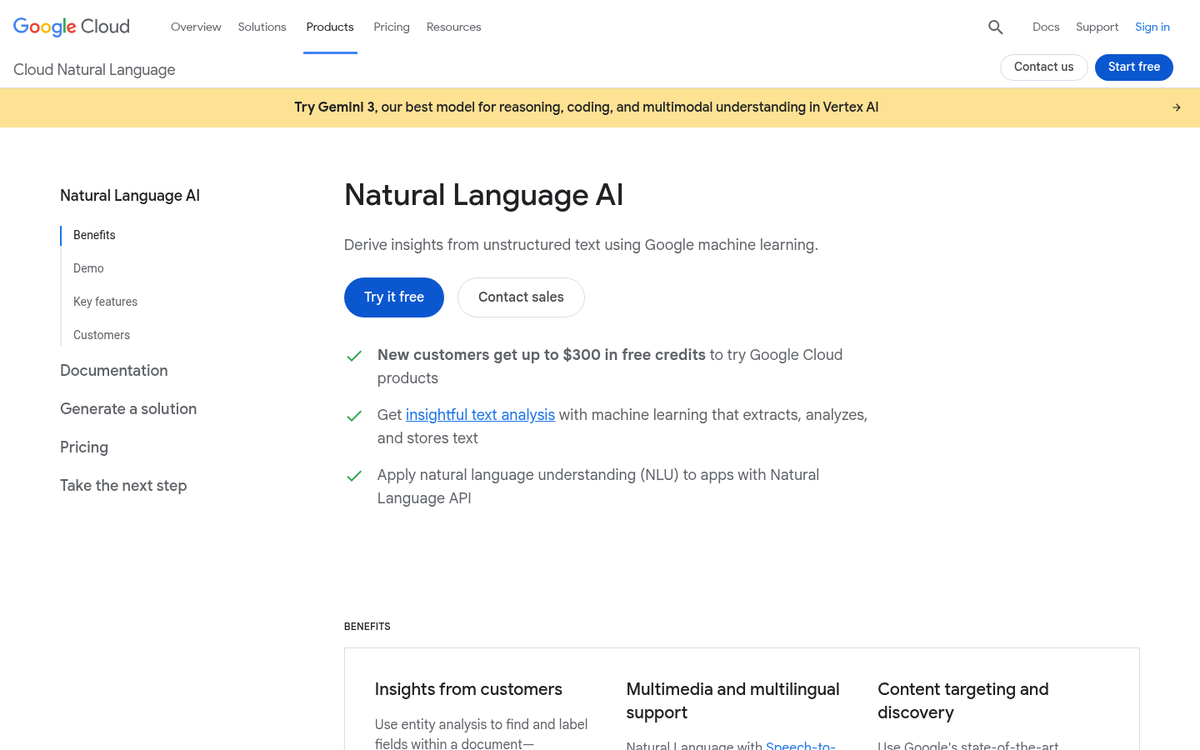
What you don't need to stress over is the keyword density micromanagement that places like Textbroker once pushed heavily - the idea that you should use a keyword a calculated number of times based on word count to hit some chosen ratio; it's not how modern Google works, and chasing that target actively makes content read worse.
The real danger is going too far in the other direction. If searchers are looking for "optimal flight times" and your flight planning guide never directly addresses that question with dedicated content, you're going to underperform for that query. Ahrefs data reinforces this: the average top-ranking page ranks for nearly 1,000 other relevant keywords. That doesn't happen by accident - it happens when content is legitimately comprehensive and uses relevant language throughout.
A Modern Hybrid
Keyword research works almost in reverse of how it used to. The old strategy took one keyword and splintered it into as many phrase variations as possible, spreading content thin across dozens of posts. The modern strategy does the opposite.
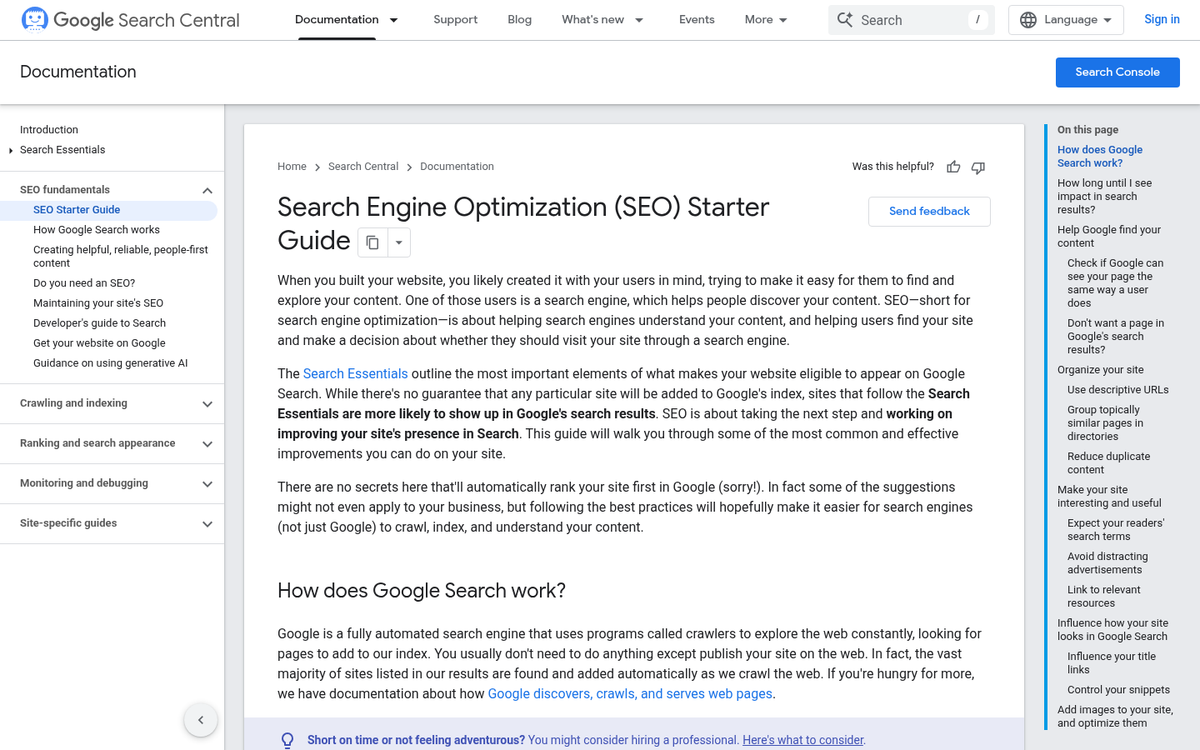
You collect a large list of keywords, then group them by shared intent. All those flight timing phrases? They collapse into one well-structured guide. You lead with the two or three keywords that have the strongest metrics, use the others throughout the content where relevant, and reserve any remaining terms for supplemental content - guest posts, videos, social content, or secondary articles on legitimately distinct subtopics.
It lets you find what your audience actually wants to know, write content that legitimately serves that intent, and concentrate your ranking value instead of diluting it.
How You Should Use Keywords
Keywords and keyword research are legitimately helpful when applied correctly. Let's talk about what the evidence supports:
Let's talk about what you should be doing:
- Do your keyword research to identify open niches, competitive landscapes, and high-volume opportunities. Use this to build and prioritize your content calendar - not to dictate how many times a phrase appears in a post.
- Use important keywords and specific identifiers explicitly in your content. Being the exact match still provides a measurable advantage, even in a world where Google understands synonyms.
- Include your primary keyword in your URL. Pages with a keyword in the URL show a 45% higher click-through rate, according to available data - a meaningful edge that costs you nothing to capture.
- Put your most important keywords in your meta title and description. These are what users see in search results and use to decide whether to click, so they carry both SEO and conversion value.
- Bank tertiary keywords for other formats - videos, infographics, guest posts, or secondary articles - rather than forcing them into content where they don't naturally fit.
How Not To Use Keywords

There are still plenty of outdated habits and bad pieces of advice circulating. Let's talk about what to stay away from:
- Never keyword spam. Forcing the same phrase in 15 or 20 times across a 2,000-word post makes your content read poorly and signals low quality to both readers and Google. It's especially painful when the keyword is something clunky like "best time for flights out of Orlando."
- Don't obsess over keyword density. There is no magic ratio. Keyword density was always a blunt instrument, and chasing a specific percentage is micromanaging toward a target that doesn't meaningfully exist in modern SEO.
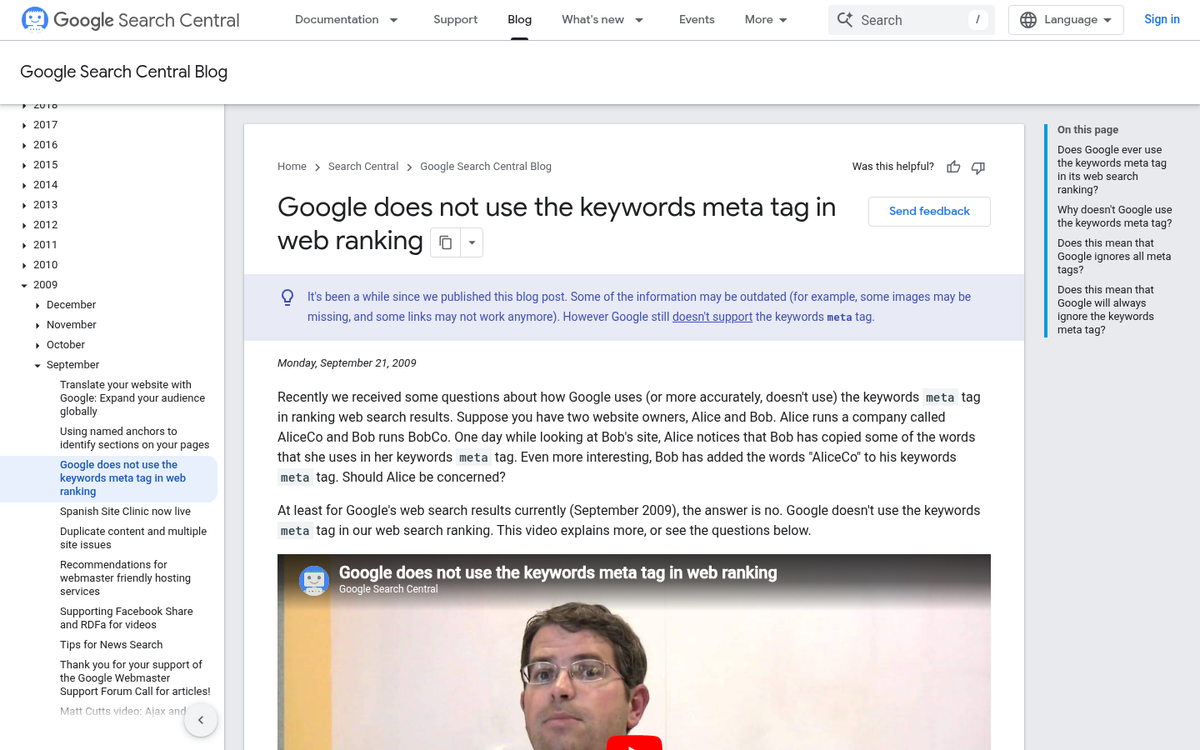
- Don't use the keywords meta tag. Google stopped using it years ago after spammers abused it. Including it today is more likely to flag your site as low-quality than to help your rankings in any way.
- Don't split the same topic across multiple posts just to target keyword variations. Consolidate related intent into one strong piece of content and let Google surface it for the full range of related queries. If you're considering pagination instead, weigh the pros and cons of splitting blog posts into multiple pages before deciding.
A Note About Voice and AI Search
People speak in sentences when using voice search. They ask questions. "What's the best day of the week to fly?" instead of "best day fly cheap." Google has become very good at parsing natural language, which means conversational phrasing in your content isn't a liability - it's increasingly an asset.
Beyond voice, the rise of AI-powered search experiences - like Google's AI Overviews, which rolled out broadly in 2024 and expanded into 2025 - has added another layer to keyword strategy. AI Overviews pull from content that directly answers questions, which puts a premium on well-structured, authoritative content that uses natural language. Targeting a keyword is less helpful if your content doesn't answer the question behind it.
The helpful implication: write for how people actually speak and think, use keywords as anchors not scripts, and make sure your content legitimately answers the question a searcher is asking - it's what ranks in traditional search and what gets pulled into AI-generated answers alike.