Do you want to make money? No? Well, alright then. I guess you don't need to read any more. If you change your mind, though, you might find the rest of this piece of interest. Remember that old blog you set up and abandoned? What if I told you that you could make hundreds or thousands of dollars per week off of that blog?
Okay, well, it's going to take a lot of time before you reach that level. You can follow every bit of advice I post and you're still going to take months or years to reach that level of income. The thing is, it's possible. Ryan Robinson earns upward of $30,000 per month from his blog. Adam Enfroy generated seven figures just two years after starting his. When you make your first dollar, you'll realize it's real. So, how can you monetize your blog?
Key Takeaways
- Building an audience through consistent publishing and social media promotion is essential before any monetization strategy can work.
- Ads are easy to set up but face challenges from ad blockers, poor scaling, and visitors leaving your site.
- Affiliate marketing can generate passive, long-term commissions, with SaaS and finance programs offering 30-50% commission rates.
- Selling digital products like ebooks, templates, or courses offers near-zero overhead and scalable income with no middlemen.
- Membership platforms like Substack and Patreon enable recurring revenue, but only if your premium content justifies the cost.
Establish a Blog

The first thing you need to do is establish a blog with a following. It's not as hard as it sounds, really. All you need to do is write consistently, publish posts on a regular schedule, and do a little marketing. Share your content on Instagram, post on LinkedIn, push short-form clips to TikTok or YouTube Shorts, do whatever you need to in order to build awareness of your site.
Every way you might make money from your blog requires you to have an audience. Money from affiliate links requires clicks. Money from ad impressions requires views. Money from product sales requires people to buy. It all comes down to traffic.
Sell Ads
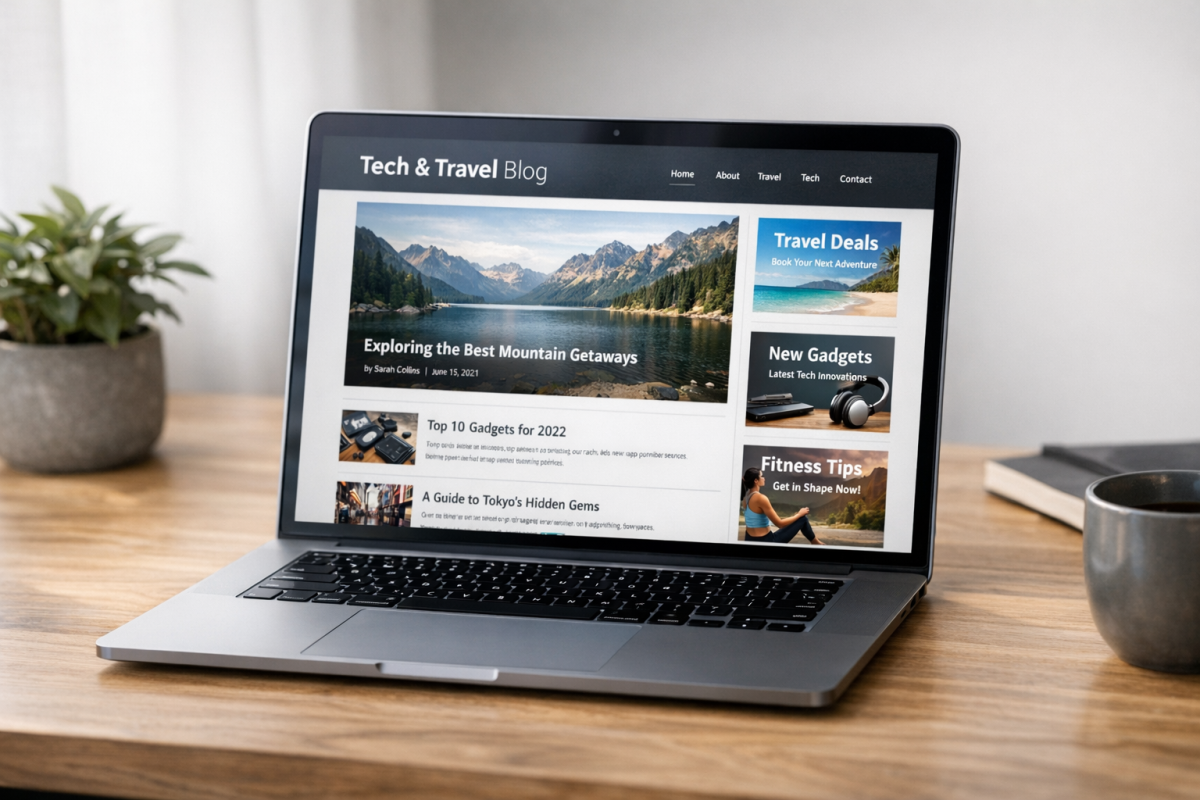
The first thing that comes up when you talk about making money from a blog is selling ads. You have a blog, you have traffic, sell that traffic through ads. Simple, right? Banner ads, sidebar ads, sponsored content placements - they're all relatively easy to set up. If you have a lot of traffic and a defined niche, you can charge premium rates for your ad space. It's even passive; when your users keep coming back, they keep seeing your ads and you keep earning. There are also plugins to help you sell ad space on your website if you want to streamline the process.
Ads aren't perfect, of course. For one thing, whenever an ad is clicked, that's a visitor leaving your site. If you have other, more lucrative monetization options, sending visitors away isn't going to do you any favors. Ads can also be disruptive, which has led to widespread ad blocker usage - and in 2026, that's a bigger problem than ever. Readers are savvier and less tolerant of intrusive advertising than they used to be.
Ads also have an earnings floor. No one wants to pay to advertise on your blog when you only get a dozen visitors per week. You may want to explore how to make money on a site with low traffic while you're still growing. And ads don't necessarily scale well - you might double your traffic, but your ad revenue won't automatically double with it.
Display Ad Networks: Google AdSense and Beyond

Part of the problem with managing your own ads is finding the connections you need to get the right ads in the right place. Services like Google AdSense do a lot of that work for you. AdSense is a Google property, meaning you have plenty of support and documentation available, and it remains one of the easiest entry points for new bloggers.
That said, in 2026, many mid-to-high-traffic bloggers have migrated to premium ad networks like Mediavine or Raptive (formerly AdThrive), which offer significantly higher RPMs (revenue per thousand impressions) than AdSense. Mediavine requires 50,000 sessions per month to apply, while Raptive requires 100,000 monthly pageviews - but the jump in earnings can be dramatic once you qualify.
AdSense remains a solid starting point with no contracts and no traffic minimums, but treat it as a stepping stone rather than a long-term ceiling. If you want to get more out of your existing setup, there are AdSense-safe methods to increase your revenue worth exploring before you make the switch.
Affiliate Marketing
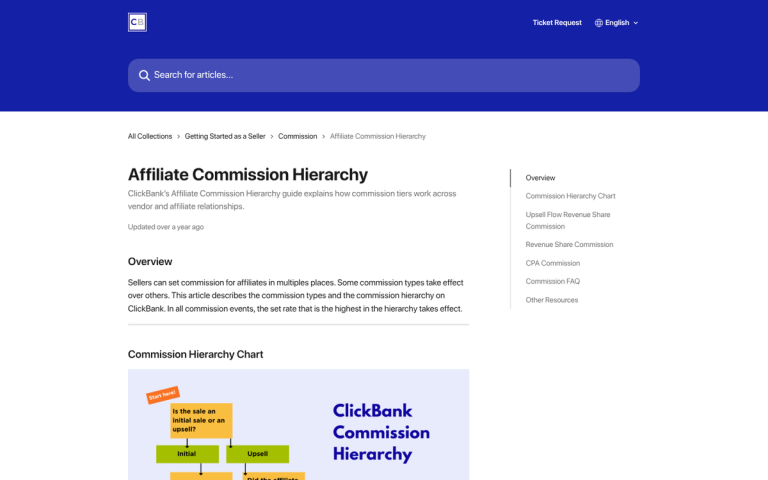
If your blog tends to lean toward reviewing or recommending products and services, you can earn commissions from those vendors. Affiliate marketing remains one of the most powerful monetization strategies available to bloggers in 2026. Amazon Associates is still a popular starting point, though its commission rates have been trimmed over the years. Many bloggers now prioritize higher-paying affiliate programs through networks like ShareASale, Impact, and CJ Affiliate, where commissions on software, finance, and SaaS products can reach 30-50%.
It's not uncommon to find an affiliate link from years ago still earning you hundreds of dollars per month. You also gain the benefit of being a recommender without needing to create your own product line. Your reviews are genuine and you earn through those recommendations.
On the other hand, if the product or service you're recommending doesn't convert, you get nothing. Affiliate marketing is also incredibly competitive, so finding underserved niches and genuinely helpful angles is more important than ever.
Selling Your Own Products

You can develop and sell a product of your own. By building a blog, you're building an audience. You can test that audience, figure out what they actually need, and create something that sells itself. Blogger David Oudiette, for example, turned his knowledge of building landing pages into a 252-page ebook selling for $39 - a simple product born directly from his existing content.
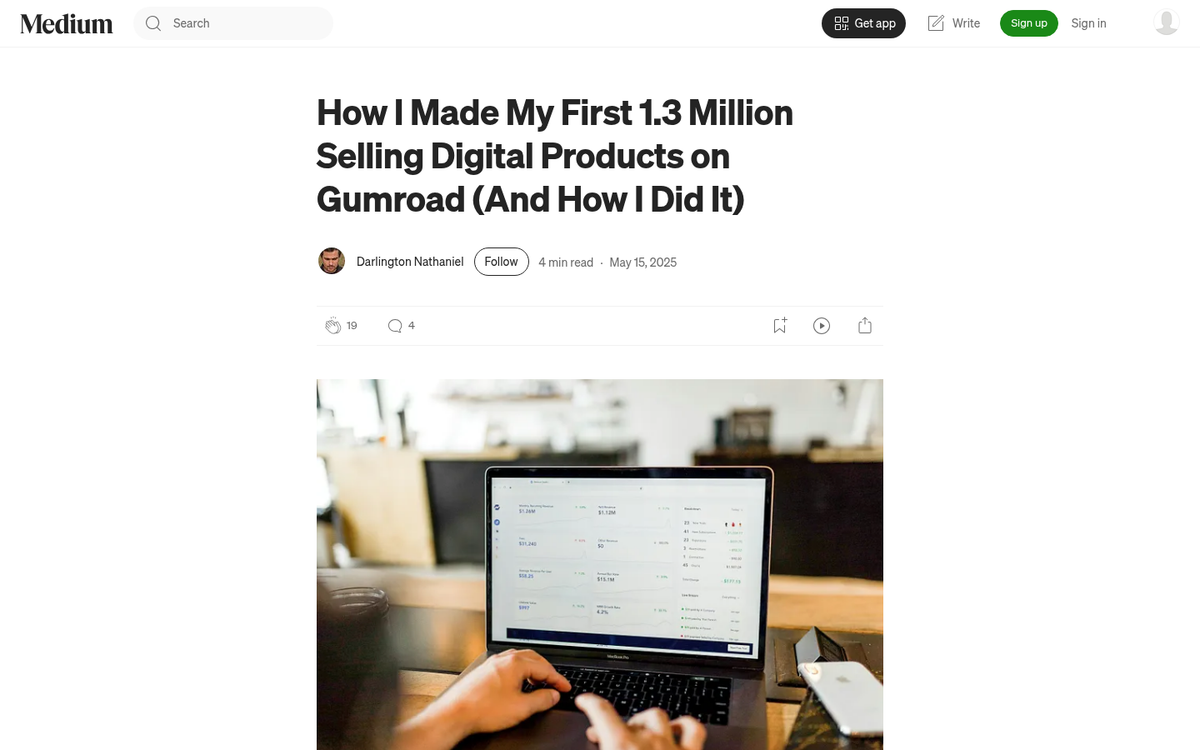
Selling your own products - particularly digital ones like ebooks, templates, presets, or online courses - allows you to make money indefinitely, with near-zero overhead. Platforms like Gumroad, Lemon Squeezy, and Teachable make it easier than ever to sell digital products directly to your audience without needing a complicated storefront.
You also make the jump from blogger to entrepreneur. The downside is that research and development takes time, and if the product doesn't resonate with your audience, you're back to the drawing board.
Memberships and Subscriptions
Selling a membership for premium content has become significantly more viable in 2026 than it was even a few years ago. Platforms like Substack, Patreon, and Ghost have normalized the idea of readers paying directly for the content they love. If you've built genuine trust and loyalty with your audience, a paid newsletter or membership tier can generate highly reliable, recurring revenue.
That said, you need to be absolutely certain there's real demand for your gated content. Basic blog posts aren't enough - you need premium insights, exclusive resources, or community access to justify the ask. It's also difficult to convince people to pay in a world overflowing with free content, so your value proposition needs to be crystal clear.
With so many ways to monetize your blog, it's amazing anyone doesn't make money from theirs. The bloggers who do it well - like Robinson and Enfroy - treat their blog like a business from day one. That mindset shift makes all the difference. If you're just getting started, these expert tips for new bloggers and content marketers can help you build the right foundation from the start.